Full Article
about Ferreruela de Huerva
Ocultar artículo Leer artículo completo
A Place That Measures Time in Harvests, Not Hashtags
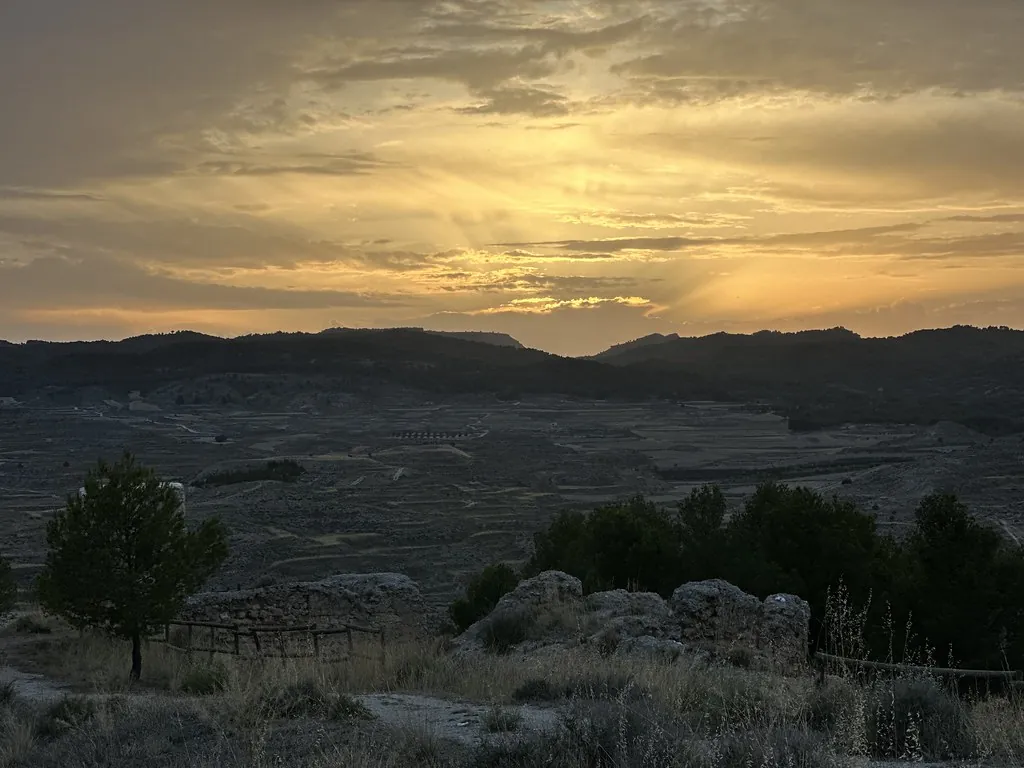
The wheat stops moving at 1,018 metres above sea level. From the A-1504 it looks like someone ironed the plateau, then remembered to drop a stone hamlet on the crease. Seventy residents, one bar, no gift shop. Ferreruela de Huerva doesn't do "attractions"; it does silence that makes your ears ring and skies dark enough to read Orion like a newspaper.
British drivers arriving from Zaragoza—ninety minutes by hire car via the A-23—usually overshoot the turn-off. There’s no brown sign, no Instagram frame, just a crumbling stone wall and a track that shrinks to single-car width. First-time visitors expecting honey-coloured arcades or a medieval plaza brake hard: the village is a single elongated street, houses shoulder-to-shoulder as if huddling against the wind that scours the Jiloca comarca nine months a year.
Stone, Adobe and the Memory of 500 Years
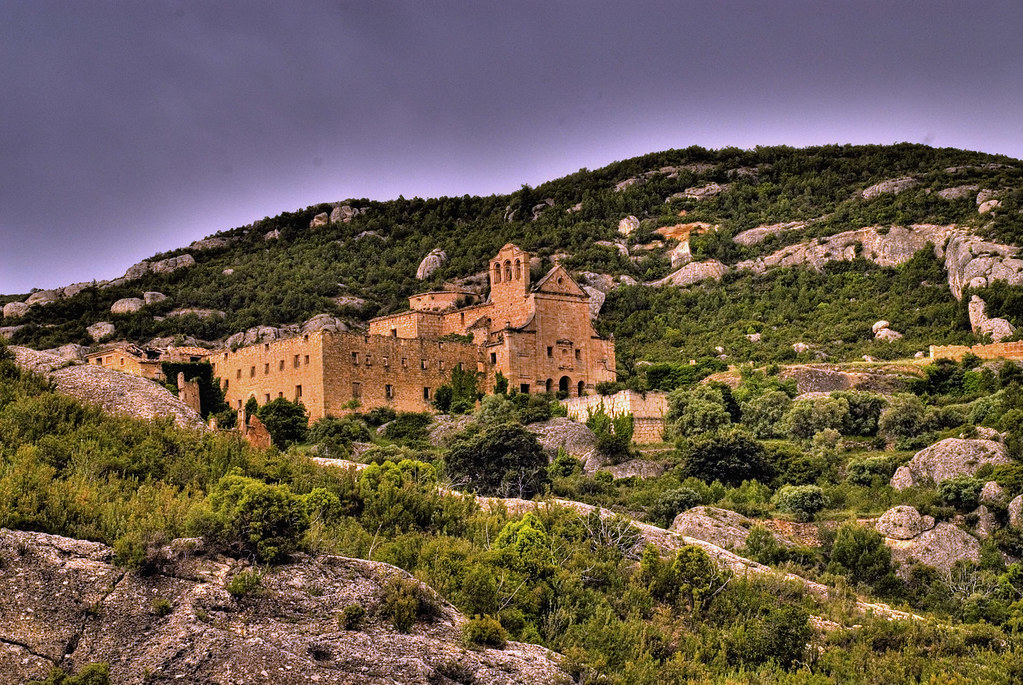
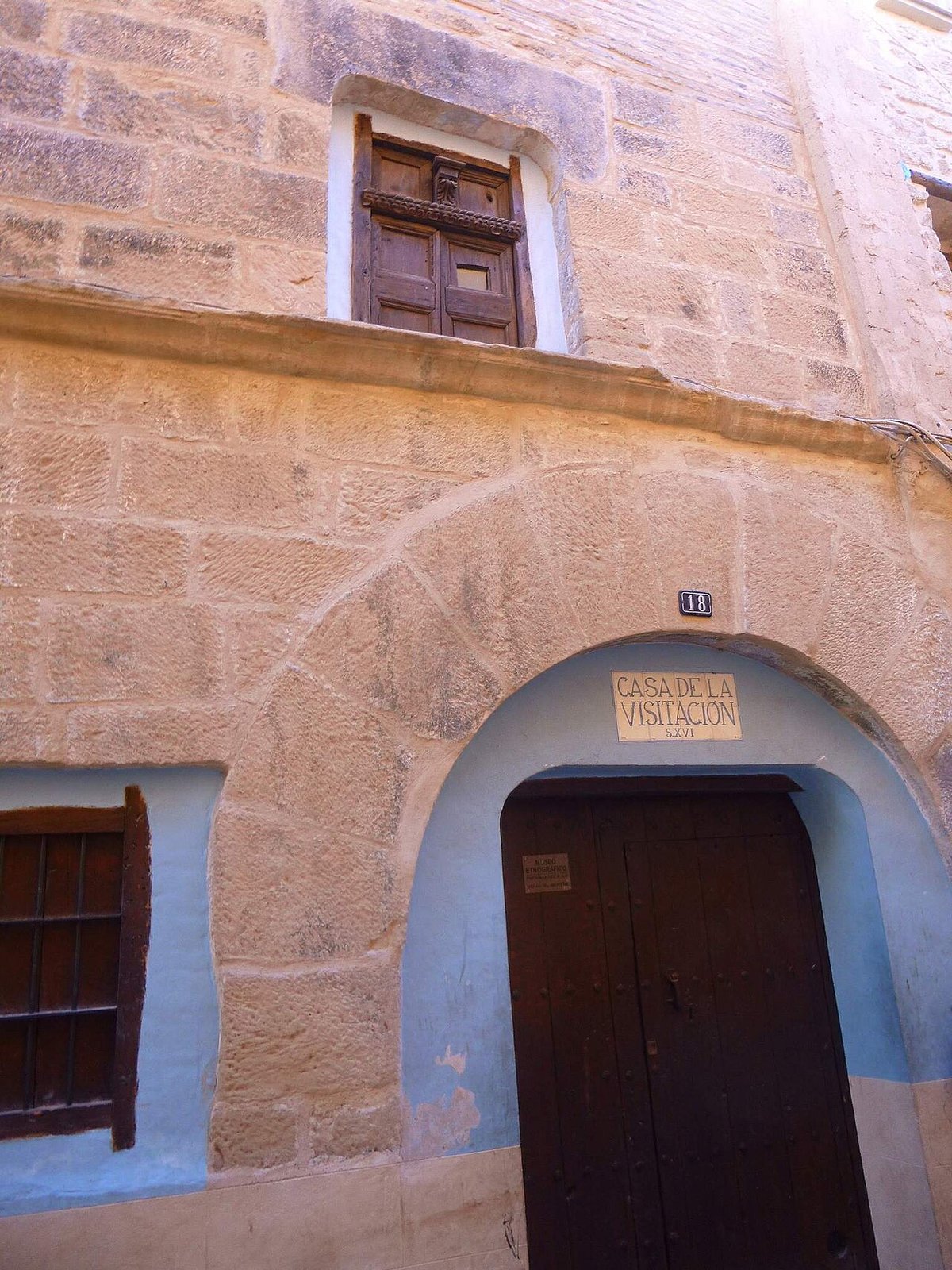
Local stone is too hard to carve prettily, so builders worked with it, not against it. Walls are a metre thick, doorways just tall enough for a 17th-century farmer in espadrilles. Adobe upper floors bulge gently, like loaves left to rise. The parish church sits slightly higher than everything else—not for grandeur, but because the hill was there first and the masons saw no point in flattening it. Step inside and the air is cellar-cool even in July; the only decoration a faded 19th-century fresco of San Isidro whose oxen look suspiciously like the ones still ploughing the surrounding fields.
Walk the perimeter in twenty minutes. Note the boarded-up bread oven, the communal laundry trough fed by a spring that freezes in January, the corrals where pigs once wintered beneath the family kitchen for warmth. Nothing is restored, merely patched; authenticity here is cheaper than paint.
What the Brochures Leave Out
Summer midday hits 34 °C and there is zero shade outside the bar. The bar—Area 202—opens at irregular hours and its last food-hygiene score (2022) was "correctable". Stock up in Daroca, ten kilometres back down the road, where the supermarket sells Cathedral City cheddar for the nostalgic and fresh saffron for the brave.
Phone signal flickers. 4G appears on the ridge behind the cemetery, disappears in the dip where the wheat silos stand. Locals communicate by leaning over balconies; visitors quickly relearn the art of eye contact.
Winter is serious. At 1,000 m the plateau traps cold like a sink; snow can cut the road for two days. If you book the village house (there is one rental, three bedrooms, no central heating) bring slippers and a sense of humour. The upside: empty landscapes, red kites quartering the stubble, and night skies that make Kielder Forest feel light-polluted.
Walking Without Waymarks
Ferreruela sits on a shallow watershed; every track eventually drops into a barranco lined with almond and rosemary. No National Park status, no gift-shop maps—just tractor trails that Google mis-labels as "county roads". A 5-km loop eastwards reaches an abandoned threshing floor where swallows nest in the rafters; continue another 3 km and you hit the Huerva River, usually a string of pools by August, perfect for soaking feet after the hot dust of the plateau.
Spring brings colour faster than Cornwall: first the wild tulips, then whole hillsides of yellow Spanish broom loud with bees. Autumn is the photographers’ window—golden stubble, black cattle against ochre earth, and thermals that lift the scent of cumin from the drying fennel heads.
Food That Doesn’t Need Translating
There is no restaurant. Lunch options are:
- Drive to Daroca and eat menu-del-día at the 14th-century posada (three courses, wine, €14).
- Knock on the door of the house with smoke curling from the chimney and hope it’s matanza day—families still slaughter one pig each December and will swap a plate of fresh morcilla for English tea bags.
- Self-cater: local lamb from the abattoir in Calamocha, wine from Cariñena co-op (€3.50 a bottle, tastes like Rioja on a gap year), bread baked in a neighbour’s wood oven if you ask before 9 a.m.
Vegetarians survive on tortilla and the excellent tinned white beans from Navarre sold in Daroca. Coeliacs should pack their own biscuits; the concept hasn’t arrived.
When to Come, When to Leave
April–June and mid-September–October give 22 °C days, 10 °C nights, and barley that ripples like the sea. July–August is furnace-hot, but the wheat harvest happens then: locals welcome extra hands to drive the vintage combine in return for cold beer and stories about emigration to Zaragoza or, two generations back, to Huddersfield.
Avoid the last weekend of August when the fiesta patronal triples the population to 200 and every balcony sprouts a speaker playing 1990s Spanish pop at tooth-rattling volume. Book accommodation early—there are four rooms in the entire municipality.
Bed, Bath and Beyond
Staying overnight means Daroca. Hotel Cienbalcones occupies a 16th-century mansion whose courtyard fills with laptop-toting Spaniards on Thursday nights. British guests rave about two things rarely found together on the road: a powerful shower and an actual bath. Free street parking outside the city walls; inside, stone corridors stay 19 °C without air-conditioning, a small miracle after the plateau’s furnace.
Alternative: the village house in Ferreruela itself. €80 a night, wood-burner, roof terrace, Wi-Fi that works if the wind blows from the east. Bring charcoal and Bluetooth speakers; the nearest neighbour is 200 m away and deaf in one ear from decades of tractor engines.
Leaving Without Buying the T-Shirt (There Isn’t One)
Most visitors photograph the ruined castle mound west of the village, turn the car round and tick "rural Aragón" off the list. That misses the point. Ferreruela de Huerva offers what the Dales and the Highlands increasingly ration: space without signage, quiet without a gift shop, darkness you can taste. Come for the wheat silence, stay for the night sky, leave before you need a cash machine—there isn’t one for thirty kilometres.