Full Article
about Fortanete
Ocultar artículo Leer artículo completo
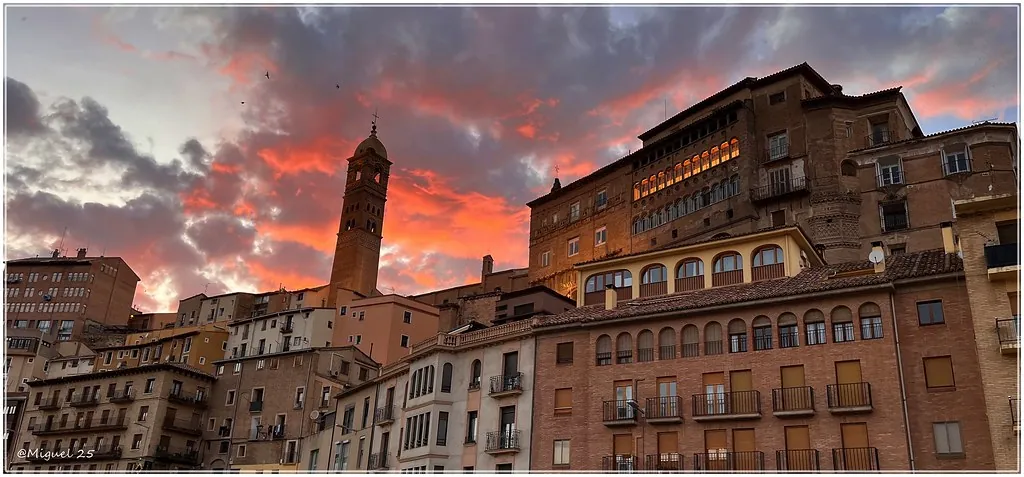
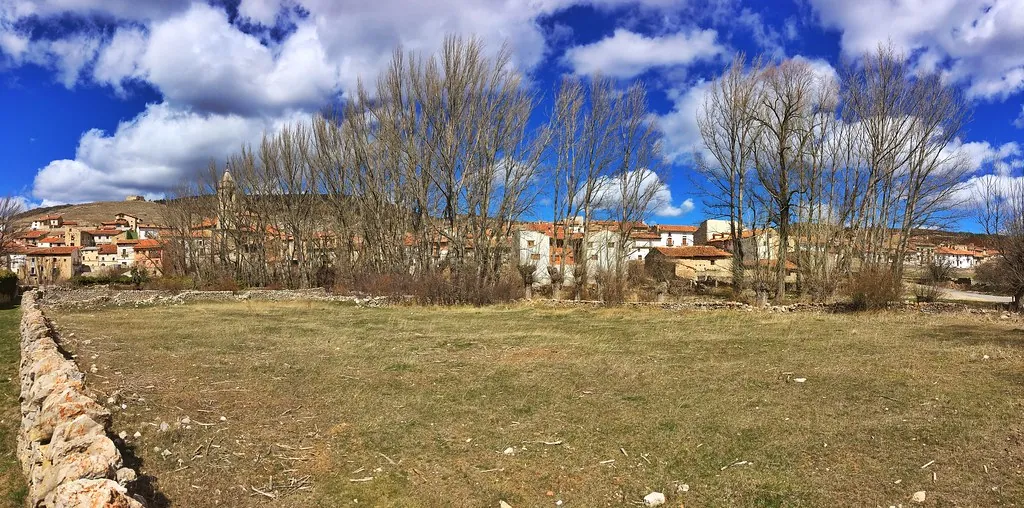
The stone houses of Fortanete turn silver at dawn. Not gold, not honey-coloured – silver, the colour of winter breath and old pewter. At 1,353 metres, this is Aragon's rooftop, where the first frost arrives in October and lingers past Easter. The village wakes slowly: a single light in the bakery, the clack of a metal shutter, then silence again. Two hundred souls live here permanently, enough to keep the pharmacy open but not enough to stop the school from closing five years ago.
Stone, Sky and the Smell of Rosemary
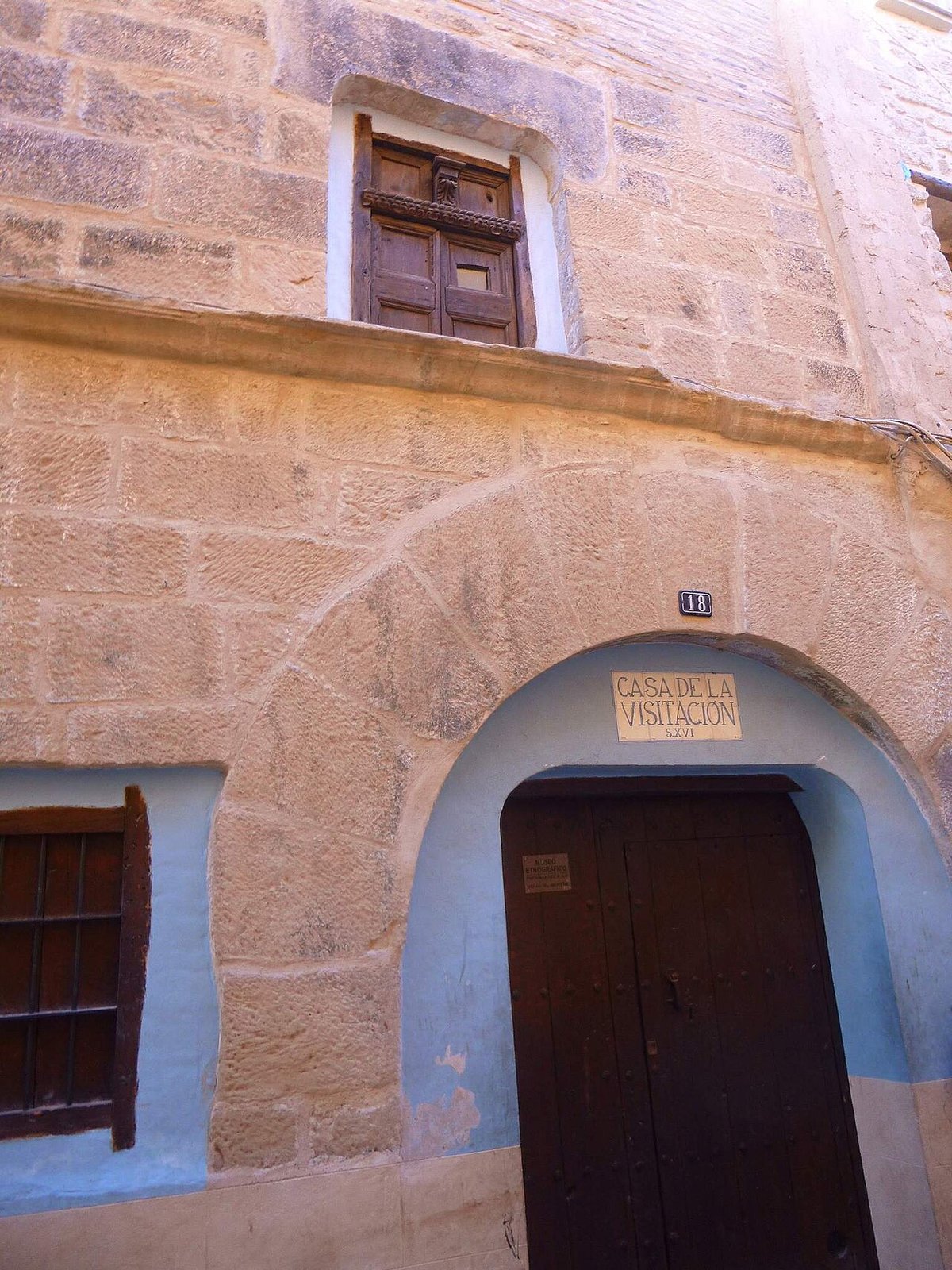
Every building wears the same grey limestone coat, quarried from the ridge just above town. Walk the main street at 9am and you'll pass the church tower, the bakery, the bar where farmers discuss sheep prices over cortados, all built from identical blocks. It's monotonous until you look closer – each doorway carved with different initials, each balcony forged by a different blacksmith's hand. The effect is less chocolate-box pretty, more weather-beaten practical. These walls have withstood French troops, civil war bombardments, and three decades of rural exodus. They're still standing. The people are too.
Above the roofs, buzzards ride thermals that rise from the Matarraña valley. Bring binoculars in March and you'll count twenty species before lunch. The limestone cliffs behind town host eagle owls; the poppy fields below attract hoopoes and golden orioles. British birders on the GR-8 trail compare it to Provence without the crowds, though they also warn the final 6km from La Iglesuela del Cid is "a knee-killer – steeper than Helvellyn via Striding Edge".
Walking Into Nothing (and Liking It)
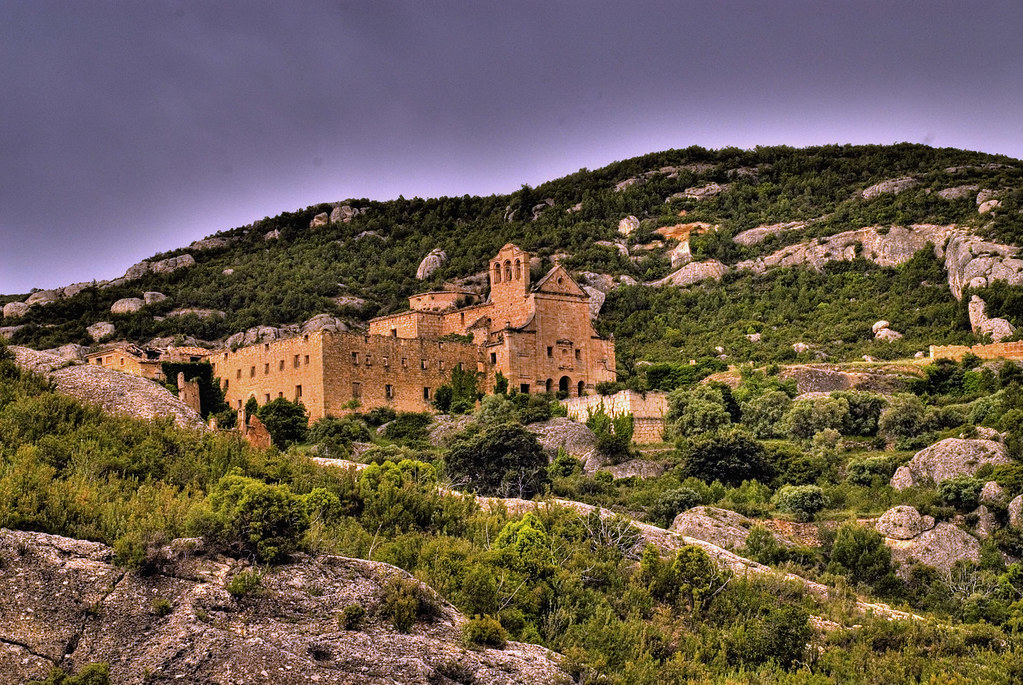
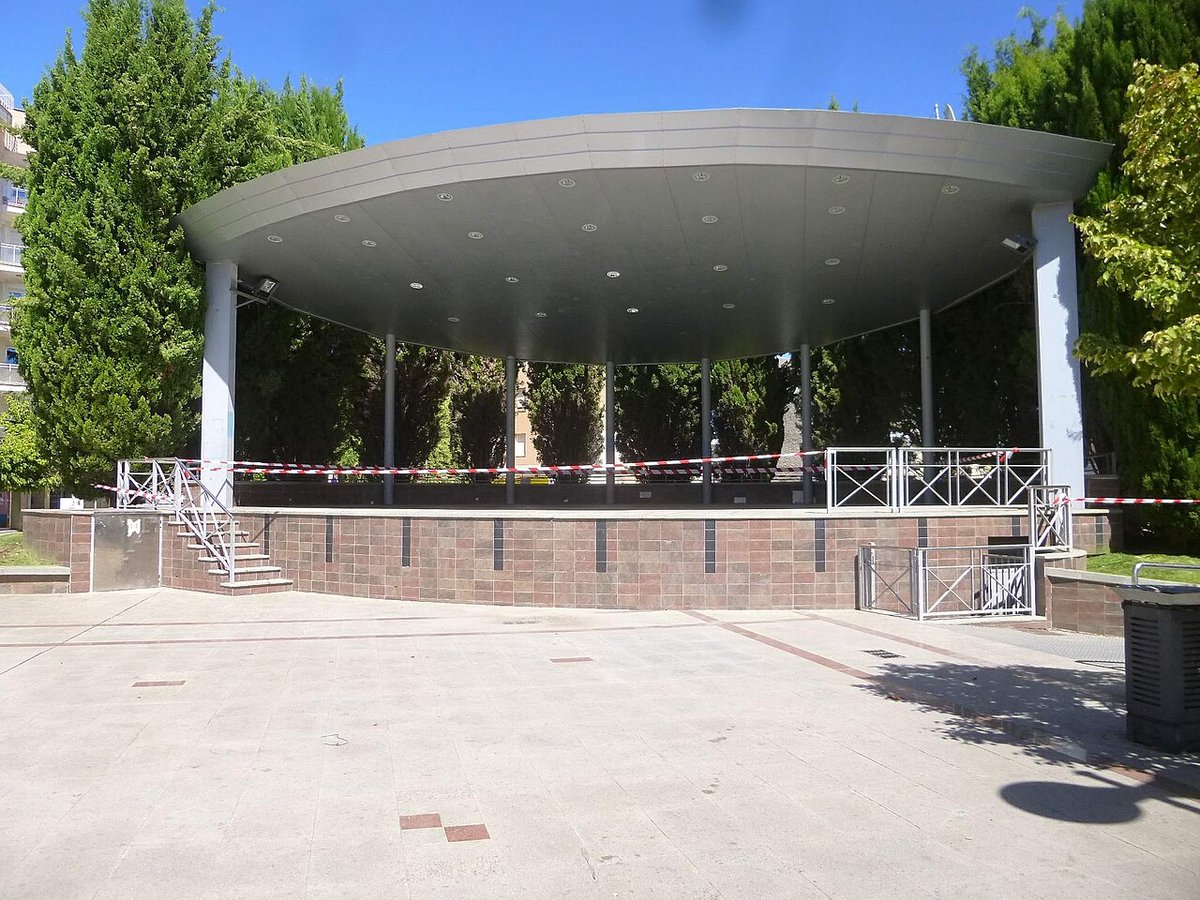
Fortanete makes sense only on foot. Drive through and you'll see shuttered windows and a half-finished housing estate from 2008 that someone abandoned mid-pour. Park the car, start walking, and the place reveals itself. A signed path leaves from the sports court – itself closed since the roof blew off in 2020 – and climbs through holm oaks to the abandoned village of La Mola. What takes twenty minutes on the map consumes an hour in reality, the track rising 300 metres past stone terraces where no one has planted wheat since 1965. At the top, the only sound is wind through rosemary bushes and the occasional clank of a distant goat bell.
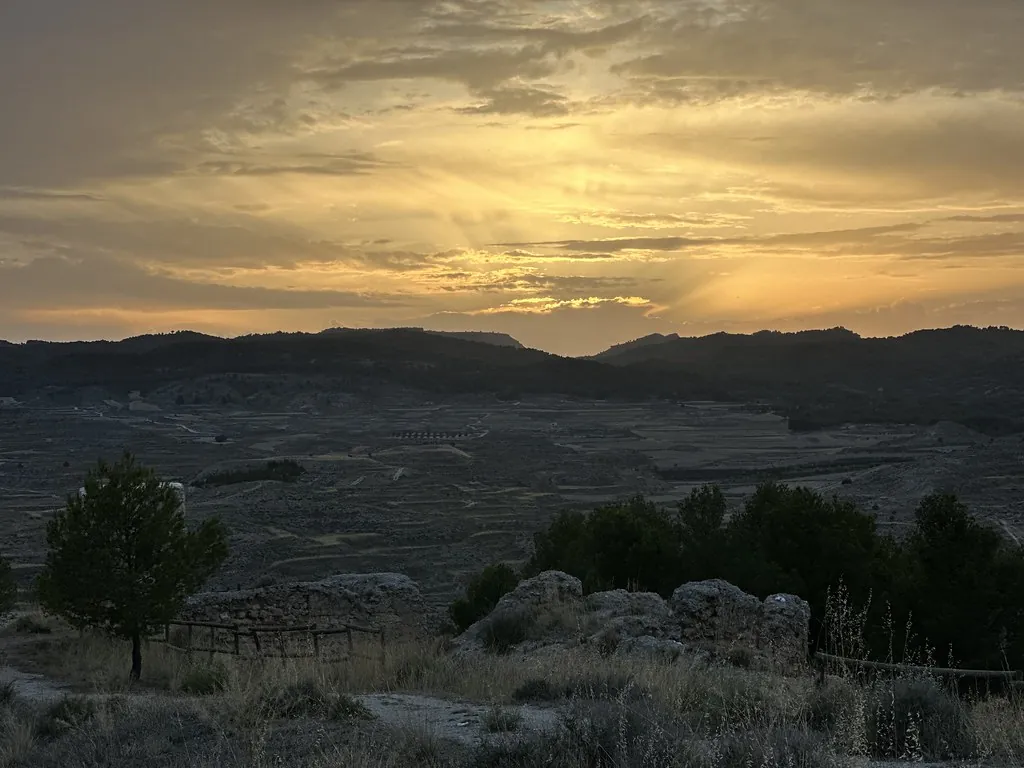
Serious walkers use Fortanete as a staging post for Peñarroya, the 1,742-metre summit that dominates the horizon. It's a six-hour round trip from the village square, following old mule tracks that once connected Aragon with Valencia. The route isn't waymarked like a Lake District trail – cairns appear sporadically, and twice you'll question whether that scratched arrow points left or right. The reward is a 100-kilometre view: east to the Mediterranean glittering like foil on clear days, west across the Maestrazgo's corrugated ridges. Download the track before you leave; O2 signal dies completely after kilometre three.
What to Eat When Nothing's Open
Monday in February? Both restaurants close. Tuesday in March? Only the bakery opens, and they've run out of coffee by 11am. Fortanete runs on its own clock, and visitors either adapt or go hungry. When the Bar Fortanete does fire its grill, order the cabrito – kid goat roasted with garlic and mountain thyme. It arrives as a quarter animal, bones caramelised, flesh tasting faintly of the sage pastures it grazed on. One portion feeds two hungry hikers for €18. Locals mop the juices with bread, then chase it with a shot of herbero, the Valencian liqueur that tastes like alcoholic cough medicine. British palates prefer the local honey, sold in reused jam jars for €4. It's mild, almost buttery, nothing like the aggressive rosemary products flogged on Costas.
The bakery's pizza de Fortanete has become legendary among passing cyclists. Thin base, caramelised onion, local goat cheese – essentially a posh cheese and onion flan that even picky teenagers recognise. They bake twelve daily. Arrive after 1pm and you'll find only crumbs.
Winter Comes Early and Stays Late
October brings mist that pools in the valley like milk. By November the approaches from Valencia require snow chains; the road from Teruel, higher but better maintained, stays open except during proper blizzards. January averages minus 3°C at midday. Houses rely on butane heaters and wood-burning stoves – the village sells sacks of oak offcuts for €6, enough to warm a cottage for three days. Summer offers relief: August peaks at 28°C, nights dropping to 15°C, meaning you'll sleep under a duvet while coastal Spain swelters.
The seasonal swing defines village life. Spring brings wild asparagus hunters who fill plastic bags from roadside ditches. May sees the return of swallows and the reopening of the municipal pool – unheated, fed by mountain springs, effectively a posh plunge pool. Autumn means mushroom permits from the town hall (€5 daily quota) and the smell of wet leaves drifting through open windows. Each season announces itself clearly; there's no ambiguous shoulder season here.
How to Do It (Without Getting Stuck)
Fortanete sits 140 kilometres from Valencia airport, two and a half hours on the A23 followed by the A226. The final 25 kilometres twist through the Puertos de Beceite – spectacular, yes, but not what you want after a late flight. Petrol stations thin out after Ejulve; fill there if you're returning a hire car on fumes. No cash machine exists in village limits – the nearest sits 12 kilometres away in La Iglesuela del Cid, though it charges €2 per withdrawal and regularly runs out of €20 notes during hunting season.
Accommodation means either self-catering cottages (three available, €60-80 nightly) or the hostal above the bar (five rooms, €35pp including breakfast toast and instant coffee). Book by phone; Whatspiling the number rarely works because, again, Vodafone signal resembles Swiss cheese. The hostal owner speaks fluent French but no English – communicate with gestures and the international language of pointing at maps.
Sunday lunchtime everything shuts. Pack a picnic: buy bread on Saturday evening, cheese from the dairy truck that visits Friday mornings, wine from the co-op in neighbouring Mosqueruela. Sit on the church steps and watch village life not unfold – no traffic, no bustle, just the occasional tractor returning from higher pastures. It's either deeply boring or exactly what you needed. Fortanete doesn't care which.