Full Article
about Fuentes de Ebro
Ocultar artículo Leer artículo completo
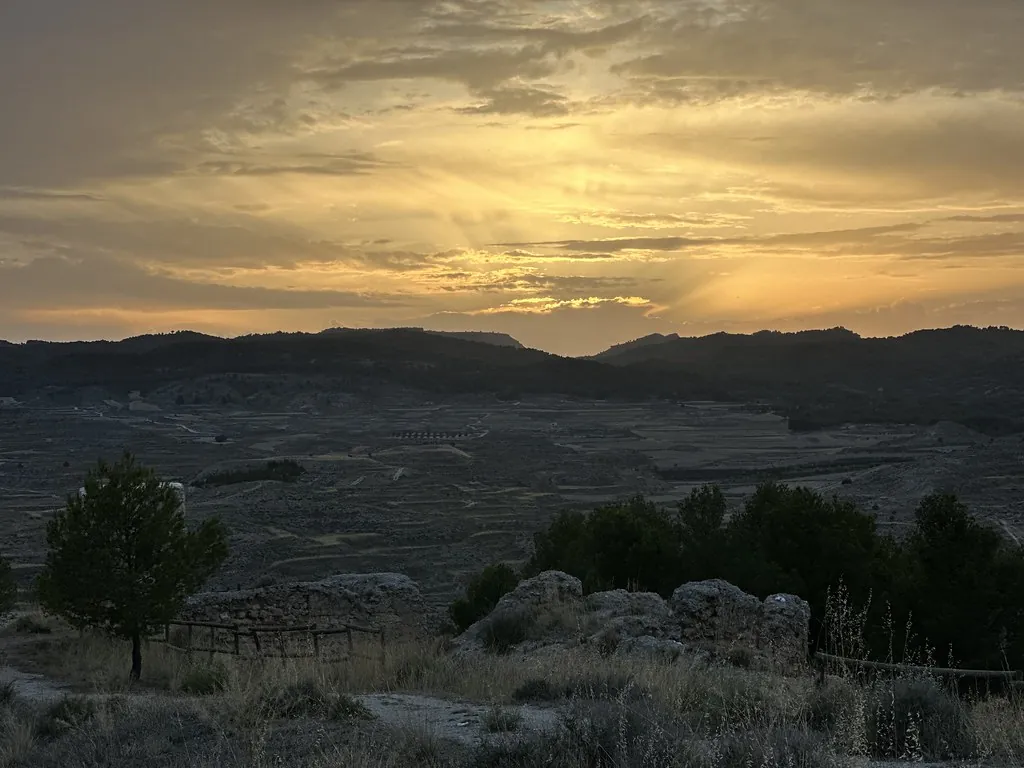
The first thing you notice is the smell: not diesel or drains, but warm earth and something faintly sugary drifting from the market bar. It’s the local onion—so mild you can bite it like an apple—being sliced for a mid-morning bocadillo. Fuentes de Ebro doesn’t announce itself with castle walls or hill-top views; it sits quietly in the low Ebro valley, 25 km south-east of Zaragoza, and makes its living from irrigated fields that glow emerald even when the surrounding steppe is the colour of biscuit.
A working town, not a film set
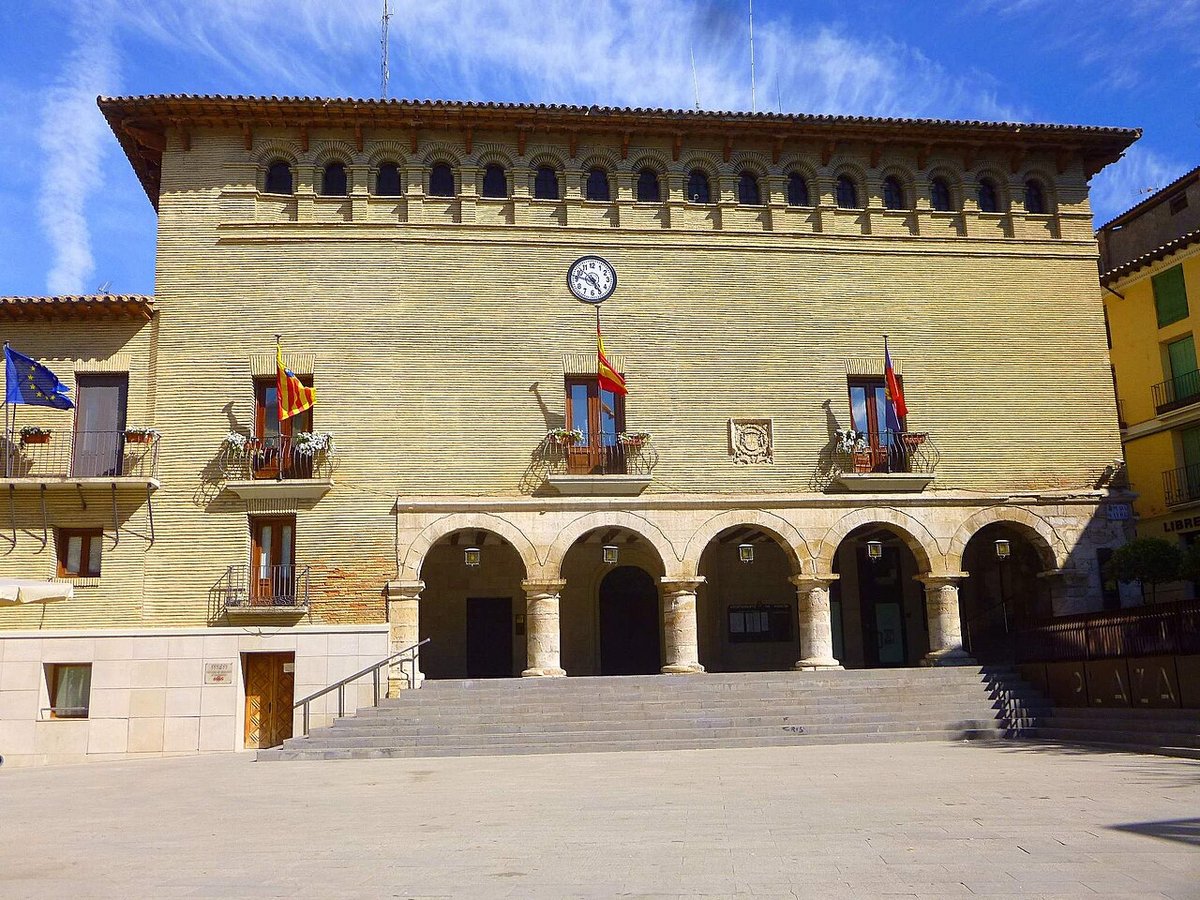
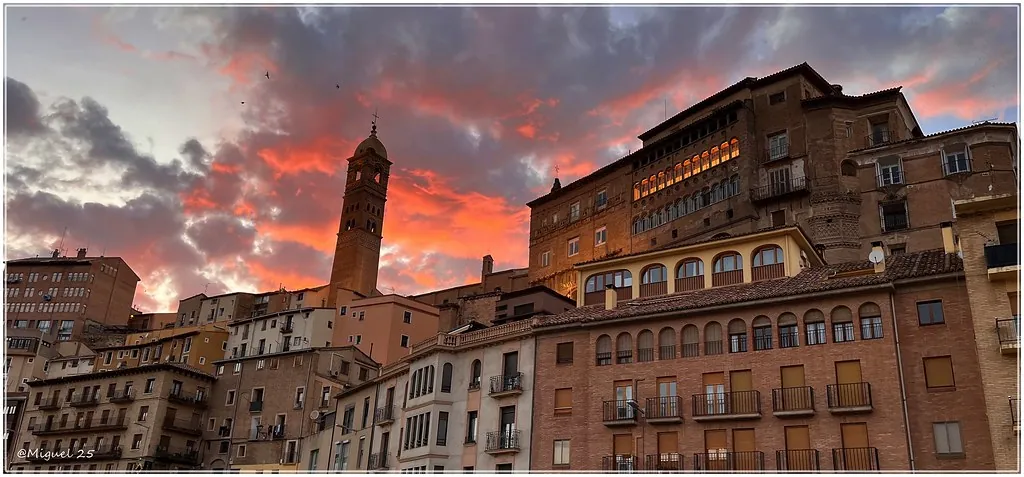
Roughly 4,600 people live here year-round, which means the cafés still hum at 08:00 when the agricultural contractors stop for coffee and brandy, and the Día supermarket stays open late enough to buy emergency bin-bags. The centre is a compact grid of brick houses with overhanging eaves and the occasional wrought-iron balcony painted the exact green of a 1970s train carriage. Head for the tower of San Miguel Arcángel—Aragón’s answer to a lighthouse—and you can’t get lost; the streets feed into Plaza de España like spokes. The church itself is a patchwork: 16th-century base, 18th-century dressing, 1930s rebuild where shells landed. Pick up the free leaflet inside and you’ll learn the priest hid the parish silver in the onion store during the Civil War; locals will tell you the onions survived better than the roof.
Outside fiesta weekends the pace is gentle. Elderly men in berets play dominoes under the plane trees; teenagers practise wheelies past the ayuntamiento. British visitors sometimes expect Andalusian levels of holler and colour; what you get is more like a Cambridgeshire market village that happens to speak Spanish and eats dinner at 22:00.
Flat roads, full water bottles
The surrounding landscape is table-top flat, criss-crossed by irrigation ditches and maize taller than a cyclist. That makes it perfect for easy pedalling if you’ve flown out with a fold-up bike. Head south on the farm track sign-posted “Soto del Ebro” and within ten minutes the temperature drops under poplar shade; herons flap off like clumsy paper planes. The town tourist office (open Tue-Thu 09:00-14:00, Fri-Sat till 17:00) will lend you a free map showing two signed loops: 12 km and 25 km, both dead level. Hire bikes are not available, so bring your own or be prepared to sweet-talk the owner of the bike shop opposite the health centre—he’ll rent out hybrids for €15 a day if his daughter isn’t using them.
If you’re walking the Camino de Santiago’s Catalan branch, Fuentes is an obvious halt between Zaragoza and Caspe. The municipal albergue has ten beds (€8, kitchen, no bedding) behind the sports pavilion; keys from the Policía Local round the corner. Pilgrim credentials get stamped at Hostal El Patio on the main drag, whether you sleep there or not. Don’t bank on laundry: the nearest self-service lavandería is in Quinto, 7 km back west.
What to eat when you’ve seen enough onions
The set-menu lunch (weekdays €14, Sundays €18) hardly changes with the seasons: starter of grilled Fuentes onion halves, their centres caramelised and sweet; breadcrumb-thick chuletón for two, carved at the table and served rare with hand-cut chips; finishing with a slab of goat’s-milk flan that tastes like burnt custard. Vegetarians get the same onion starter plus a plate of piquillo peppers stuffed with salt-cod brandade—no spice, just gentle smoke from the wood grill. House white from Cariñena arrives in a plain carafe and costs less than bottled water; it’s light enough to drink with steak and won’t give you the holiday headache.
Evening tapas are more inventive. Try calamares en su tinta at Bar Milenium or the morcilla (blood sausage) toasted sandwich at La Plaza—order two, they’re small. Payment is cash only under €20 and cards often refused above that, so pocket plenty of notes. The ATM beside the church shuts at 22:00 sharp; after that you’re driving to Quinto or offering to wash dishes.
Timing your visit: spring mist, autumn smoke
April and May are the photogenic months: dawn mist lifts off the irrigation channels and the maize is only ankle-high, so storks strut about like retired colonels. Temperatures sit in the low 20s; you can cycle all day and still want dinner. September brings softer light and the start of the onion harvest—fields dotted with white vans and the smell of bruised vegetation. In high summer the valley becomes a clay oven; 40 °C by 14:00 is normal. Plan any walking for 07:00 or after 18:00, and carry more water than you think—farmers will wave you over to refill from the potable taps beside the acequias, but there’s no shade.
Winter is bleak but honest. The cierzo, Aragón’s infamous north wind, whistles across the flats and can drop the wind-chill below freezing. Bars still light their wood stoves, and the Sunday roast special (lamb shoulder, €12) appears, but several restaurants close altogether in January. Check Facebook pages before you set out; Spaniards assume you’ll phone first.
When the town lets its hair down
Fiestas are short, intense and loud. Santa Águeda (around 5 August) crams a week’s worth of fireworks, brass-band processions and all-night bar extensions into three days. Accommodation books up the minute the previous year’s posters appear—reserve early or stay in Zaragoza and drive in. Late September honours San Miguel with livestock blessing in the square and an onion-grading contest that draws four competitors and forty critics. British visitors are welcomed, stared at, and immediately offered a judging spoon; accept, but remember the local tactic of sniffing, not chewing, unless you want your sinuses cleared.
Getting there and away
Ryanair flies Stansted–Zaragoza in two hours; from the airport, a €25 taxi brings you door-to-door, or take the airport bus to Zaragoza-Delicias then ALSA coach towards Caspe—three daily, €4.35, 45 minutes. Drivers leave the A-2 at kilometre 306 and follow the onion lorries for 5 km; parking on Plaza de España is free and unlimited, but avoid market Tuesday when the fruit van blocks half the spaces. Trains don’t come here: the nearest station is in Quinto, linked by one school-day bus that refuses to carry bikes.
The honest verdict
Fuentes de Ebro won’t change your life. It has no medieval alleys, no Michelin stars, no boutique hotels—just decent food, rock-solid irrigation-flat cycling, and a crop that makes you rethink what an onion can be. Come for a night on the way to somewhere else, stay for the steak and the sunrise over the maize, then roll on. And if you leave with a 5 kg sack of sweet onions in your pannier, remember to declare them at customs; they travel better than the local wine, and they really don’t make you cry.