Full Article
about Gúdar
Ocultar artículo Leer artículo completo
The church bell in Gúdar strikes eight and the sound ricochets across slate roofs, down stone lanes and out into a valley that drops away for a kilometre. At 1,581 m this is one of Aragón’s highest inhabited villages, and the air is thin enough to carry the chime a good thirty seconds longer than it ought to. Night-time temperatures were minus four last week; by eleven the sun will be hot enough to burn the tops of your ears. That swing tells you most of what you need to know about life up here: extremes are normal, and nobody much minds if you turn up unprepared – so long as you don’t complain.
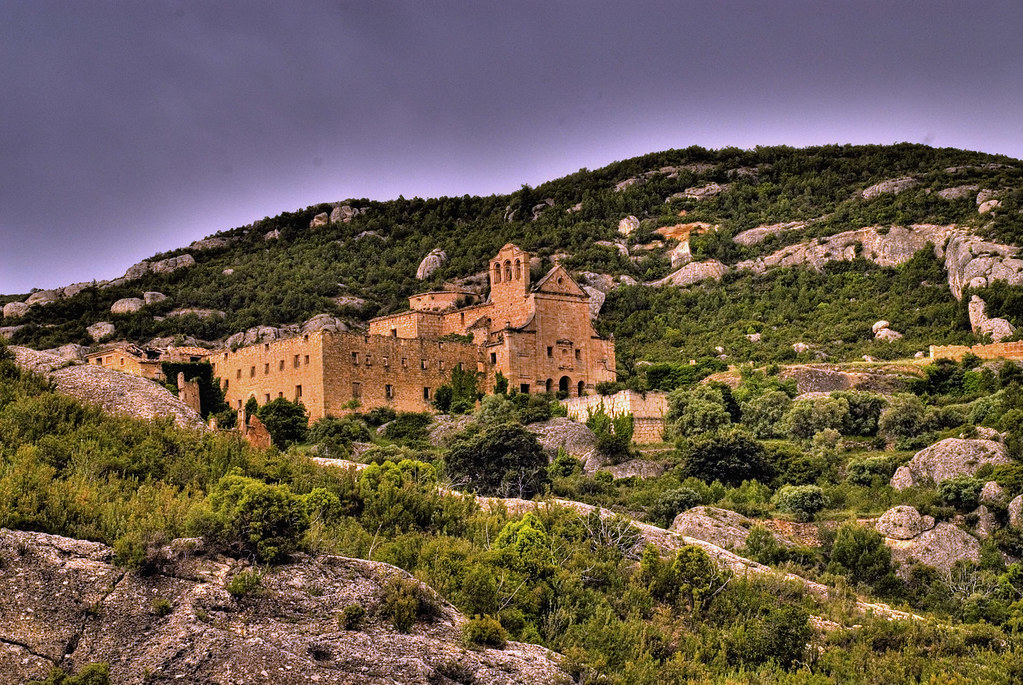
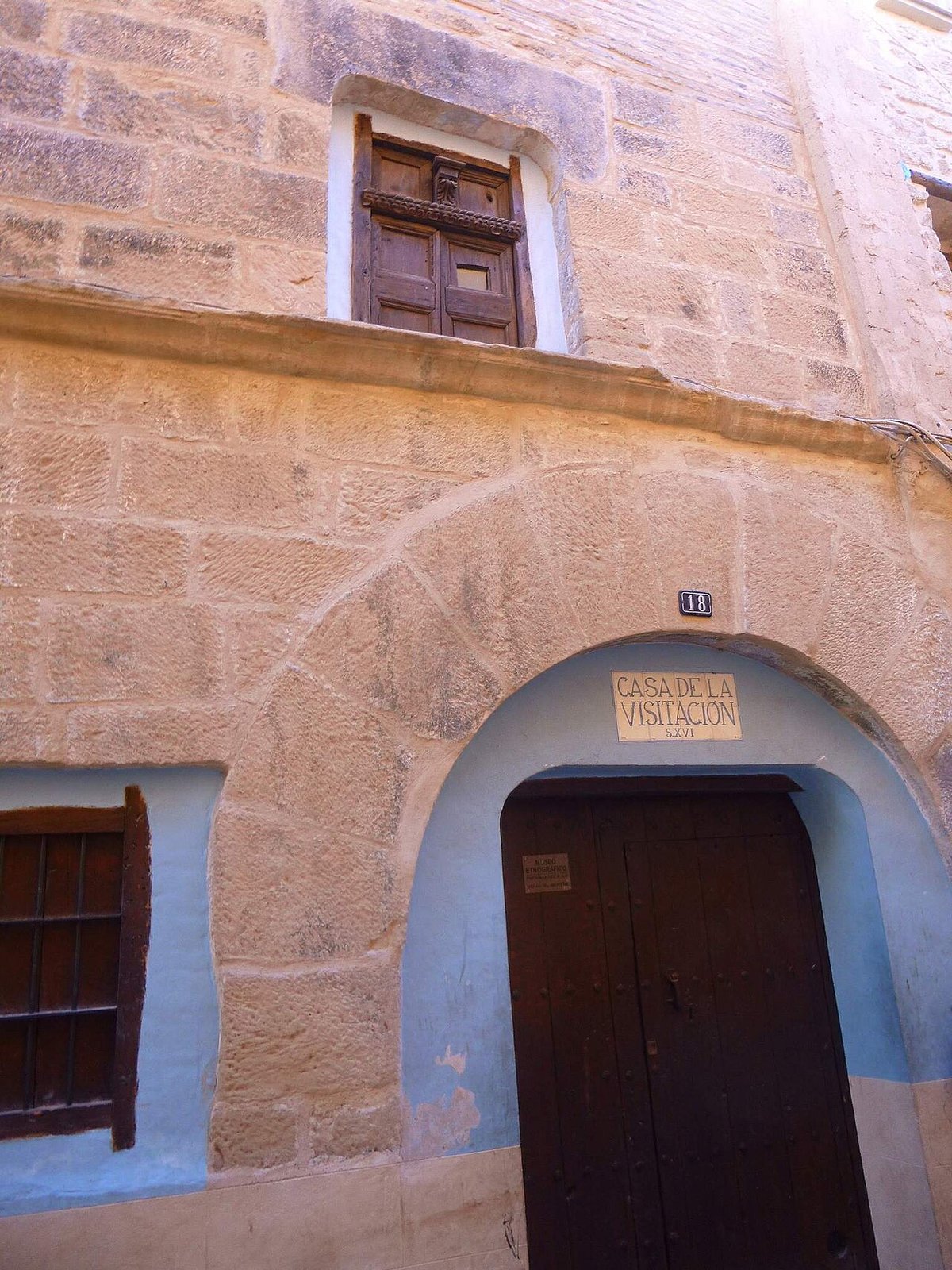
Seventy-three people are on the municipal roll today, though you’ll rarely spot more than half that number at once. Many keep second flats in coastal Castellón, returning only when the plain below becomes unbearable. Their stone houses, some four centuries old, huddle round the modest tower of San Roque like survivors of a long siege. Walls are a metre thick, windows are postcard-narrow and every chimney is stubby: built for snow load, not for show. Step inside one that’s been converted to a rental and you’ll find Wi-Fi that works only by the kitchen window and a pellet stove that eats €4 of fuel a night. Bring slippers – the flagstones suck heat out of socks faster than a Glasgow bathroom in February.
Getting up, getting round
The road from Teruel twists for 35 km through forests of wild pine, climbing 900 m on the way. In March the tarmac can still be ribboned with black ice; July brings suicidal goats that wander down from the crags to lick the grit. There is no railway, no daily bus and, crucially, no petrol station once you leave the A-23. Fill the tank in Mora de Rubielos and withdraw cash there too – Gúdar’s lone ATM swallowed a German card last winter and nobody has come to fix it yet. A taxi from Teruel will cost about €50 if you book the day before; otherwise you walk, which is what everyone did until the 1960s and, frankly, what the village still expects.
The Sierra at your boot tips
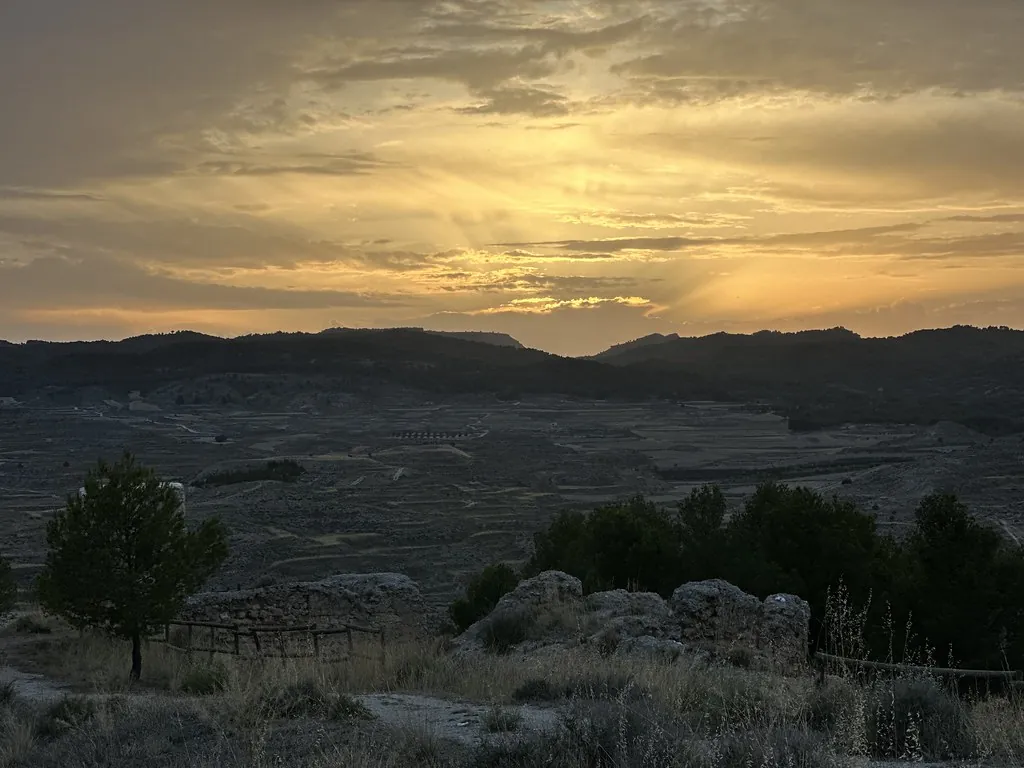
From the upper cemetery a dirt track heads north-east towards Pico Peñarroya, the province’s roof at 2,028 m. The climb is 11 km out-and-back with 550 m of ascent – strenuous enough to make you think about the lamb you ate last night, gentle enough to finish before lunch. On clear days the view stretches south to the turquoise tile roofs of Teruel and north to the Maestrazgo, a saw-edge of empty ridges that looks like the Scottish Cairngorms transplanted into a spaghetti western. Spring brings bright green meadows loud with cowbells; October replaces them with chestnut husks that crack underfoot like brittle plastic. The path is way-marked but mobile coverage vanishes after the first kilometre; download the track before you set off.
If that sounds too heroic, follow the valley ring instead: a 5 km loop that stays between 1,500 m and 1,650 m, skirting pine plantations and the odd stone hut whose roof collapsed under snow decades ago. Roe deer watch from the undergrowth; wild boar diggings scar the verge. You might meet Ángel, a retired shepherd who walks the circuit each morning with two unleashed mastiffs. He’ll tell you, in a dialect thick enough to slice, that the last wolf was shot in 1952 – then add that his cousin heard one howl two winters back. Believe what you like; the dogs clearly do.
Winter rules
Between December and March the village often sits above the snowline. The council clears the main street, but don’t expect grit on the lane to your apartment. This is not a ski resort: there are no lifts, no hire shops, no mulled-wine stalls. What you get instead is free Nordic terrain. Strap on touring skis at the church door and you can reach the Peñarroya ridge in two hours, descending through silent forest that belongs to you alone. Snowshoes work too – local farm supplier Juncosa in Mosqueruela rents them for €15 a day, half the price of Sierra Nevada. Nights drop to minus twelve; pipes freeze. Confirm that heating is included in your rental price – some owners charge pellet refills at cost, others sting you €8 a sack.
What lands on the plate
Mountain calories are taken seriously. Breakfast might be churros dipped in thick hot chocolate at Bar Deportivo, the only café that keeps winter hours. By two o’clock the smell of roast lamb drifts from Casa Marín’s kitchen: ternasco de Aragón, milk-fed joints cooked slow until the fat turns nut-brown, served with proper chips rather than the under-seasoned cubes you find nearer Madrid. Vegetarians get a look-in via setas a la plancha – chanterelles or milk-caps sautéed with garlic and parsley, though you’ll still have to specify sin jamón or the chef will scatter ham by reflex. Pudding is usually pijotas, tiny local apples baked with honey from hives that sit at 1,400 m; the flavour is sharp, almost cidery, and the honey costs €9 a jar at the counter. Wine comes from the Jiloca valley, garnacha-heavy reds that taste like a lighter, peppery Rioja and slide down dangerously fast after a day on the hill.
When the village throws a party
Go in mid-August if you want noise. The fiestas de San Roque last three days: mass with a brass band, a paella for 200 cooked in the square, and a disco that finishes at six in the morning. The population swells to perhaps 400 – second cousins who now live in Zaragoza, grandchildren flown in from Barcelona – and the single baker runs out of bread by ten. September brings the Trashumancia, a gentle replay of the ancient sheep drive: two dozen churro lambs are walked through the streets, bells clanking, while elderly men argue about the route the herds used before the tarmac went in. December is the opposite end of the scale: a handful of teenagers tour the houses singing aguinaldos, medieval carols that pre-date the Reconquista. They expect coins, not notes, and will politely refuse anything larger than a euro.
The honest verdict
Gúdar is not pretty in the postcard sense; it is too weather-beaten, too obviously still working out how to survive. The bar shuts on Mondays, the mobile signal is fickle and you will smell wood smoke in your clothes for days after you leave. Yet if you want Spain without the stage set – a place where the altitude thins the crowds and the night sky still looks properly black – this high, stubborn village delivers. Come with a full tank, a downloaded map and a tolerance for early nights. Pack an extra jumper too: the wind that rattles the pines has been practising for centuries, and it always wins.