Full Article
about La Iglesuela del Cid
Ocultar artículo Leer artículo completo
A Hidden Gem That Stole My Heart
After 25 years in Spain, I thought I'd seen it all. Then last autumn, whilst researching remote villages for a piece I was writing, I stumbled upon La Iglesuela del Cid. Perched at 4,025 feet in the rugged mountains of Aragón, this tiny village of just 357 souls has become one of my absolute favourite escapes. It's the sort of place that makes you question why you're still living in the hustle and bustle when such tranquillity exists just a few hours' drive away.
The name alone tells a story - "Iglesuela" means "little church," whilst "del Cid" honours Spain's legendary medieval hero, Rodrigo Díaz. But don't let the grand historical associations fool you; this is authenticity at its most raw and beautiful.
Life at the Top of the World
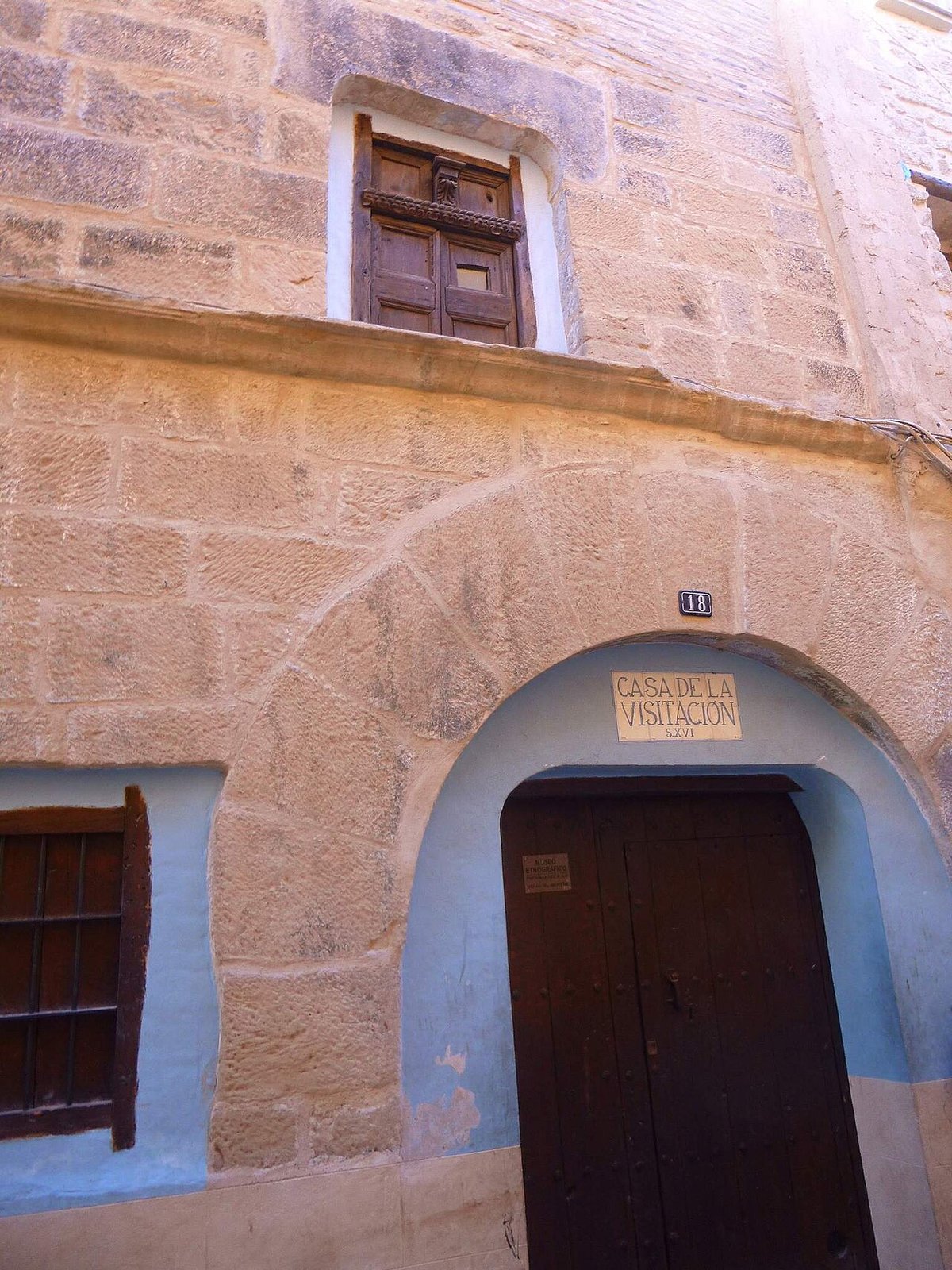
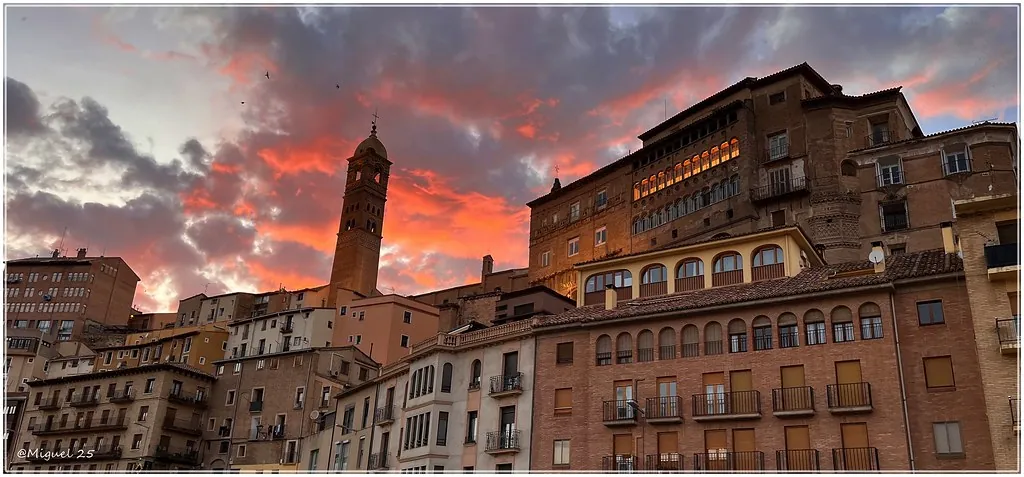
Arriving in La Iglesuela feels like stepping back in time, and not in that touristy, theme-park way. The village sprawls across a mountainside plateau, its honey-coloured stone buildings seemingly carved from the very rock beneath. At this altitude, the air is crisp and thin - bring layers, even in summer.
The pace here isn't just slow; it's practically stationary, and gloriously so. Morning mist clings to the surrounding peaks whilst church bells mark the hours in a rhythm unchanged for centuries. You'll find elderly villagers chatting in doorways, their conversations peppered with the distinctive Aragonese accent that can catch even us long-term Spanish residents off guard.
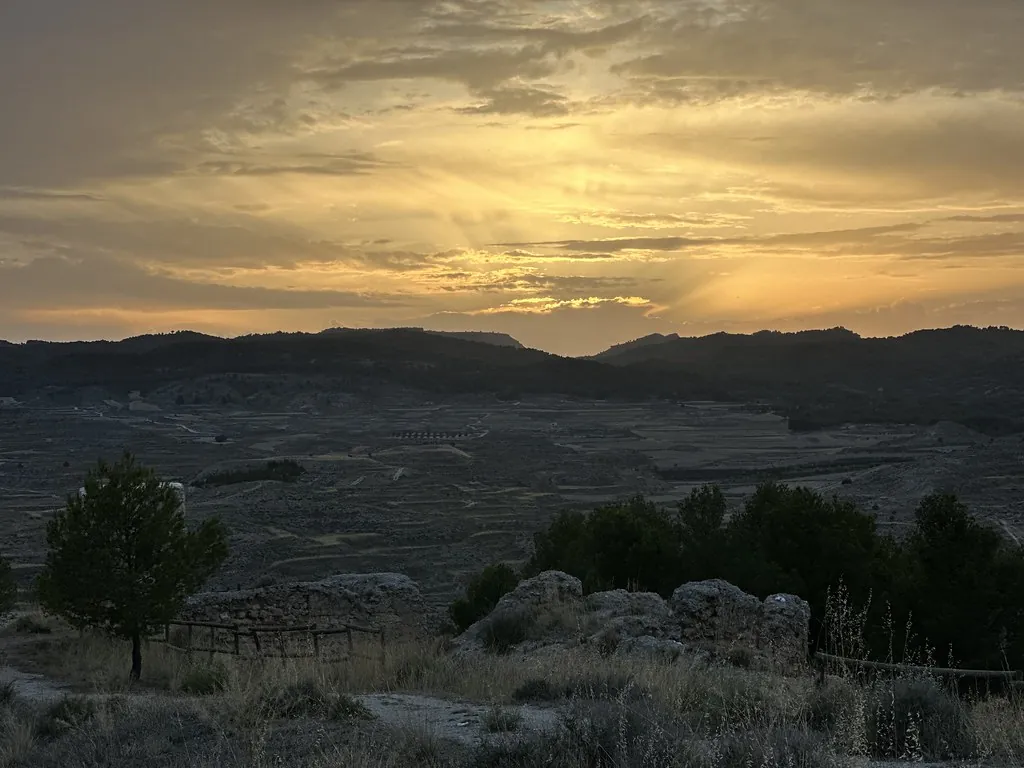
The silence at night is profound - the sort of proper, countryside quiet that city folk have forgotten exists. On clear nights (which are frequent at this altitude), the star-gazing is absolutely spectacular. Light pollution simply doesn't exist here.
Medieval Treasures Worth the Journey
The village's crown jewel is La Lonja, a remarkably well-preserved medieval market hall that speaks to La Iglesuela's surprising historical importance. In the Middle Ages, this remote outpost was actually a significant trading post along mountain routes. The gothic arches and weathered stone tell stories of merchants and muleteers who once brought life and commerce to these heights.
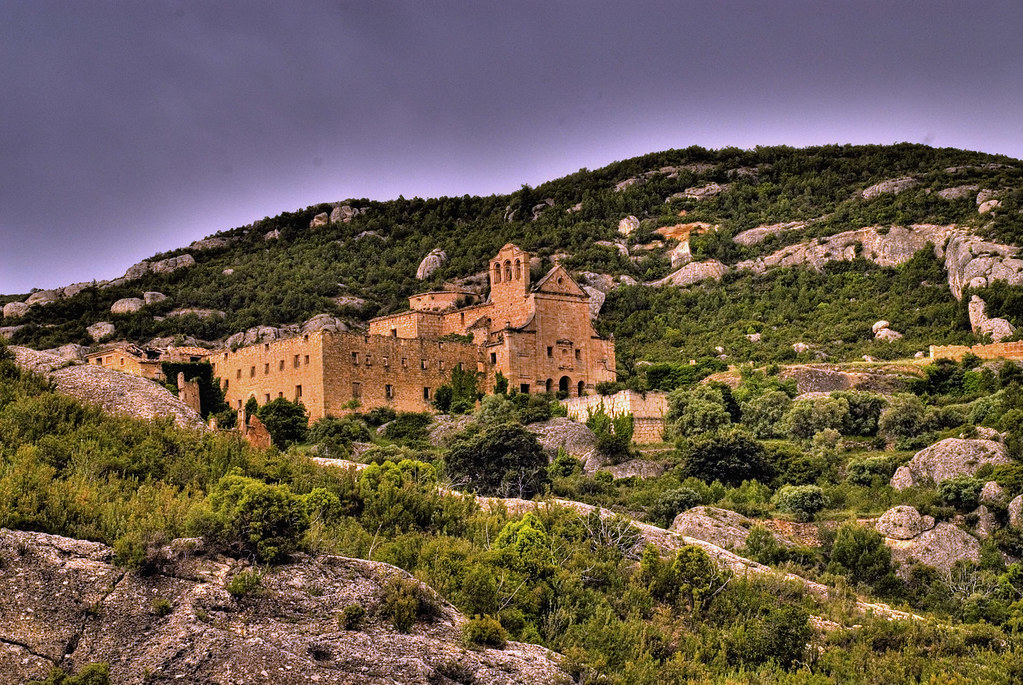
The castle ruins, though modest, offer breathtaking panoramic views across the Aragonese mountains. It's a steep scramble up - wear proper walking boots - but the vista rewards every huffing step. On clear days, you can see for miles across a landscape that hasn't changed much since El Cid's time.
The parish church, whilst simple, contains some lovely baroque altarpieces that somehow survived Spain's tumultuous history intact. The local priest, if you're lucky enough to meet him, is a walking encyclopaedia of village lore and can regale you with tales that bring these old stones to life.
Where Locals Eat and Drink
Dining options are limited but authentic. The village has one restaurant, Casa Rural El Mirador, which doubles as the social heart of the community. The owner, María José, serves hearty mountain fare - think slow-cooked lamb stews and robust bean dishes that warm you from the inside out.
If you visit during truffle season (November to March), you're in for a treat. The surrounding oak forests hide some of Aragón's finest black truffles, and María José knows how to showcase them properly. Her truffle scrambled eggs are legendary among those in the know.
The village bar, El Rincón, serves decent tapas and is where you'll find the locals settling in for evening dominoes matches. Don't expect craft beer or fancy cocktails - this is Mahou territory, and all the better for it.
Stock up on provisions before you arrive, though. The village has a tiny shop with basics, but for anything beyond bread, eggs, and tinned tomatoes, you'll need to plan ahead or drive to the larger town of Mosqueruela, about 20 minutes down the mountain.
The Essential Practicalities
Let me be blunt: you absolutely need a car for La Iglesuela del Cid, and preferably a small one. The access roads are genuinely challenging - narrow, winding mountain routes that demand respect. I've driven Spanish mountain roads for decades, and these still make me concentrate. In winter, they can become impassable without snow chains.
The nearest train station is in Teruel, over an hour away, and bus services are practically non-existent. Public transport to villages like this simply doesn't exist in any meaningful way, so car rental isn't just recommended - it's essential.
Spring and autumn are ideal visiting times. Summer can be surprisingly cool due to the altitude, but it's also when the village sees its modest influx of Spanish tourists seeking mountain respite. Winter brings snow and potential road closures, though if you can manage it, the village wrapped in white is utterly magical.
A Word on Accommodation
Options are limited but characterful. Casa Rural El Mirador offers simple, clean rooms with mountain views that'll take your breath away. Book well ahead - with only a handful of rooms available, this isn't a place you can arrive at on spec.
For those considering a longer stay or thinking about the Spanish property market, La Iglesuela occasionally has village houses for sale at prices that would make London estate agents weep. Just remember - buying rural property in Spain requires good legal advice and realistic expectations about year-round living at altitude.
Why This Village Matters
La Iglesuela del Cid represents something increasingly rare - genuine, unvarnished rural Spain where tourism hasn't yet sanitised the rough edges. It's challenging to reach, limited in amenities, and definitely not for everyone. But for those seeking authentic mountain tranquillity and a glimpse of Spain's medieval soul, it's absolutely magical.
Pack your hiking boots, bring a good book, and prepare to rediscover what proper peace and quiet actually feel like. Just remember to check your travel insurance covers mountain activities - those castle ruins won't explore themselves, and the terrain demands respect.
Sometimes the most rewarding destinations are the ones that make you work for them. La Iglesuela del Cid is definitely one of those places.