Full Article
about Los Olmos
Ocultar artículo Leer artículo completo
The church bell strikes noon, and nothing moves. Not a soul emerges onto Calle Mayor. Even the swallows have fallen silent, seeking shade beneath the terracotta roof tiles. Los Olmos suspends itself in the heavy August heat, 868 metres above sea level, waiting for the sun to tilt westward.
This is village life stripped bare. No souvenir shops. No tour buses. Just 260 souls living at their own pace in a scatter of stone houses that have weathered centuries of Aragonese winters. The place doesn't so much welcome visitors as tolerate them, which paradoxically makes it more appealing than any number of purpose-built resorts.
Stone, Sky and Silence
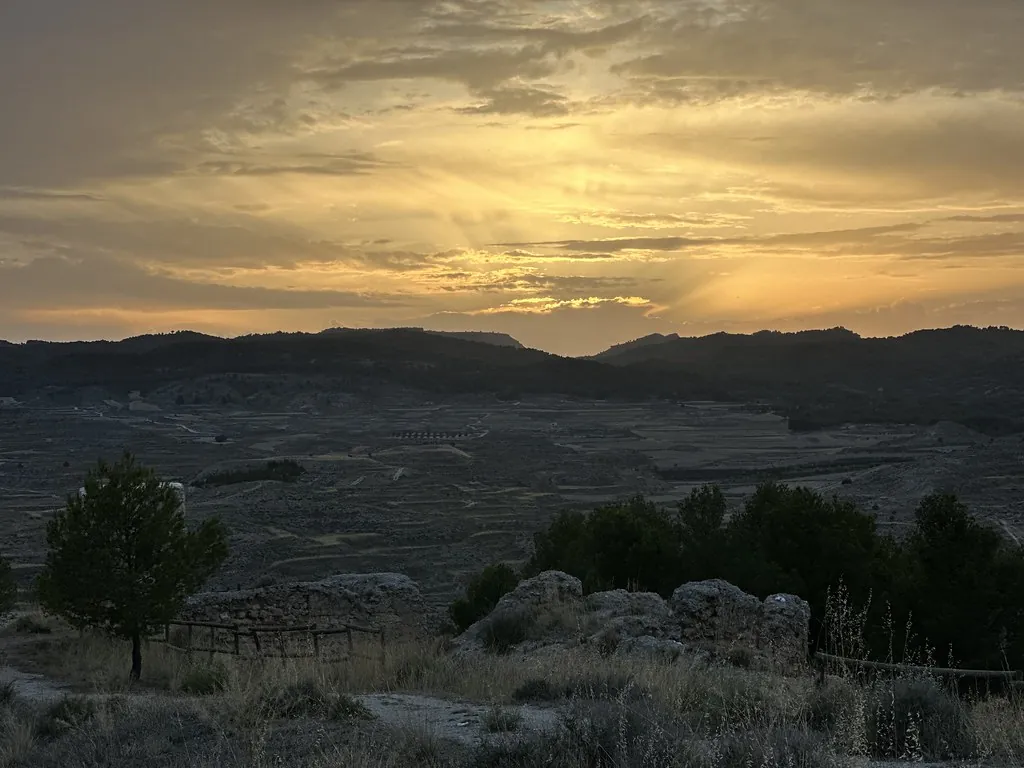
The approach tells you everything. From Zaragoza, the A23 motorway deposits you onto the N211, then smaller roads that twist through cereal fields until the village appears, clinging to a ridge that drops away into the Barranco de Val de la Sabina. Park where the tarmac ends. Everything beyond is foot-only territory.
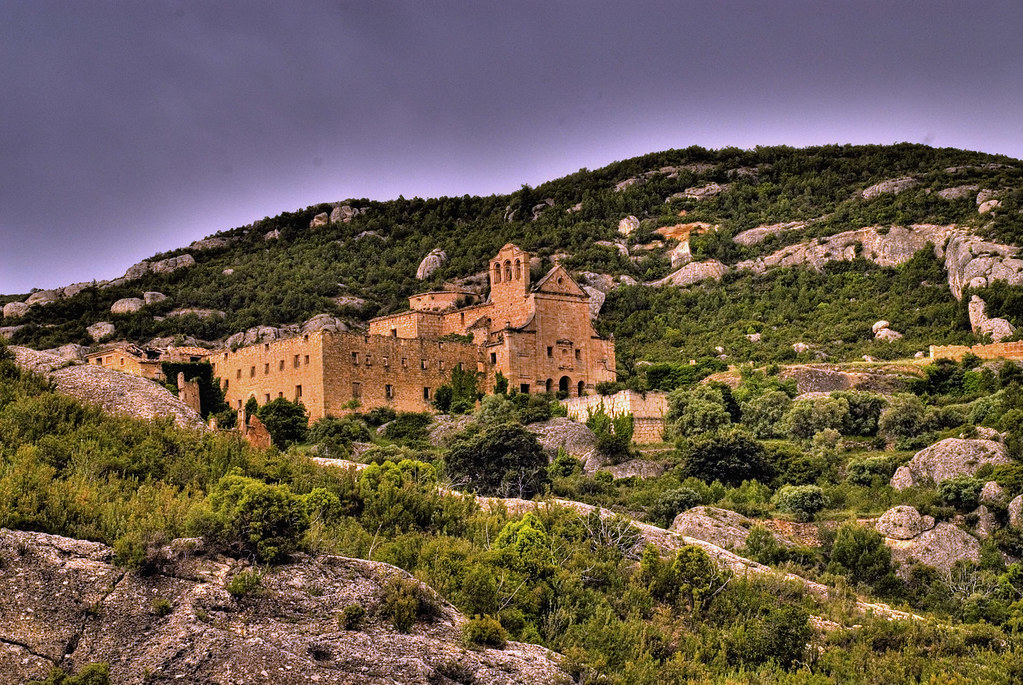
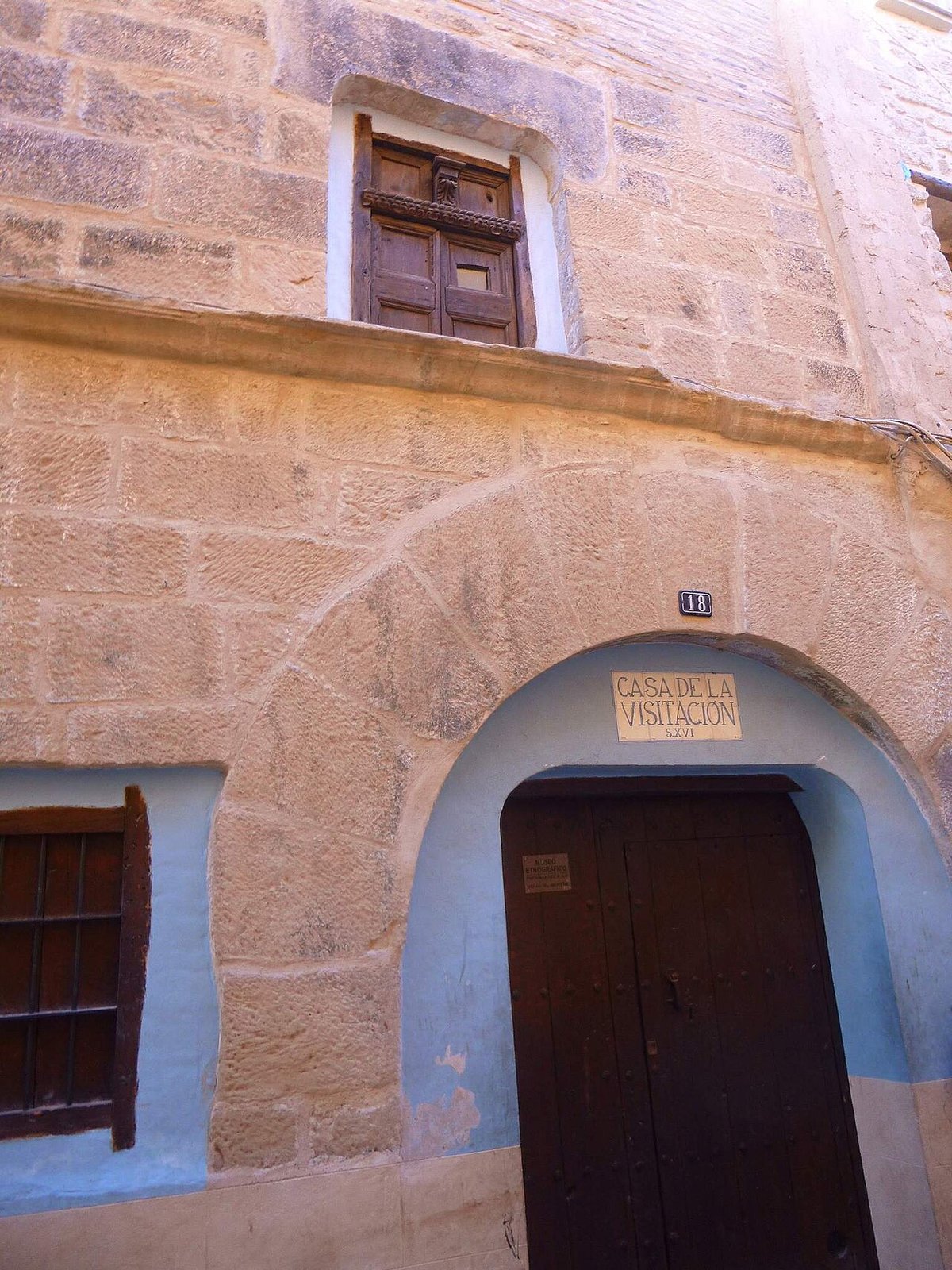
The stone here isn't the honey-coloured stuff of Andalusian fantasies. It's grey, practical, extracted from local quarries and laid without ornamentation. Houses rise directly from the bedrock, their walls two metres thick in places. Windows are small, framed by solid timber beams that have turned black with age. These buildings weren't designed to impress photographers; they were built to survive.
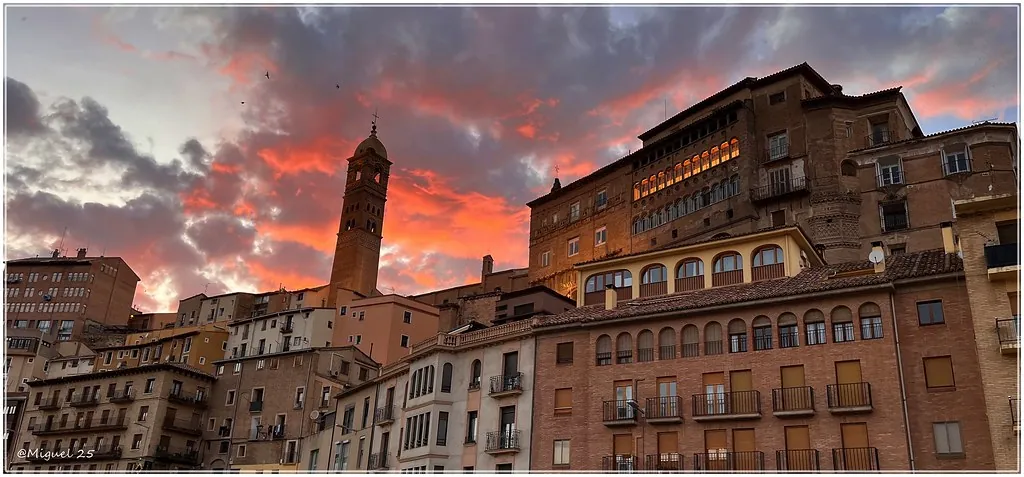
At the centre stands the Virgen de la Asunción church, its masonry walls showing centuries of repairs where frost and heat have taken turns attacking the mortar. The facade carries no grand statements, just a simple bell tower that serves triple duty as timekeeper, weather vane and mobile phone mast support. Inside, the temperature drops ten degrees. Light filters through alabaster windows onto pews that bear the polish of generations.
Walking Without Purpose
Los Olmos rewards those who abandon itineraries. The GR90 long-distance path passes nearby, but that's for the earnest types with walking poles and heart-rate monitors. Better to follow the old service tracks that radiate from the village like spokes. One leads to the abandoned cortijo of Los Llanos, its roof long since collapsed but walls still standing stubborn against the maquis. Another drops into the Val de la Sabina, where vultures ride thermals above strata that record 200 million years of geological indifference.
Spring brings colour to these tracks. Wild thyme carpets the ground between almond trees, their blossom creating sudden snowstorms of white petals. By late May, the cereal fields have turned emerald, contrasting sharply with the dark green of Aleppo pines that colonise the north-facing slopes. Come October, the same landscape shifts to bronze and umber, the harvested wheat stubble providing easy walking underfoot.
The village sits on the cusp between Spain's central plateau and the Iberian mountain system. This transitional geography creates microclimates within walking distance. South-facing slopes support holm oaks and aromatic shrubs; turn a corner and you're among Scots pines and heather. Geologists appreciate the exposed strata in road cuttings, where limestone and marl alternate like layers of an elaborate cake.
Food That Fuels Work
Local cuisine reflects altitude and attitude. This isn't delicate tapas territory. Portions arrive designed for people who've spent daylight hours moving rocks or herding goats. At Bar La Plaza, the only operating establishment during weekday lunchtimes, migas arrive in frying pans that could double as satellite dishes. The breadcrumbs, fried with garlic, peppers and chorizo, provide carbohydrate loading that would make a marathon runner weep.
Ternasco, young lamb roasted until the meat threatens to abandon the bone, appears on weekends. It's served with potatoes that taste of the earth they grew in, their skins blistered from the wood-fired oven. The wine comes from lower elevations, brought up by growers who understand that mountain vineyards produce grapes with more character than alcohol. Prices hover around €12 for a three-course lunch including wine, though nobody's counting calories or pennies.
Autumn transforms the menu when rainfall permits. Wild mushrooms appear in stews that have simmered since dawn. Local hunters provide wild boar, its flesh dark and sweet from a diet of acorns and mountain herbs. The village maintains traditional matanza practices, families gathering to slaughter a pig and transform every gram into chorizos, salchichones and morcilla. Visitors arriving during these November weekends might find themselves press-ganged into stirring blood for black pudding, an experience that clarifies exactly where food comes from.
When the Mountain Wins
Los Olmos doesn't always cooperate. Winter arrives early at this altitude, sometimes depositing snow in October that lingers until April. The road from La Puebla de Valverde becomes entertainingly treacherous, though locals in battered 4x4s treat ice with the same indifference they show to tourists clutching maps. January temperatures regularly drop below minus five; the stone houses that kept inhabitants cool in August become refrigerators that require constant wood-burning to maintain habitable conditions.
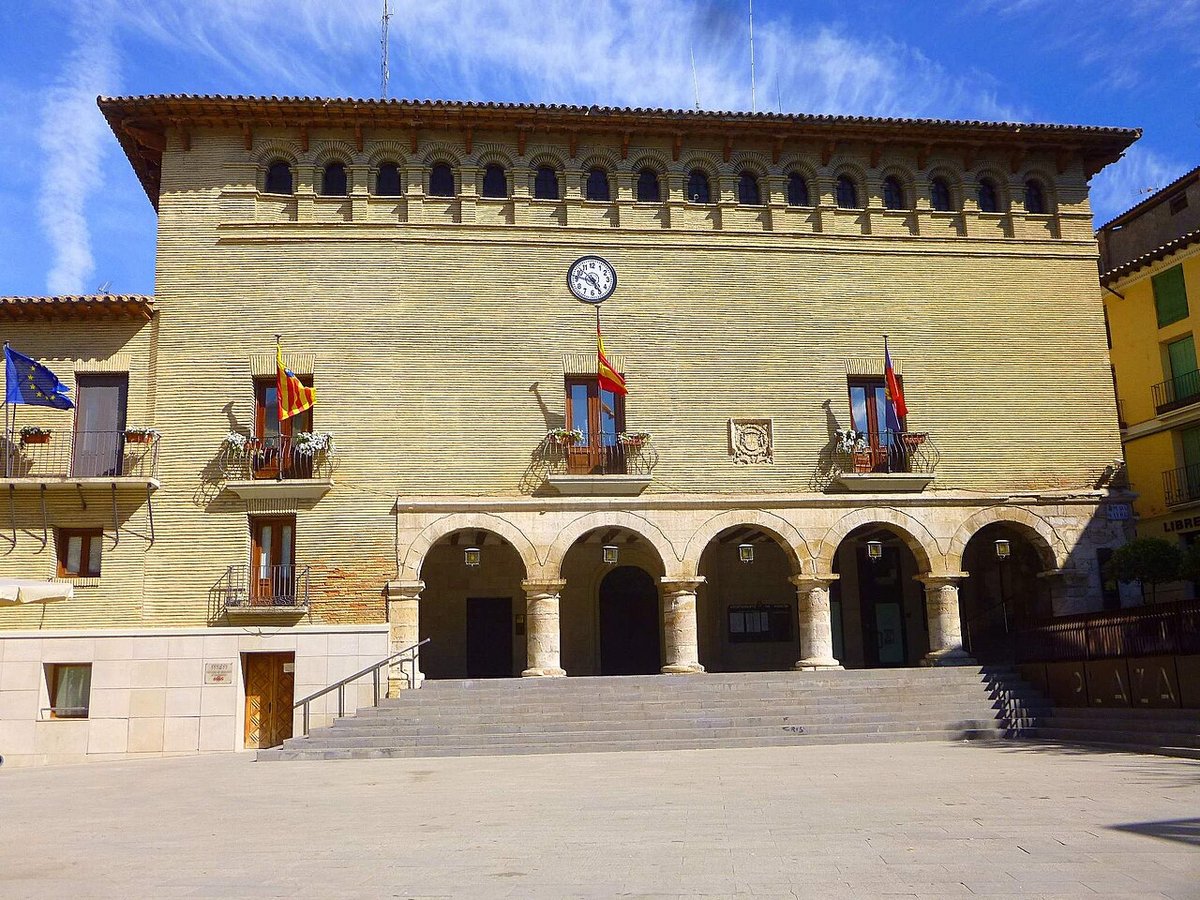
Summer presents the opposite challenge. Mid-July through August, daytime temperatures soar past 35 degrees. The sensible population adopts a split-shift existence: dawn activity, siesta through the furnace hours, life resuming after 6 pm when shadows stretch across the plaza. Foreign visitors attempting midday walks learn quickly why Spanish civilisation invented the siesta. Heatstroke is a genuine risk; carry water or discover why the village maintains a defibrillator in the ayuntamiento foyer.
Mobile phone coverage remains patchy, dependent on which way the wind blows the single mast. The nearest cash machine sits 18 kilometres away in Ojos Negros; Los Olmos operates on cash, favours and IOUs written on bar napkins. Accommodation options are limited to two rural houses, both requiring advance booking and neither offering services beyond clean sheets and spectacular night skies unpolluted by street lighting.
The Art of Not Missing Out
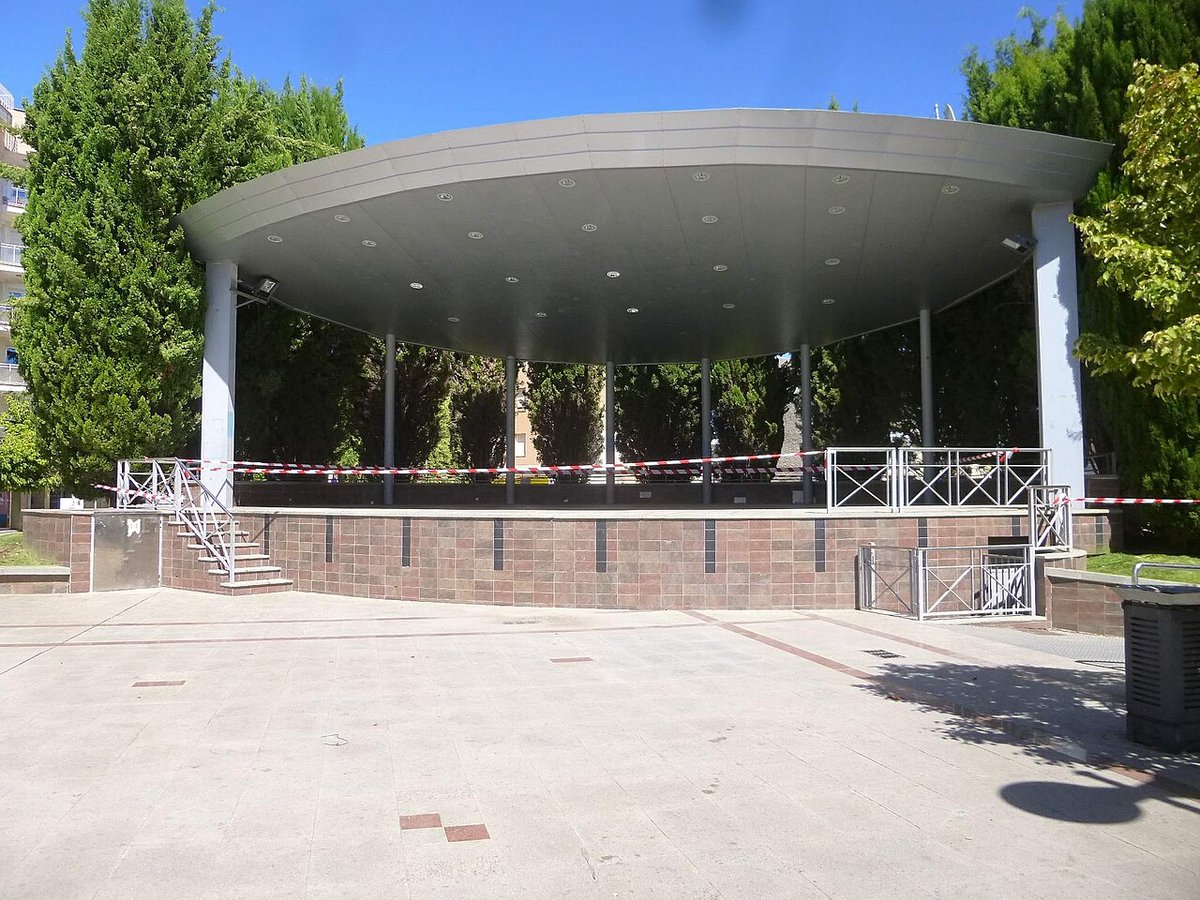
The village's fiestas honour the Virgen de la Asunción during the third weekend of August. This isn't a tourist spectacle but a homecoming. Emigrants who left for Zaragoza, Barcelona or London return with children who speak Spanish with regional accents. The plaza fills with generations dancing to bands that have played the same songs since 1975. Fireworks echo off the surrounding slopes at volumes that would trigger noise complaints anywhere else. For forty-eight hours, Los Olmos remembers what having a population of 500 feels like.
Outside these dates, the village rewards patience. Sit long enough in the plaza and life reveals itself. The baker arrives at 7 am, his van horn announcing fresh bread. By 8:30, elderly residents emerge for coffee and the first brandy of the day. The post office opens sporadically, depending whether Concha has driven down for supplies. Afternoons bring the rhythmic sound of someone chopping wood for winter stores, the metallic ring echoing off stone walls.
This isn't a destination for ticking boxes or capturing Instagram moments. Los Olmos offers something increasingly rare: permission to slow down to mountain time. The village won't change to accommodate visitors; it expects them to adapt to its rhythms. Those who do discover that 868 metres above sea level provides sufficient distance from modern urgencies. The bell tower keeps time, the stone walls provide perspective, and the surrounding emptiness creates space for thoughts that daily life usually crowds out.
Drive away as evening approaches. In the rear-view mirror, Los Olmos shrinks to a cluster of lights against darkening slopes. The silence you carry with you isn't absence but presence distilled. Somewhere up there, they're probably discussing tomorrow's weather, same as they have for centuries.