Full Article
about Morés
Ocultar artículo Leer artículo completo
The train whistle cuts across the Jalón valley at precisely 7:43 each morning, startling swallows from their nests beneath terracotta roof tiles. In Mores, this counts as rush hour. Three hundred souls inhabit this scatter of stone and brick houses, surrounded by vineyards that stretch towards horizons so wide they seem to bend with the earth's curve.
Working Town, Not a Stage Set
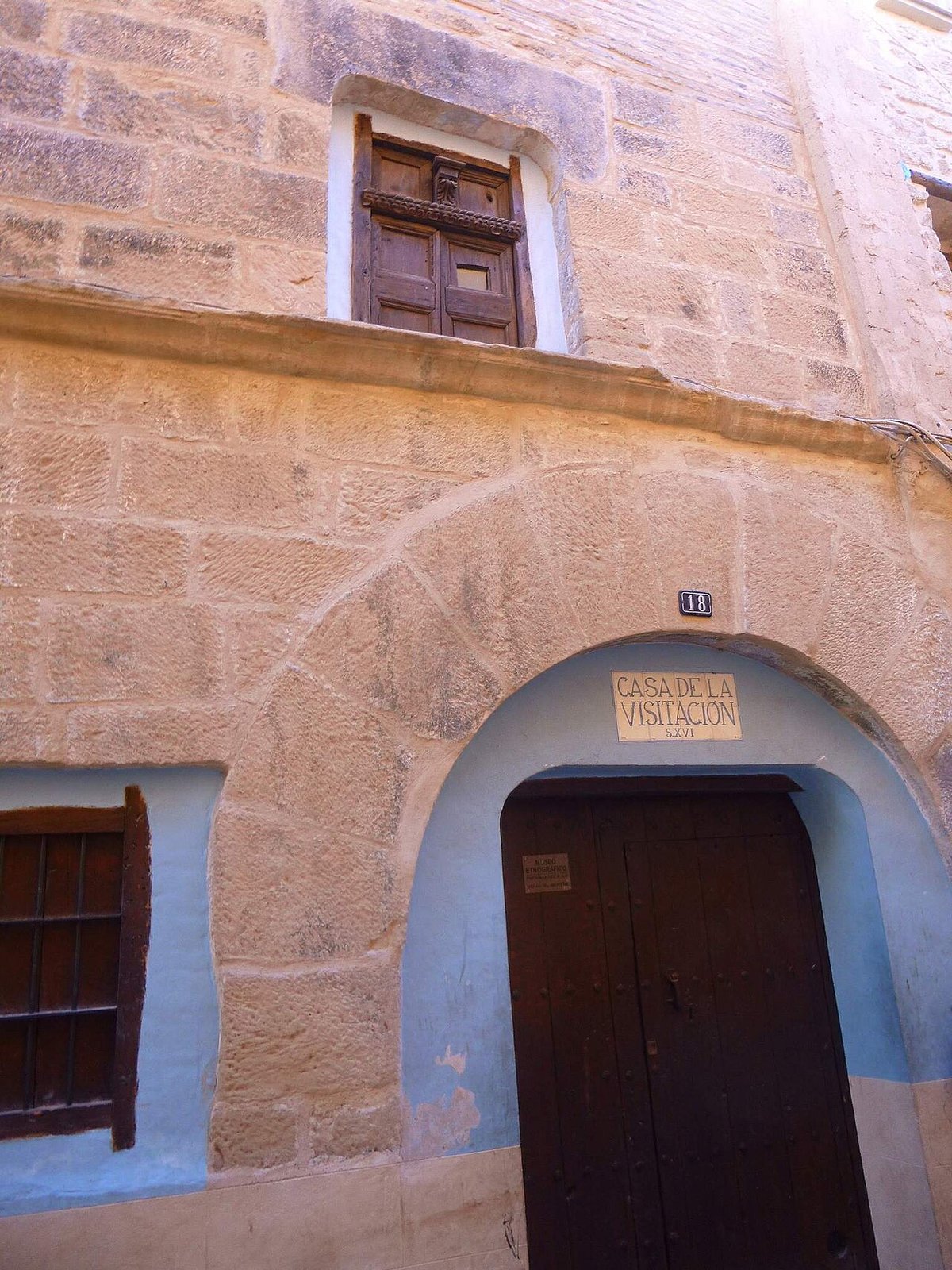
Mores won't win any prettiest-village competitions, and that's precisely its appeal. The main street reveals a patchwork of architectural honesty: a freshly painted ochre house sits beside another whose plaster flakes like sunburn, while someone's grandfather repairs a tractor beside a garage that doubles as the local gossip centre. This is agricultural Spain in its natural state, not manicured for visitors but continuing its centuries-old rhythm of soil, seasons, and grapevines.
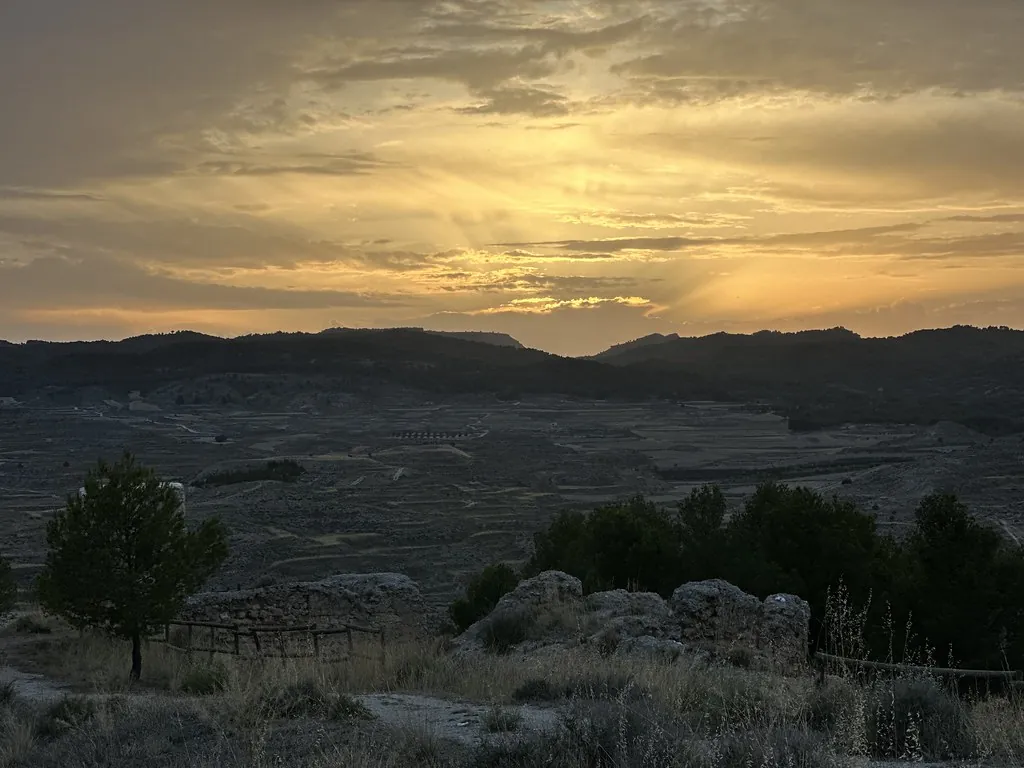
The village sits 550 metres above sea level on Aragon's central plateau, where continental climate delivers blazing summers and winters sharp enough to freeze the puddles. Spring arrives reluctantly in April, transforming the surrounding vineyards from skeletal brown to vivid green almost overnight. Autumn brings the real spectacle, when the vines turn bronze and crimson against soil the colour of rusted iron.
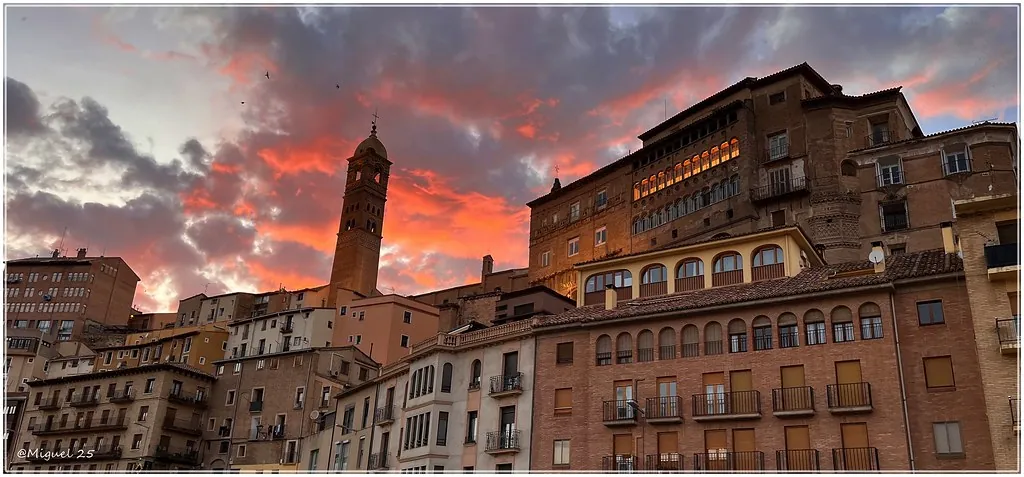
San Juan Bautista church dominates the skyline, its 16th-century tower visible from kilometres away across the rolling secano landscape. The building mixes late Gothic severity with practical Aragonese touches—thick walls designed to survive both Moorish raids and the fierce winter wind known locally as the cierzo. Inside, the air carries centuries of incense and candle wax, plus something else: the faint aroma of wine from barrels stored in the crypt during colder months.
The Geography of Wine and Wheat
Every road out of Mores leads through vineyards belonging to the Calatayud Denomination of Origin. Garnacha grapes dominate here, their gnarled trunks resembling arthritic fingers clutching the poor soil. The landscape lacks the romantic hills of Rioja or dramatic elevations of Priorat—instead, it offers something more honest: mile after mile of disciplined vines planted in strict rows, interrupted only by almond groves and the occasional stone hut where workers once sheltered from summer heat.
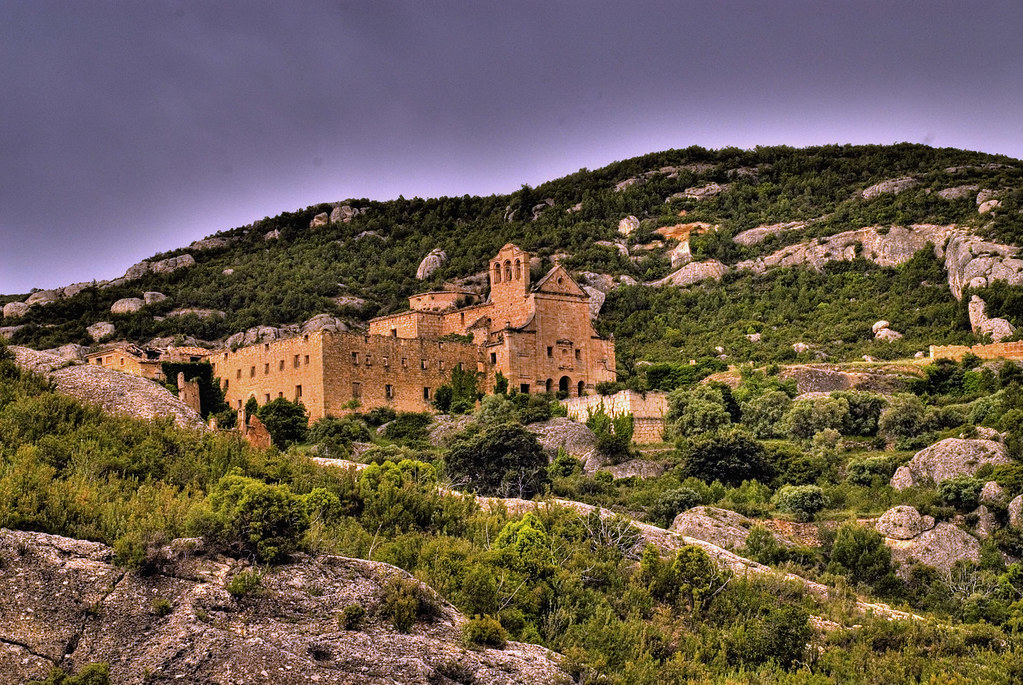
Walking tracks radiate from the village like spokes from a wheel. They're actually farm access roads, dusty and shadeless, following dry stone walls built by people who understood that every metre of land mattered. The GR-24 long-distance path passes nearby, but most visitors prefer shorter circuits: a two-hour loop southeast brings you to an abandoned ermita where storks nest in the bell tower, while heading northwest leads towards the ruins of a Roman villa where locals still find pottery shards after heavy rain.
Birdwatchers should temper expectations. This isn't Doñana or Extremadura—you won't spot imperial eagles or glossy ibis. Instead, bring binoculars for the subtle pleasures of Spanish agricultural birds: crested larks performing their peculiar song flights, little owls perched on electricity poles at dusk, and during migration periods, flocks of honey buzzards riding thermals above the valley.
Practical Realities
Getting here requires commitment. From Zaragoza, take the A-2 towards Madrid for 70 kilometres, then exit towards Calatayud. The final 20 kilometres wind through increasingly smaller roads until the N-234 deposits you at Mores' single traffic light. Total journey time: ninety minutes if you miss the Calatayud ring road confusion, two hours if you don't. Public transport exists in theory—a twice-daily bus from Calatayud—but plan carefully or you'll spend an unintended night among the vines.
Accommodation options remain limited. The village has no hotel, though two houses offer rooms to let (expect to pay €35-45 nightly). Most visitors base themselves in Calatayud, twenty minutes away, where the four-star Hotel Calatayud provides proper facilities. Camping isn't officially permitted, though nobody seems to mind if you park a camper van discreetly near the sports ground.
The single bar opens at 7 am for workers heading to the fields and closes when the last customer leaves, usually around midnight. They serve coffee that could wake the dead and basic tapas: migas (fried breadcrumbs with chorizo), local cheese, and during autumn, setas (wild mushrooms) gathered from the nearby pine plantations. The menu del día costs €12 including wine—inevitably from the Calatayud DO, probably made with grapes grown within sight of your table.
When the Village Wakes Up
Mores transforms during its annual fiestas. Late June brings the San Juan celebrations, when the population quadruples as former residents return. Suddenly the quiet streets fill with children's laughter, elderly couples dance pasodobles in the plaza, and someone uncorks wine that's been ageing since last year's harvest. The August summer fiesta adds bull-running through specially erected barriers—though these are young bulls, more curious than dangerous, and the whole affair feels more community barbecue than Pamplona spectacle.
September marks the vendimia (grape harvest), when mechanical harvesters work through the night to beat incoming weather. Watch from the roadside as these strange machines straddle the vines, shaking grapes loose with rubber fingers. The air fills with the sweet, almost alcoholic smell of crushed fruit. Some families still harvest small plots by hand, their conversations carrying across the vineyards in the clear morning air.
Winter brings its own harsh beauty. When the cierzo blows—Aragon's notorious north wind—temperatures plummet and the village seems to huddle into itself. But clear days reveal the distant Moncayo massif, snow-capped and magnificent against blue skies. This is when locals retreat to their bodegas, those cave-like rooms dug into hillsides where wine ferments and legs of ham age slowly in the perfect conditions of constant temperature and humidity.
The train still passes twice daily but no longer stops—passenger service ended in the 1980s. Freight trains rumble through carrying Zaragoza-manufactured cars to Mediterranean ports, their mournful whistles providing Mores with its most regular soundtrack. Stand by the level crossing at sunset, watch the lights stretch across the darkening vineyards, and you'll understand why some places don't need to be beautiful to be unforgettable. They just need to be real.