Full Article
about Murillo de Gállego
Ocultar artículo Leer artículo completo
The 300-metre scarlet walls of the Mallos de Riglos rise like cathedral buttresses above a village that could fit inside a London borough twice over. Murillo de Gállego, population 197, sits 543 metres above sea level on a limestone bench where the river squeezes through the Pre-Pyrenean foothills. From here the land drops 200 metres to the water in less than a kilometre, meaning winter arrives early and lingers late. Snow can cut the upper streets off for days; in July the same altitude grants blissful coolness when Zaragoza swelters 45 minutes south.
Drive in from the A-132 and the GPS betrays you. The final kilometre corkscrews through stone cuttings barely wider than a Fiesta; wing mirrors kiss rock while the valley yawns below. Locals have watched countless hire cars reverse all the way to the ring road. Better to park by the football pitch and walk: the climb takes seven minutes, counts as a decent warm-up for the river, and saves the excess-waiver headache.
White-water that behaves itself
The Gállego river is the village’s second main street. Between March and October its flow is regulated by dams upstream, so rapids are predictable – no surprise floods, no trickling summers. Outfitters run half-day rafting trips (€45 adult, €35 child) that start two kilometres above the village and finish at the medieval bridge. Water temperature hovers around 14 °C; full wetsuits, neoprene socks and helmets are standard issue, child sizes included. British school groups account for a sizeable chunk of weekday bookings; instructors switch effortlessly between Spanish and Home-Counties English.
The real thrill isn’t the grade-II splash but the backdrop. You drift beneath Griffon vultures circling the Mallos, then bounce through the “Washing Machine” rapid with the cliffs reflected in the river. Guides will gladly sling a Go-Pro on a chest harness – bring a dry-bag for your own phone if you want the postcard shot. Trips end beside the old laundry slabs where village women once scrubbed sheets; hot showers are included, though by 5 p.m. the school coach parties have usually emptied the shampoo dispenser.
Kayak schools use the same stretch for rolling practice. Beginners start on the flat mill pond below the bridge; improvers head to the wave train at “El Cubo”. A two-hour lesson costs €30 including boat and splash jacket. If that sounds too energetic, rent a Canadian canoe (€25 half-day) and let the current carry you downstream for a picnic on the gravel bars. The river moves at walking pace – you could swim back faster, but you’d miss the kingfishers.
Stone, slate and the smell of woodsmoke
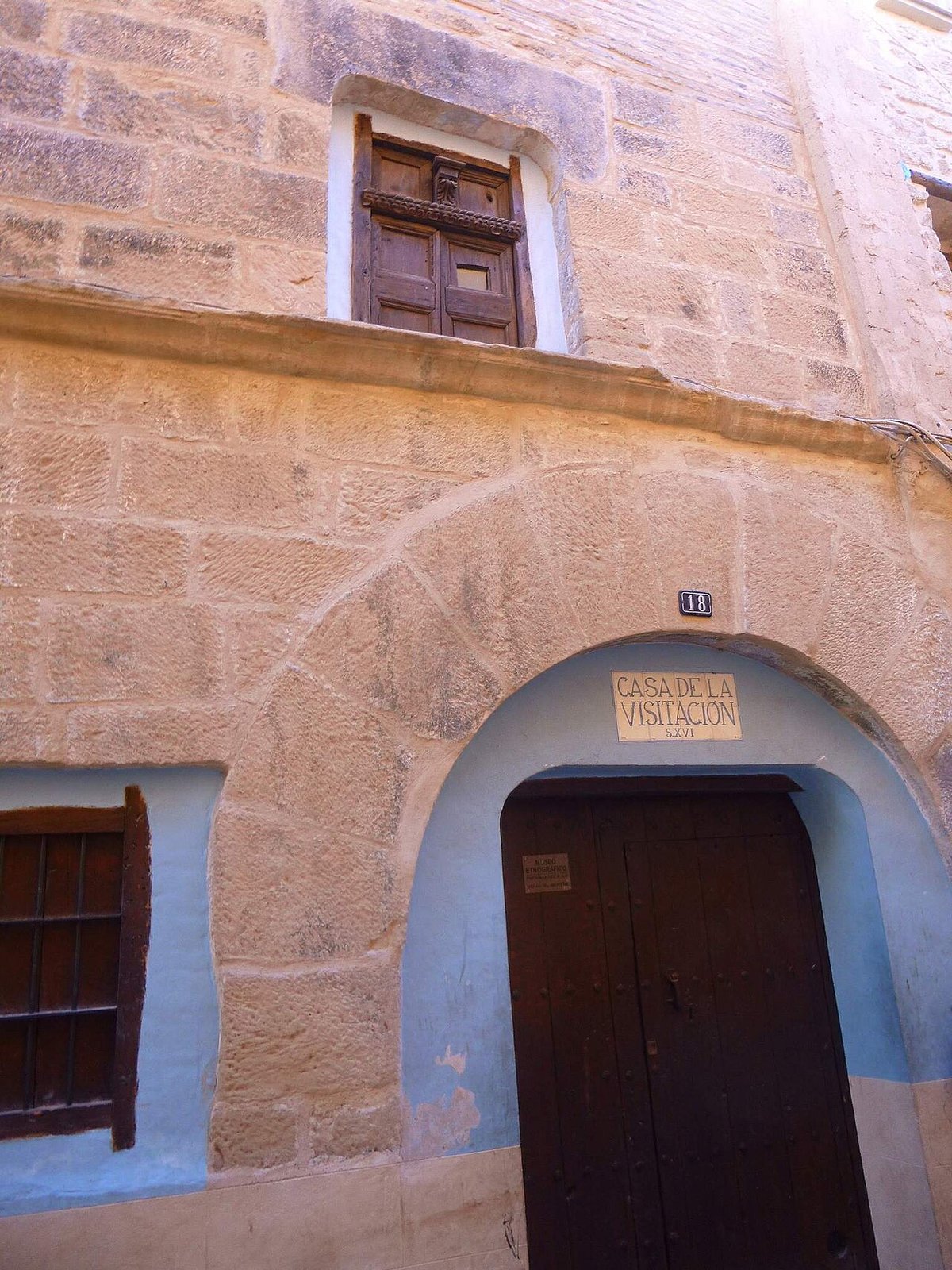
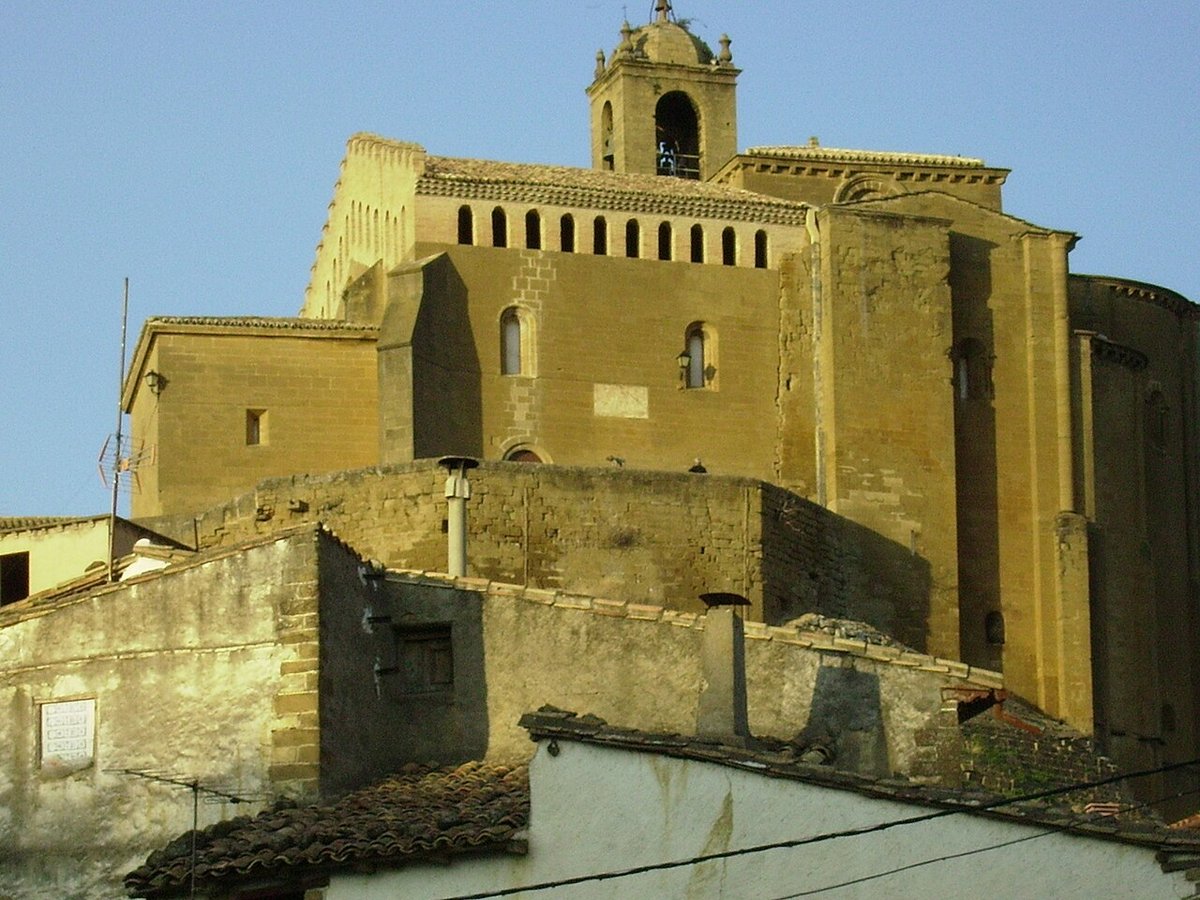
Away from the water Murillo reverts to an ordinary working village. Tractors clank past houses built from honey-coloured limestone; winter chimney smoke hangs in the cold air. The 16th-century parish church has no-name bells that clang the hours, and the carved Romanesque capital built into the south wall is easy to miss unless someone points. Narrow lanes double as drainage channels when thunderstorms burst over the ridge; after heavy rain the smell is wet earth and sage.
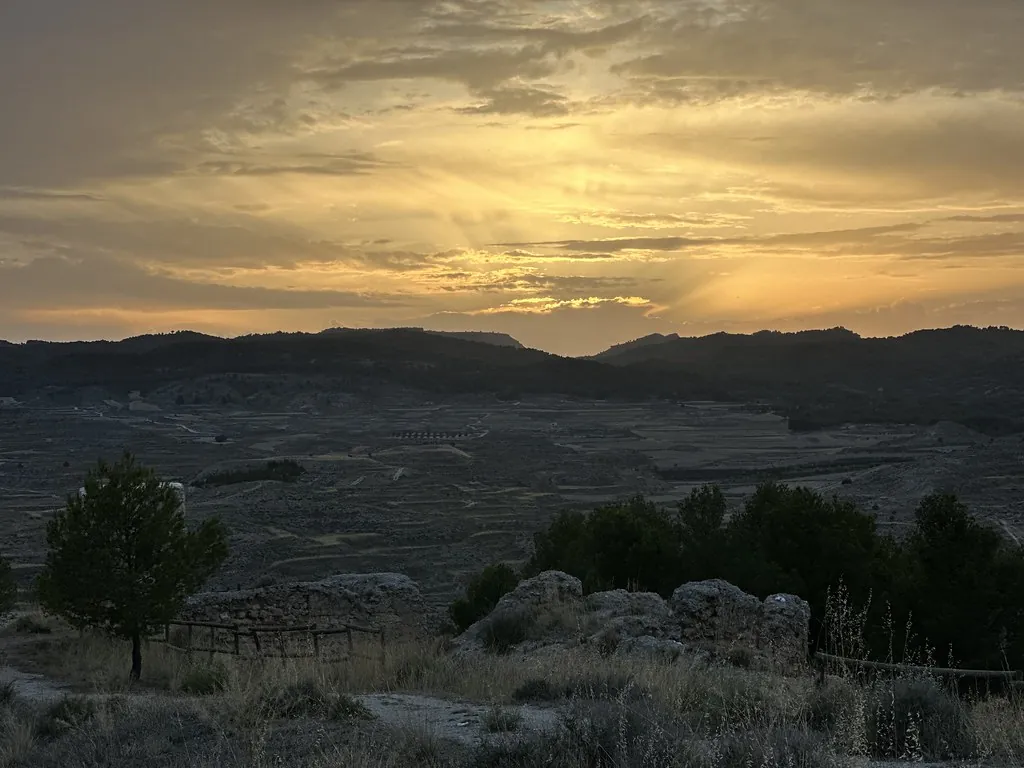
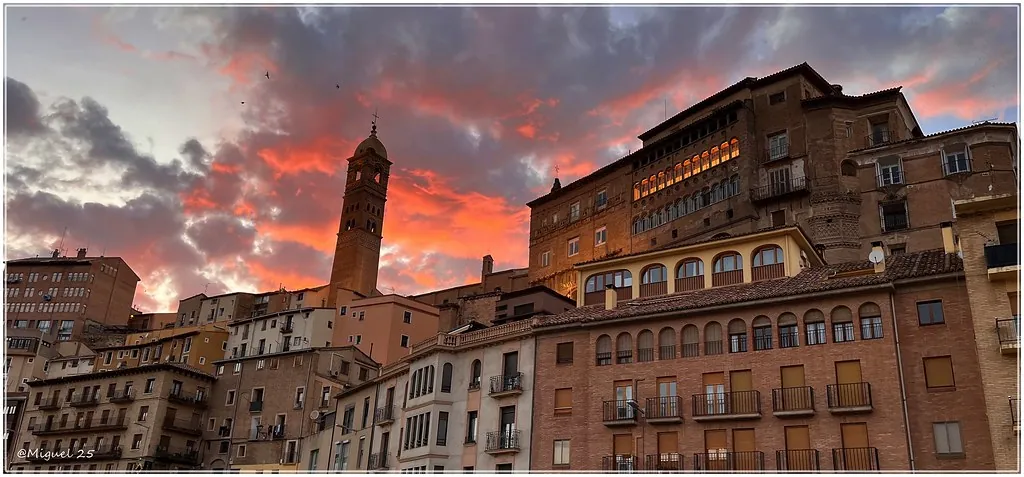
Several façades have been restored with EU money, but plenty still show the pock-marks of centuries. Look up and you’ll see stone gargoyles that are really drainpipes, timber galleries once used for drying ham, and iron rings where mules were tethered. A five-minute wander brings you to the mirador above the railway cutting: the view stretches across irrigated wheat terraces to the red teeth of Riglos, 10 km west. At dusk the cliffs glow brick-orange, then bruise-purple as the sun drops behind the Sierra de Loarre.
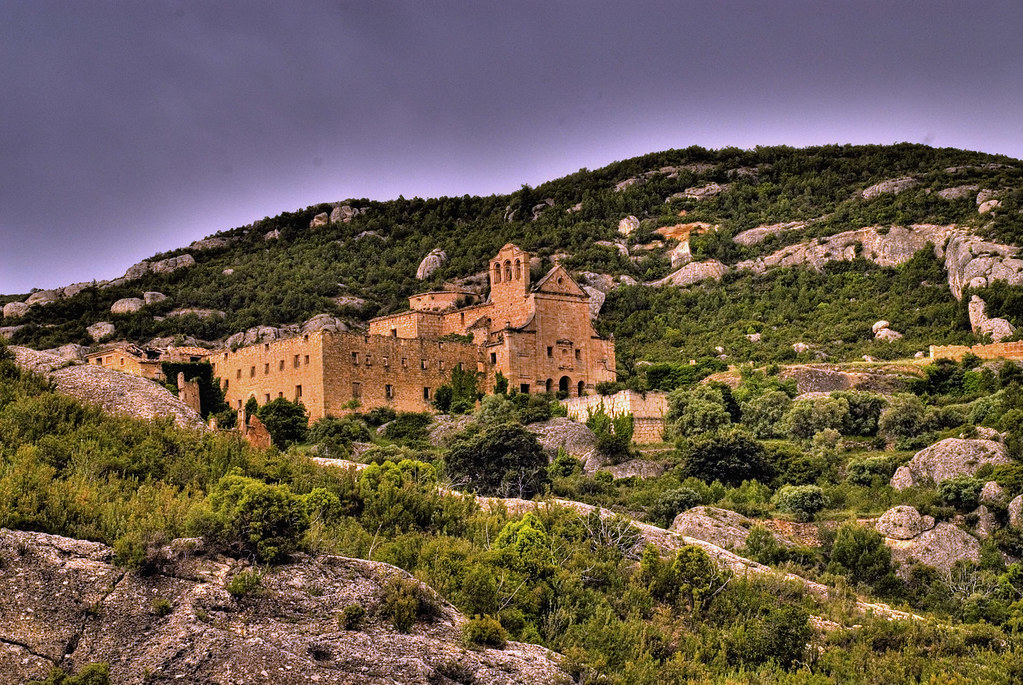
Walking trails strike out from the upper cemetery. The easiest is the 4-km loop to the abandoned village of Peña, a collection of roofless houses swallowed by brambles. Allow an hour, wear footwear with grip – the path follows an old mule track paved in smooth river cobbles. Longer routes climb to the col of La Pardina (two hours) where snow patches can linger until May; from there you look south across the Ebro basin, flat as the Fens, and north to the Pyrenean snowline.
What to eat and where to sleep
There are no supermarkets, cash machines or petrol stations. The nearest 24-hour ATM is 15 minutes away in Santa Eulalia de Gállego – fill wallets before you arrive. For food, locals shop the mobile van that parks by the church on Tuesday mornings; visitors rely on two bar-restaurants and the bakery, open weekends only.
Kedos Restaurante, tucked under the arcade on Calle Nueva, understands foreign appetites. They’ll serve a half-ration of slow-roch lamb shoulder (€14) that still defeats most solo diners. Migas – breadcrumbs fried with pancetta and grapes – arrive in a small iron pan with a glass of local Somontano red. House Rioja costs €2.50 a glass; locals dilute it 50/50 with lemon Fanta, a combination that horrifies until you try it on a 35-degree afternoon.
Accommodation is mostly self-catering apartments carved from stone stables. Two-bedroom flats sleep four and run €90–€110 per night, cheaper Sunday–Thursday. Casa Murillo throws in a wood-burner basket and views straight onto the Mallos; the trade-off is the steep lane to reach it. Campers use the municipal site by the river (€18 pitch, hot showers included) – shaded by poplars, lulled by water, and only three minutes’ stagger from the bar.
When to go, and when to stay away
April–June serves up green terraces, wild orchids along the tracks, and rafting water at its most exciting. May half-term fits perfectly with British school holidays before Spanish families swamp the river. September brings golden poplar leaves and grape harvest; the Aragonese come for the long weekend around the 8th, so book then or expect full campsites.
Winter is starkly beautiful – snow on the Mallos, woodsmoke in the streets – but access can be tricky. The regional government grades the last 3 km of access road: if it snows heavily chains are compulsory and the village shop shuts. Accommodation prices drop by half; some restaurants close altogether. Come only if you’re happy with solitude and have a vehicle that can handle 1-in-4 gradients on compacted snow.
August fiestas turn the place inside out. The population quadruples for three days of processions, open-air dancing and communal paella. Streets echo until 3 a.m.; if you want silence, choose another week. On the plus side, the village bakery opens daily and the local cooperative sells young red wine in plastic bottles for €2 a litre – perfect for washing down the dust of the trail.
Leave the car behind on departure and you’ll still find grit in your pockets a week later. That’s Murillo: small, steep, and honest about what it is – a scatter of stone houses held onto a hillside by vines and habit, with just enough river-borne adrenaline to keep the heart racing.