Full Article
about Olba
Ocultar artículo Leer artículo completo
At 659 metres, Olba sits just high enough for the air to feel thinner than the coast, but low enough for almond trees to survive. Dawn starts cold even in May; by eleven the stone houses give back the heat and the village smells of woodsmoke and river water. The population counter in the ayuntamiento window still reads 266, though that includes the handful of British climbers who have rented cottages for the season and the retired couple from Zaragoza who only appear at weekends.
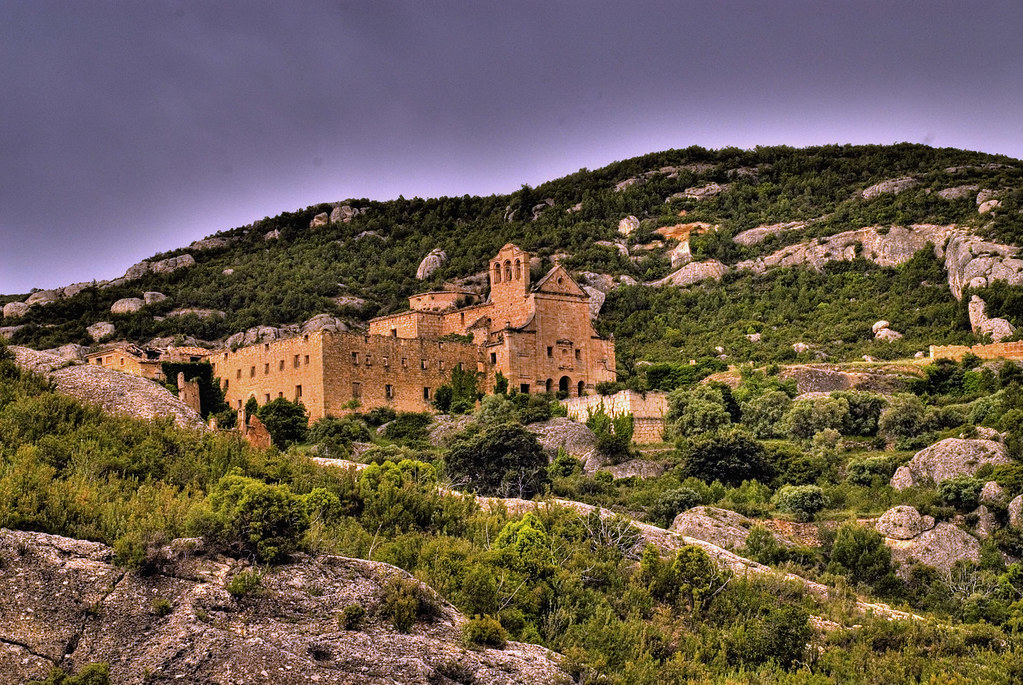
The village clusters along a single lane that follows the Mijares’ side gorge. Traffic is so light that dogs sleep in the road until the bakery van toots at nine. Above the roofs the Sierra de Gúdar rises in stepped pine and limestone, the rock the colour of burnt marmalade that has made the area a cult destination for anyone who owns a rope and a rack of quick-draws. Five hundred bolted routes are scattered across five separate crags; the nearest starts five minutes from the last house, the furthest is a twenty-minute walk along an old mule track. A free PDF guide lives behind the bar at El Mijares, but most climbers simply wander up, look for the chalk and start pulling down. Winter sun sectors stay warm until four in the afternoon – handy when the valley bottom is still scraping zero.
Stone, Water and a Church That Grew
Olba has never bothered with postcards. The parish church of San Millán squats at the top of the only pronounced slope, a thick-walled rectangle enlarged piecemeal since the 1500s. Its bell tower leans slightly south, the result of a lightning strike in 1872 that no one ever straightened. Walk around the back and you can see where masons simply butted new stone against old, the mortar lines wandering like drunk spiders. Inside, the air smells of candle wax and damp plaster; Sunday mass still fills every pew, though the average age would make a pension provider weep.
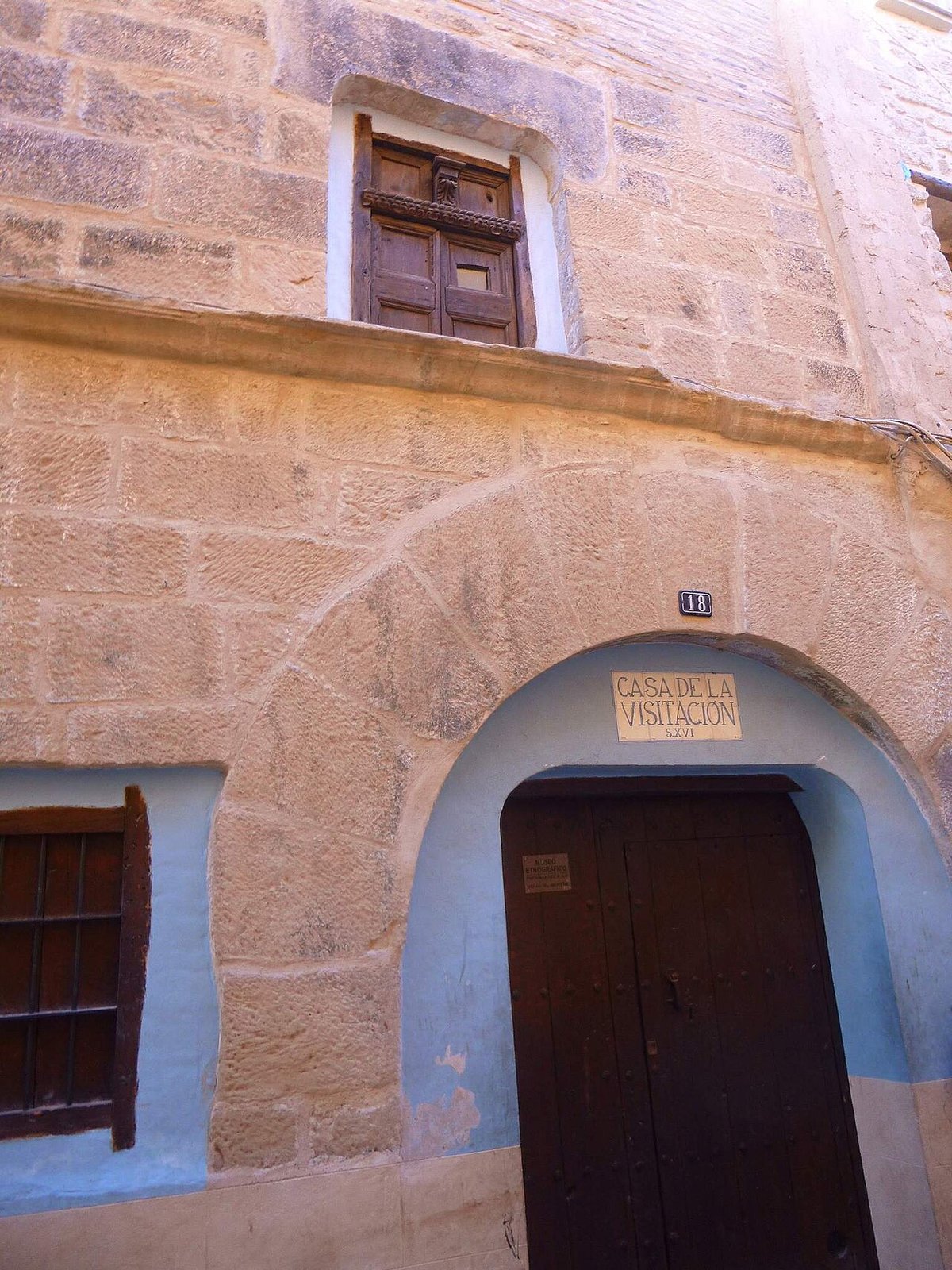
Below the church the houses are built straight onto bedrock. Timber doors hang on hand-forged hinges; many still carry the original house number painted in ox-blood red. Roof terraces are weighed down with old tractor batteries and rows of red geraniums that survive because someone remembers to water them when the owners are away in Teruel. There is no architectural unity, no carefully restored façade – just dwellings that have been patched, extended and lived in until they feel organic rather as if they were planned. The effect is quietly satisfying, like reading a book whose pages have been thumbed soft.
Eating (and Stocking Up) in One-Room Spain
El Mijares is shop, bar, restaurant, hotel and post office rolled into a single stone building on the only corner that qualifies as a square. The menu del día costs €12 and arrives on one plate: soup thick with chickpeas, followed by roast pork that collapses at the touch of a fork, then a square of lemon sponge the landlord’s wife baked at five that morning. Wine is decanted from a plastic barrel behind the counter; ask for “el tinto” and you get half a bottle whether you want it or not. Breakfast is a crusty roll sawn open and rubbed with tomato, a drizzle of local olive oil and a pinch of salt – simple, but after a dawn climbing session it tastes better than anything on the King’s Road.
Groceries require strategy. The supermarket shelf spans two metres and stocks UHT milk, tinned tuna and one brand of coffee. If you need fresh spinach, gluten-free pasta or anything that claims to be vegan, drive 28 km to Rubielos de Mora before you arrive. There is no cash machine; the nearest is inside a petrol station that closes on Sundays. Cards are accepted at El Mijares, but the terminal is older than the Crown Jewels and fails whenever the wind blows from the north. Bring notes, preferably twenties – the landlord’s float fits into a tobacco tin.
Walking, Riding and the Seasonal Colour Wheel
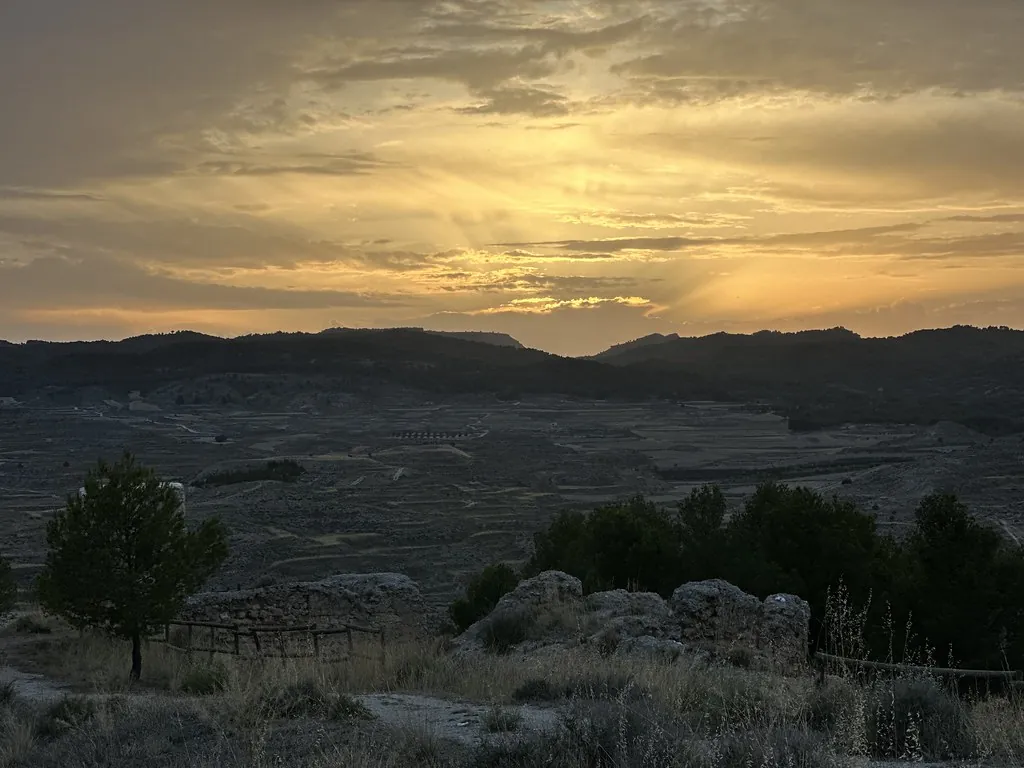
A way-marked path drops from the upper cemetery to the river in eight minutes, then forks: left follows the water to an abandoned electricity mill where kingfishers nest in the turbine housing; right climbs 300 metres to the Morrón ridge and a 360-degree sweep of pine, almond and scarlet escarpment. The full loop takes two hours, just long enough for the limestone to warm and release its herb scent – thyme, rosemary and something close to oregano that nobody can name. Mountain bikers use the same trails; tyre marks overlap hoof prints from the village’s last remaining shepherd who still moves forty goats along the gorge at dawn.
Spring arrives late. Snow can fall in March, but when it melts the almond blossom appears overnight, turning every slope white for exactly six days. Autumn is the money season: the maples in the ravines flare orange, climbers chalk up in T-shirts until dusk, and the bar extends its terrace so patrons can sit outside under a star field unpolluted by anything brighter than a tractor headlamp. Summer is hot – 35 °C at midday – but the gorge funnels a breeze that makes sleeping possible without air-conditioning. Winter is sharp: night temperatures drop to –8 °C, the rock sears fingers, and the single road out ices over before the council gritter leaves the depot in Teruel. Chains are not optional in January.
Quiet Nights and the One Festival That Breaks Them
By ten o’clock the village is dark enough to read star charts. The only sound is the river and the occasional clink of climbing hardware drying on a balcony. If you crave nightlife, Teruel is 55 minutes away; if you need it sooner, you are probably in the wrong post-code. Once a year, during the weekend closest to 15 August, Olba remembers how to shout. The fiesta de San Millán hauls in emigrants, grandchildren and random campers from the climbing car park. A brass band marches up and down the lane at midnight, fireworks bounce off the limestone walls, and the bar serves Estrella until the barrels run dry. By Sunday afternoon the village sighs, sweeps up the streamers and reverts to whispers.
How to Arrive, and When to Leave Again
From Valencia take the A-23 north, exit at Barracas, then follow the CV-20 for 38 km of hairpins. The final six kilometres narrow to a single track; meet a lorry and someone has to reverse. Public transport is theoretical: a Tuesday-only bus from Teruel reaches Olba at 14:10 and turns around immediately, so unless you fancy five nights you will need wheels. Phone signal fades in the last gorge; download offline maps before you leave the motorway.
Stay a minimum of two nights: one to arrive, eat, sleep and listen to the river; one to climb, walk or simply sit on the church steps while the light slides from ochre to rose. Check out before the bakery van leaves – once it disappears round the bend, the day feels officially late. And remember: Olba will not entertain you. It will, however, hold you still long enough to notice small things – a bee mining mortar for salt, the way limestone holds heat like a storage heater, the moment at dusk when the gorge fills with bats and the only decision left is whether to order another beer.