Full Article
about Pozán de Vero
Ocultar artículo Leer artículo completo
The river pool at Pozán de Vero is only a twenty-minute stroll from the village centre, yet the water temperature can drop a good five degrees below the surrounding air. On a May morning, when the Pyrenean meltwater is still rushing down, it’s cold enough to make a Yorkshireman yelp. That shock is part of the appeal: a swift, clear plunge that feels closer to the Atlantic than to semi-arid Aragon, followed by a lazy afternoon on flat limestone slabs that warm up like storage radiators once the sun climbs over the poplars.
A village that measures itself in metres, not miles
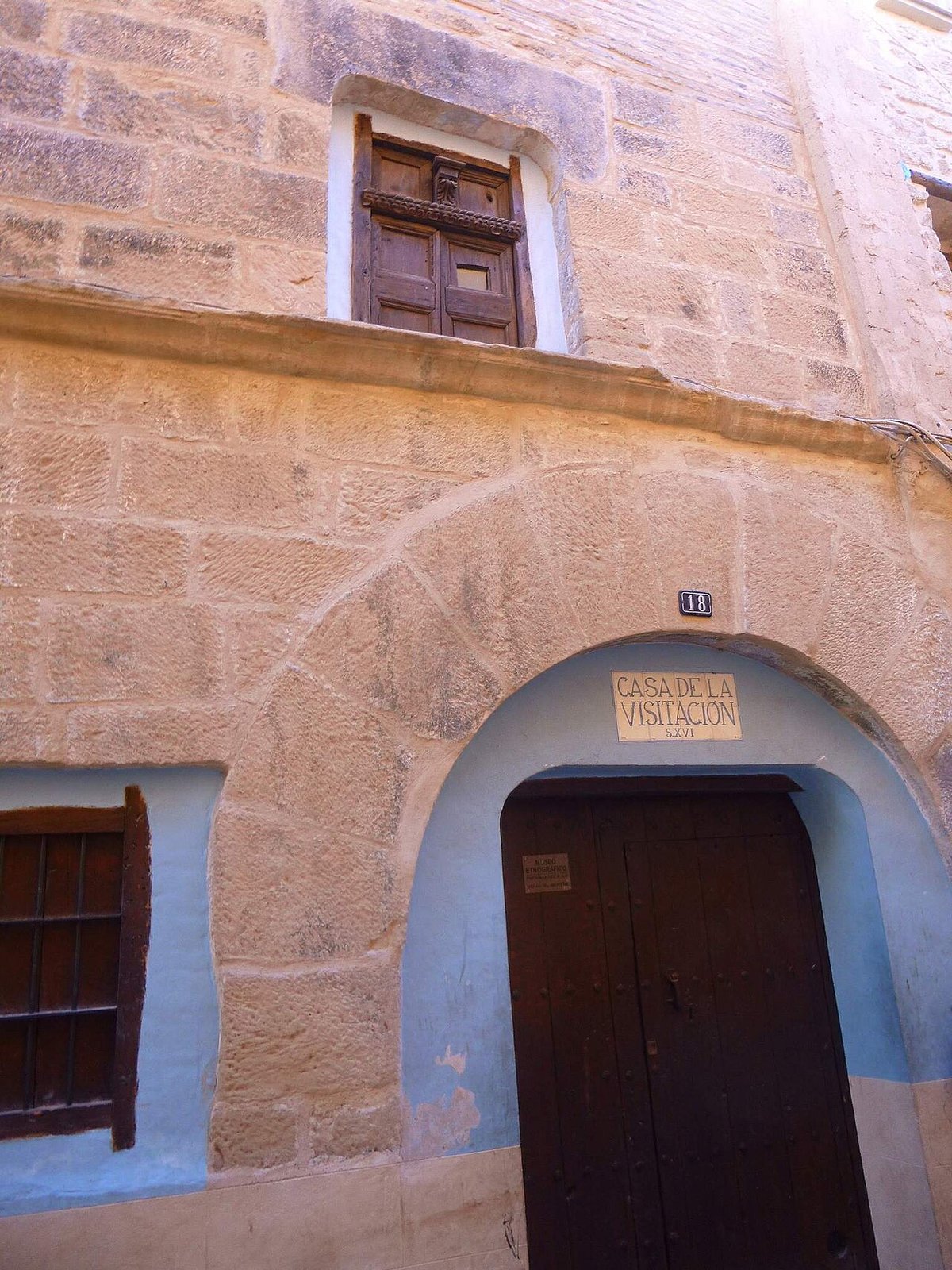
Pozán de Vero sits at 408 m above sea level, low enough for olives to outnumber almonds, high enough for nights to stay cool even in July. The 233 inhabitants live in stone houses the colour of lightly buttered toast, all squeezed into four short streets that meet at a plaza barely large enough for a game of five-a-side. There is no supermarket, only a village shop that unlocks at 09:30, shuts for lunch at 13:30 and may, if trade is slow, stay shut all afternoon. Bread arrives from the neighbouring town of Barbastro; if you want it fresh, order the day before.
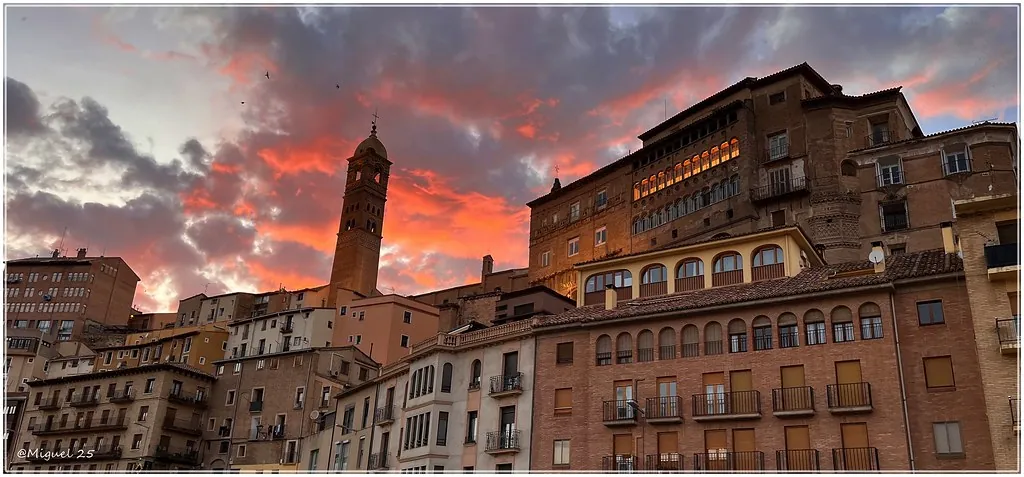
The bell-tower of the Romanesque church is the tallest thing for kilometres, a square sandstone finger that helps drivers locate the village long before any road sign appears. Approach is by the A-22 from Huesca, then a weave of county lanes lined with wheat and regimented vine trellises. The final kilometre dips into the Vero gorge, crosses a medieval bridge just wide enough for a single Transit van, and delivers you at the lower edge of town. Parking is informal: squeeze against the crumbling stone wall and hope the irrigation tractor doesn’t need to pass.
Water, stone and the sound of nothing much
Most British visitors who find Pozán have typed “natural pool Aragon” into a search engine and been served a photograph of the Salto de Pozán de Vero. The name promises a waterfall; what you get is a metre-high weir that foams photogenically after spring rain and dwindles to a silver thread by August. Manage expectations and the place still delights. The river has carved a smooth bowl the size of a tennis court, emerald over pale limestone, with a sandy patch just big enough for four towels. Dragonflies skim the surface, and the only soundtrack is water slapping rock and the occasional shout of a teenager daring a friend to jump from the higher ledge.
Reach the pool by following the yellow-arrow path that starts behind the church. The track is 1.4 km of fist-sized gravel and river stones: wear trainers, not flip-flops. There are no facilities once you leave the village – no loo, no snack van, no lifeguard – so pack as if heading to a remote Cornish cove. Arrive before 11:00 and you may share the water with a pair of local grandmothers and their dogs; arrive after 13:00 and you’ll be surrounded by Spanish families, cool-boxes and Bluetooth speakers. Shade disappears with the sun overhead; the smart money brings a parasol or retreats to the reed-fringed bank downstream where the second, smaller pool stays half-empty even on bank-holiday weekends.
Food that follows the field calendar
Back in the village, lunch options are limited to what you can organise yourself. The grocery stocks tinned tuna, local olives and a serviceable Somontano white (Bodega Pirineos “Barrica” Chardonnay, €6.80). If you want someone else to cook, book a table at the casa rural ten minutes up the road in Alquézar; their weekend asado serves chuletón de ternasco – lamb cutlets the size of a child’s hand, grilled over vine cuttings until the fat crisps. Vegetarians get a tomato-and-pepper salad dressed with early-harvest olive oil so grassy it tastes almost like liquid hay.
Seasons dictate the menu more strictly than any chef. Visit in late April and the shop counter holds bunches of slender garlic shoots; come in October and it’s stacked with honey from the lower Pyrenees and fat red peppers drying on string. Winter is slaughter season: hooks of morcilla and lomo cured in mountain air appear in December and are usually gone by March. The village observes the cycle without fuss; if you want artisanal chorizo in midsummer, you’ll need to drive to Barbastro’s Monday market.
Trails for people who don’t buy hiking boots
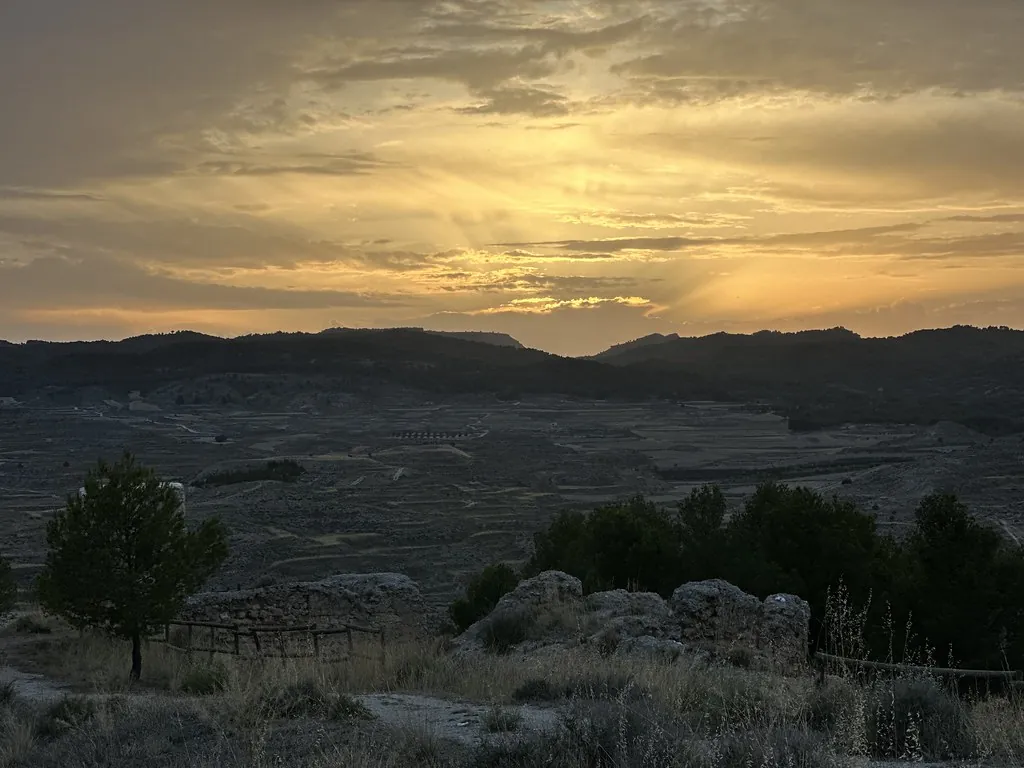
Pozán is too small for way-marked tourist routes, yet three footpaths leave directly from the plaza. The shortest skirts the irrigation channel, ducks under poplars and climbs a low ridge in twenty minutes. From the top you can trace the Vero’s green ribbon west towards the Alquézar canyon, while behind you the land flattens into a patchwork of cereal fields that looks more Castile than Catalonia. Spring brings poppies and wild asparagus; autumn smells of fennel and damp earth. The walk is less than 3 km – enough to justify another glass of wine, not enough to need a map.
Serious walkers sometimes use the village as a budget base for the longer Somontano loop that links six river gorges over 45 km, but most visitors are content with the pool-and-plaza rhythm: swim, read, buy bread, repeat. Mountain bikes can be rented in Barbastro for €25 a day, though the local tracks are stony and shadeless; bringfactor-30 and a spare inner tube.
When to come, and when to stay away
April to mid-June is the sweet spot: daytime temperatures hover around 24°C, the pool is full, and the wheat glows emerald. September and early October are almost as good, with the added bonus of grape-harvest activity and milder evenings. July and August turn the valley into a kiln – 35°C by 15:00 – and the pool becomes a bathtub of sunscreen and laughter. Accommodation within the village amounts to two self-catering cottages; once they’re booked, the nearest beds are in Alquézar, 12 km away along a road that is flood-lit by moon but pitch-black otherwise. Winter is quiet, occasionally snowy, and many households shut up entirely from January to March. Unless you fancy absolute silence and bringing your own logs, wait for spring.
Depart with the engine still cool
Pozán de Vero offers no souvenir shops, no evening entertainment beyond the nightly paseo, and no mobile signal in parts of the gorge. What it does offer is cold, clear water under hot Spanish sun, bread that was baked at dawn, and the small pleasure of being recognised by the shopkeeper after your second visit. Drive away mid-morning and you’ll meet a delivery van blocking the bridge; the driver will expect you to reverse uphill while he finishes a conversation. It’s that kind of place – unhurried, unshowy, and unlikely to stay on anyone’s “must-do” list for long. Which, for the 233 people who live there, is perfectly fine.