Full Article
about Saldón
Ocultar artículo Leer artículo completo
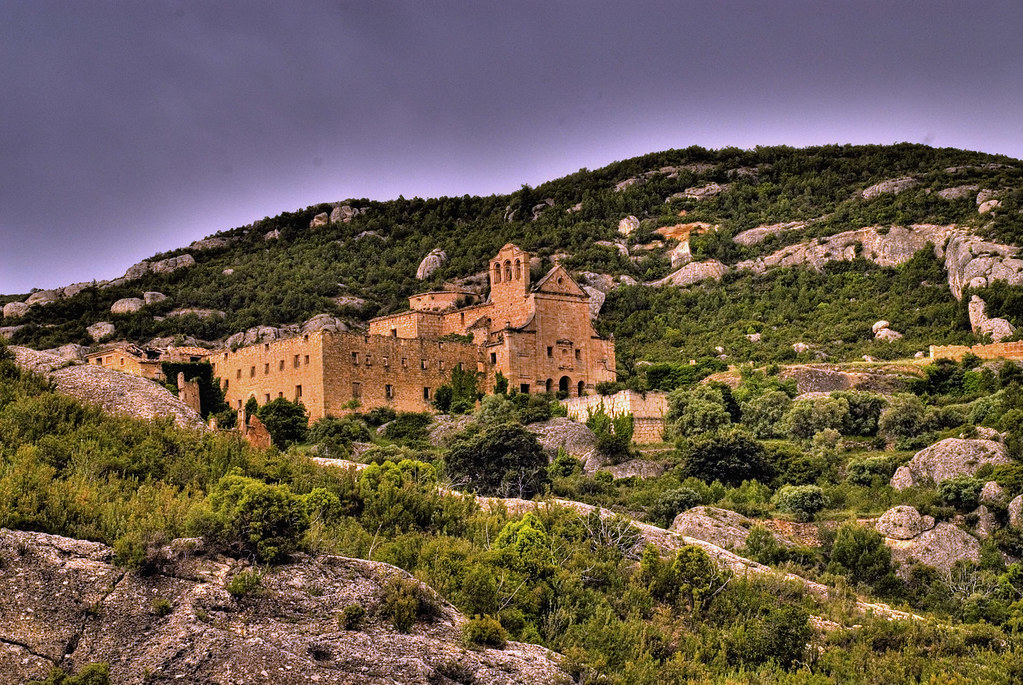
The church bell strikes eleven somewhere below, though there's no bell tower in sight. Sound travels differently at 1,395 metres, especially when only twenty-two souls call the place home. Saldón clings to its mountainside like an afterthought, stone houses huddled together against winds that've whipped these slopes for centuries.
This isn't postcard Spain. Nobody's selling you a dream here. The village square—if you can call it that—measures roughly the size of a London pub garden, minus the pub. What you get instead is altitude, isolation, and the kind of quiet that makes city folk check their phones just to confirm the world hasn't ended.
Stone, silence and the long drop to anywhere
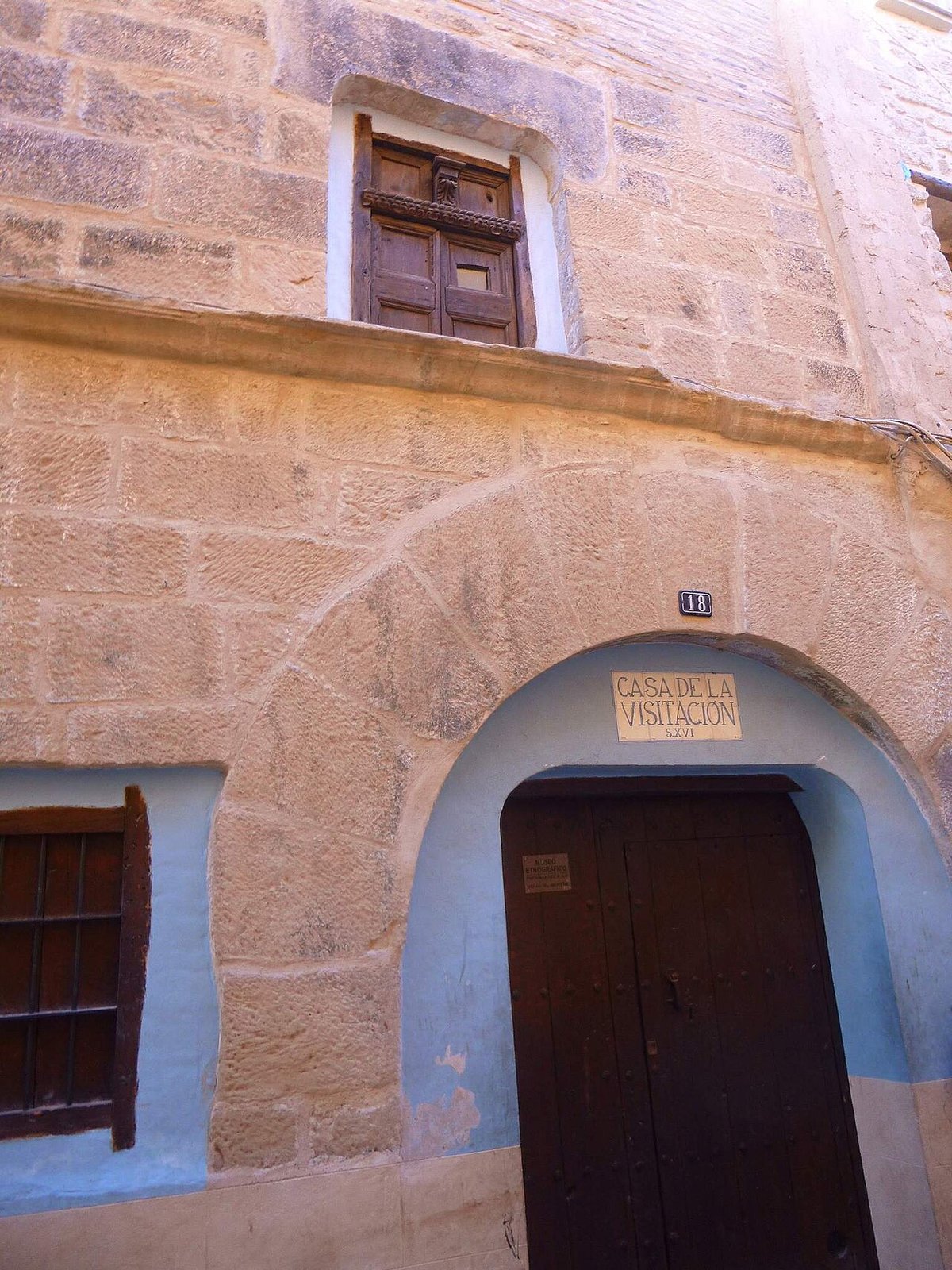
Every building speaks the same grey language. Local stone, hewn and stacked by hands that understood winter lasts six months at this height. Arab tiles weigh down roofs designed to shrug off snow. Windows sit small and deep, keeping warmth in and everything else out. It's architecture born of necessity, not some architect's whim—though the effect proves more honest than most heritage centres charging twenty quid entry.
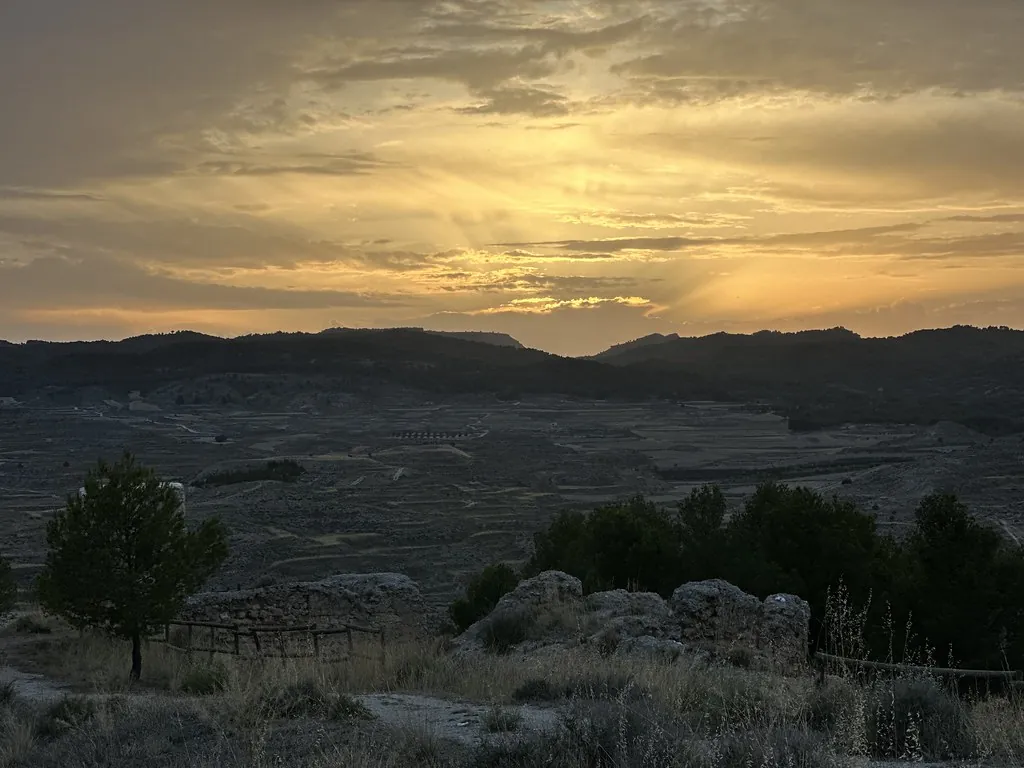
The air hits different up here. Thin, dry, carrying pine resin from forests that stretch towards Albarracín. Temperature swings catch visitors unprepared; twenty-eight degrees at midday becomes eight the moment the sun slips behind the Sierra. Pack layers or learn fast. The village offers no shops for forgotten fleeces, no café to thaw frozen fingers. Nearest supplies sit twenty-five kilometres away in Albarracín, down a road that demands respect and good brakes.
Walking tracks spider outwards, poorly marked and better for it. One path drops towards the Guadalaviar river, another climbs through Scots pine towards abandoned threshing floors. Maps help but aren't essential—follow the stone walls, trust your sense of direction, accept that getting slightly lost forms part of the experience. Phone signal dies within metres of the village edge, turning Google Maps into a useless rectangle of plastic and glass.
What grows between the rocks
Spring arrives late, hesitantly. Wild thyme pushes through limestone cracks. Rosemary bushes grow waist-high, untroubled by gardeners or council workers. The local honey—bought from someone's cousin in the next valley—tastes sharp with rosemary and mountain herbs. Mushroom season brings its own rituals; baskets appear on doorsteps, grandfathers study weather patterns with the seriousness of city traders watching stock prices.
Birdlife follows its own calendar. Griffon vultures circle on thermals, wings spanning two metres plus. Iberian green woodpeckers laugh from pine tops. Dawn choruses here don't feature traffic noise or Deliveroo scooters—just proper birds doing proper bird things. Bring binoculars. Leave the Bluetooth speaker at home; nobody came here for your Spotify playlist.
Autumn paints the landscape in colours that would make a Cotswolds postcard weep. But these aren't gentle English hues. Spanish autumn burns brighter, shorter. Red oaks flame against dark pines. The ochre rock—local name "rodeno"—glows rust-red under lowering sun. Photographers mutter about golden hour lasting all afternoon, then discover their camera batteries died in the cold night.
Eating what the land gives you
Food arrives with visitors or not at all. The village maintains zero commercial establishments—no bar, no shop, no chip shop doing battered cod for homesick Brits. Self-catering becomes less holiday choice, more survival strategy. Local lamb appears occasionally, grazed on mountain herbs that supermarket meat can only dream about. Trout from nearby rivers taste of actual water, not fish farm pellets.
Wild mushrooms demand knowledge or a death wish. The region produces chanterelles, boletes, morels—each delicious, some deadly. Local wisdom suggests learning from someone who's been picking here forty years, not from a phone app. The hospital sits an hour away down twisty mountain roads; worth remembering before treating foraging like a Tesco delivery.
Wine comes from Calatayud, an hour northwest. Garnacha grapes struggle through poor soil and temperature extremes, producing bottles that punch well above their price point. Ten euros buys something that would cost thirty in a UK off-licence. Drink it watching stars that haven't been privatised by light pollution, satellites tracking silently overhead.
When to brave the drive and when to stay away
Access demands commitment. From Zaragoza airport, it's two and a half hours through landscapes that gradually forget what civilisation looks like. The final twenty kilometres narrow to single-track with passing places—reverse twenty metres into a layby while a local farmer in a Land Cruiser judges your clutch control. Winter brings snow chains and genuine jeopardy; summer means tourist traffic crawling towards Albarracín's medieval walls.
May and September offer the sweet spot. Daytime temperatures sit comfortable for walking, nights drop cold enough for proper sleep. July and August bake the stone houses, creating ovens that stay hot past midnight. December through March brings proper mountain winter—beautiful, brutal, occasionally impassable.
Accommodation means renting someone's grandmother's house, complete with furniture that predates democracy. Airbnb lists three properties within village limits; book early or prepare for a thirty-minute dawn commute from Albarracín's hotels. The posh option—Hotel Albarracín—charges €120 for rooms with views worth twice that, but you'll trade village authenticity for proper plumbing and someone else doing breakfast.
Saldón doesn't do nightlife unless you count watching the Milky Way emerge while bats flit between houses. It offers no souvenir shops, no curated experiences, no bloody artisan gin distilleries. What it provides instead remains increasingly rare: a place where human presence feels temporary, where stone outlasts flesh, where silence costs nothing and delivers everything.
Come prepared, come respectful, come with realistic expectations. Or better yet—don't come at all. The village managed five centuries without you; it'll survive another five.