Full Article
about Samper de Calanda
Ocultar artículo Leer artículo completo
The morning train to Zaragoza rattles past at 258 metres above sea level, its horn echoing across the Bajo Martín valley. In Samper de Calanda, population 700, this counts as rush hour. The village sits low enough to escape the worst winter snows that plague higher Aragonese towns, yet high enough to catch the cierzo wind that sweeps down from the Pyrenees, whipping dust through olive branches that have borne fruit since Roman times.
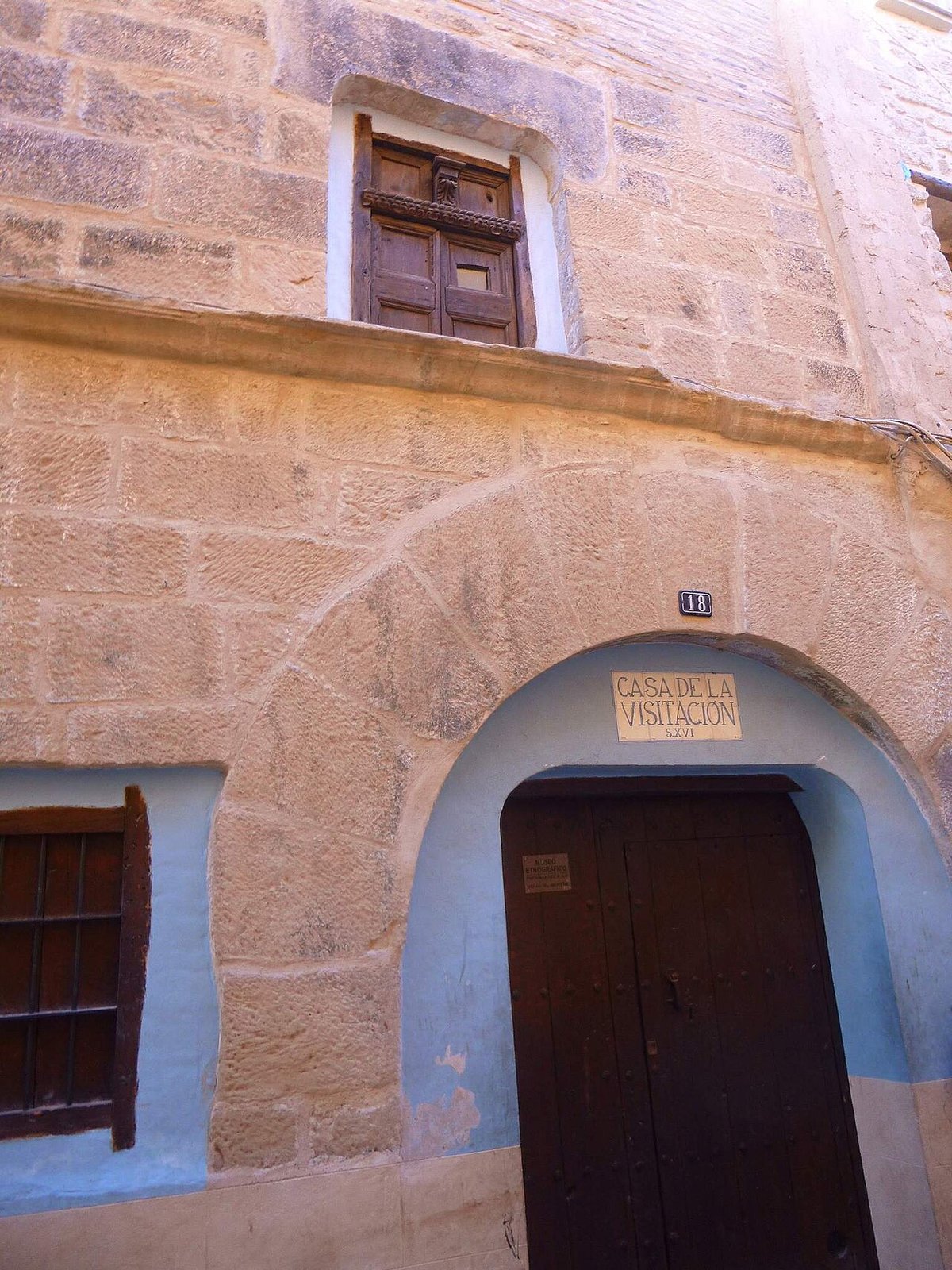
This is not your chocolate-box Spain. The houses wear their age honestly—cracked plaster patched with cement, wooden shutters faded to grey, the occasional satellite dish bolted onto 18th-century walls. Walking through the narrow streets feels like stepping into a working village rather than a museum piece. Grandmothers still beat rugs from upstairs windows. The bakery opens when the baker arrives, not when the guidebook says it should.
The Church That Grew Over Centuries
Santa María la Mayor squats at the village centre like a geological formation, its walls telling 500 years of architectural indecision. Gothic arches support Baroque additions. A Renaissance portal leads into a nave where 19th-century plasterwork covers medieval stonework. The effect should jar, but somehow it works—much like Samper itself, where ancient and merely old coexist without fuss.
Inside, the air smells of beeswax and centuries of incense. The side chapels reveal the village's social history: one paid for by 16th-century olive merchants, another by families who made their fortune shipping almonds down the Ebro to Tortosa. Look closely at the wooden choir stalls—someone has carved initials, probably a bored altar boy in 1783. The priest will point these out if he's around, which depends entirely on whether his sister needs him in Alcañiz that morning.
Walking Where Farmers Walk
The real Samper reveals itself beyond the last houses. Agricultural tracks fan out through olive groves, following contours that haven't changed since Moorish farmers first terraced these slopes. These are working paths, not leisure trails. You'll share them with tractors, the occasional farmer on a battered moped, and dogs that belong to everyone and no one.
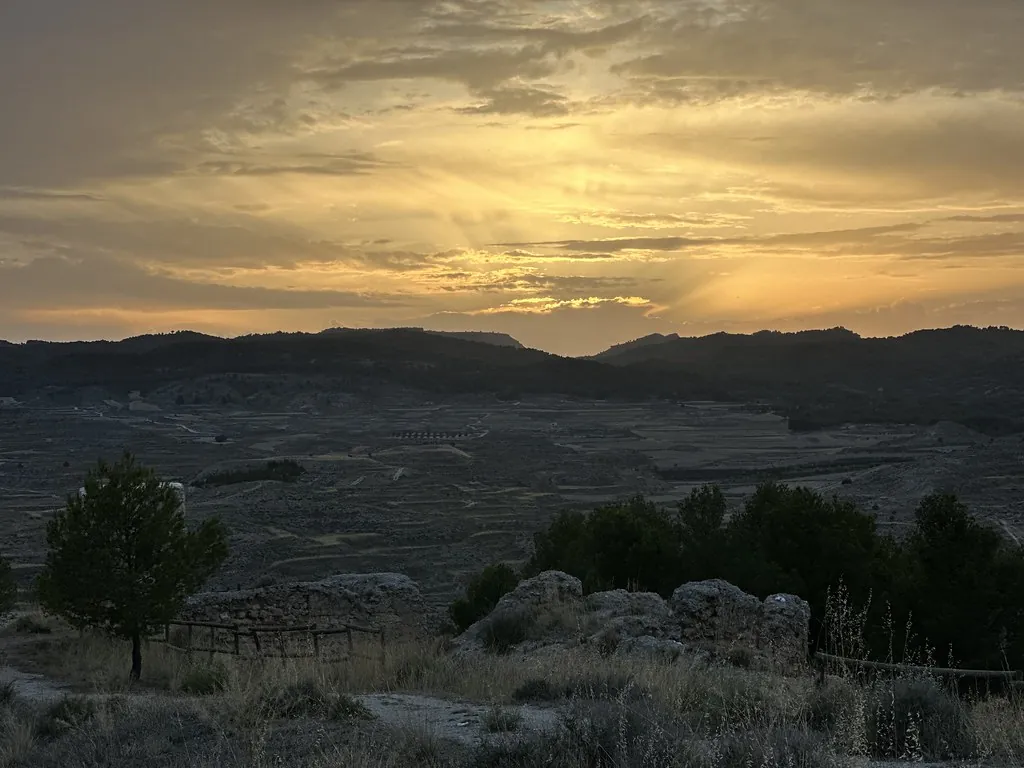
The shortest walk—thirty minutes if you're brisk—loops past the cemetery and up to a ridge where the entire valley spreads below. In March, almond blossom foams white against red earth. By May, the olives have set, tiny green beads among silver leaves. October brings the harvest: blue nets spread beneath trees, the air thick with the fruit-sweet smell of crushed olives heading to the cooperative press.
Longer routes follow the river Martín, carved deep into soft gypsum bedrock. The path drops 150 metres in two kilometres, enough to notice the temperature rise. By the water, abandoned water mills stand roofless, their millstones cracked but still in place. Return via the old railway line—decommissioned in 1992, now a dusty track where bee-eaters nest in the embankment.
What You'll Actually Eat
The village bar opens at 7 am for farmers and closes when the last customer leaves, usually around midnight. Food runs to the practical: migas—fried breadcrumbs with garlic and grapes—served in portions that could feed a threshing crew. The local olive oil, pressed from empeltre and arbequina varieties, tastes of green tomatoes and grass. Buy it directly from the cooperative on Calle Mayor—bring your own bottle, they'll fill it for €6 a litre.
Game appears on menus in season. Wild boar stew comes thickened with almonds rather than flour, a Moorish legacy that survived the Reconquista. During the January fiestas, every household slaughters its pig. For weeks afterwards, you'll find morcilla blood sausage hanging in kitchen windows, ready for the frying pan.
Vegetarians face slim pickings. The village shop stocks basics: tinned asparagus, eggs from chickens that scratch behind houses, tomatoes that taste of actual tomatoes. Zaragoza lies ninety minutes away for anything more exotic.
When to Visit, When to Stay Away
Spring works best—mid-April through May when daytime temperatures hover around 20°C and the surrounding hills glow green before the summer bake sets in. Autumn runs a close second: September harvest activity, October's soft light, November when the first frosts sweeten the olives.
July and August hit 38°C by noon. The village empties as families flee to coastal second homes. What remains shuts between 2 pm and 5 pm—siesta isn't tourism theatre here, it's survival. Winter brings the cierzo, a wind so fierce it once blew a caravan off the road. Temperatures drop to -5°C at night, though snow rarely settles at this altitude.
Getting There, Staying Somewhere Else
No trains stop at Samper anymore. From Zaragoza, drive the A-23 autovía towards Valencia, exit at Alcañiz, then follow the TM-702 for nineteen kilometres of increasingly narrow road. The last stretch climbs through olive groves so dense they cast permanent shade. A single bus departs Teruel at 2 pm daily, returning at 6 am next morning—useful only if you're visiting relatives.
Staying overnight presents challenges. The village has no hotel, one rental apartment above the bakery (book through the baker's daughter on WhatsApp), and a field where campervans sometimes park. Most visitors base themselves in Alcañiz, twenty minutes away, where the Parador occupies a 12th-century castle complete with Gothic dungeons converted to wine cellars. The climb from town centre to castle entrance defeats most guests—request a room in the lower wings if stairs bother you.
Alternatively, Caspe sits forty-five minutes west beside the Ebro's vast reservoir. TAIGA Lake Caspe offers wooden cabins with proper heating and swimming pools that actually open. From here, Samper makes an easy half-day trip combined with other Bajo Martín villages—each similar yet distinct, like siblings who've chosen different lives.
The Honest Truth
Samper de Calanda won't change your life. You won't find epiphanies in its olive groves or spiritual awakenings in its 16th-century church. What you will discover is a place that continues regardless of tourism, where the bakery runs out of bread by 10 am because locals bought it all, where elderly men play cards beneath the plane trees using decks older than most countries.
Come here to walk through working farmland, to taste olive oil that never sees a supermarket shelf, to sit in a bar where nobody speaks English and nobody needs to. Come to understand that rural Spain isn't a theme park but a series of compromises between tradition and the twenty-first century—some successful, some less so, all fascinating to observe.
Just don't come in August. Unless you enjoy temperatures that turn hire car steering wheels into branding irons and villages that feel like film sets awaiting actors who've gone to the beach.