Full Article
about Valmadrid
Ocultar artículo Leer artículo completo
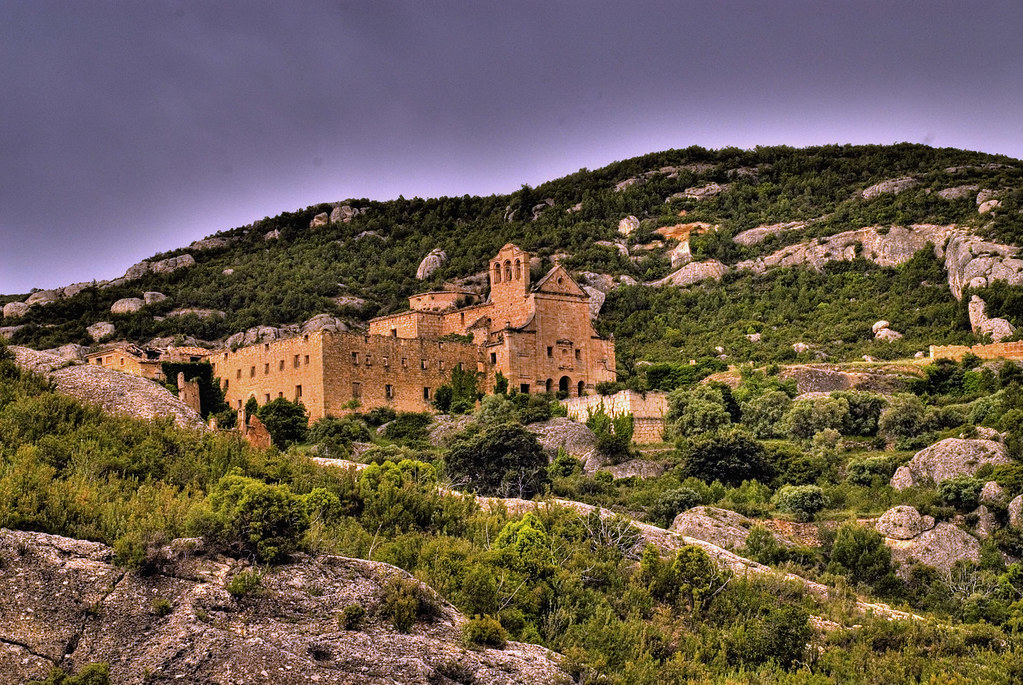
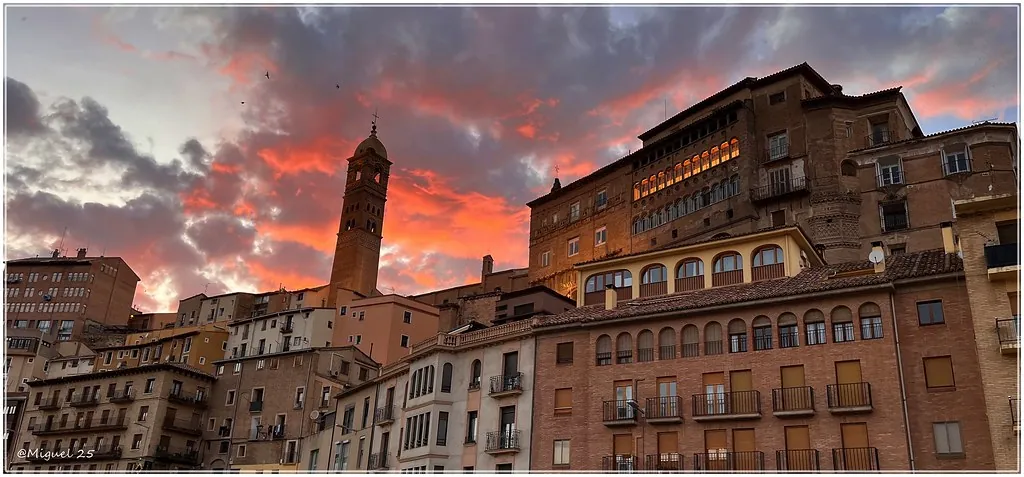
The church bell tower rises above stone roofs like a weathered finger pointing skyward, visible from kilometres away across the flat Aragonese plains. This is how most visitors first spot Valmadrid—not through GPS coordinates or road signs, but by following this medieval landmark that has guided farmers and shepherds for centuries.
At 536 metres above sea level, the village sits squarely in Spain's central plateau, where the land stretches endlessly under an enormous sky. The approach from Zaragoza takes roughly 35 minutes along the Z-40 ring road, then smaller routes that thread through wheat fields and olive groves. The journey itself becomes part of the experience: mobile phone signal fades, traffic thins, and the horizon expands until it feels like you're driving through a landscape painting.
The Architecture of Survival
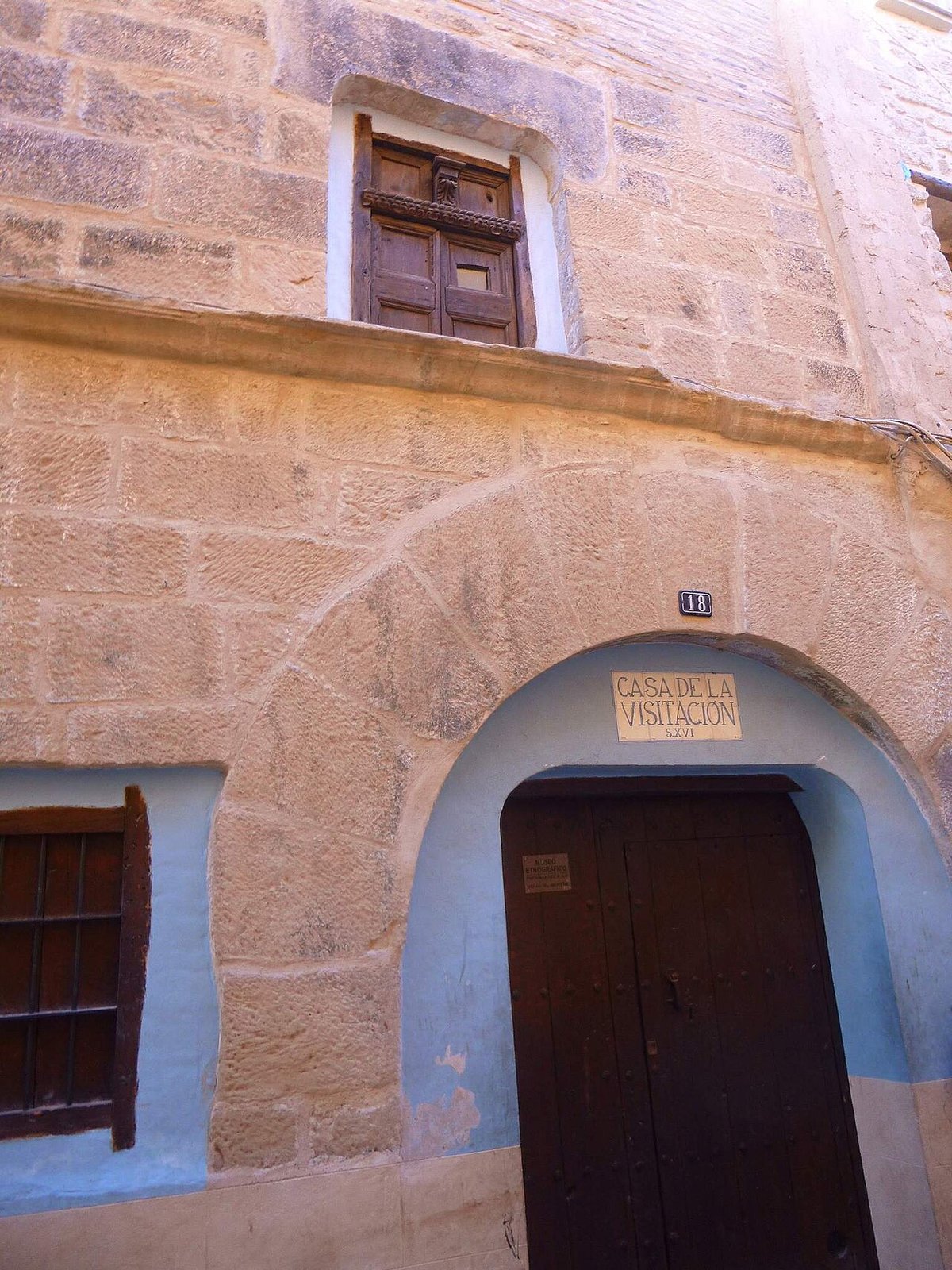
Valmadrid's 110 inhabitants live in houses built from whatever the land provided—primarily limestone and adobe, materials that have weathered centuries of scorching summers and bitter winters. Wander the narrow lanes and you'll spot the telltale signs of rural Spanish architecture: thick walls that keep interiors cool during August's 40-degree heat, tiny windows that minimise winter's icy blasts, and roofs angled just enough to channel away the brief but violent autumn storms.
The 16th-century parish church of San Pedro Apóstol anchors the village physically and socially. Unlike grand cathedral towns where churches served bishops and nobility, this modest structure reflects its farming community—built piecemeal over decades through local contributions rather than wealthy patronage. Step inside during opening hours (typically 10am-1pm, though timings vary) to see simple frescoes and a baroque altarpiece that survived Spain's civil war largely intact.
The real architectural interest lies in the ordinary houses. Some have been meticulously restored with EU grants, their stone facades repointed and wooden balconies freshly painted. Others stand semi-derelict, their adobe walls crumbling back into the earth that spawned them. This patchwork of renewal and decay isn't photogenic in the conventional sense, but it tells the honest story of rural Spain in the 21st century.
Walking Through the Steppe
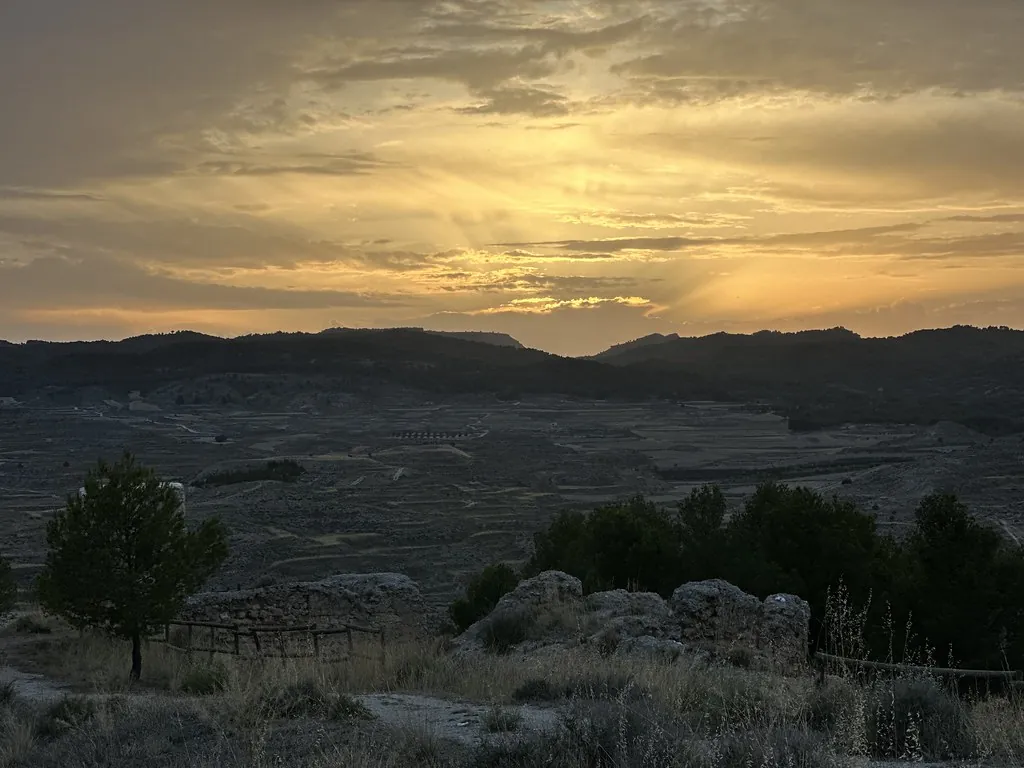
The landscape surrounding Valmadrid defines the village more than any building. This is Spain's semi-arid steppe—think less Tuscan hills, more Mongolian plains on a smaller scale. The terrain appears flat until you start walking, when subtle undulations and dramatic barrancos (dry river gorges) reveal themselves.
Several agricultural tracks radiate from the village, perfect for morning walks before the sun becomes brutal. The most rewarding route heads southeast towards the abandoned hamlet of Las Casas, three kilometres distant. The path crosses wheat fields where crested larks rise in fluttering panic, passes ruined farmsteads where storks nest on collapsed roofs, and climbs gently to a ridge offering views across three provinces. Take water—there's none en route, and summer temperatures regularly exceed 35°C.
Spring brings the most dramatic transformation. From late March through April, the brown earth suddenly erupts with colour: blood-red poppies, purple viper's bugloss, and fields of yellow Spanish broom that scent the air with coconut. Autumn offers gentler pleasures—ochre stubble fields, migrating birds overhead, and the satisfying crunch of acorns underfoot.
Eating Like a Local
Food here follows the agricultural calendar strictly. Autumn means game season—local restaurants serve hearty stews of wild boar and partridge, often flavoured with foraged mushrooms. Winter brings migas, the shepherd's dish of fried breadcrumbs with garlic and chorizo, perfect after a morning walking in bitter winds. Spring sees the brief appearance of ternasco—milk-fed lamb that's a speciality of Aragon and appears on every menu for six weeks before disappearing until next year.
Don't expect sophisticated dining. The village's single bar, Casa Rufino, opens erratically and serves basic raciones of cheese, cured meats, and the local wine. More reliable options lie ten minutes' drive away in Fuendetodos, birthplace of painter Francisco Goya, where two restaurants offer proper meals at proper prices—expect to pay £12-15 for a three-course menú del día including wine.
The Saturday morning market in nearby Calatayud, twenty minutes by car, showcases local specialities: sweet Aragonese peaches in summer, pungent truffles in winter, and year-round treasures like locally pressed olive oil and honey from village beekeepers. Stock up here if you're self-catering—Valmadrid's tiny shop closes for siesta at 1pm and might not reopen if trade's slow.
When Silence Falls
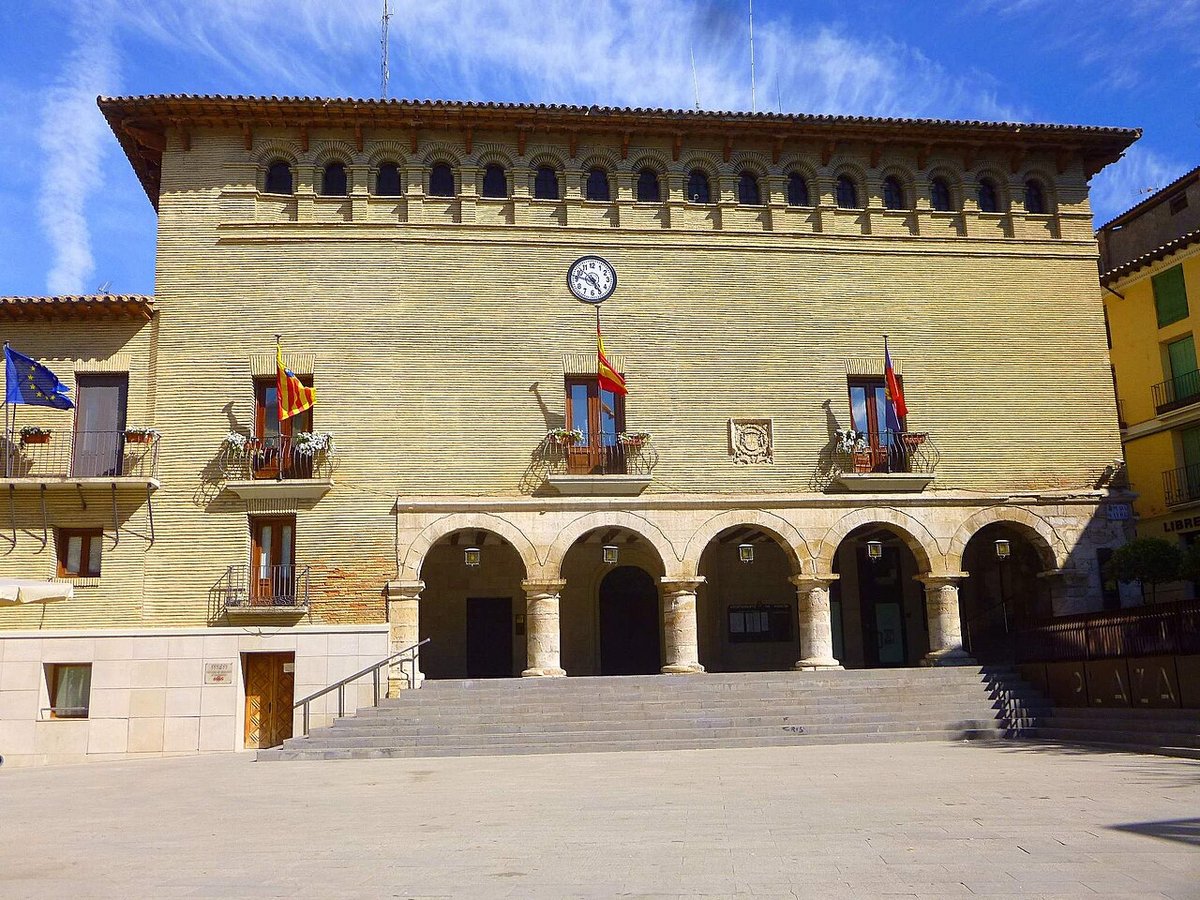
The village's population swells during fiestas, when emigrants return from Zaragoza and Barcelona to maintain traditions their grandparents would recognise. The main celebration honouring San Pedro (29th June) transforms the plaza with dancing, outdoor feasts, and the curious local custom of "jota" singing—couplets improvised on the spot about village life, often hilariously rude.
But visit outside these brief periods and you'll experience something increasingly rare in Europe: genuine silence. Afternoons when the only sound is church bells marking hours that seem arbitrary. Evenings when swifts replace tractors as the dominant noise. Nights so dark you can read by starlight alone.
This isolation carries practical implications. The nearest petrol station closes at 8pm sharp. The doctor visits twice weekly—emergencies mean a 25-minute drive to hospital. Winter snow can isolate the village for days, though this happens rarely and melts quickly under the fierce Spanish sun.
The Bottom Line
Valmadrid won't suit everyone. There's no cathedral to tick off, no Michelin stars to chase, no Instagram moments unless you find beauty in honest decay. What you get instead is Spain stripped of tourism's gloss—a place where farmers still discuss rainfall over morning coffee, where neighbours share tools and grudges with equal passion, where the land dictates life's rhythm as it has for a millennium.
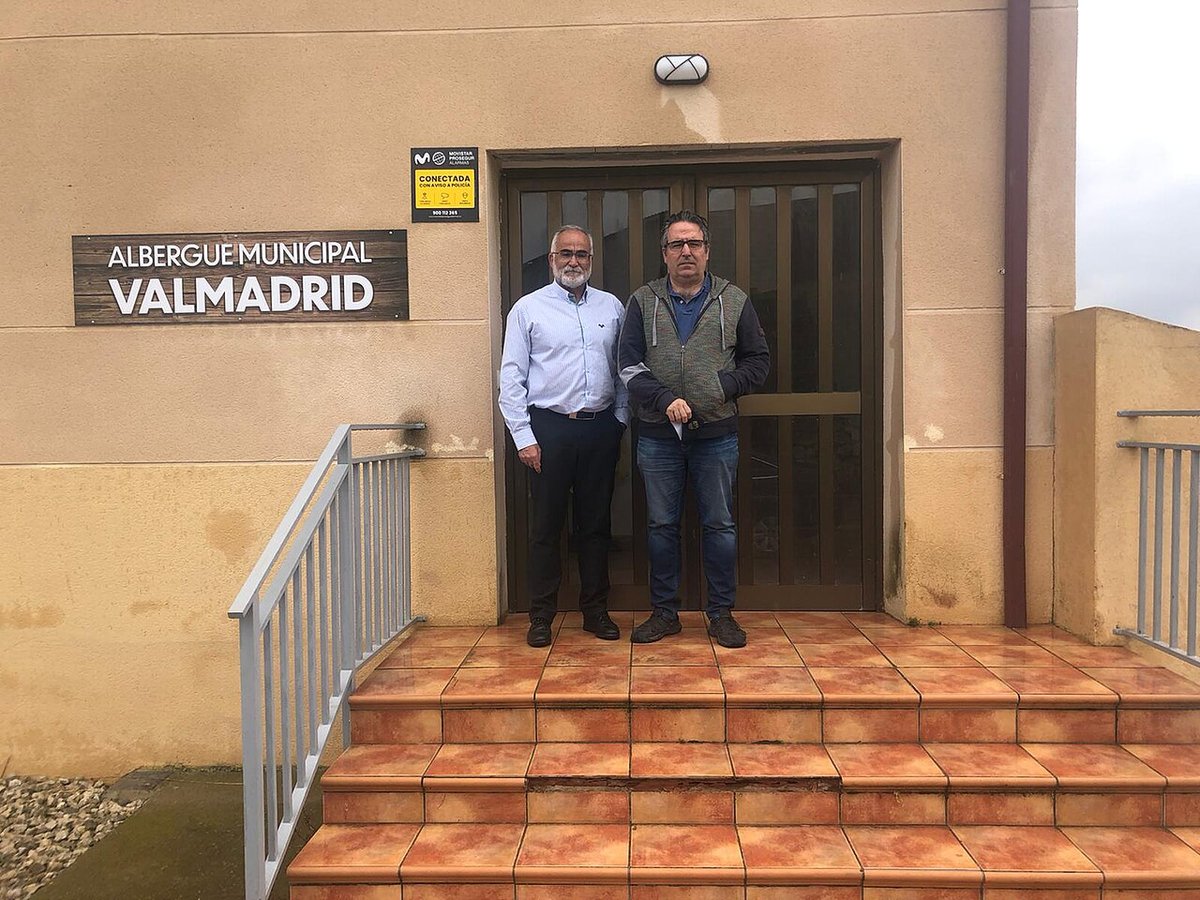
Come for two nights minimum. Base yourself at the simple Albergue Valmadrid (doubles from £45, book ahead), rent a car, and treat the village as headquarters for exploring Aragon's forgotten corners. Visit Goya's birthplace, explore Roman ruins at nearby Bilbilis, drive the back roads that thread between villages where time measured in harvests, not tourist seasons.
Pack sturdy walking boots, binoculars for birdwatching, and realistic expectations. Valmadrid offers something more valuable than picture-postcard perfection: the chance to witness rural Europe struggling to survive the 21st century, neither theme-parked nor abandoned, but stubbornly, gloriously alive.