Full Article
about Villamayor de Gállego
Ocultar artículo Leer artículo completo
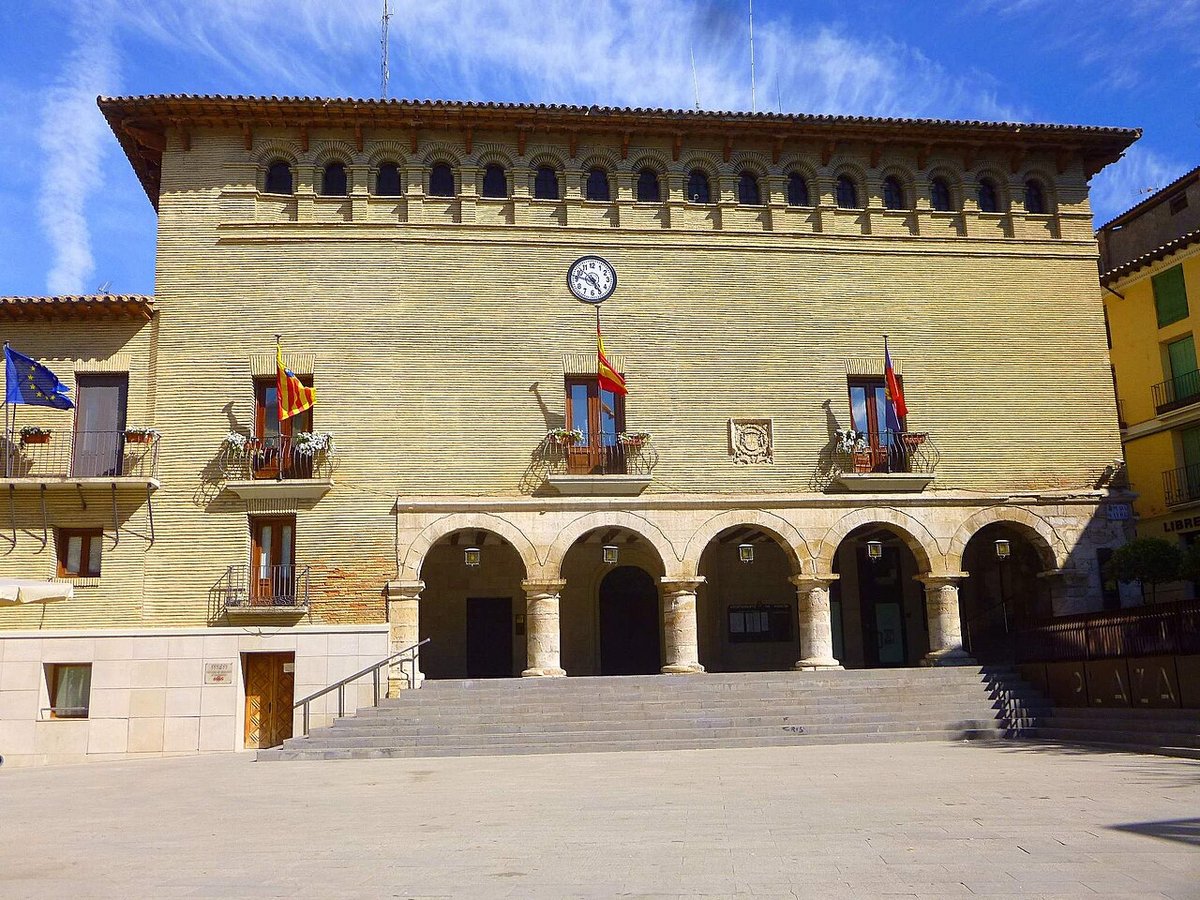
The 9 a.m. coach from Zaragoza’s Estación Central drops only three passengers outside the Caixa rural on Avenida de Aragón. By half past, the bakery has sold out of coca de cerezas and the pavement tables are claiming their first cañas. Nobody lingers over a map; Villamayor de Gállego is too small for that. Instead, newcomers simply follow the smell of damp earth and coffee drifting towards the stone porticoes of the Plaza Mayor, where the weekly produce market is spreading across the flagstones like a slow-moving tide.
A Plain That Thinks It’s a Plateau
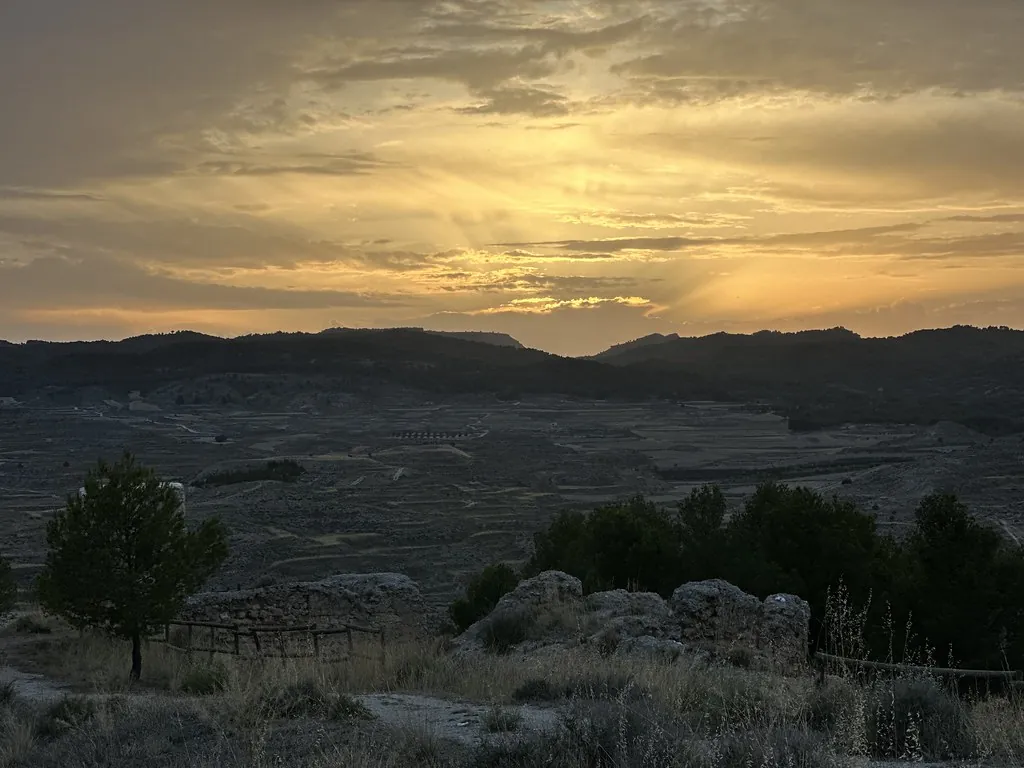
At 226 m above sea level the village sits on the last ripple of land before the Ebro valley flattens into endless irrigation channels. The surrounding landscape is not dramatic—no limestone crags or cedar forests—but it changes by the hour. In April the wheat is an almost luminous green; by late June it has turned the colour of burnt toast and the wind combs long ripples across it. Cyclists use the quiet farm lanes that fan out south-west towards Pastriz and north-east to Sobradiel: dead-straight, pancake-flat, perfect for clocking 40 km before lunch without a single granny gear. Bring two bottles in July; the shade temperature may read 34 °C, but the reflected heat off the stubble fields adds another five.
Winter is the surprise. When Zaragoza’s avenues are still wearing T-shirts, open-country thermometers here slip below zero at dawn. The village’s 2,800 inhabitants (swollen to just under 5,000 when the new estates are full) wake to find the Gallego river cloaked in advection fog that can linger until coffee time. Cars frost over, and the agricultural co-op’s sprinkler system turns the main road into a skating rink. If you plan a December visit, pack the same kit you would for Norfolk: scarf, gloves and shoes that laugh at sludge.
Brick, Mud and a Church That Survived Its Own Tower
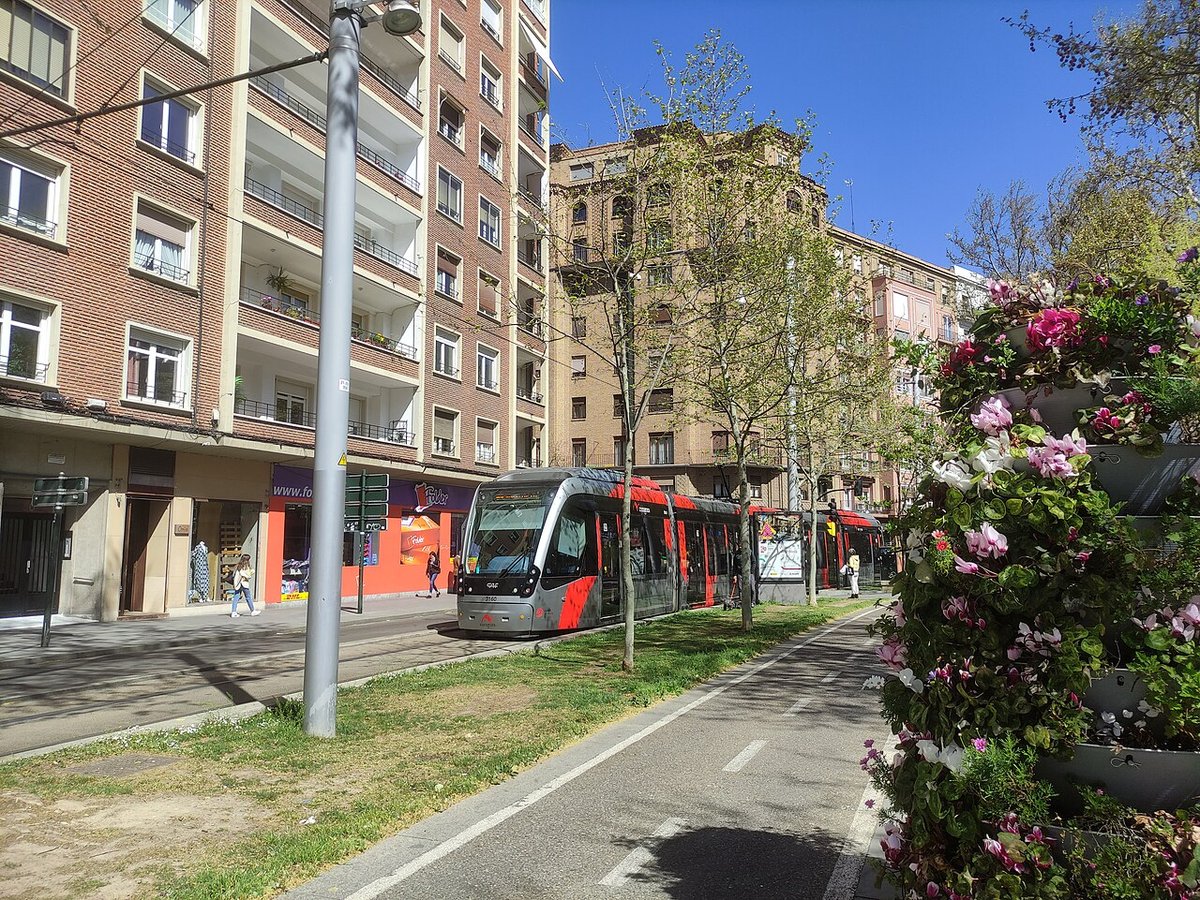
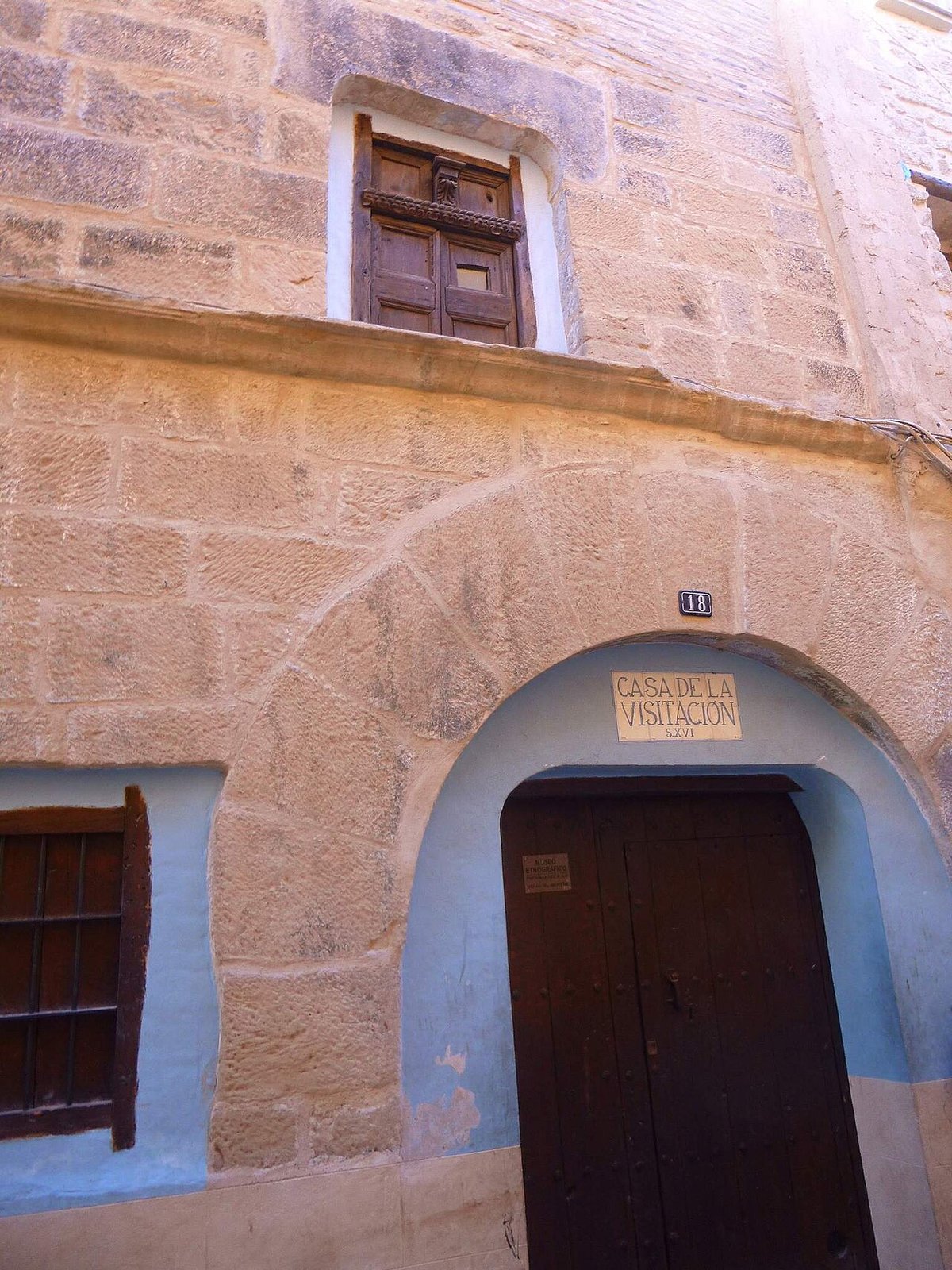
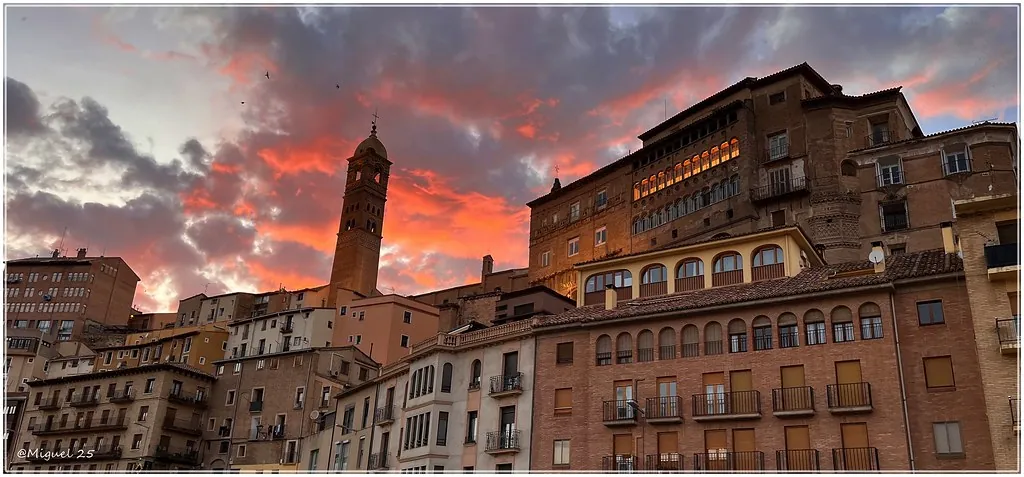
Villamayor has never bothered with picture-postcard whitewash. The older houses are built of chocolate-brown ladrillo aragonés, the local brick that turns almost purple after rain. Walk Calle San Antón at 7 p.m. and the façades glow like photographic safelights while swifts stitch the sky overhead. Heraldic stones—some dating to the 1640s—are wedged above doorways, but the carving is so weathered you need to run your fingers along the grooves to feel the double-headed eagle or the five-petalled rose.
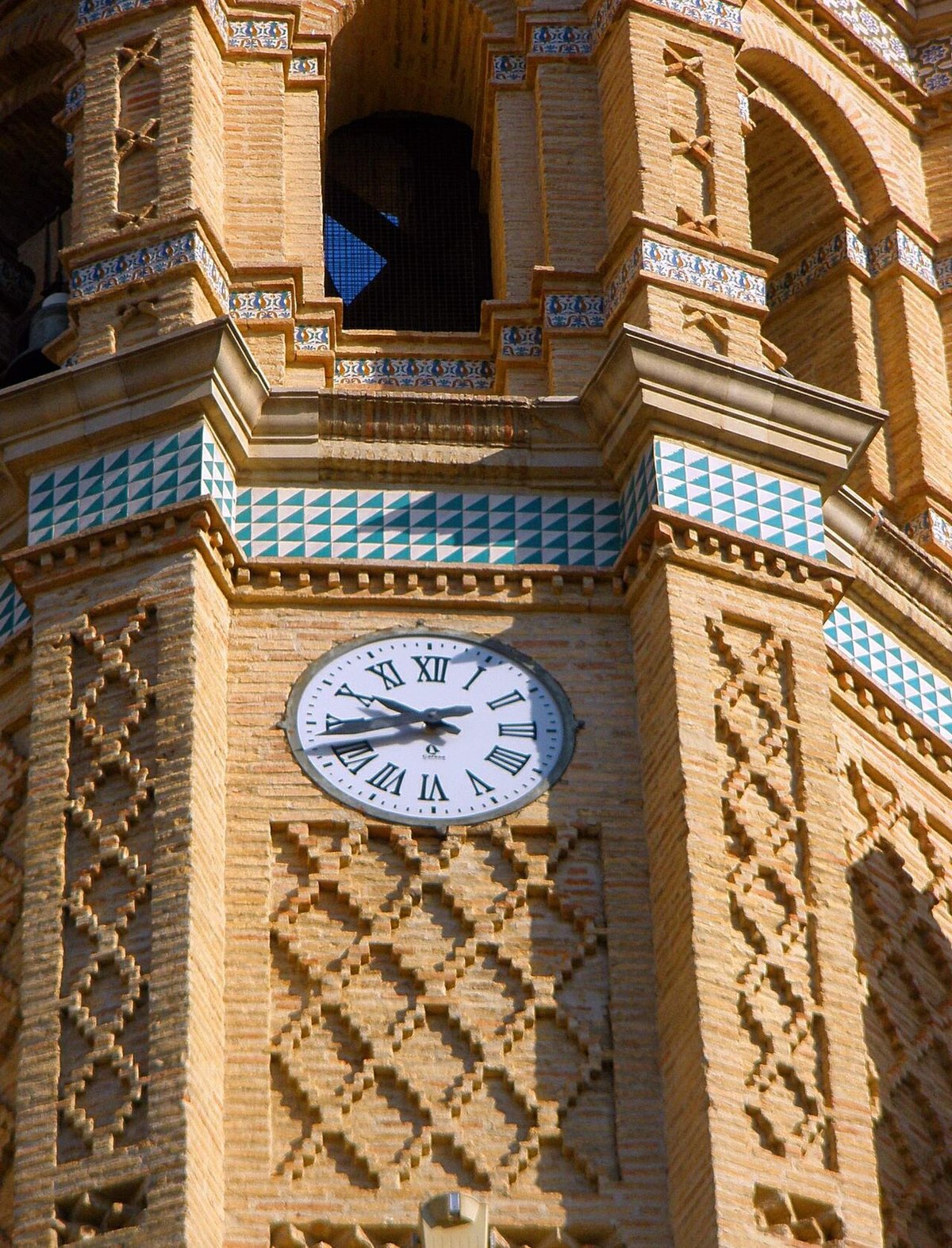
The 16th-century Iglesia de San Miguel Arcángel squats at the top of the rise rather than commanding the skyline; its medieval tower subsided in the 1748 earthquake and was sawn off in consequence. Inside, the retablo mayor still keeps its gold-leaf intensity because the parish locks the doors at sunset sharp—no footfall lighting, no audio guide, just the faint odour of beeswax and the creak of cedarwood pews. Donations are dropped into an earthenware pot by the south transept; 50 céntimos will do, though the caretaker eyes up foreign coins with the suspicion of a man who once had to prise out a Swedish krona with pliers.
Eating by the Irrigation Ditch
There is no Michelin bib here, and locals like it that way. Lunch is taken at 2 p.m., not a minute earlier, and it is usually menestra de verduras—a stew of whatever the market gardener harvested at first light: cardoons, artichokes, maybe a fistful of borage if the frosts have stayed away. Lamb shoulder arrives later, slow-roasted in a wood-fired oven until the bone slides out like a drawer. Expect to pay €14–18 for the three-course menú del día, bread and half-bottle of Cariñena wine included. Vegetarians survive on tortilla and roasted piquillo peppers; vegans should consider a day-trip back to Zaragoza.
Thursday is street-market day. Stallholders drive in from nearby Calatayud or even Teruel, unfolding aluminium frames that clatter like rifle shots in the morning hush. Apricots sold at 11 a.m. will be jam by 8 p.m.; the best cheese stall packs up by noon. Bring cash—notes of €20 or smaller—because the mobile card reader still loses signal every time someone uploads a video of the jota dance group rehearsing outside the chemist.
When the Village Decides to Celebrate
Fiestas may look modest beside Pamplona’s bulls or Valencia’s pyromania, but they are taken just as seriously. San Miguel (29 September) turns the football pitch into an open-air ballroom: couples range from nine to ninety, the band’s brass section has an average age of seventy, and the mayor hands out bags of roasted almonds printed with the municipal shield. If you hate crowds, steer clear. If you want to learn the jota in real time, stand near the cider lorry—locals will grab your wrists and spin you until the plaza blurs.
January brings San Antón and the blessing of animals. Dogs wear neckerchiefs, a Shetland pony sports coloured ribbons, and one year even a pet hedgehog turned up in a hamster ball. The priest, accustomed to tractors parked beside the confessional, sprinkles holy water with a garden spritzer. Photographers are welcome; flashguns are not—animals bolt, owners scowl.
Getting There, Staying There, Leaving Again
Villamayor has no railway station. From the UK, fly to Zaragoza (direct from London-Stansted with Ryanair, March–October, roughly £45 return if you catch the Tuesday sale). From the airport, a €25 taxi ride door-to-door beats the irregular shuttle into the city. Alternatively, hop on the ALSA coach towards Huesca and ask the driver for “Villamayor centro”; the fare is €2.15 and services run every 90 minutes except Sunday afternoon.
Accommodation is limited. Hostal El Carmen has twelve rooms above the bakery (doubles €55, Wi-Fi patchy, windows either face the main road or the interior well—ask for the back if you sleep light). There is no pool, but the owner keeps deckchairs on the roof and will lend you a parasol shaped like a bull’s head. One boutique casa rural opened in 2022 on Calle Nueva; weekend rates nudge €120 and you get underfloor heating plus a Nespresso machine that nobody in the village knows how to service when it leaks.
Checkout time everywhere is noon, but the bus back to Zaragoza won’t appear until 13.45. Kill the gap in Bar Moderno opposite the church: coffee €1.30, tostada con tomate another euro, and the owner will guard your rucksack while you photograph storks on the bell gable. From Zaragoza Delicias station, the high-speed AVE reaches Madrid in 1 h 15 min, giving you a same-day connection to the airport and home.
Worth It?
Villamayor de Gállego will never make the front page of a glossy brochure. It offers no castle to climb, no ravine to bungee, no sunset that “takes your breath away”—a phrase the village would probably file under “respiratory complications”. What it does offer is a working slice of Aragonese life that has not yet been repackaged for the weekender trade. If you are happy measuring a place by the warmth of its bread at 8 a.m. and the willingness of strangers to correct your Spanish subjunctive, fifteen minutes from Zaragoza is close enough.