Full Article
about Brea de Aragon
Hide article Read full article
A Place That Doesn’t Try Too Hard
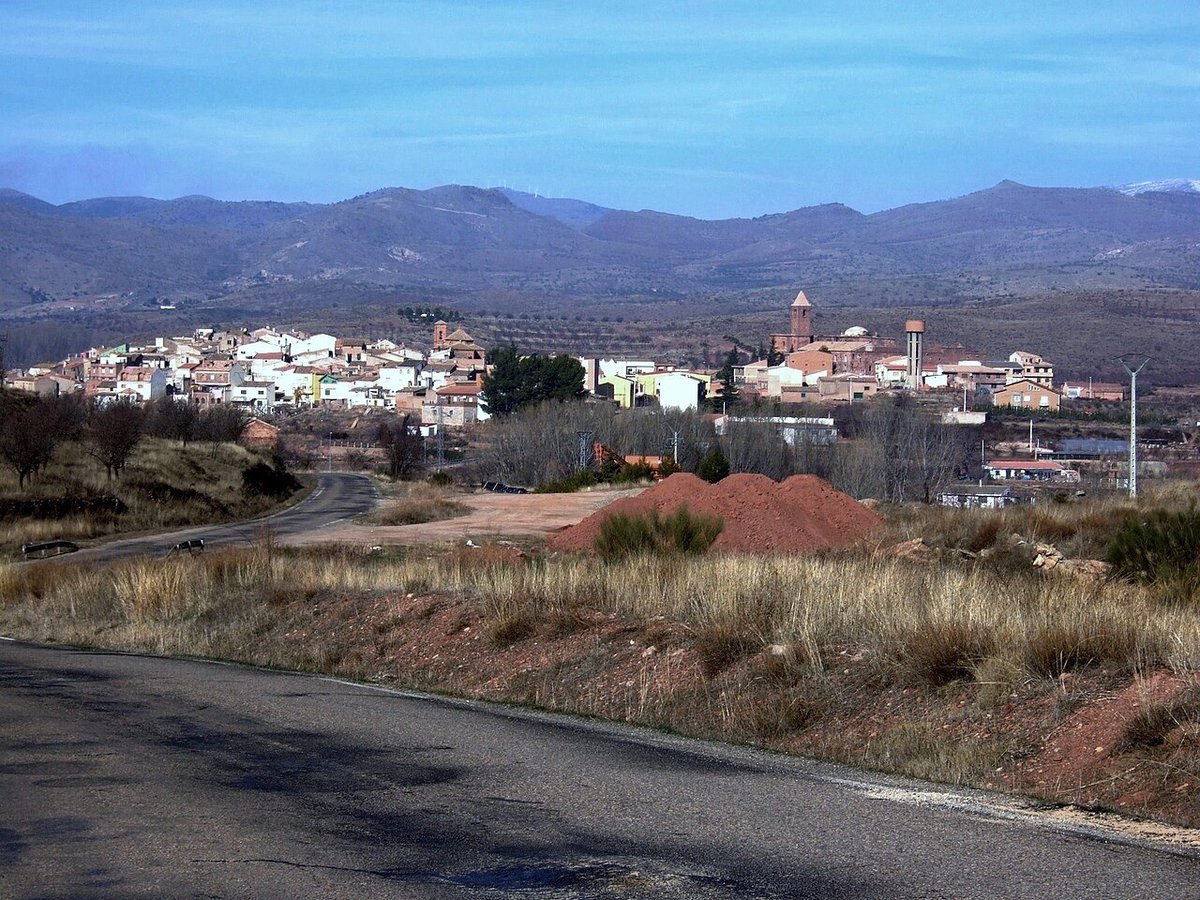
Some places you visit because everyone insists on them. Others appear almost by accident, spotted on a map while driving along a secondary road. Brea de Aragón belongs firmly to the second group. It sits in the comarca of Aranda and has around 1,500 residents. There is no sense of staging here, none of the presentation you find in destinations shaped by tourism. The feeling is different: a town that carries on with its routine while you spend a few days passing through.
The first impression tends to be straightforward. Brea does not try to impress. That, oddly enough, is part of its appeal.
The Shape of the Old Centre
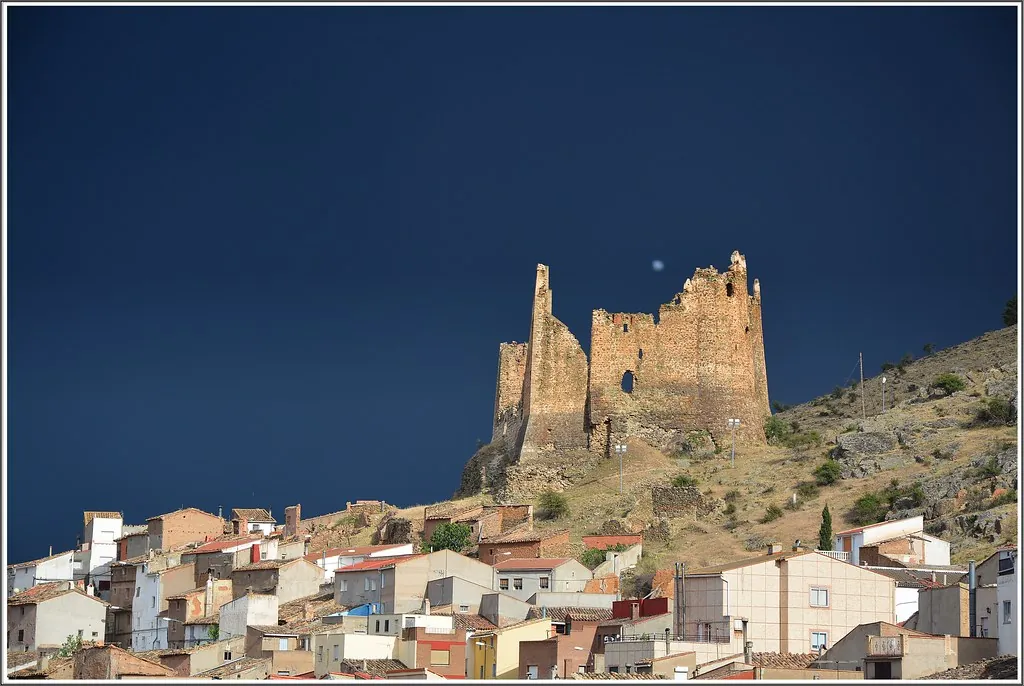
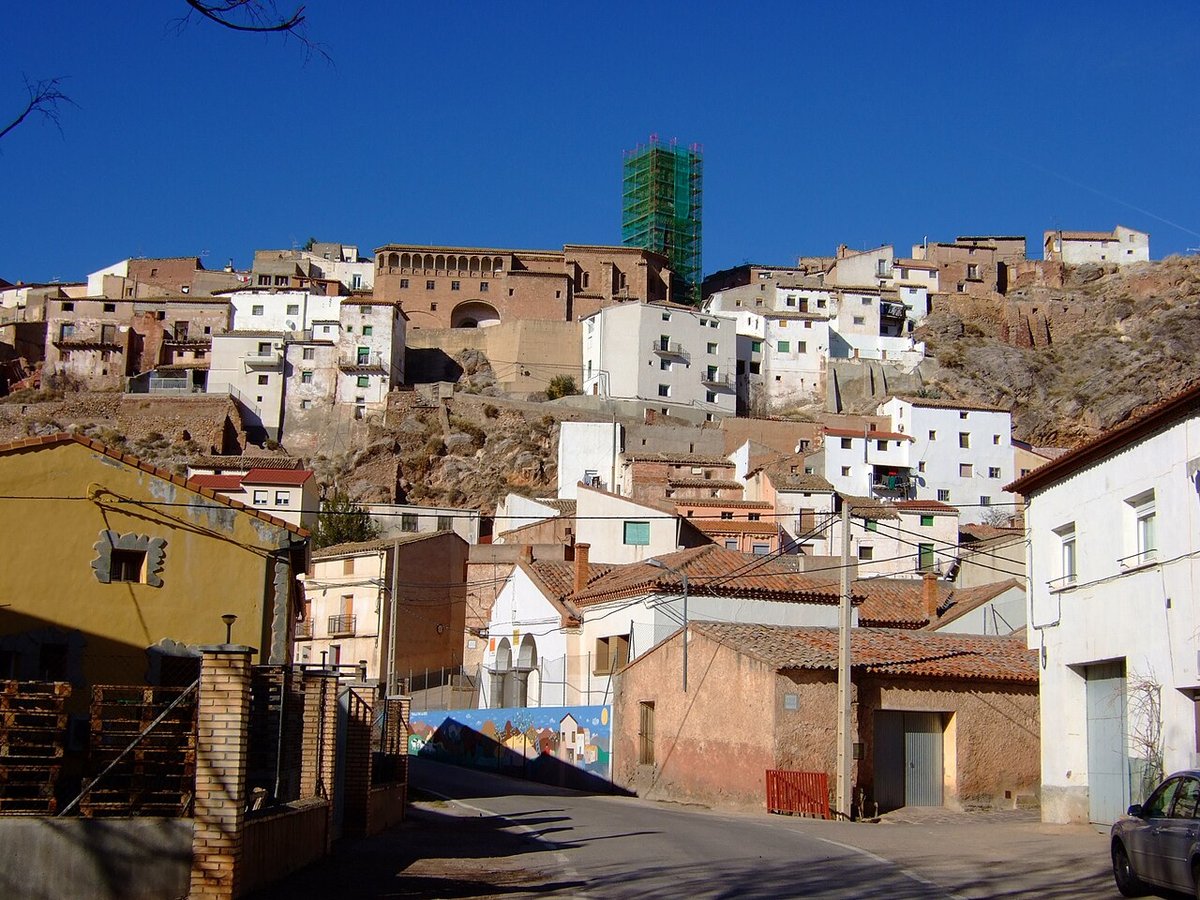
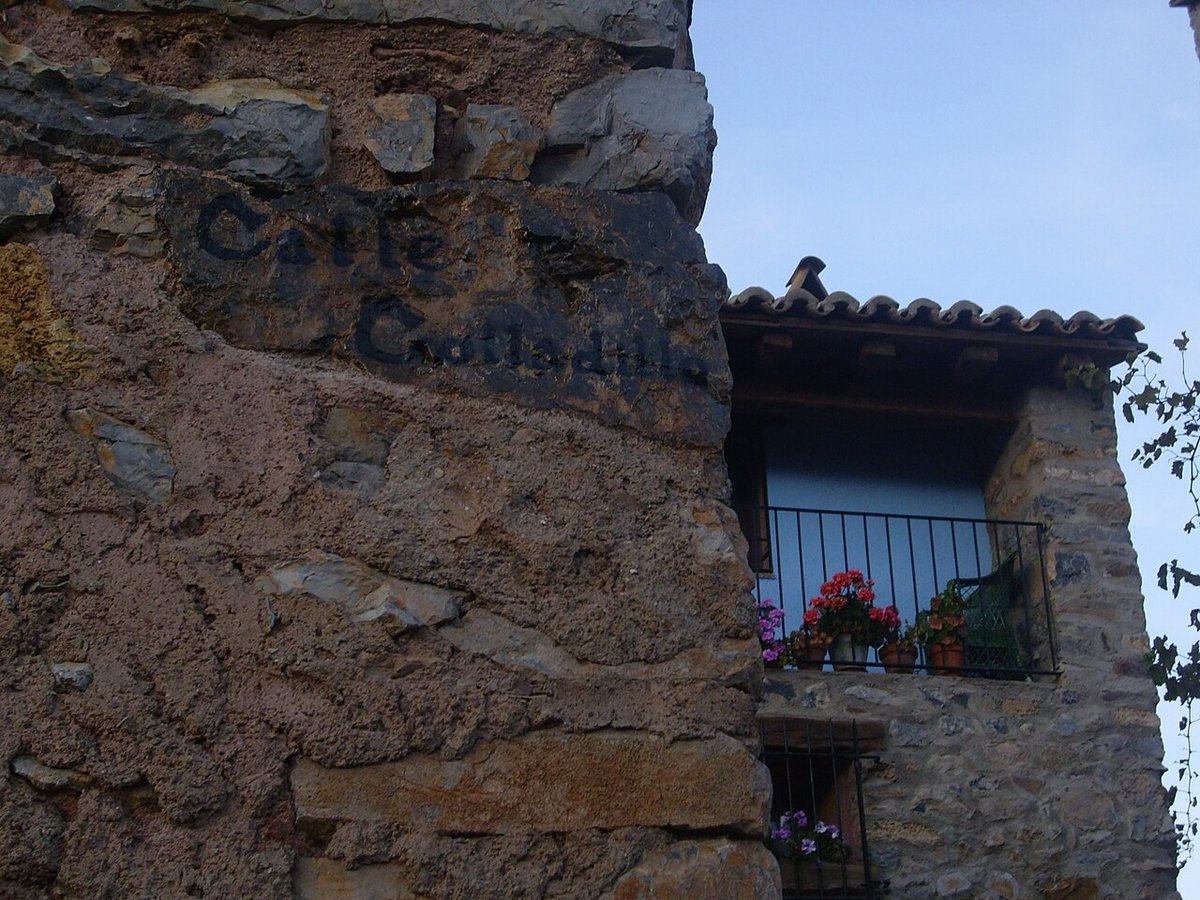
The centre is easy to cover on foot. Streets are simple, with a few short slopes, and houses built from pale local stone. There is no sense of decoration for show. These are homes that have shifted over time, adapted as needs changed.
The main square works as a kind of shared living room. Small things happen there throughout the day: someone stops for a chat, a car pulls up briefly, people drift in and out of the town hall. It is not a monumental space. It feels lived in, practical, and familiar.
Details reward a slower look. Wrought-iron balconies stand out on some buildings, and wooden beams still appear on older façades. These features rarely make it into guidebooks, yet they say a lot about how construction was once approached in this part of Aragón.
The Church and Its Landmark Tower
The Iglesia de Nuestra Señora de la Asunción draws the most attention when walking through the old quarter. From the outside, it appears restrained. Inside, the atmosphere shifts slightly.
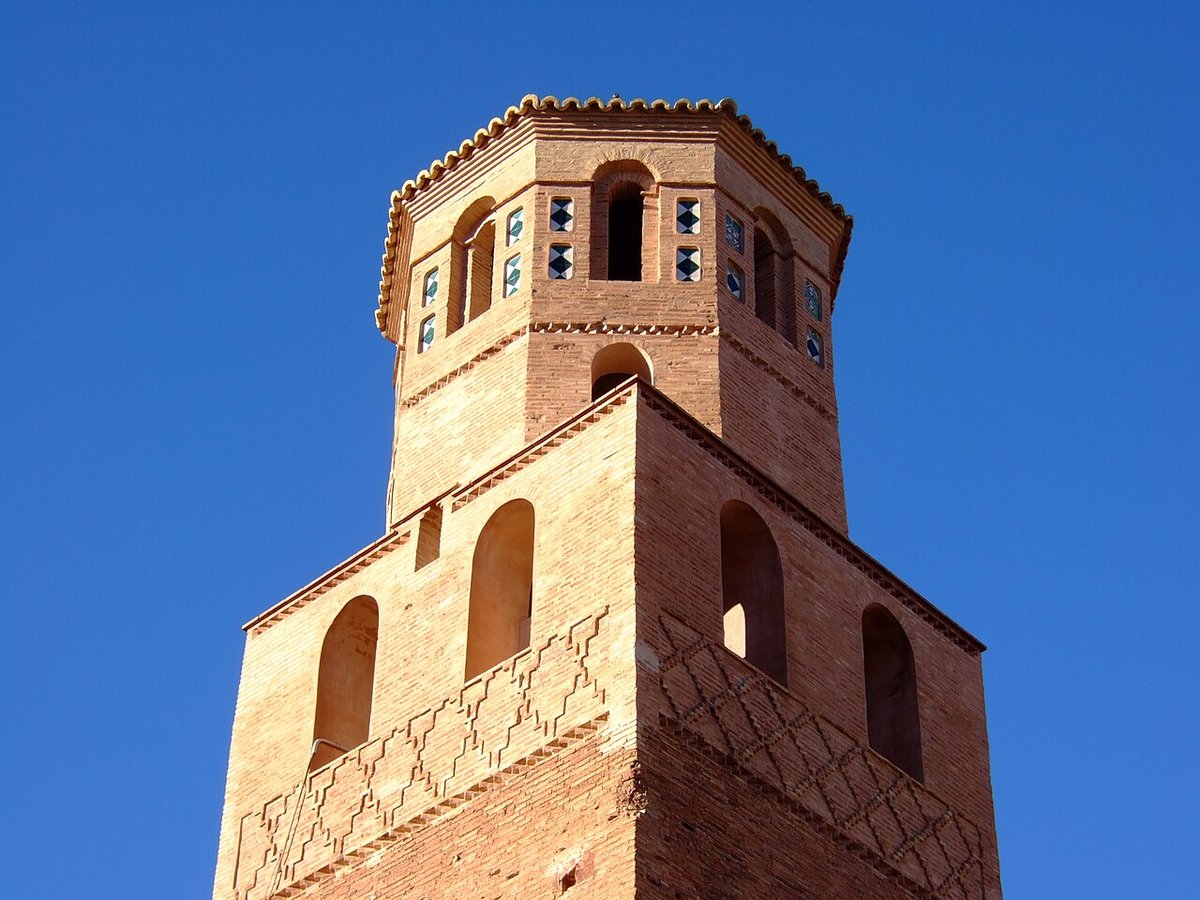
Baroque altarpieces are usually preserved, along with older religious carvings that invite a closer look. The tower, built in the Mudéjar tradition, has shaped the town’s outline for centuries. It is not especially tall, yet it is visible from many streets and works as a reference point while moving around the centre.
Paths Through the Aranda Valley
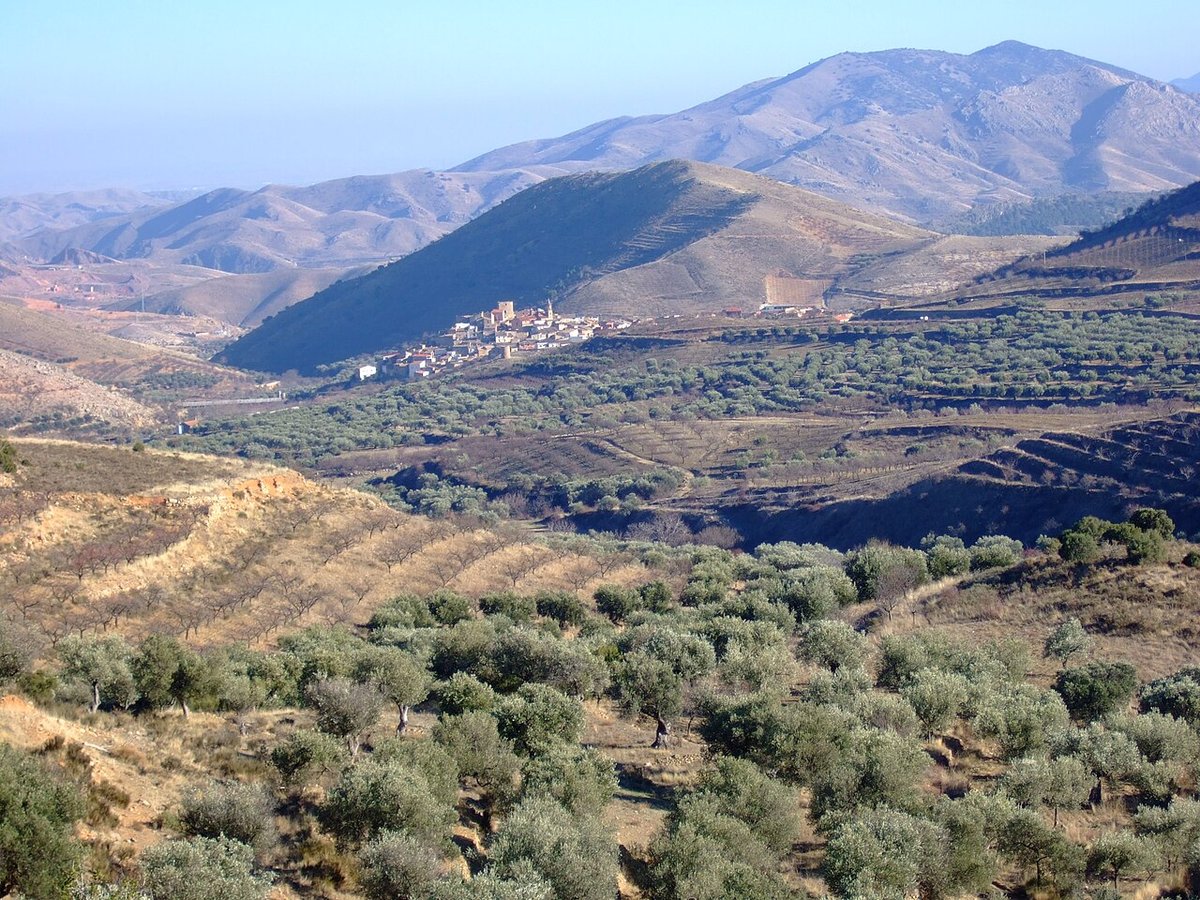
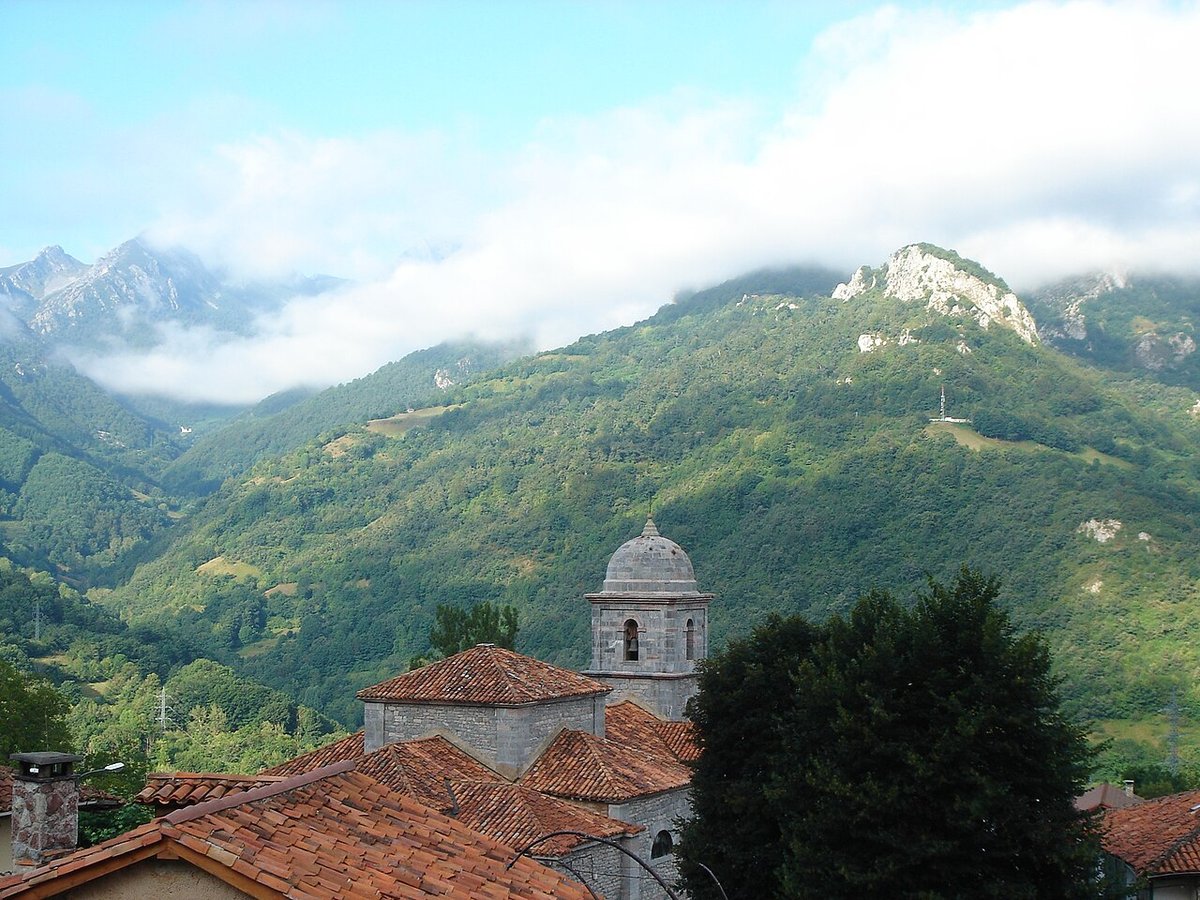
The town quickly gives way to open countryside. Dirt tracks and wide fields take over just beyond the built-up area. This landscape is typical of Aragón: broad terrain, scattered holm oaks, and a wide stretch of sky overhead.
Routes in the area often follow old agricultural paths. Some pass near the Barranco de la Hoz, where dry-stone walls still stand and narrow trails have remained in place for decades. These walks feel ordinary in the best sense. They do not seem designed for visitors. They feel like paths that have simply always been there.
Cycling is another way to move through the valley. Secondary roads link several nearby towns. There are no major mountain passes to tackle, though the wind can make its presence felt and shape the experience more than expected.
Food That Sticks to Tradition
Cooking in Brea de Aragón follows the pattern found across much of inland Aragón. The dishes are straightforward and filling, with no need for elaborate explanations.
Roast lamb appears regularly at family celebrations. Migas, a traditional dish made from fried breadcrumbs, remain common during colder months. Homemade cured meats still form part of many household pantries.
Wine from the nearby Campo de Borja area also circulates locally. It is easy to come across people who speak about it in a relaxed, everyday way, as something naturally woven into daily life rather than a special occasion.
When to Spend Time Here
Spring and autumn tend to be the most comfortable seasons for walking around Brea de Aragón and exploring the valley’s paths. Temperatures are moderate, and the landscape shifts noticeably between greener fields and the drier tones that arrive later in the year.
Summer brings strong heat at certain hours. The usual rhythm adjusts accordingly: earlier starts, activity in the morning, and quieter afternoons. Winter makes the cold more noticeable, especially when the wind picks up.
Local festivities revolve around the Virgen de la Asunción in August. Other traditional events remain part of the calendar, such as the bonfires of San Antón in January and the romería of San Roque, which draws a good number of residents.
Brea de Aragón is not a place built around a long list of attractions. It suits a slower visit: a few hours walking, some time spent in the square, and a gradual sense of how the town moves. Often, that is more than enough.