Full Article
about Calcena
Hide article Read full article
A village on the southern side of Moncayo
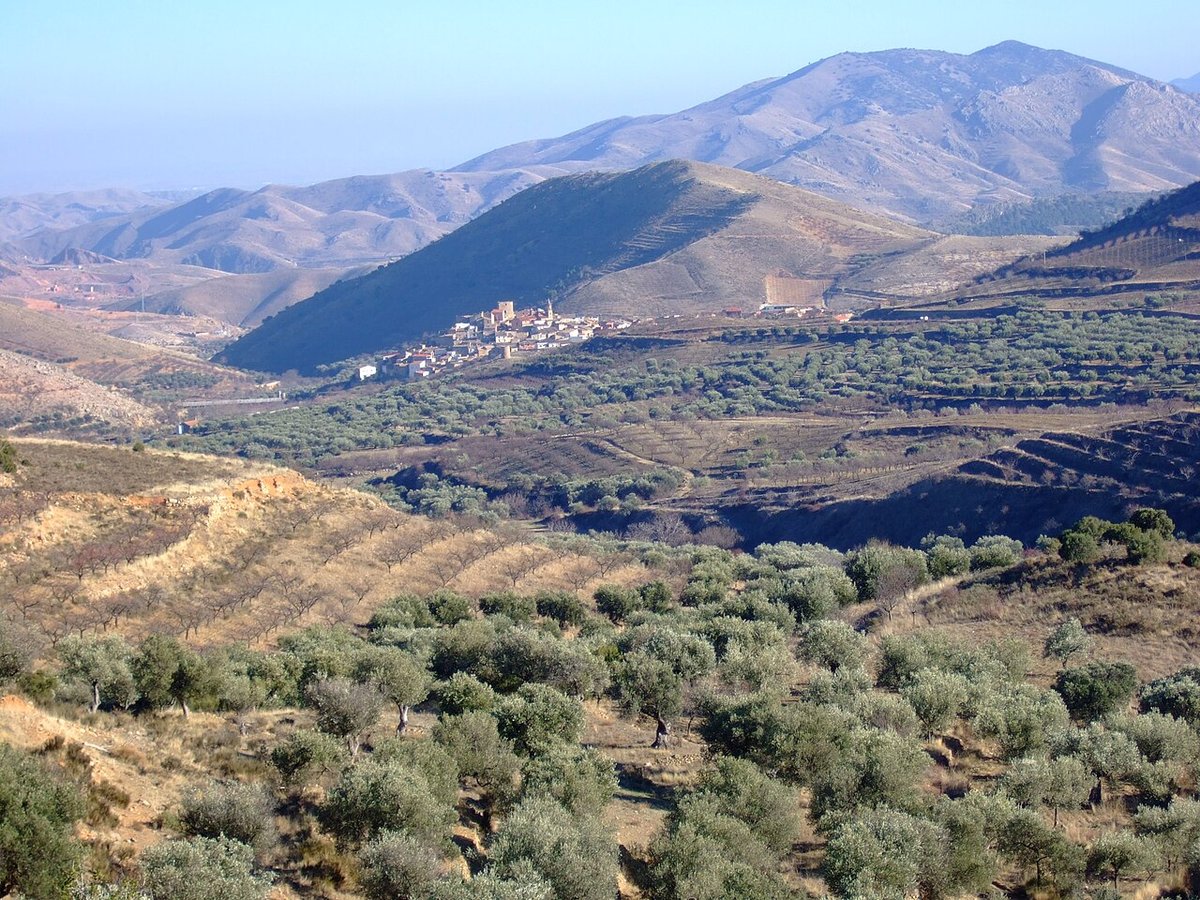
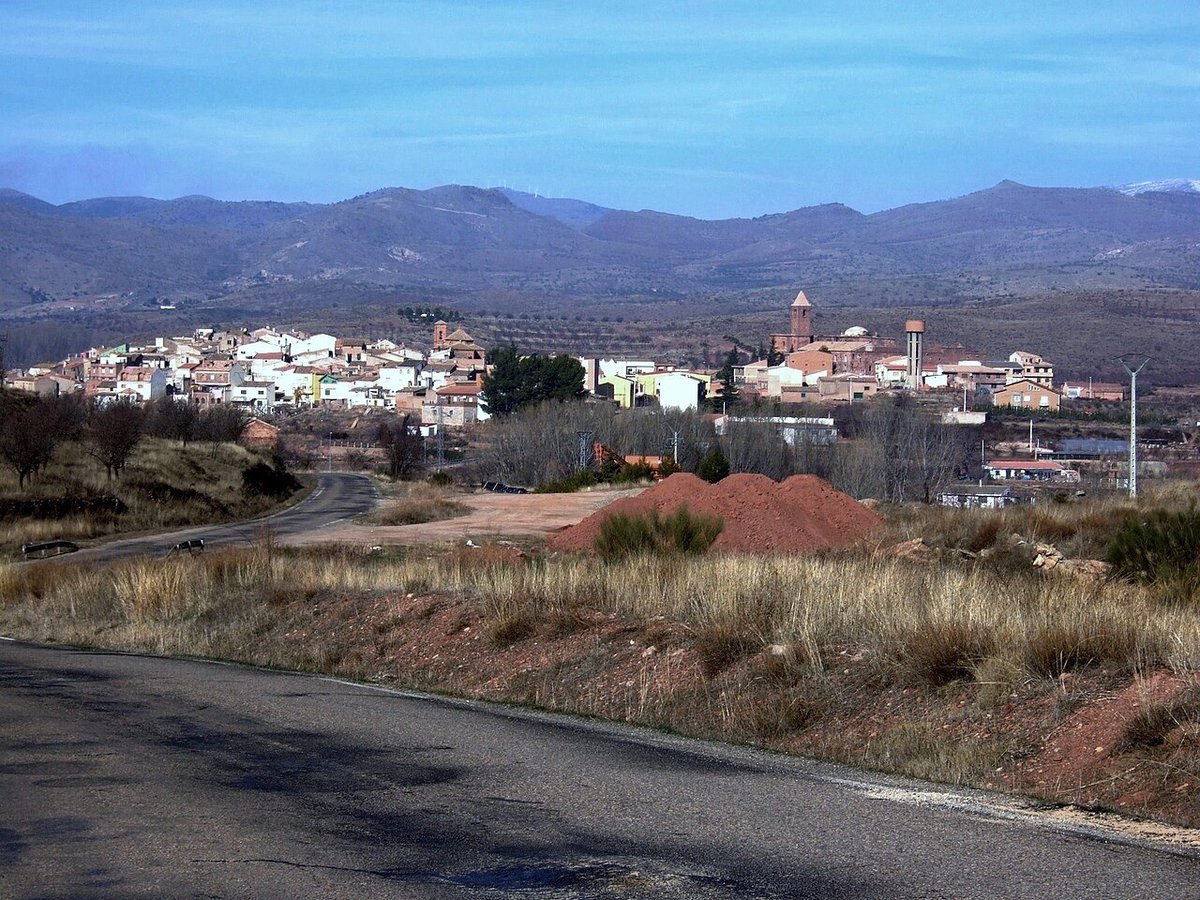
Tourism in Calcena begins with its location. The village sits on the southern slope of Moncayo, within the Aranda comarca, in a stretch of the Iberian System where the land folds into ravines, stony hillsides and small agricultural valleys. Around 65 people live here today. It lies away from the busiest routes linked to Moncayo and keeps a pace shaped by farming and the surrounding hills.
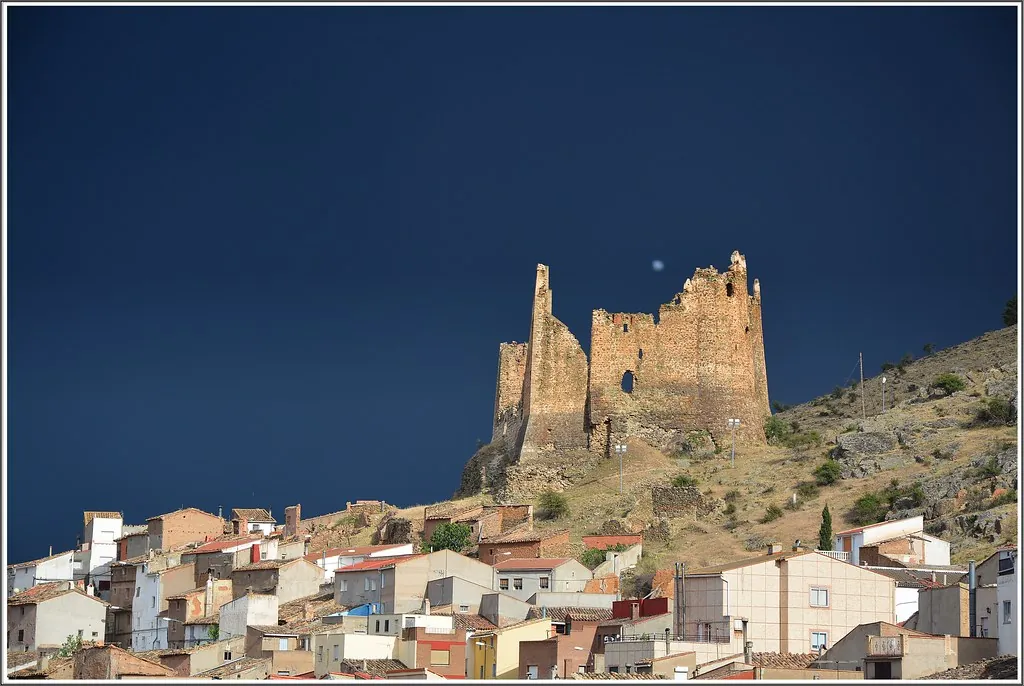
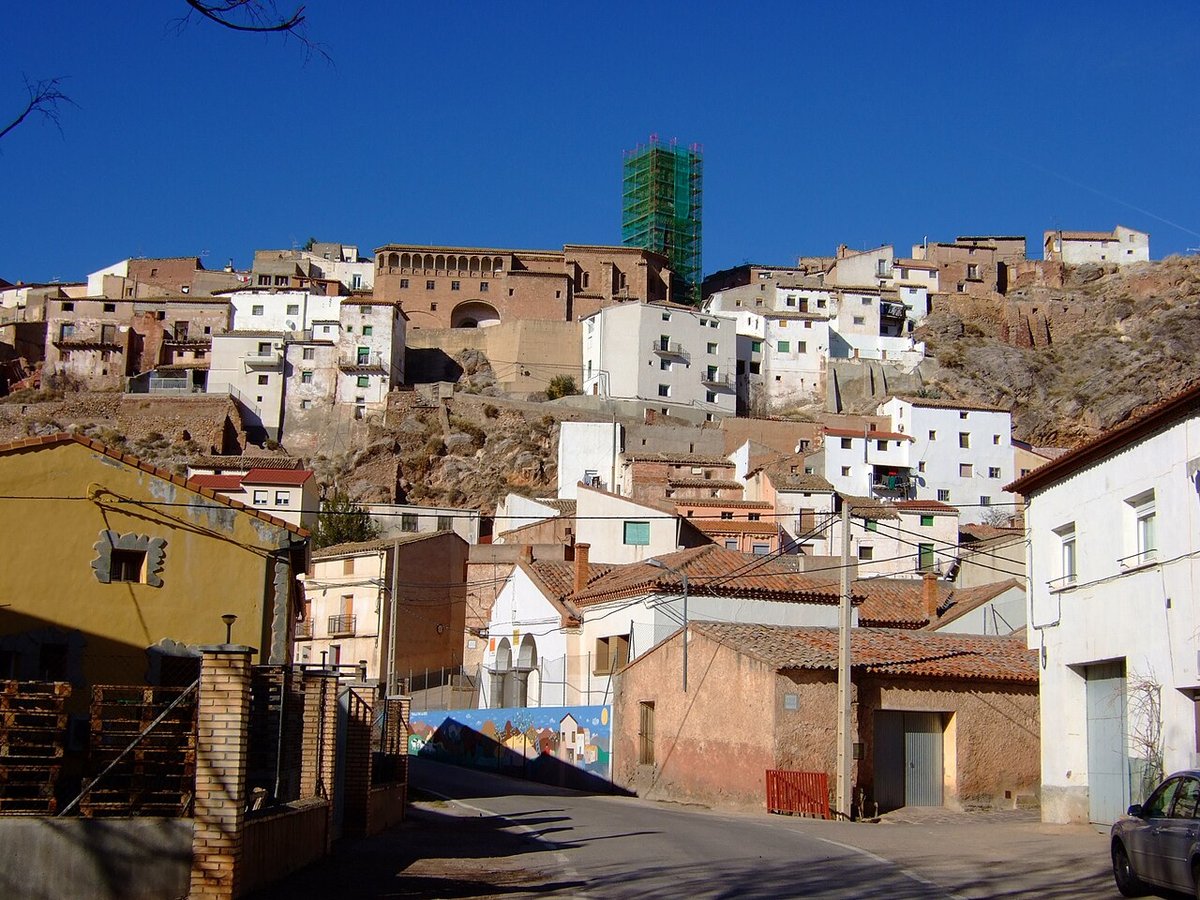
The settlement gathers around the church of San Miguel Arcángel, a building generally dated to the 16th century, though altered over time. From this centre, the village spreads across the slopes, with short streets and noticeable changes in level. The landscape around it is dry in summer and visually stark: rock, scrub and cereal fields that shift in appearance with the seasons.
Local architecture reflects these conditions. Houses are built in stone or rammed earth, with thick walls and roofs of curved terracotta tiles. There are no large landmark buildings, yet the whole village holds together with a clear sense of traditional construction typical of this part of the Aranda area.
Heritage and traces of the past
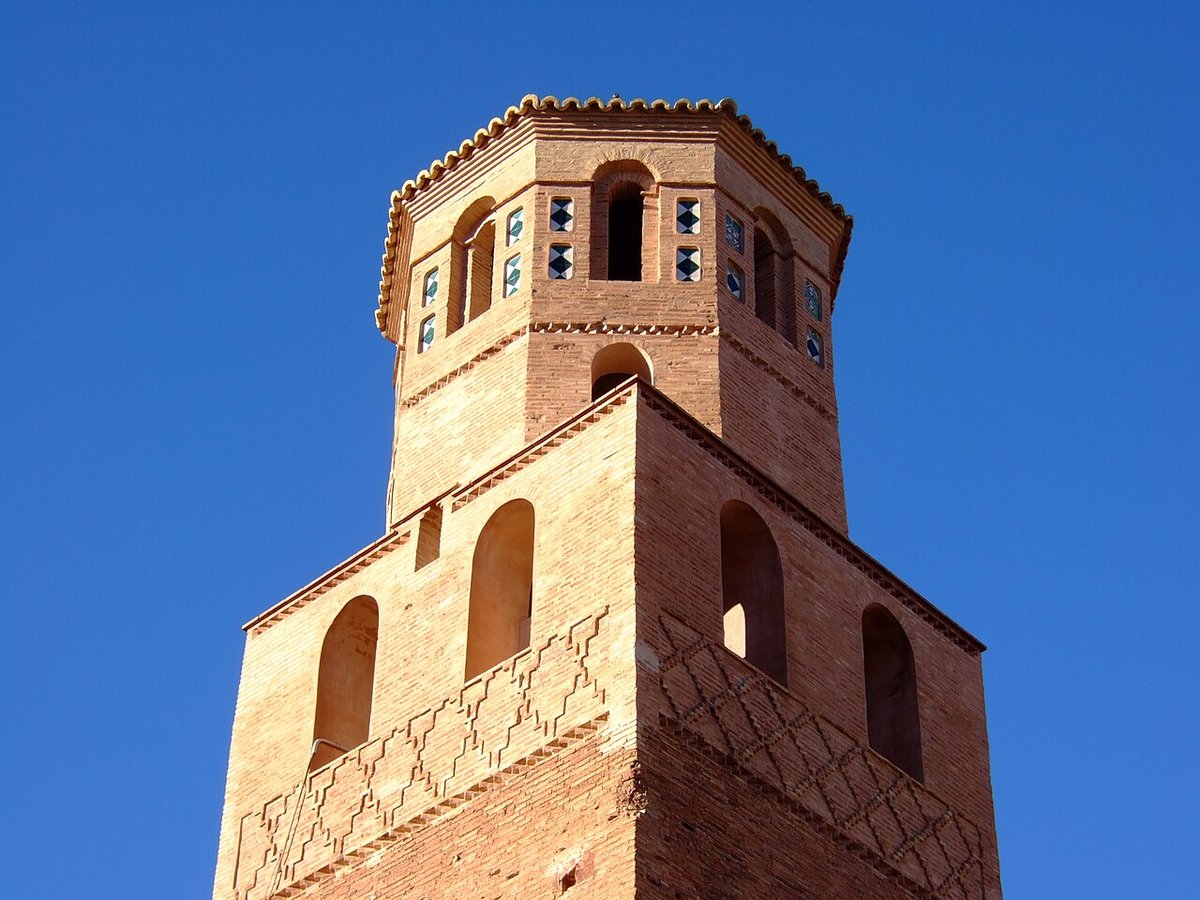
The church of San Miguel Arcángel dominates the centre. It is a solid structure without elaborate decoration, in line with many rural churches in the region. More than its interior features, what stands out is its role within the village. The atrium and the nearby square act as a meeting point.
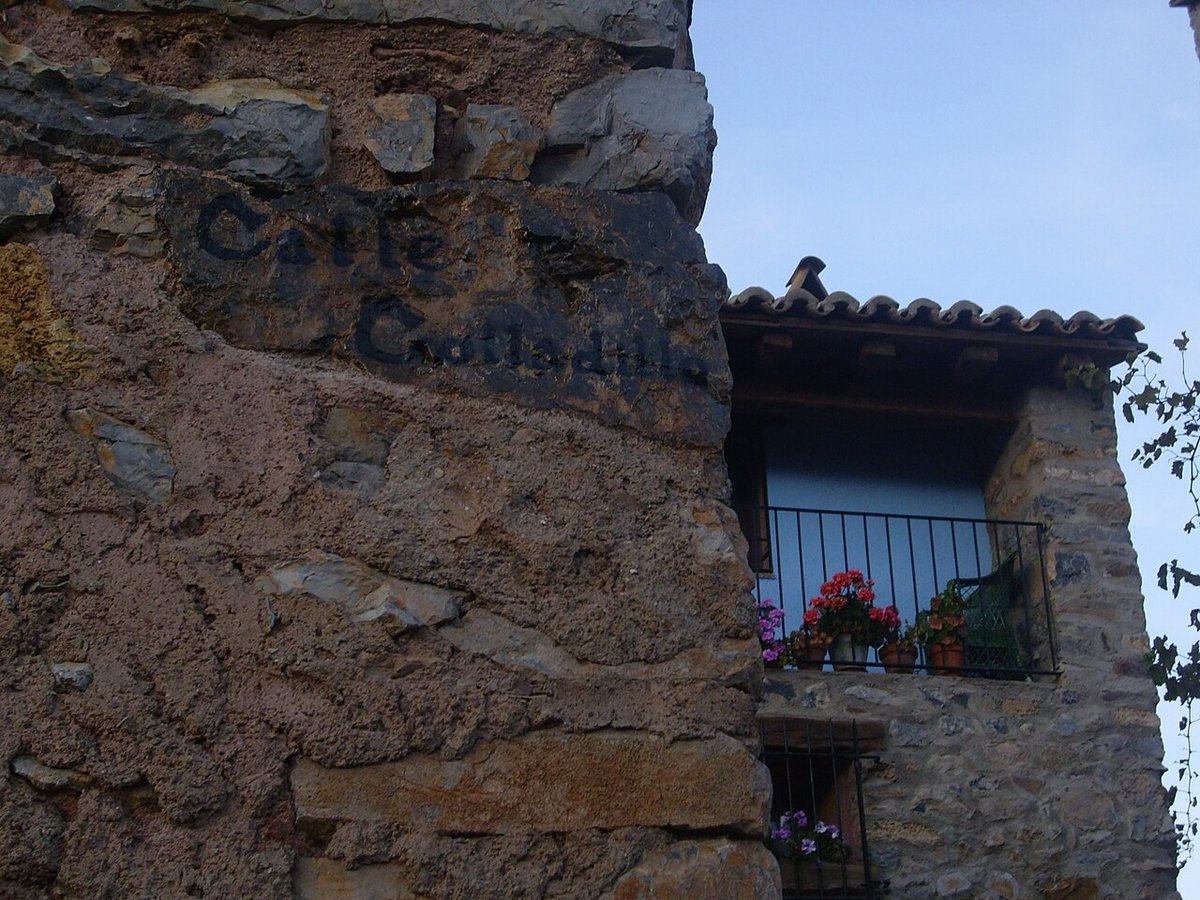
Walking through the streets reveals carefully worked stone doorways and some wrought-iron grilles. These details hint at periods when Calcena had more economic activity than it does today. Viticulture once had a presence here, and there are still wine cellars dug into the rock on the outskirts of the village, although many are no longer in use.
The immediate surroundings also carry geological interest. Ravines and rock outcrops clearly show the structure of this part of the Iberian System near Moncayo. This becomes especially noticeable after leaving the village for a short walk along agricultural tracks.
Walking the surrounding landscape
Several traditional paths start from Calcena, linking it with nearby ravines and ridges. Some are still used for farming or livestock, while others coincide with walking routes that cross the comarca. Signposting can be uneven in certain sections.
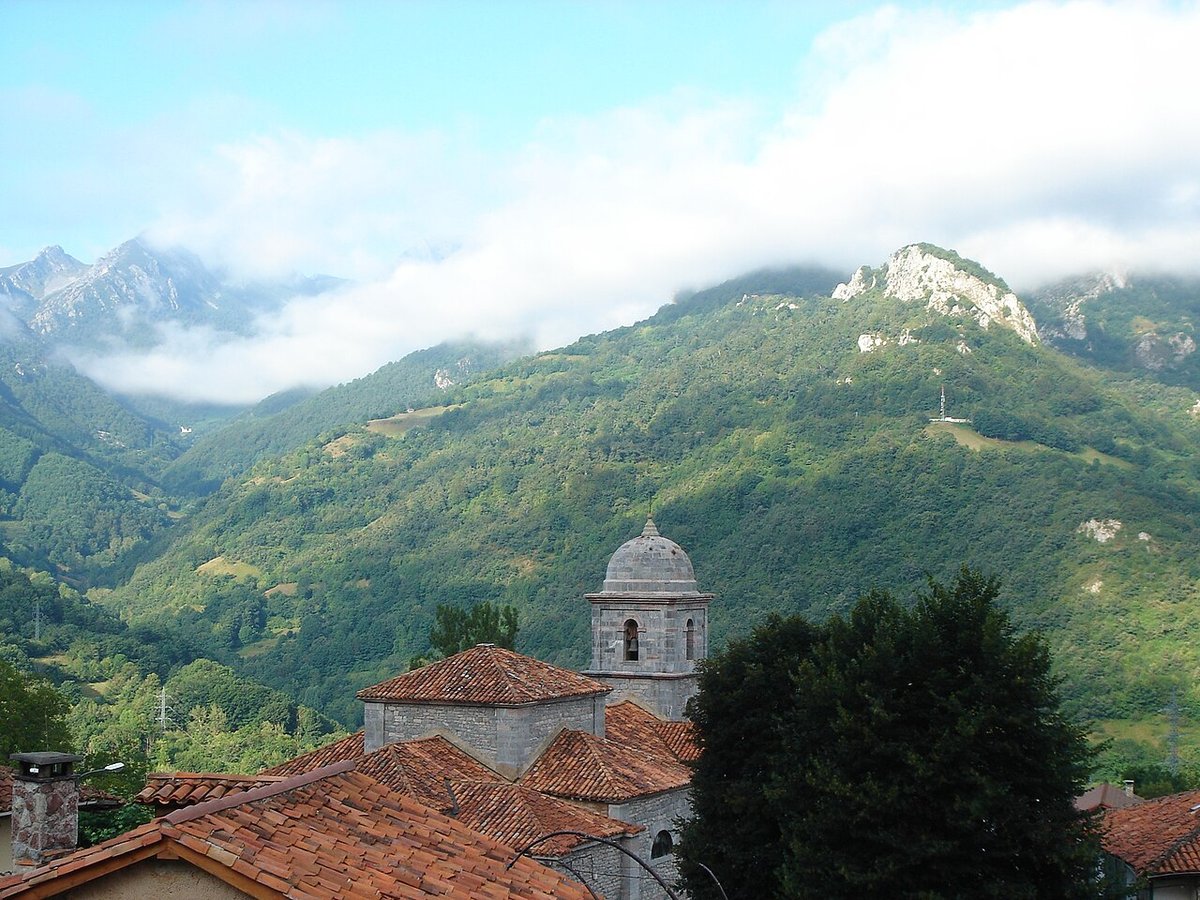
The landscape is not lush, but it has a distinct character: scattered pine woodland, low scrub and open fields where the contours of the land are easy to read. On clear days, higher points offer views of Moncayo to the north, although it is not always clearly visible from within the village itself.
Autumn brings people into the nearby hills to look for mushrooms, always with care and respect for private land. Early morning and late afternoon light tend to highlight the shapes of the rock and the depth of the ravines.
Traditions and local calendar
The main festivities are held around San Miguel Arcángel, the village’s patron saint. They usually take place in late September and combine religious events with gatherings for residents.
In January, the celebration of San Antón continues, traditionally linked to the protection of domestic animals. These kinds of festivities still carry weight in small villages like Calcena, where much of social life remains tied to the annual calendar of local celebrations.
Practical notes for visiting Calcena
Calcena is about 90 kilometres from Zaragoza. The usual approach is via the A-2 towards Calatayud, then continuing along regional roads into the Aranda valley. The final stretch includes a fair number of bends.
The village sits at around 800 metres above sea level, so nights can feel cool even in summer. Spring and autumn are generally the most comfortable seasons for walking in the surrounding area. Frost is common in winter.
The built-up area can be covered quickly. One or two hours is enough to walk the streets, reach the church and follow a nearby path to get a better sense of the landscape that shapes Calcena.