Full Article
about Gotor
Hide article Read full article
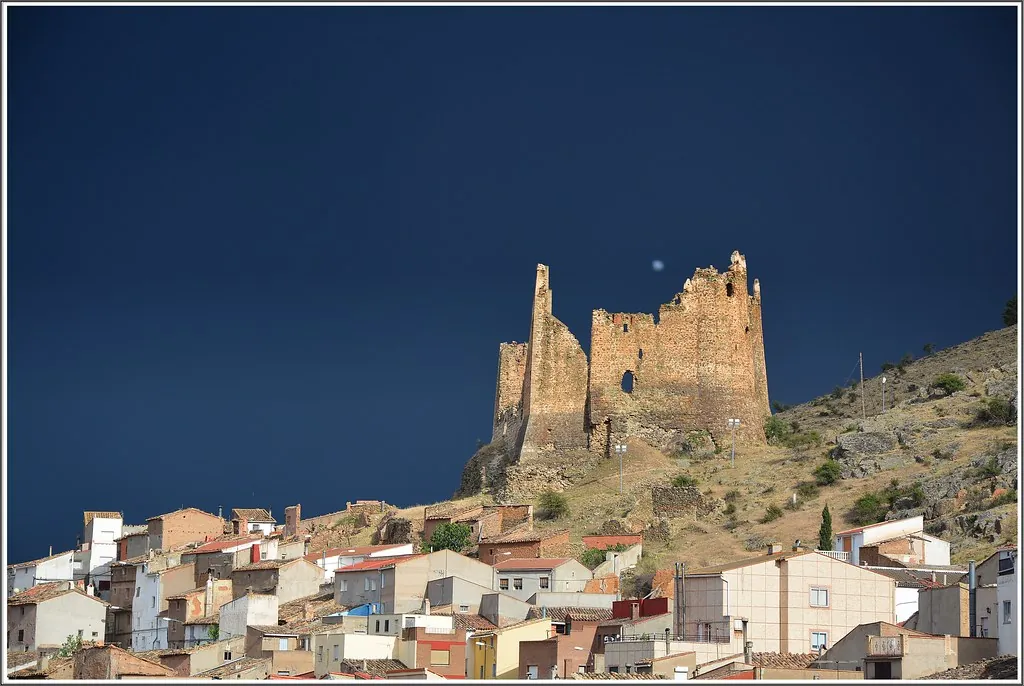
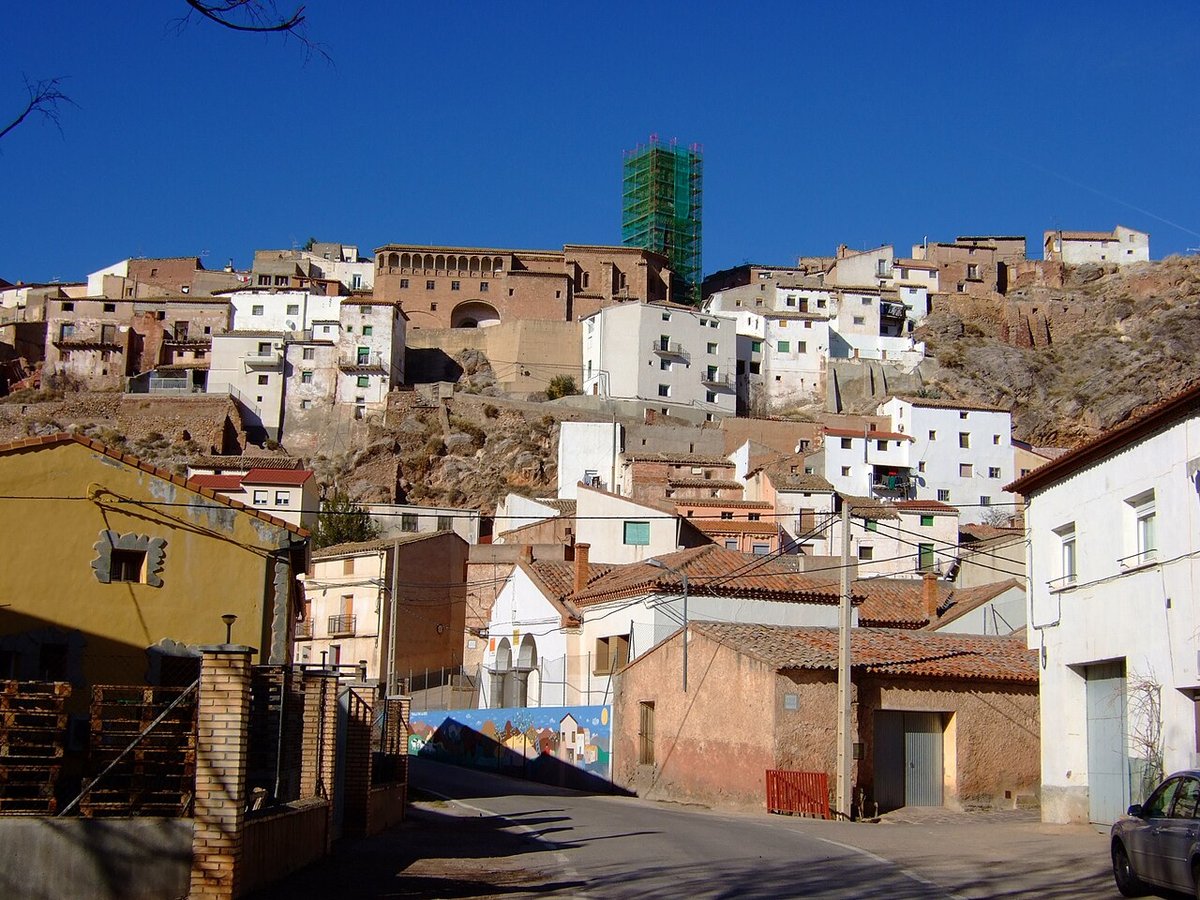
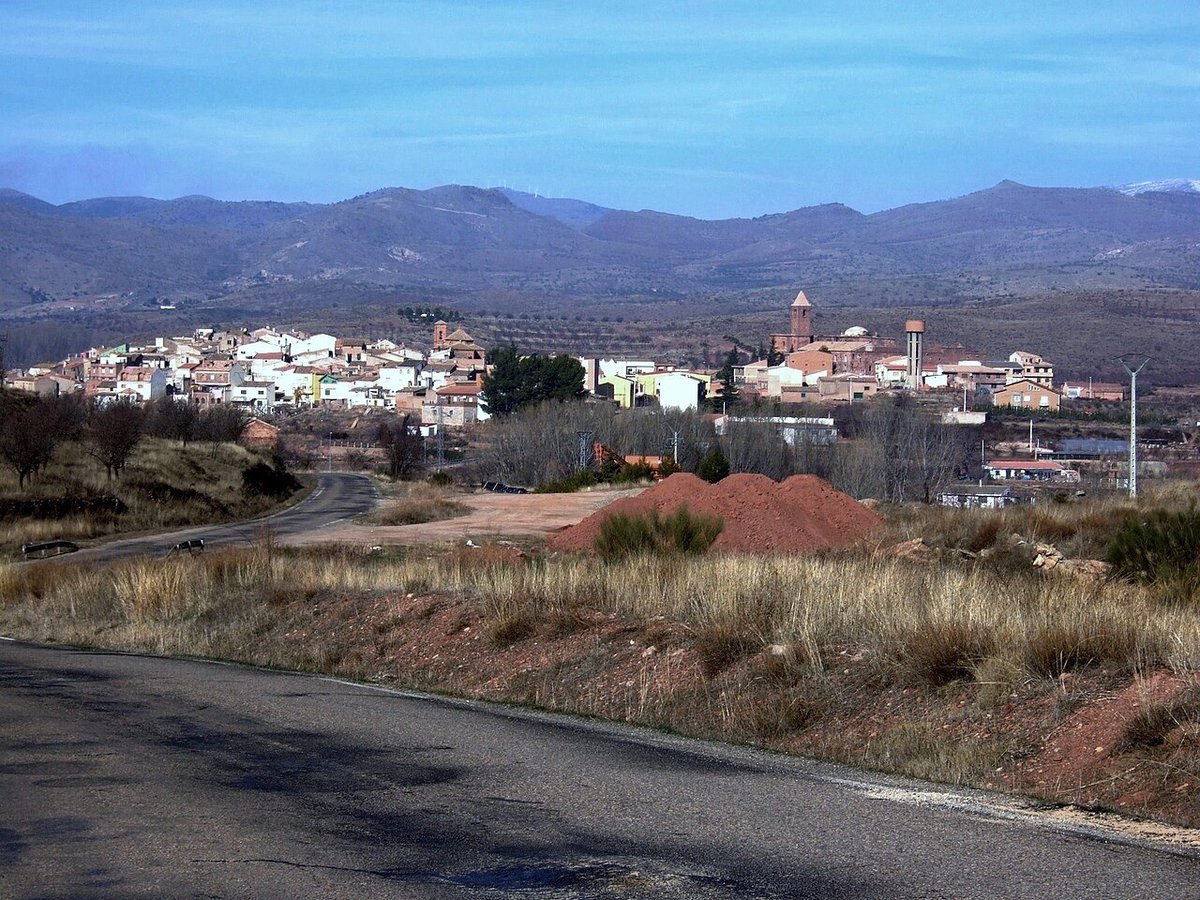
A shutter lifts somewhere, unhurried, and the morning air carries the dry scent of earth and recently turned soil. Gotor’s main square sits half in shadow, the sun still falling at an angle. From here, narrow streets branch out, where brick, stone and adobe meet without much order—the kind of layout that comes from a place growing slowly, one house at a time.
This village in the Aranda comarca moves to a different rhythm. You hear it in the distant rattle of a tractor, in the conversations that drift from doorways as the light fades. The day is measured by fieldwork and daylight, not by the clock.
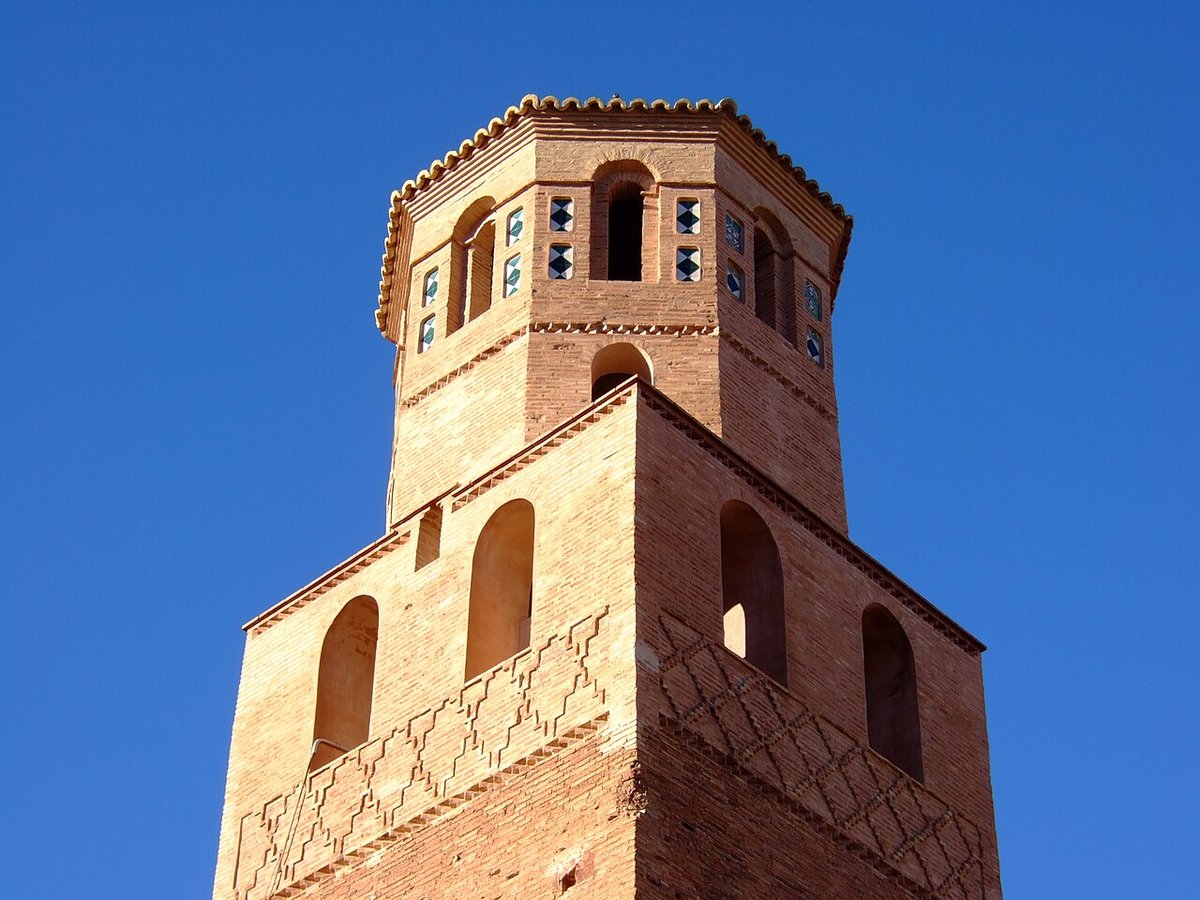
With just over three hundred residents, everything feels close. The parish church of the Asunción, with its brick tower, acts as a constant reference point. Look up between rooftops and you’ll see it. Its medieval origins have been softened by centuries of adaptation, not restoration.
Streets with the doors left open
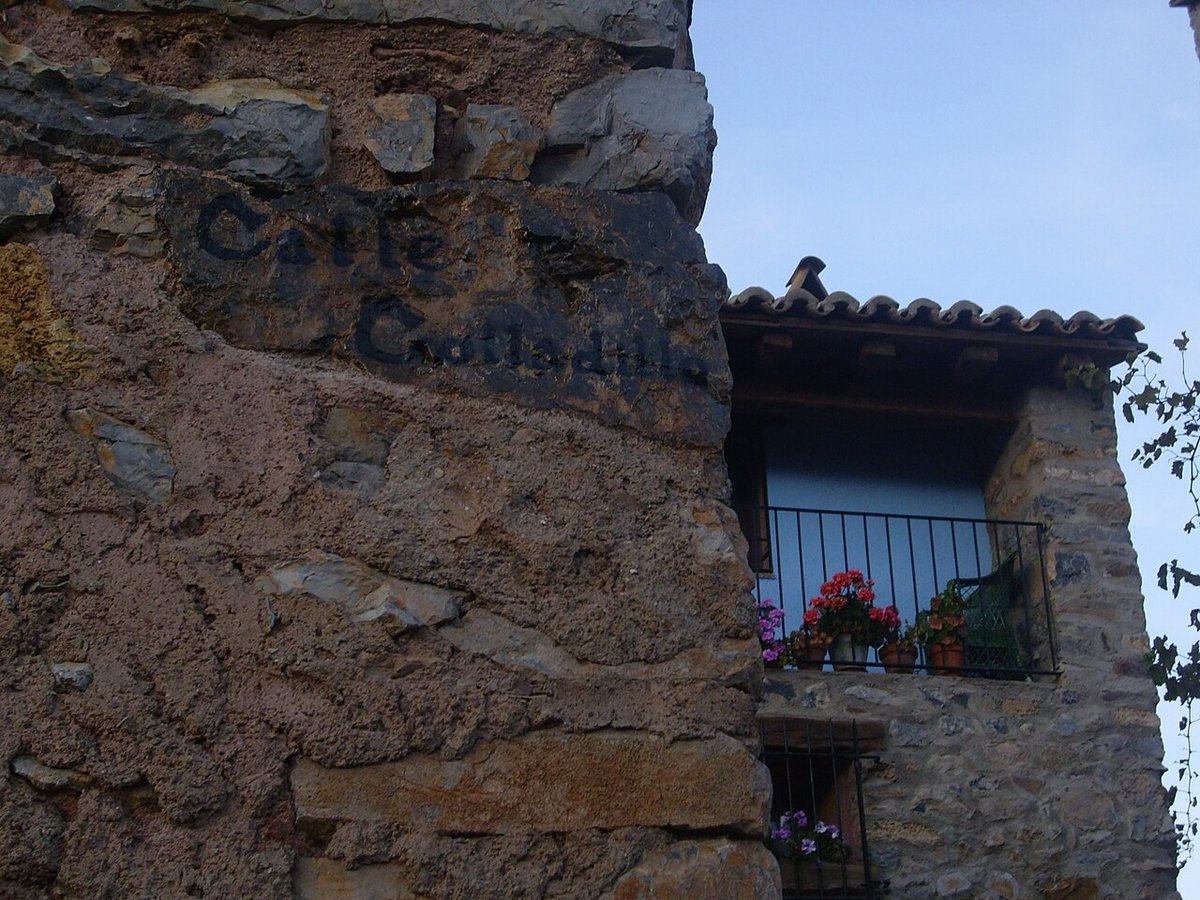
Walking here is simple. The streets are short, sometimes sloping gently underfoot. Many houses still have those large, arched doorways designed for bringing tools inside or sheltering a cart. You’ll see iron balconies holding pots of geraniums, their red a stark contrast to the ochre stone.
This isn’t a preserved quarter. It’s lived in. The sound of chickens comes from behind a wall; a cat suns itself on a windowsill piled with firewood. The continuity shows in the details: a repaired section of wall using newer brick, an old plough leaning in a corner of an interior courtyard.
Where the pavement ends
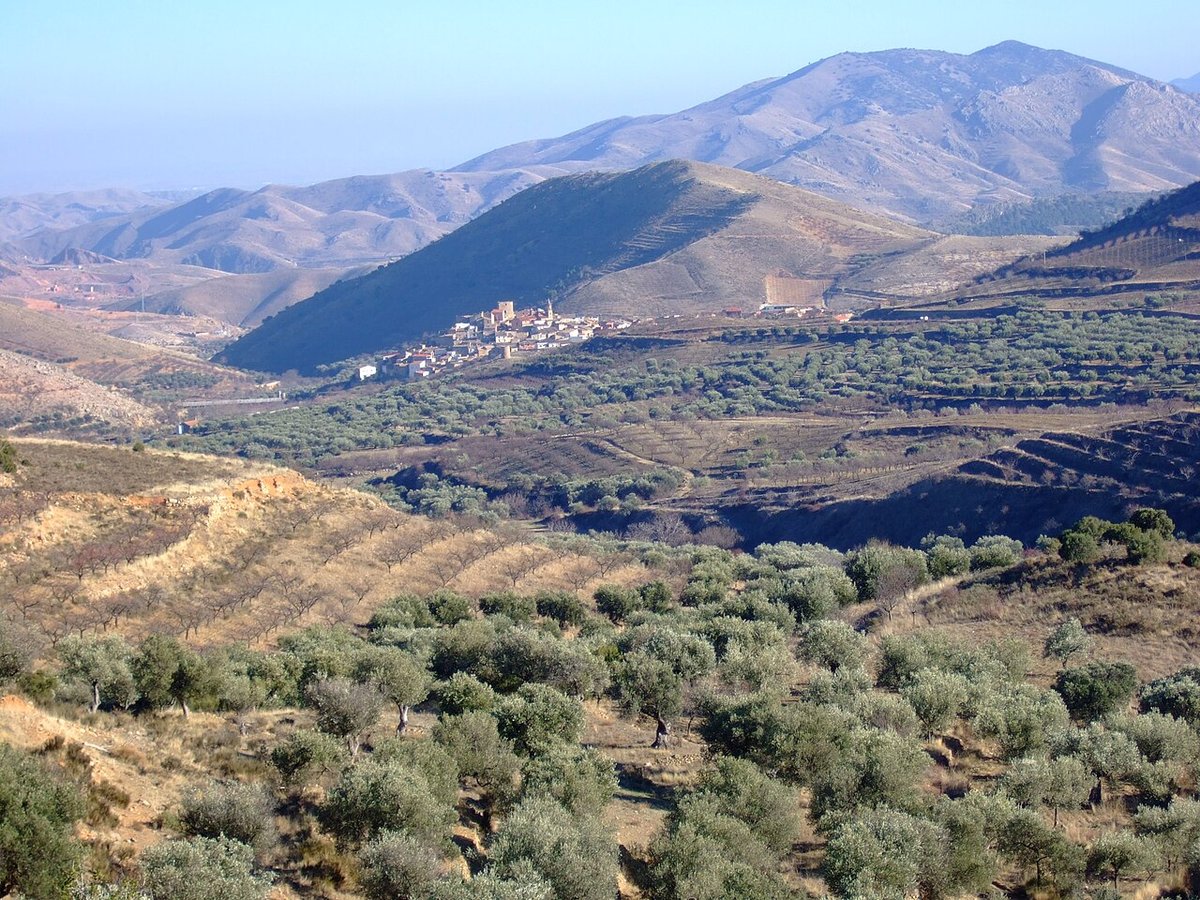
The transition from village to countryside is abrupt. One moment you’re on cobbles, the next your boots are on the dry earth of a farm track. The landscape shifts with the seasons. In spring, the cereal fields are a rippling green; by late summer they’ve turned to brittle gold, and dust hangs in the air above the paths.
Several agricultural tracks lead out from the village. They are working paths, not marked routes. Walk them at an easy pace, step aside for machinery, and avoid going out during the main harvest. In the ravines, where moisture collects, you might find someone tending a small vegetable garden.
The shape of the land
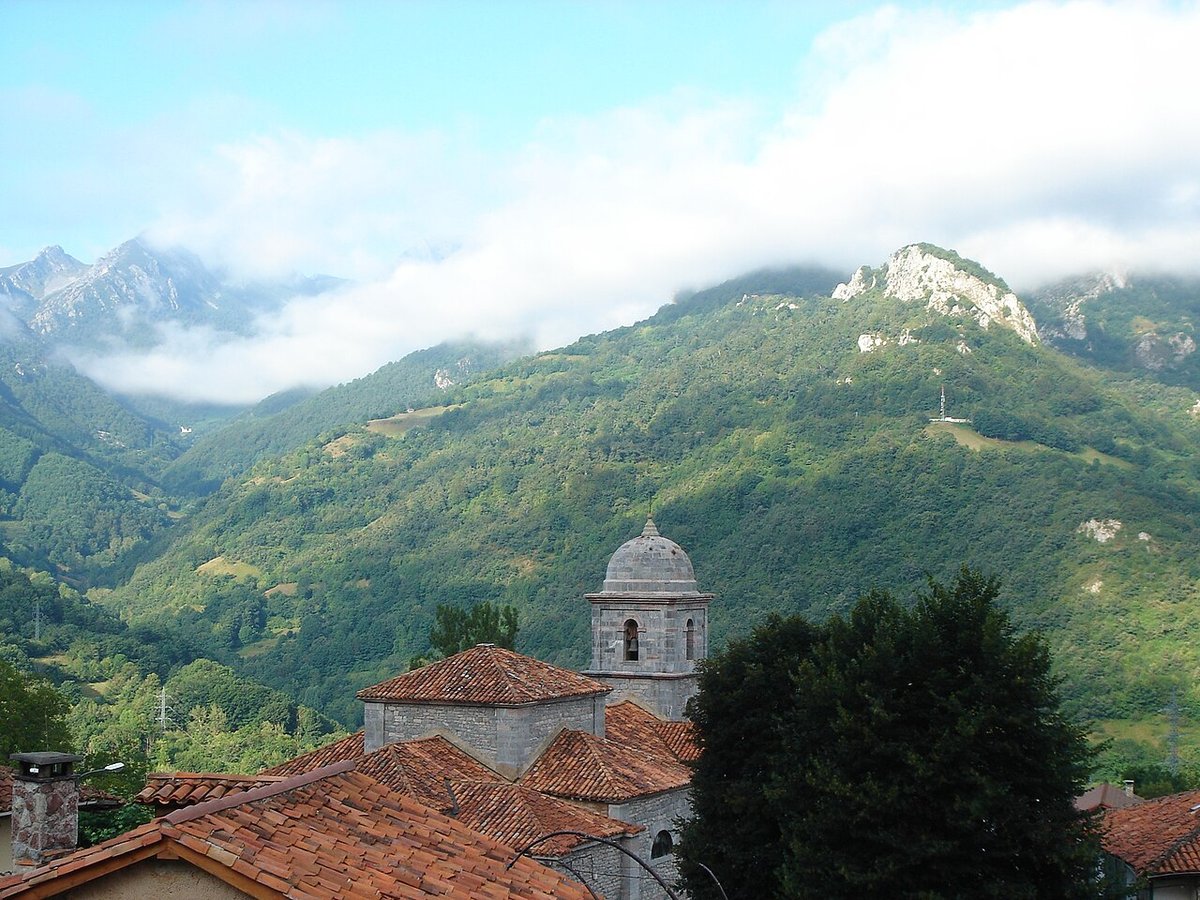
Take one of those tracks uphill and stop. The relief of the Sistema Ibérico unfolds—not as dramatic peaks, but as a succession of hills and folds in the earth. After a summer storm, when the air clears, every terrace and stone wall is etched sharply against the sky.
The light does most of the work here. In the last hour before sunset, long shadows emphasize every furrow and boundary. The view isn’t vast, but it is precise. You notice how a change in cloud cover alters the entire mood of the land.
On the table and in the calendar
What you eat here is shaped by what can be raised on this land. Lamb, cured sausages from local pigs, and stews that simmer for hours. There’s also a tradition of simple baking—heavy loaves and pastries made with lard, flour, and nuts from nearby trees.
The village changes noticeably in mid-August for the fiestas of the Asunción. Families return, filling empty houses. There’s music in the square at night. Semana Santa has its processions too, winding through the centre with a solemn pace.
But quieter customs mark time just as clearly: the autumn harvest, the winter matanza for making chorizo, the smell of woodsmoke on a cold morning.
A practical note on light and quiet
Come in spring or early autumn if you want to walk comfortably. Summer days are hot and still; bring water and plan to be indoors by midday. Evenings, however, cool down quickly. Winter is austere, and the wind cuts across open fields.
Don’t come with a checklist. Gotor reveals itself slowly—in the midday quiet when everyone is indoors, in the long shadow of the church tower stretching across the square at dusk. Spend an afternoon just sitting there. Watch how light moves across the brickwork. Listen to the village carry on at its own pace.
Its character isn’t found in monuments or itineraries. It’s in that continuity between stone and field, between daily sound and deep silence