Full Article
about Oseja
Hide article Read full article
A small stop in the comarca of Aranda
If you are thinking about tourism in Oseja, it helps to arrive with modest expectations. This is a very small village in the comarca of Aranda, with barely fifty residents and very little movement. It does not take long to see.
Parking is straightforward. You can leave the car at any of the village entrances without difficulty. There is no traffic to speak of and no regulated parking areas. Streets are narrow and some have uneven ground, so the easiest option is to park just outside and walk in for a couple of minutes.
Oseja works best as a short stop rather than a destination in itself. It suits those already travelling through the area who want to pause and take in a quieter side of rural Aragon.
The village itself
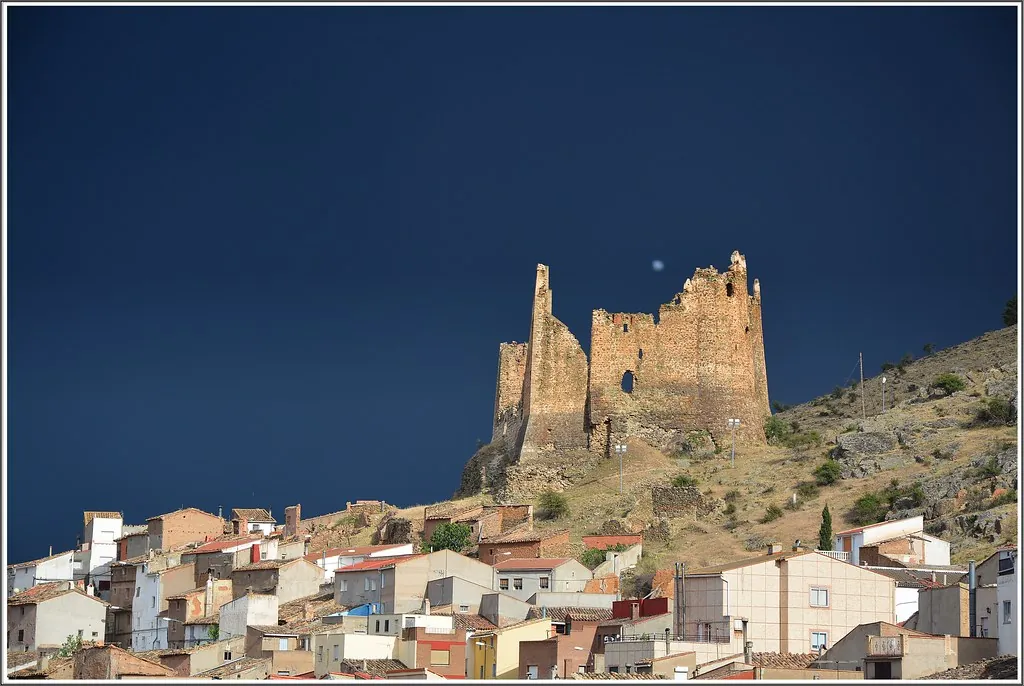
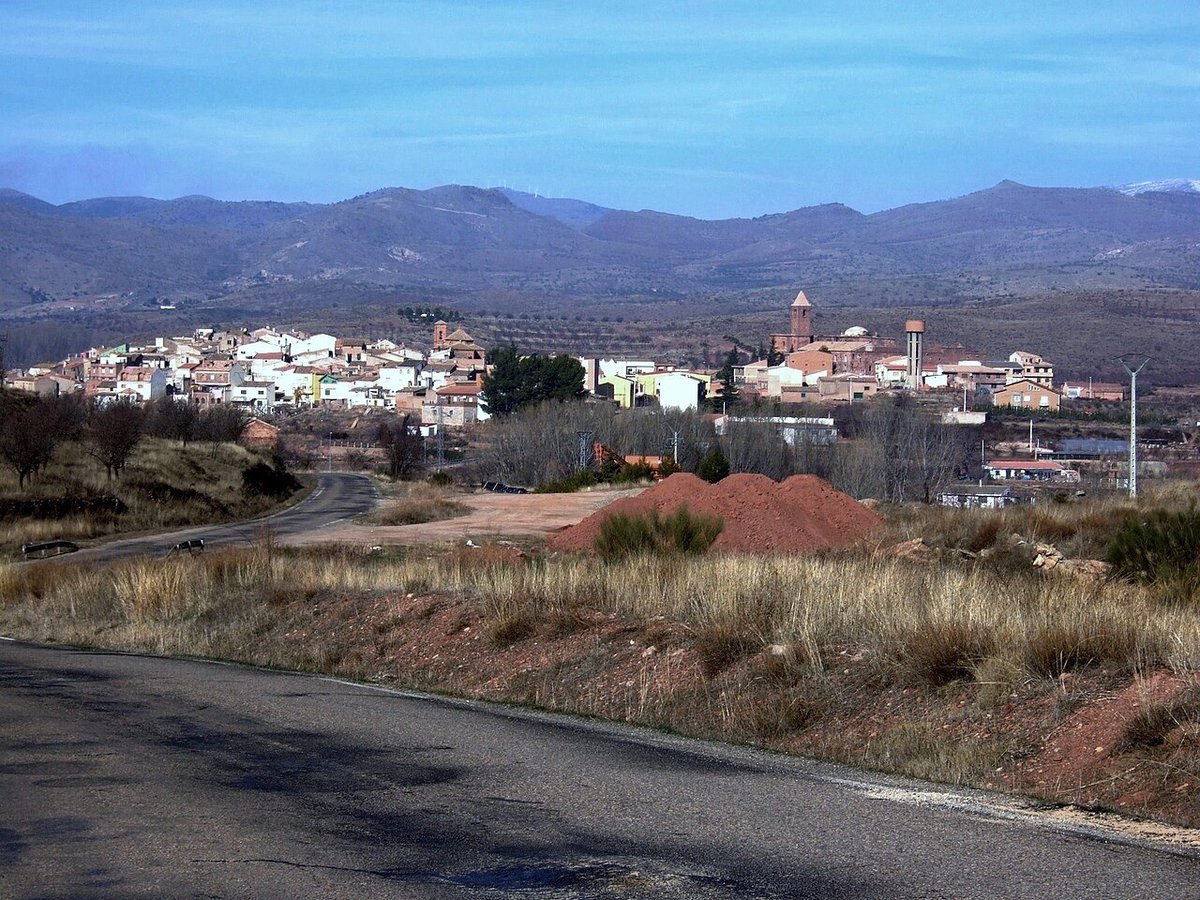
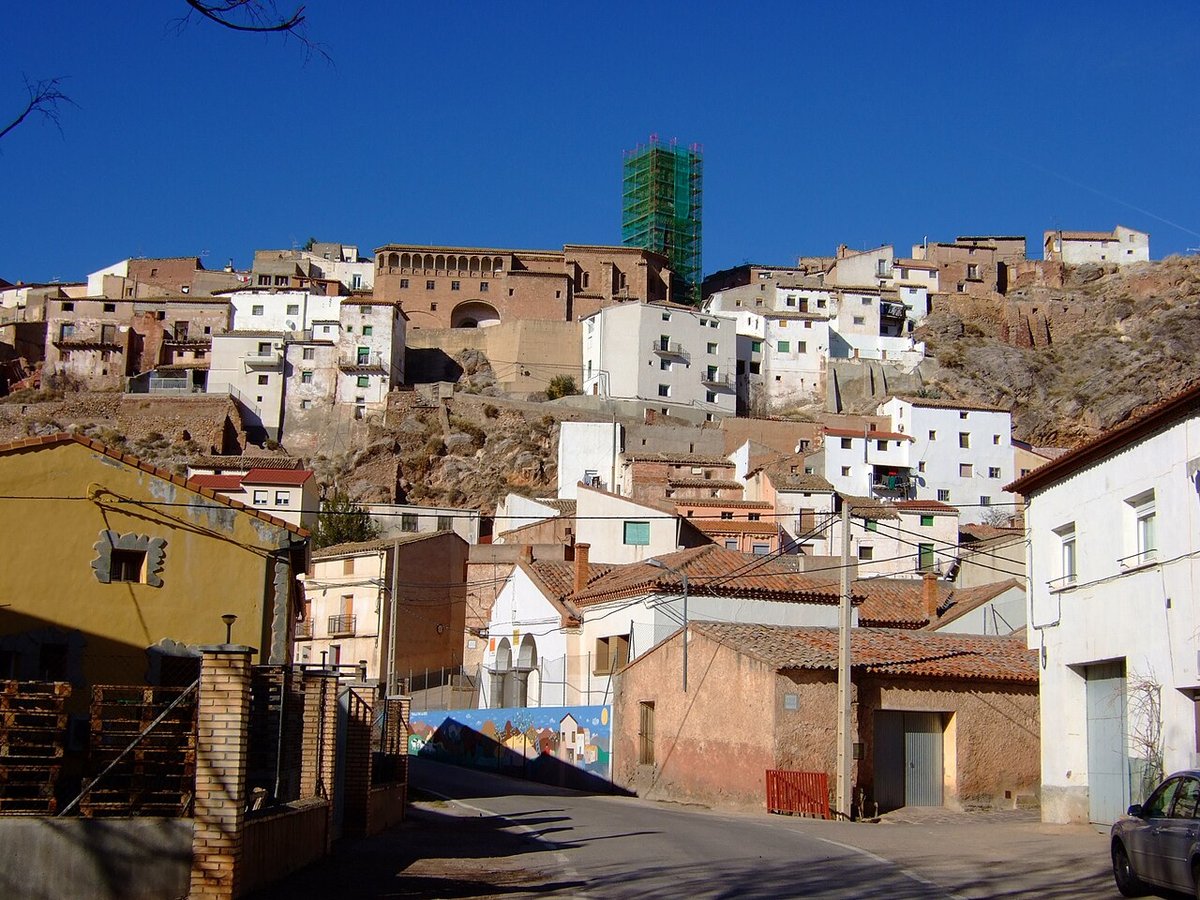
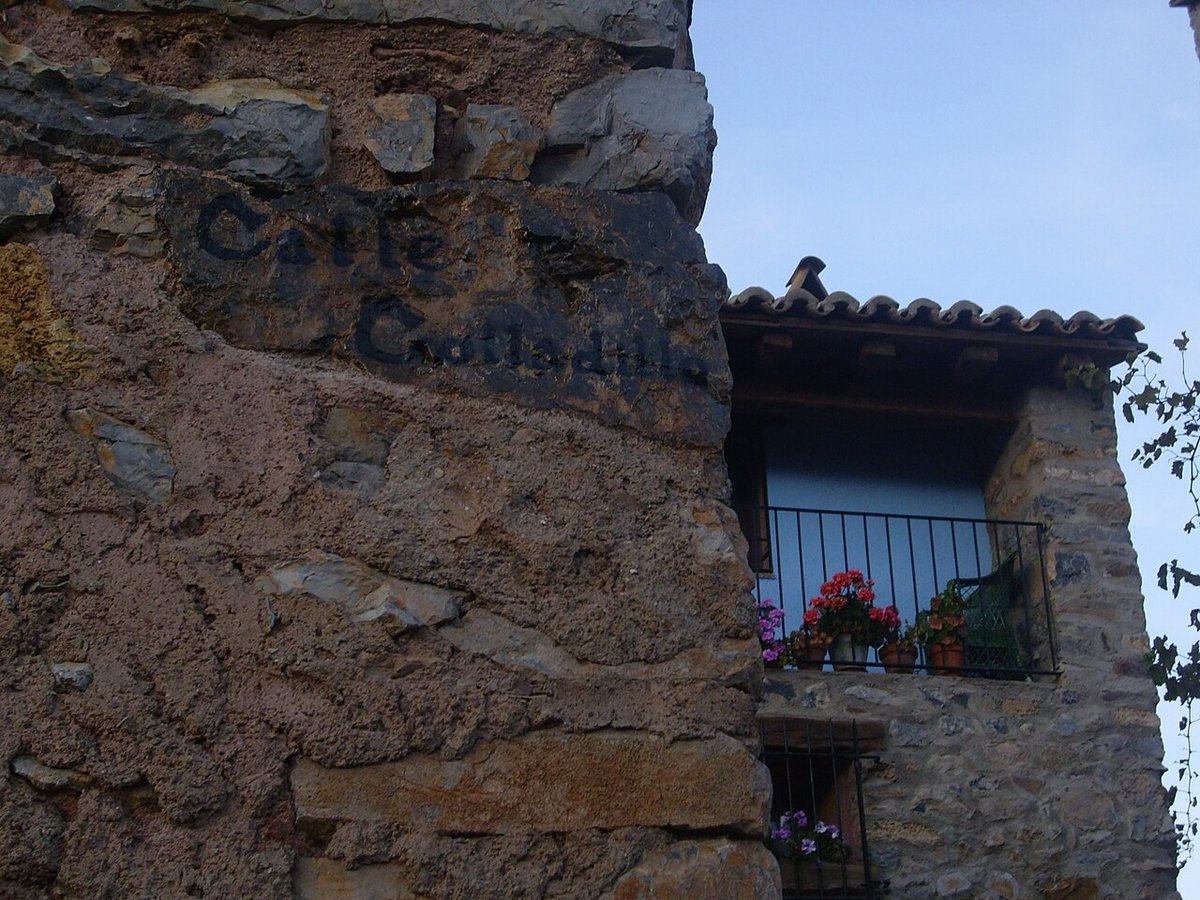
The centre is compact, just a handful of streets lined with stone houses and simple façades. There is nothing monumental here and that is part of the point.
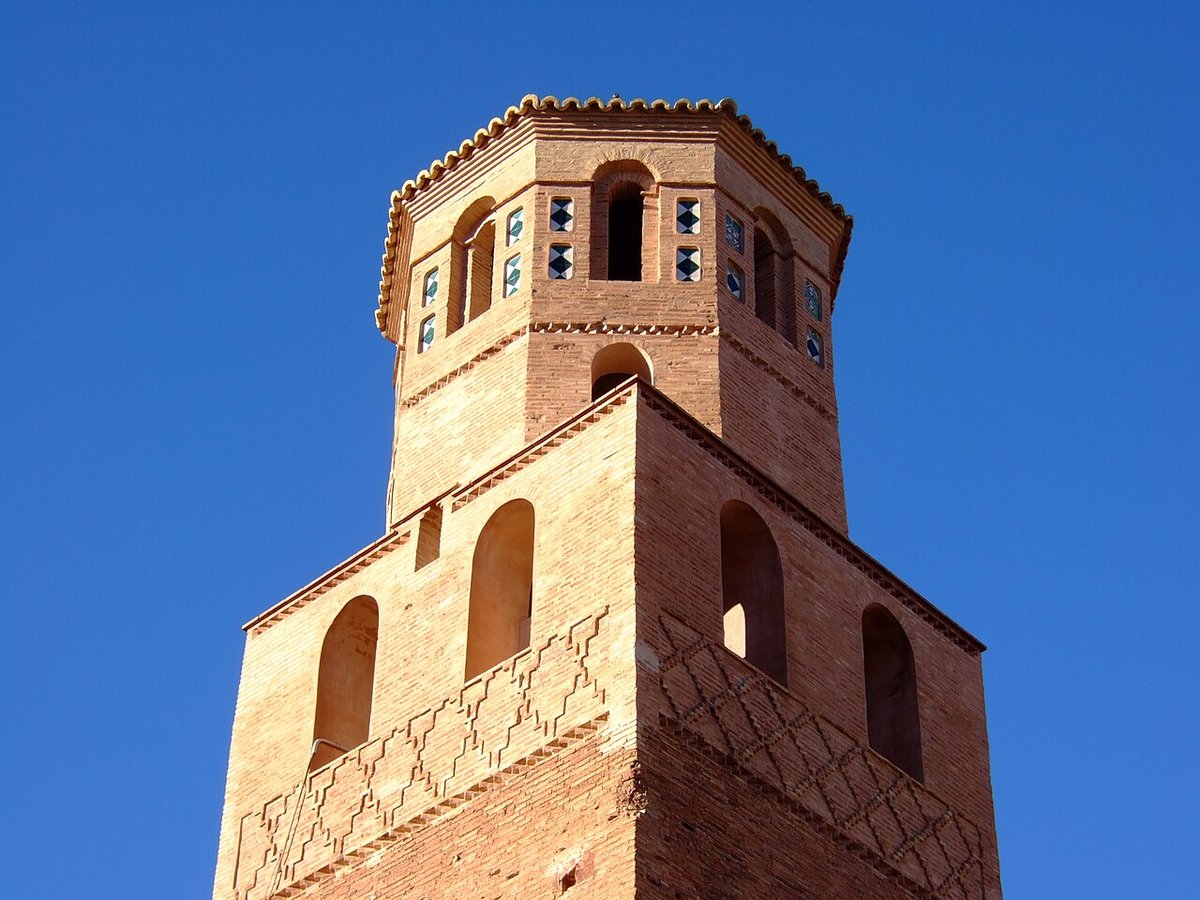
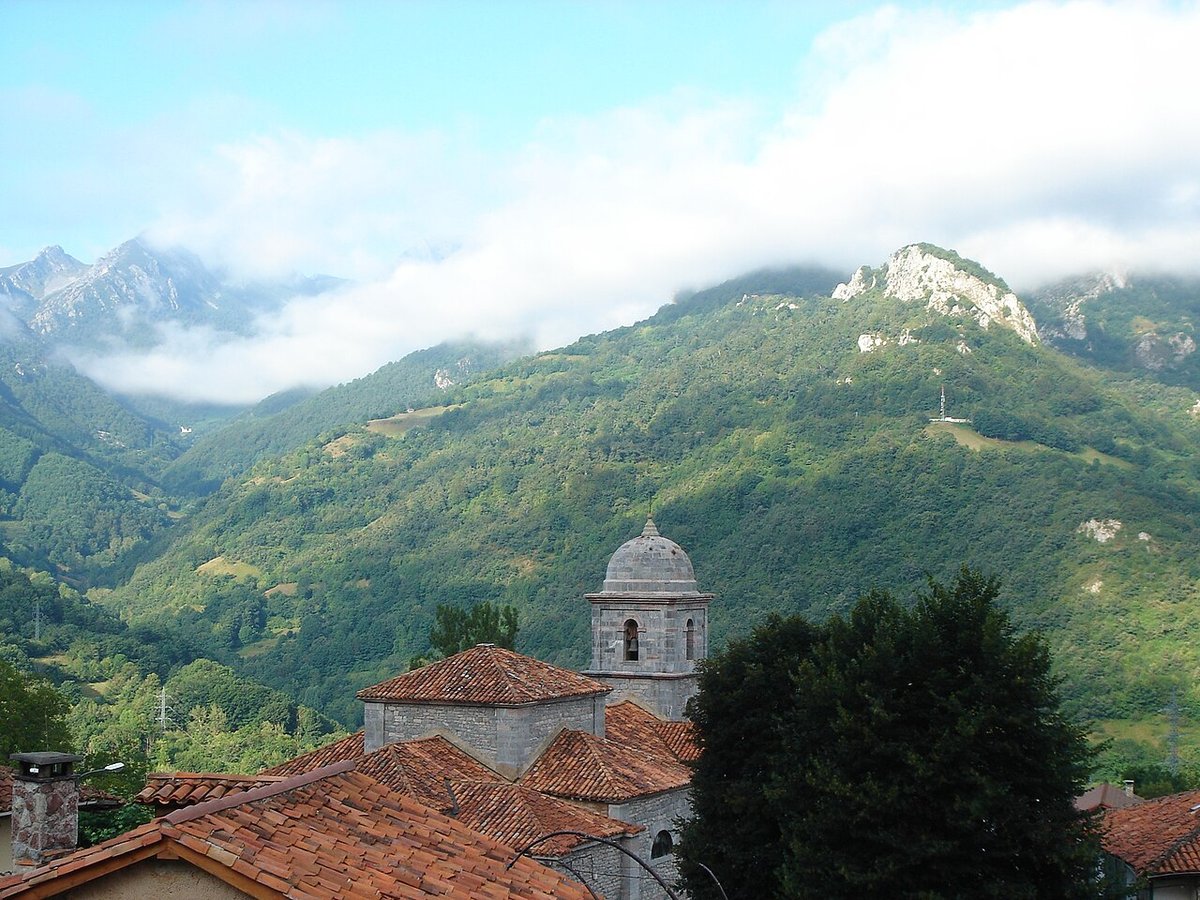
The parish church stands in the middle and is visible from almost anywhere in the village. It is the most recognisable building and acts as a natural reference point when walking around. Nearby, the houses follow the usual style of this part of Aragon, with iron balconies and tiled roofs.
Everything is close together. In about half an hour, you will have seen the whole village at an unhurried pace. There are no major sights to tick off, no queue of landmarks. What you find instead is a place that feels lived in, with an everyday rhythm that has not been reshaped for visitors.
Fields and open land
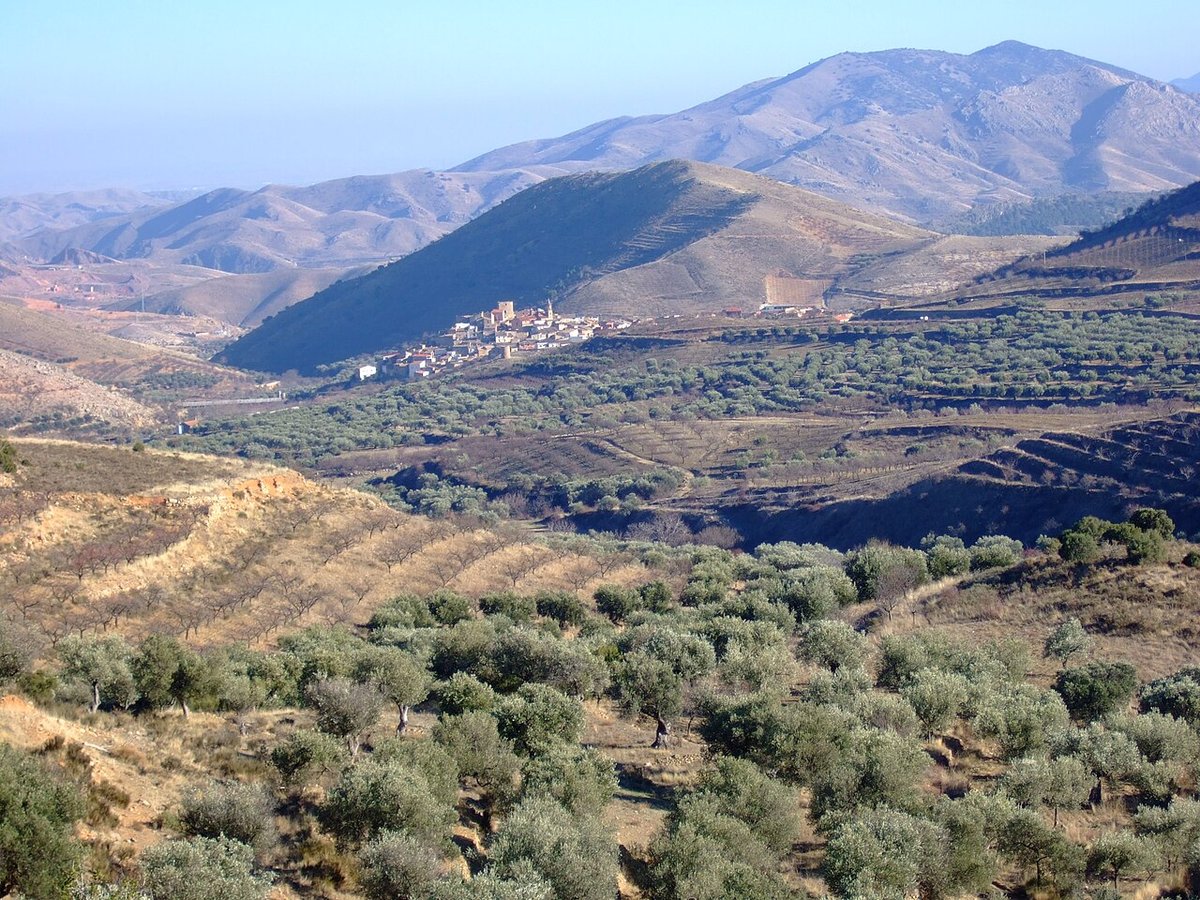
The real presence here is the landscape. Surrounding Oseja are agricultural plots dedicated to cereal crops, mainly wheat, barley and oats depending on the year. The look of the area shifts noticeably between seasons. Spring brings some colour and variation, while summer leans towards dry tones and open expanses.
At the edges of the village, you can still see old threshing floors, known locally as eras. These were once used to separate grain from chaff, part of traditional farming practices across much of Spain. They are not set up as visitor sites or marked in any way. They simply remain as part of the working landscape that has been used for generations.
If you walk up to any of the small rises nearby, the views open out across gentle hills. There is nothing dramatic or abrupt in the terrain. Instead, it stretches quietly, shaped by agriculture rather than by steep or rugged features.
Paths and short walks
Several agricultural tracks lead out from the village. Locals use them to reach their fields or simply for a walk.
Not all of these paths are signposted. Some may be partially overgrown or muddy after rain, so conditions can change. If you plan to walk for a while, it is worth asking someone in the village which route is clearest on the day.
You should not expect marked hiking routes or information panels. These are functional paths first, used for everyday movement rather than organised walking. Even so, they offer a simple way to step into the surrounding countryside and see how the village connects to its land.
Festivities and everyday life
The quiet nature of Oseja shifts during its patron saint festivities, usually held in August. At that time, more people return, including those who live elsewhere for most of the year. The village feels noticeably different, with more activity and a stronger sense of gathering.
In January, the tradition of San Antón is still observed. This includes bonfires and the blessing of animals, a custom found in many villages across the region. It reflects long-standing rural practices tied to livestock and seasonal cycles.
Outside of these moments, daily life is calm. Very calm. There is little noise, little rush, and long stretches where not much seems to change.
When to go and what to keep in mind
Spring and autumn are generally the most pleasant times to visit. Temperatures tend to be milder and the surrounding fields show more variation in colour.
At night, the sky appears particularly clear due to the lack of artificial lighting. For those interested in stargazing, conditions can be good when the moon is not bright.
If you plan to walk around the outskirts, bring water with you. Comfortable footwear is also a good idea, as some streets are still unpaved or covered with stone.
A final practical note: Oseja makes sense as a brief stop while travelling through the comarca. It works for a short visit. For anything longer, you would need to continue exploring other villages in the surrounding area.