Full Article
about Pomer
Hide article Read full article
A village above the plains
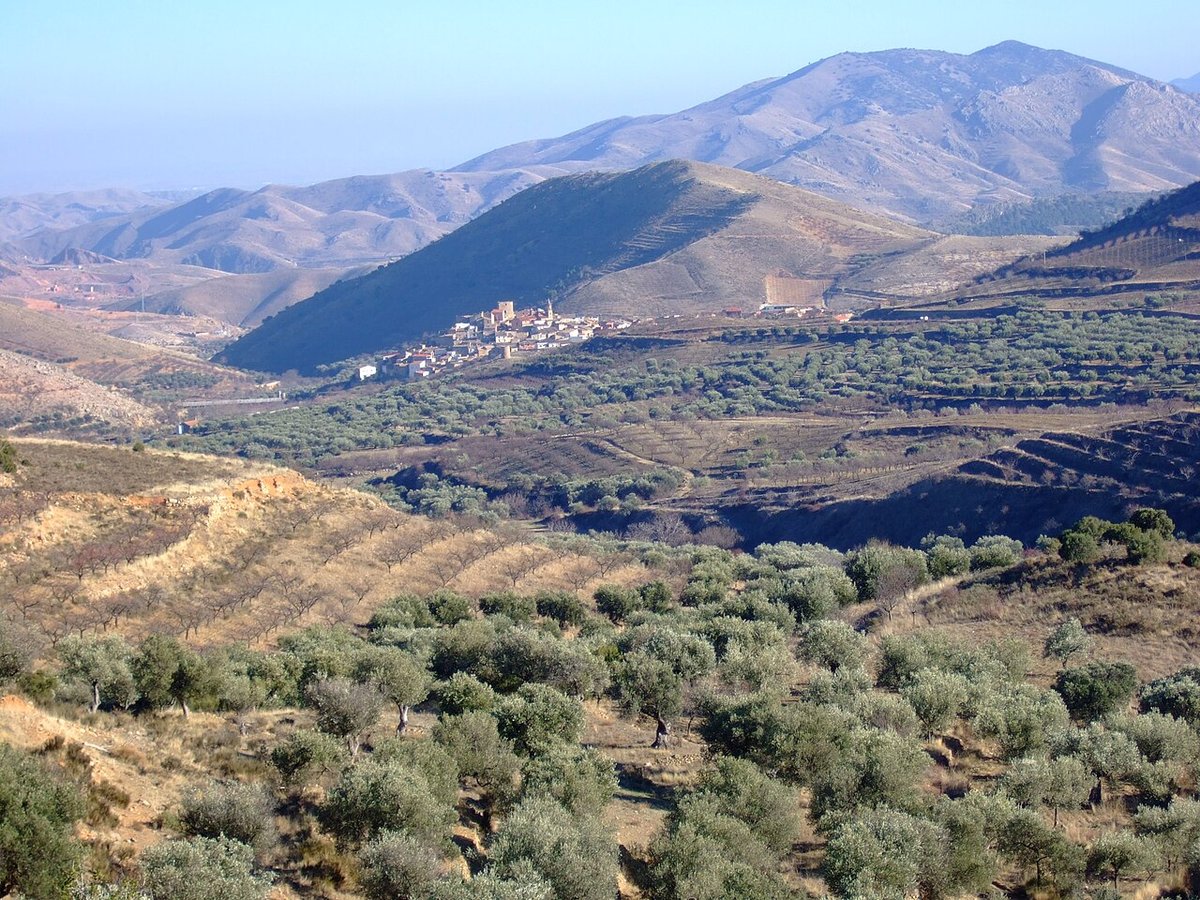
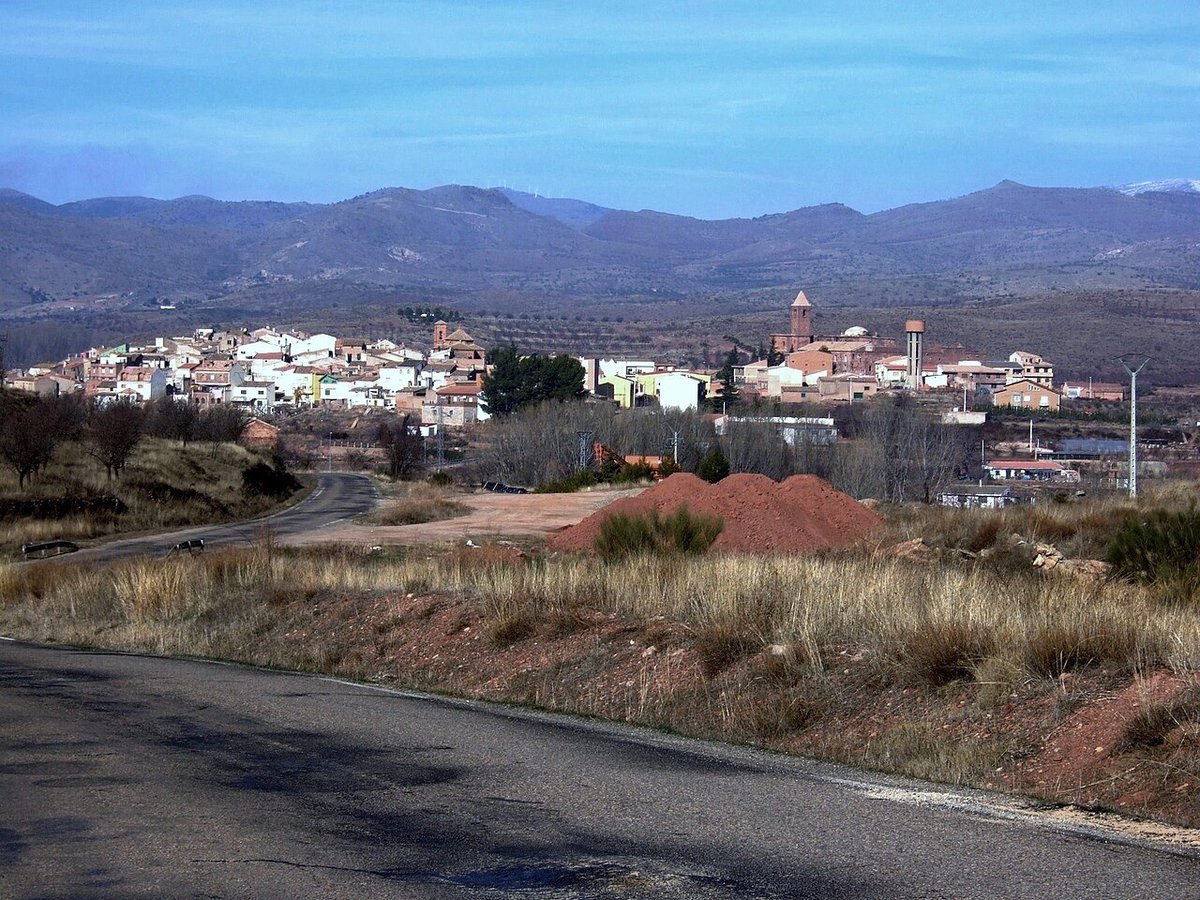
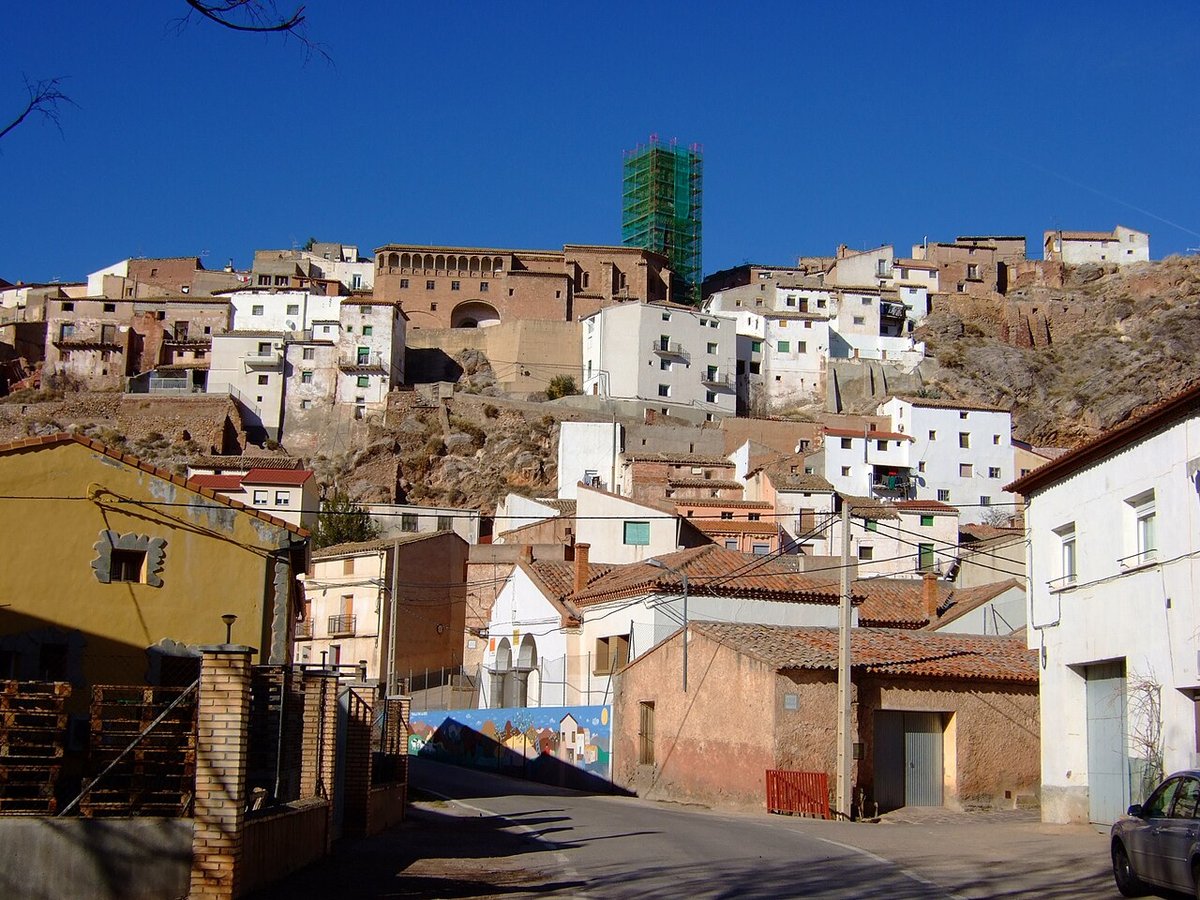
High in the comarca of Aranda, more than 1,100 metres above sea level, Pomer sits in the south-west of Zaragoza province. It is a very small municipality, with only a few dozen residents, roughly around twenty people for much of the year. The scale shapes everything: the streets, the pace, and the way the built environment has remained close to its agricultural past.
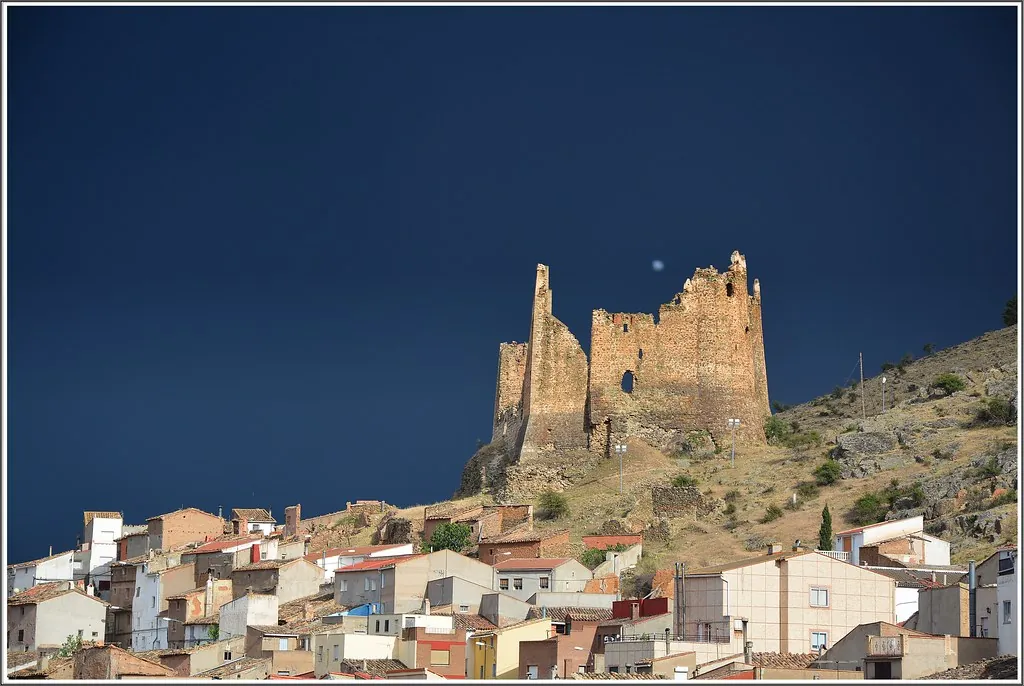
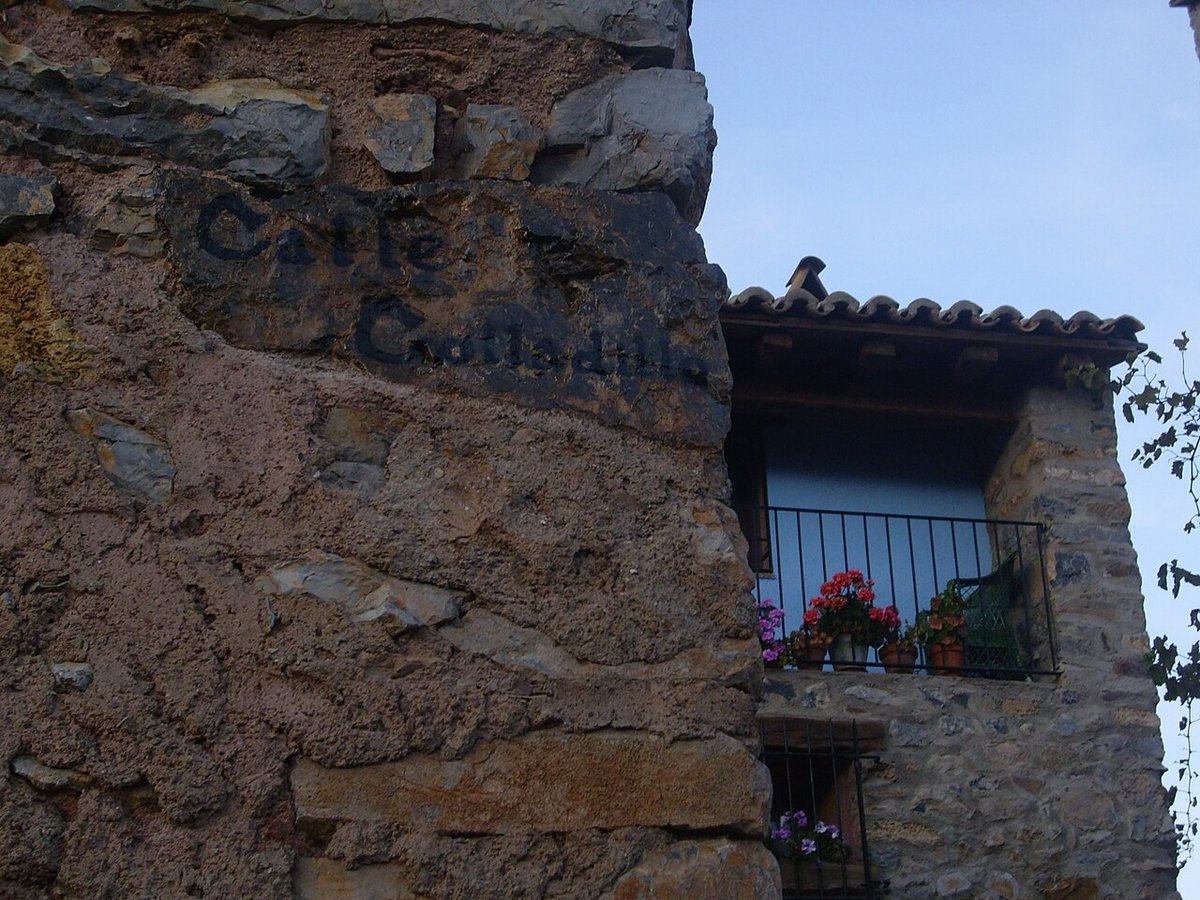
The village layout reflects a time before modern planning. Narrow streets follow irregular lines, adapting to the terrain rather than imposing order on it. Houses are built mainly from local stone, with some adobe still visible, and together they form a compact settlement that feels consistent in its materials and structure.
Beyond the last houses, the landscape opens out quickly. Fields of cereal stretch across gentle hills, broken occasionally by patches of holm oak and low scrub. The climate is strongly continental. Winters are cold, summers are dry, and even in the hottest months the nights cool down noticeably. The altitude contributes to a sense of clear air and wide horizons that becomes especially evident just outside the village centre.
Origins and built heritage
Written references to Pomer go back to the Middle Ages, when small agricultural communities took shape across the sierras and plateaus of what is now the comarca of Aranda. Even so, much of what stands today reflects later rebuilding, particularly from the eighteenth and nineteenth centuries.
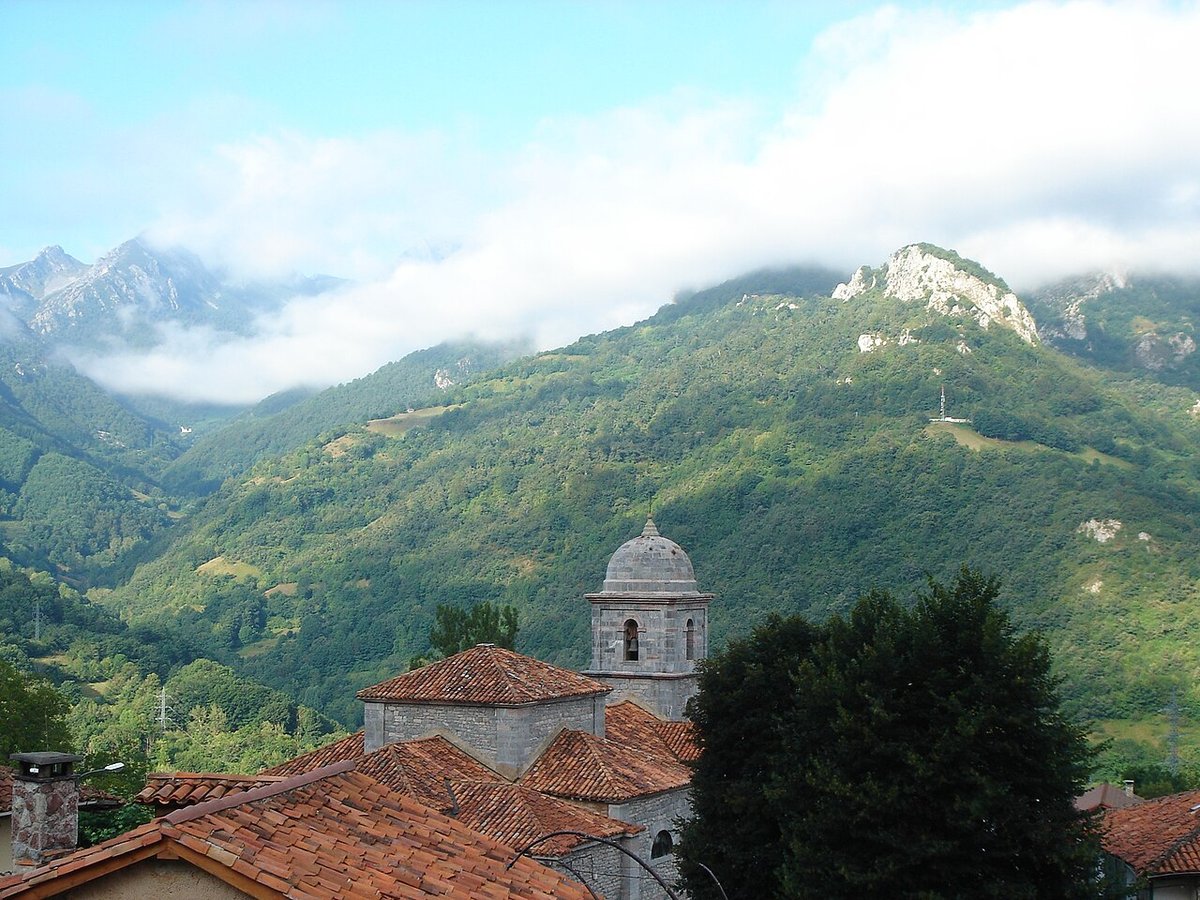
The parish church is dedicated to San Bartolomé. The current structure is generally dated to the sixteenth century, though it has undergone later alterations. Its appearance is restrained, in line with many rural churches in Aragón. There is a single nave, thick walls, and very little external decoration. Inside, a wooden altarpiece is preserved. It appears to be from a later period, probably the eighteenth century, and still shows traces of polychrome paint.
Walking through the streets reveals the practical solutions of local architecture. Houses are compact and built with stone from the surrounding area. Roofs are tiled, and large doorways once opened onto yards or barns. Some façades still feature wooden galleries or corridors facing south, designed to capture sunlight in winter and allow ventilation in summer.
At the edges of the village, older agricultural spaces remain visible. There are threshing floors and areas once used for cereal processing, as well as several stone washhouses. These are no longer in use, but for decades they served as everyday meeting points for residents.
The landscape around Pomer
The surroundings of Pomer do not aim for dramatic scenery. Their interest lies elsewhere, in subtle changes and in the scale of open land. This is a landscape of extensive farming, where the terrain rises only slightly and the view stretches easily across long distances.
Seasonal shifts define its appearance. In spring and early summer, cereal crops dominate the colour of the fields. After the harvest, the land becomes a patchwork of stubble and brown soil. These changes give a clear sense of the agricultural cycle that still shapes the area.
Along paths and field edges, aromatic plants such as thyme and rosemary grow among scattered holm oaks. Wildlife adapted to open, steppe-like environments can be seen here, particularly birds, though they require patience and some distance to observe.
The absence of large nearby towns has another effect: very dark nights. On clear evenings, the sky appears with notable clarity, something that often surprises visitors coming from more brightly lit places.
Paths and everyday routes
A network of agricultural tracks extends from Pomer into the surrounding land. These paths have been used for generations to reach fields and nearby hills. They are generally straightforward routes, without steep gradients, and they offer a practical way to understand how the territory is organised.
Long fields, low boundaries and the occasional small ravine break up the plateau. The terrain may appear uniform at first glance, but these details become more evident when walking through it.
These routes also reflect daily life. Depending on the time of year, it is common to encounter farming work, the gathering of firewood, or residents tending small gardens and enclosures. The activity is modest in scale, but it gives a clear sense of continuity between past and present.
Food and local celebrations
Traditional cooking in Pomer is closely tied to what the land and livestock have provided. Dishes are based on ingredients such as pulses, lamb and bread made from wheat flour. Preservation and self-sufficiency have long played a role, so recipes tend to be simple and slow-cooked, following the rhythms of the agricultural calendar.
The main celebrations are held in honour of San Bartolomé. These patronal festivities usually take place in summer, when many people who once lived in the village return for a few days. The contrast with the rest of the year is noticeable. Religious events, shared meals and activities in the square or main streets bring a temporary change in atmosphere, with more people and more movement than usual.
Getting there and when to go
Pomer is reached by secondary roads from the area around Calatayud and other towns in the comarca of Aranda. The final stretch follows a local road with gentle bends and very little traffic, used mainly by residents and agricultural vehicles.
Spring, late summer and early autumn are generally pleasant times to explore the surrounding paths. Winter can be harsh at this altitude, with cold temperatures making themselves felt. When frost settles over the fields, however, the landscape takes on a different appearance that highlights another side of this high plain.
Pomer is not a place of major monuments or busy attractions. Its character lies in its scale, its continuity with the land, and the quiet way in which everyday life and landscape remain closely connected.