Full Article
about Tierga
Hide article Read full article
A slower pace in the Aranda comarca
There is a moment that tends to define Tierga. You stop the car, step out, and notice the absence of sound. No steady traffic, no busy terraces, none of the background hum found in more visited places. The feeling is immediate: life runs at a different pace here.
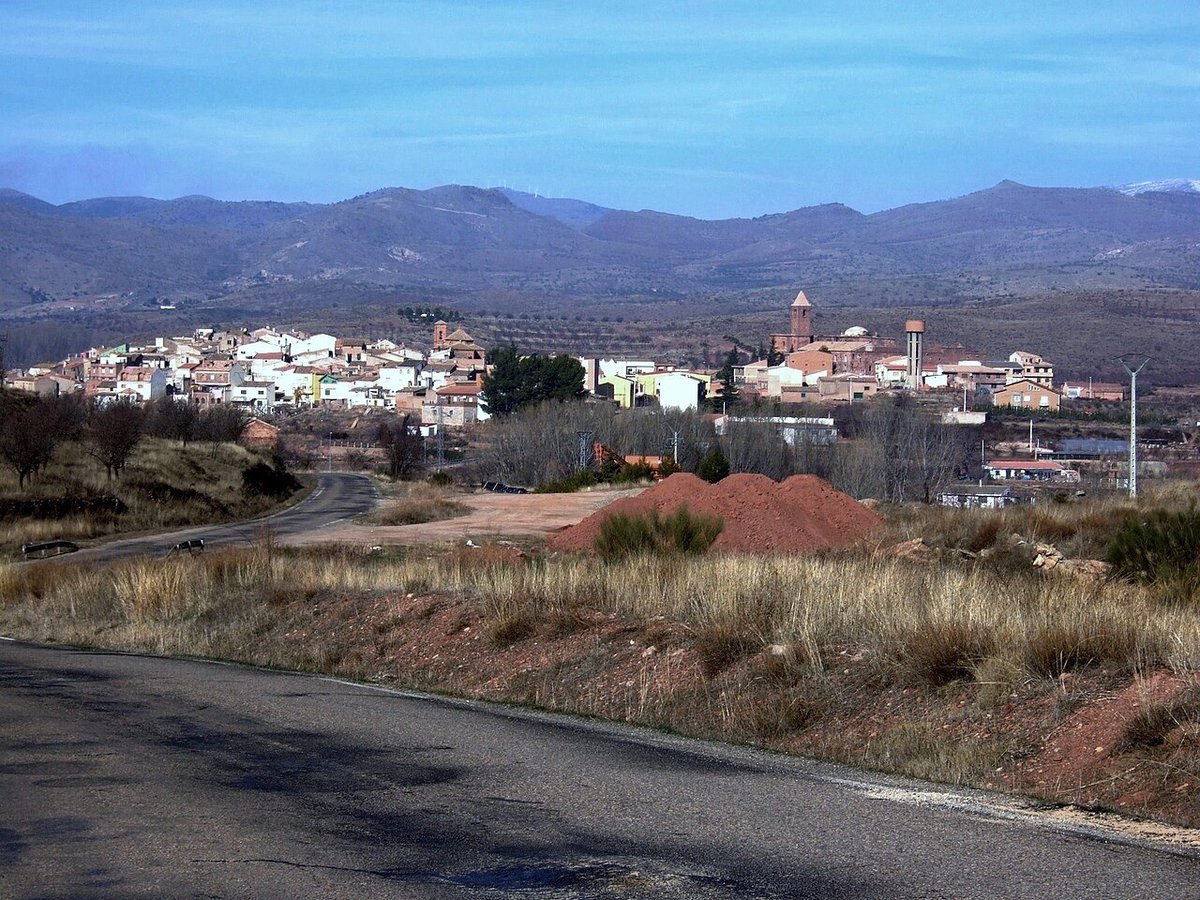
Tourism in Tierga does not follow the patterns seen elsewhere in Aragón, where places can feel arranged with visitors in mind. This is a small village of around 170 residents in the comarca of Aranda, where daily life still follows the rhythms of the countryside and the seasons.
A village shaped by land and time
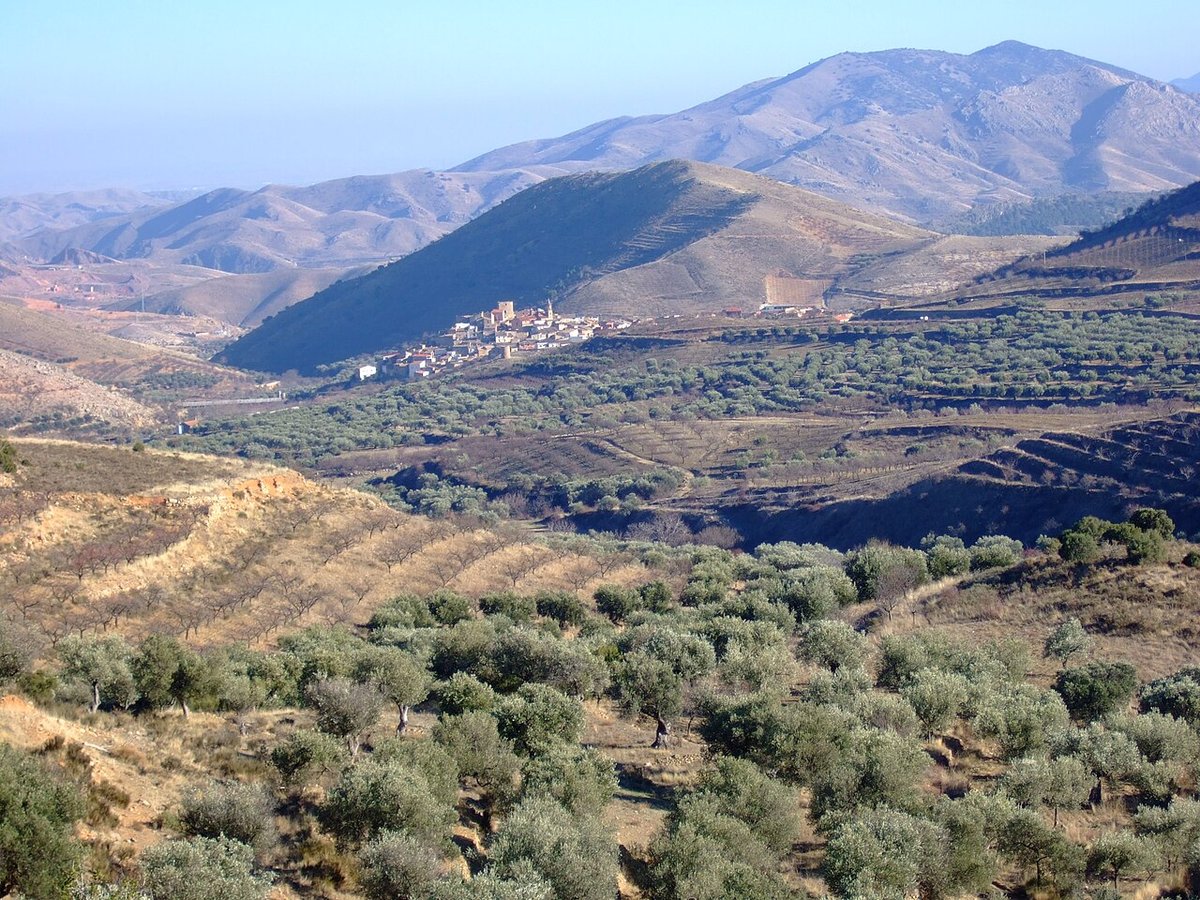
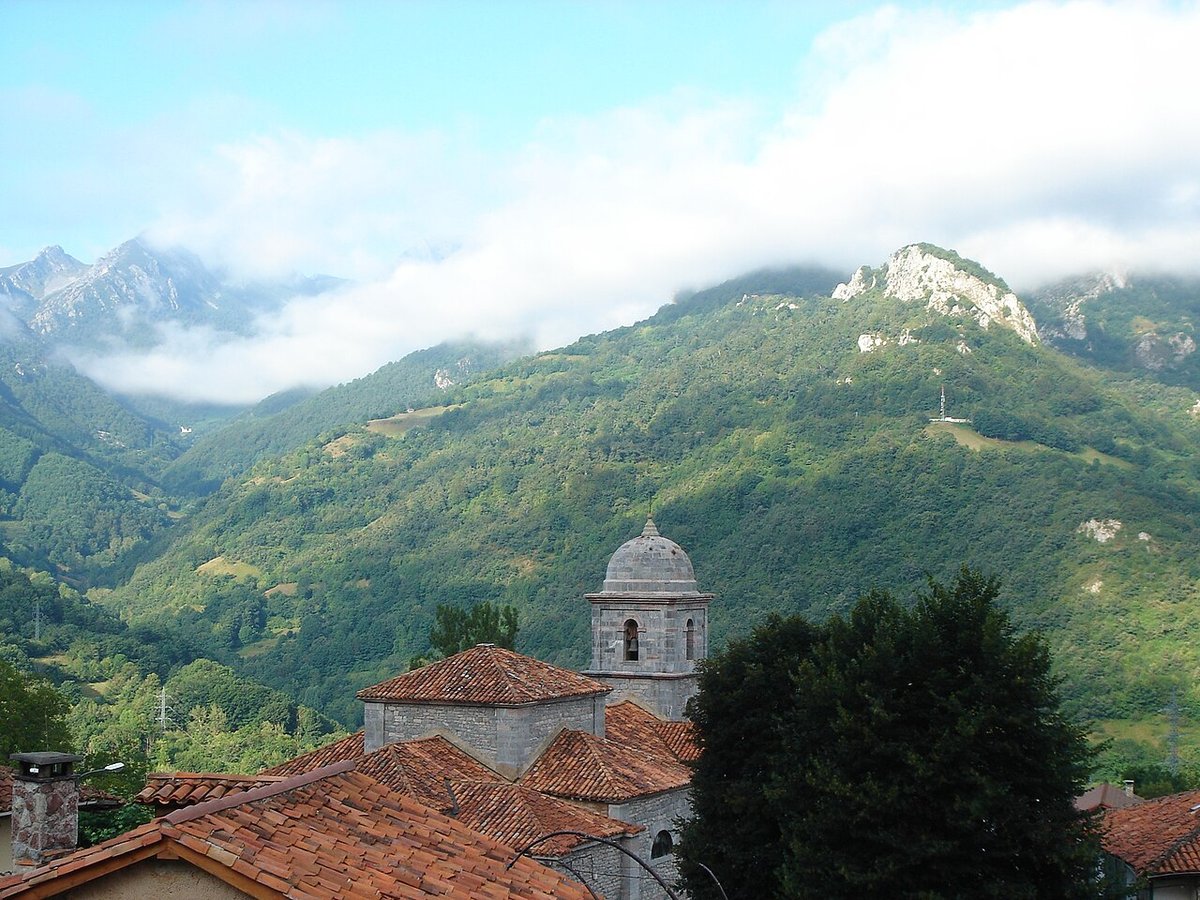
Tierga sits at about 630 metres above sea level, near the river Aranda and surrounded by fields that shift in character throughout the year. Winter brings a more austere look, with muted tones and bare الأرض. Spring softens the landscape slightly, while summer turns everything a familiar golden colour as cereals reach maturity.
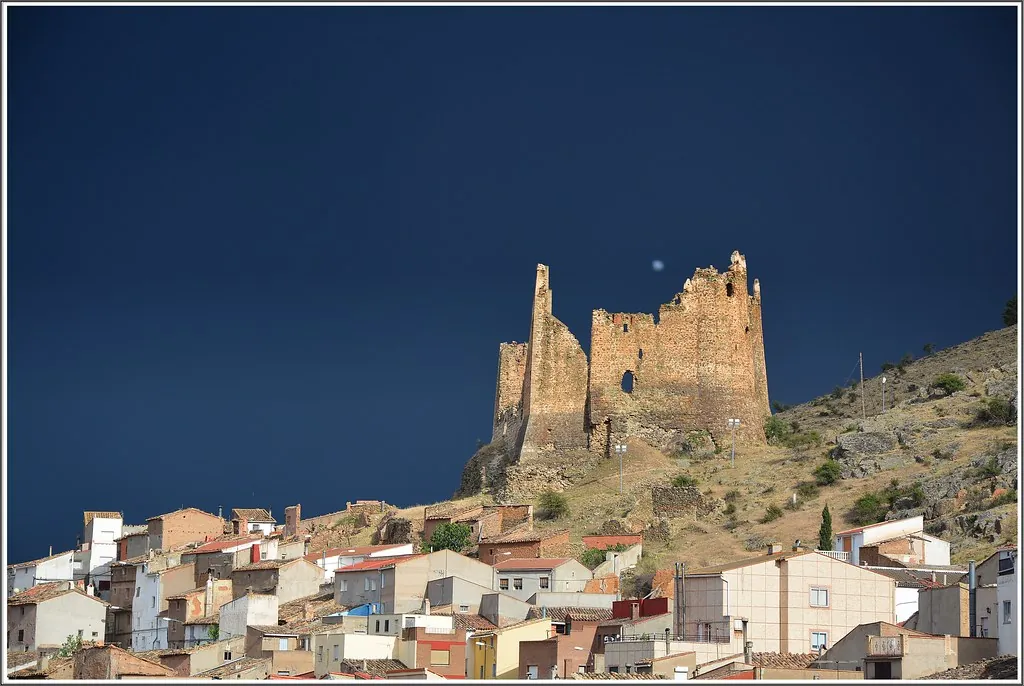
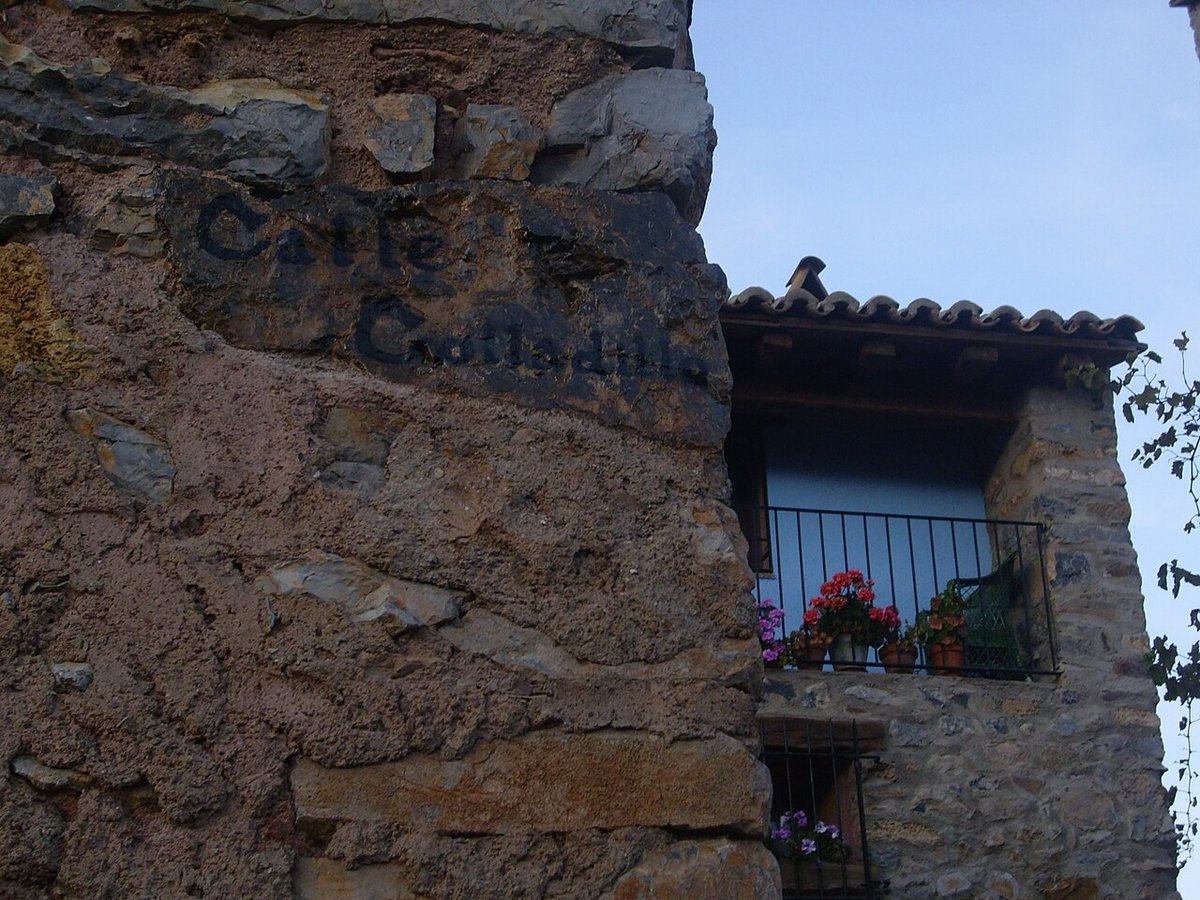
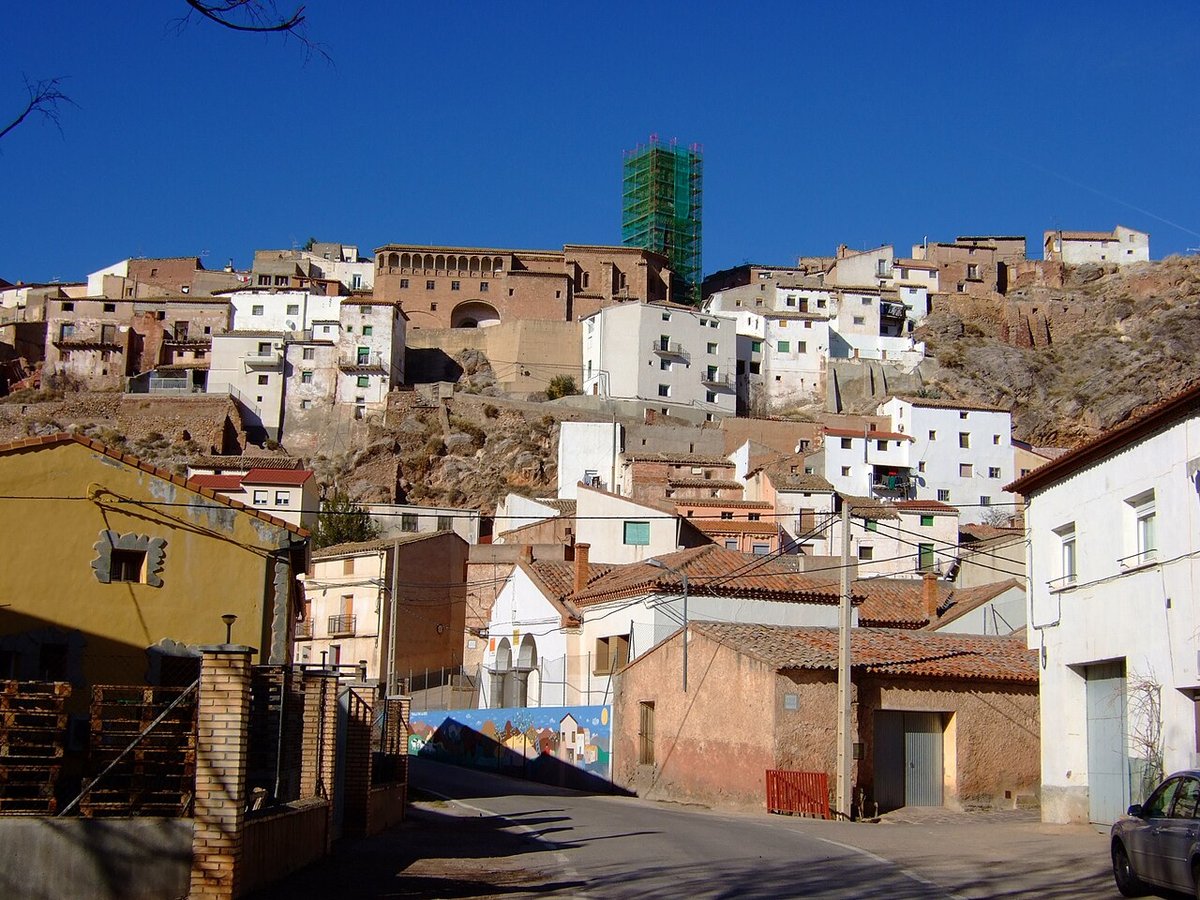
The village is not defined by grand monuments or a long checklist of sights. Its appeal comes from a built environment that feels consistent with the surrounding area. Stone houses sit alongside sections of adobe, with sturdy doorways and iron balconies that look as though they have been in place for generations. Streets are short, sometimes turning unexpectedly, and often quiet.
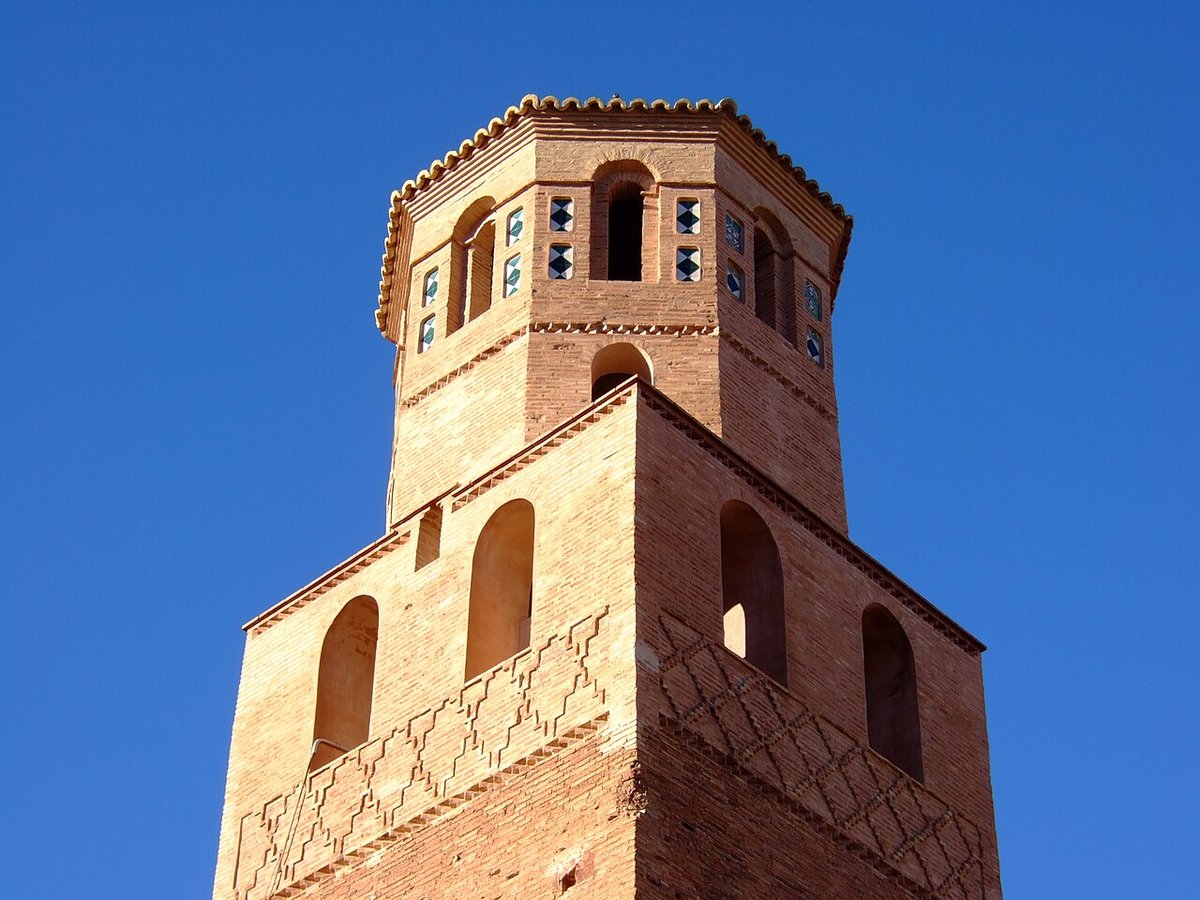
At the centre stands the parish church of San Bartolomé. It was constructed in stages between the 16th and 17th centuries, according to what is commonly said in the area. The building is not especially large, yet it hints at a time when the village saw more activity than it does today.
Walking without a plan
Tierga can be covered quickly. A visitor focused on “seeing things” could circle it several times in under an hour. That approach misses the point somewhat. Places like this tend to reveal themselves more naturally through unhurried wandering.
Details begin to emerge when attention shifts to smaller elements. Old iron grilles appear on windows, layers of plaster show where walls have weathered over time, and some doorways sit lower than expected, suggesting construction from a period when proportions were different.
The higher parts of the village offer wider views. From these spots, the fields of the comarca del Aranda stretch outwards, with occasional patches of vineyard and distant hills closing the horizon. The sense of openness contrasts with the compact layout of the streets below.
Public fountains and the remains of old washhouses still exist in Tierga. These features point to a time when everyday life unfolded almost entirely within the village itself. They also help frame how self-contained these communities once were.
Paths into the surrounding countryside
Several simple agricultural tracks extend from the edges of Tierga. Local residents use them to reach fields and small plots of land. These are not marked hiking routes or mountain trails, but clear dirt paths that pass through cereal crops, almond trees and areas of low scrub.
The walks are straightforward and calm. Most of the time, the dominant sounds are the wind or the distant presence of a tractor working the land.
Closer to the river Aranda, the scenery changes slightly. There is more vegetation here, and the atmosphere feels less exposed than in the open fields. Spending a little time by the नदी often brings familiar birdlife into view. Species such as blackbirds and goldfinches are common in these agricultural surroundings.
Traditions that shape the year
The calendar in Tierga still follows traditional patterns. Patron saint celebrations usually take place in August, when many people with family ties to the village return for a few days. This seasonal increase in activity is typical across this part of Aragón. For much of the year the population remains small, but during festivities the streets become noticeably livelier.
In January, the village marks San Antón, a tradition widely observed in rural areas. It generally includes the blessing of animals and some form of shared meal organised among neighbours.
Autumn carries its own rhythm, linked to agricultural work. Farming continues to play a role in the area, and depending on the year, the grape harvest or the gathering of other crops remains an important period for many families.
Getting there and what to expect
Tierga is usually reached from Zaragoza by heading out on the A-2 towards Madrid and taking the turn-off at Ricla or Morata de Jalón. From there, the route continues along secondary roads into the comarca del Aranda until the junction that leads up to the village.
The journey is not complicated, though the landscape gradually shifts along the way. Larger towns give way to smaller settlements, spaced further apart, and the surroundings take on a quieter, more rural character.
Tierga is not a destination in the conventional sense of tourism. There are no major attractions or long lists of things to tick off. What it offers instead is a brief pause, a chance to walk, observe the landscape, and understand how many small villages in inland Aragón continue to function.
The experience is simple. A short stop, a look around, a sense of how life unfolds here. That alone can justify leaving the main road for a while.