Full Article
about Trasobares
Hide article Read full article
Early in the morning, as the sun slowly lifts above the cereal fields, Trasobares smells of dry earth and straw. Light slips in sideways between stone and adobe houses, leaving half-shadows across their façades. There is barely any noise: a door opening somewhere, a dog in the distance, wind coming down from the low hills. At that hour, tourism in Trasobares has little to do with landmarks or fixed plans. What matters here is the unhurried rhythm of a very small village.
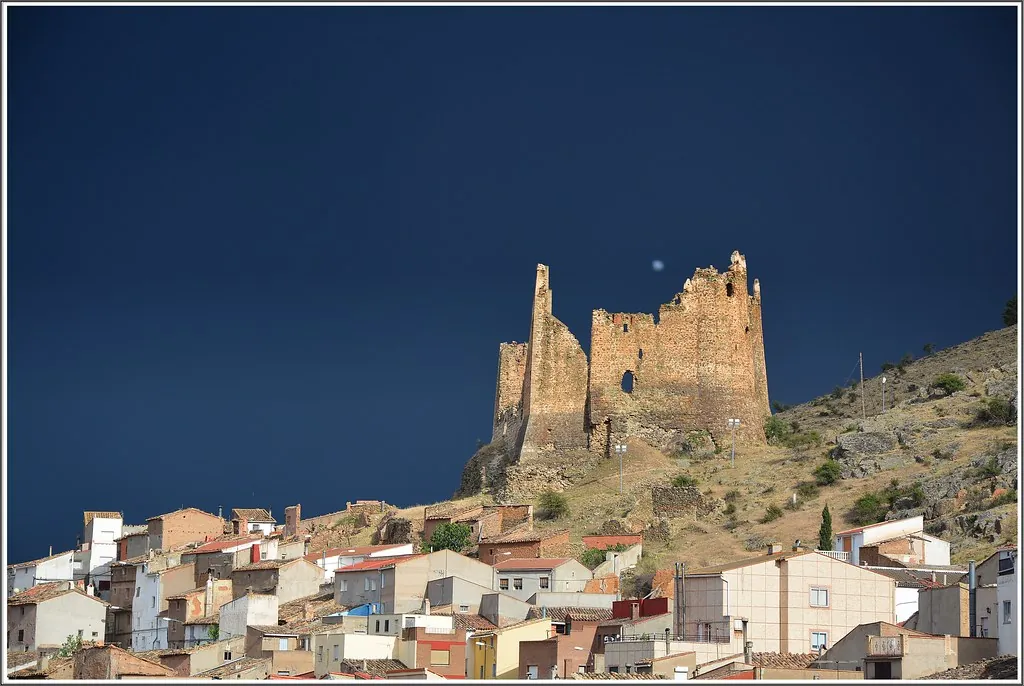
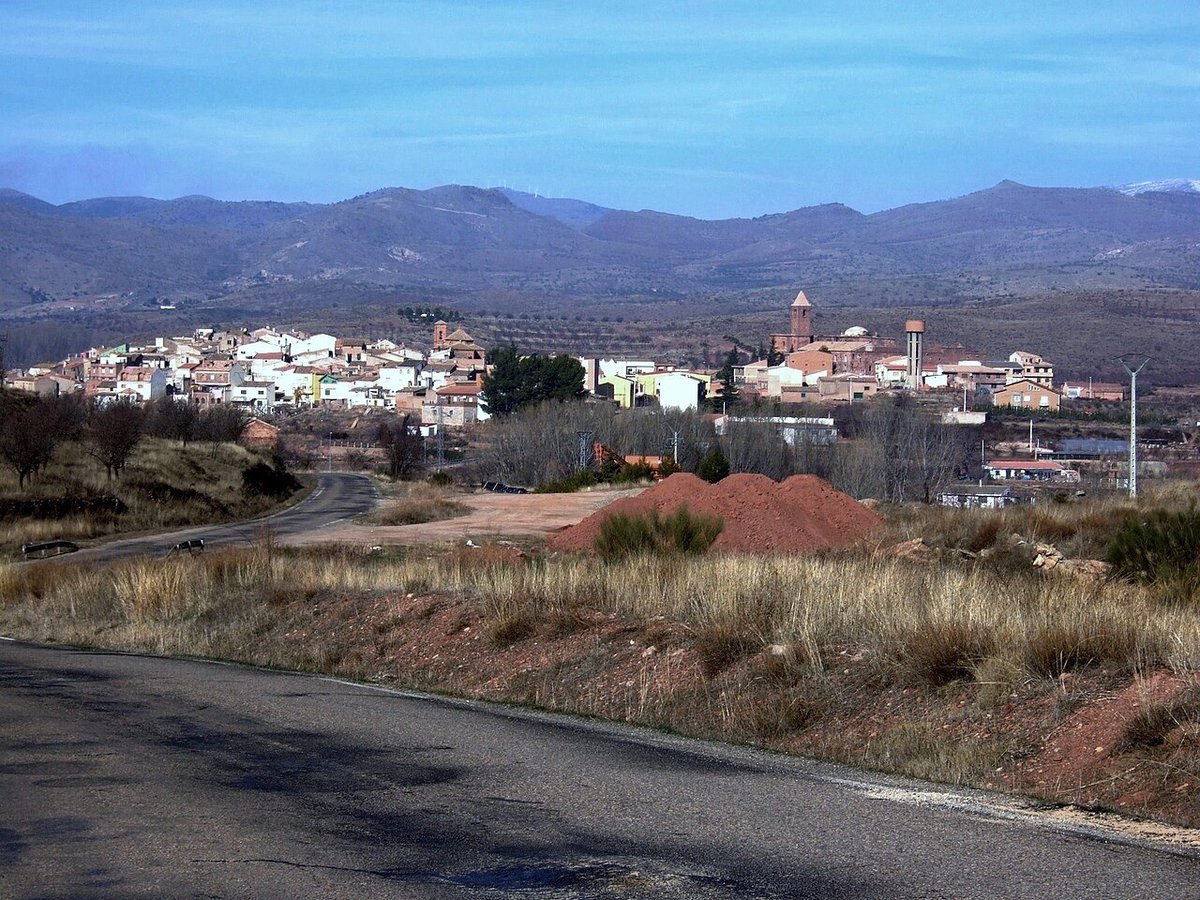
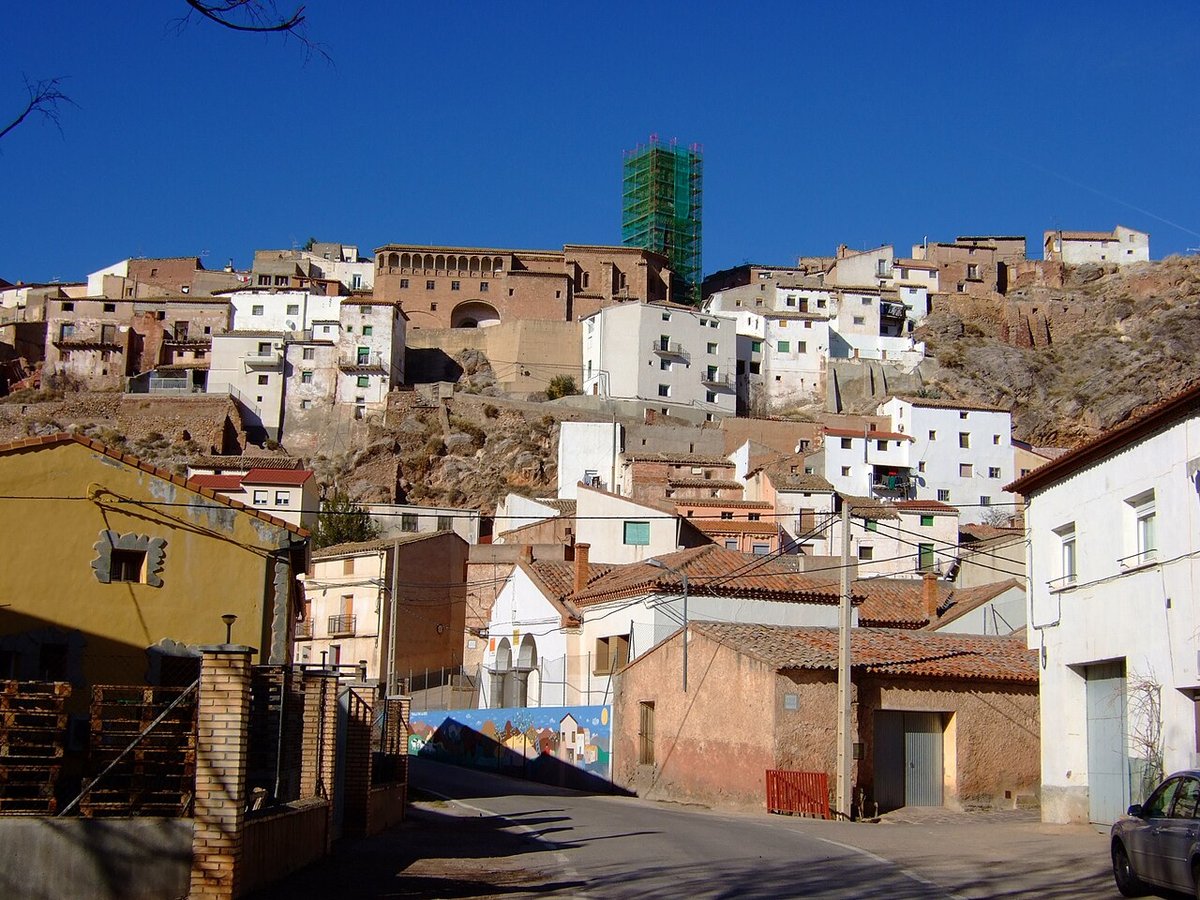
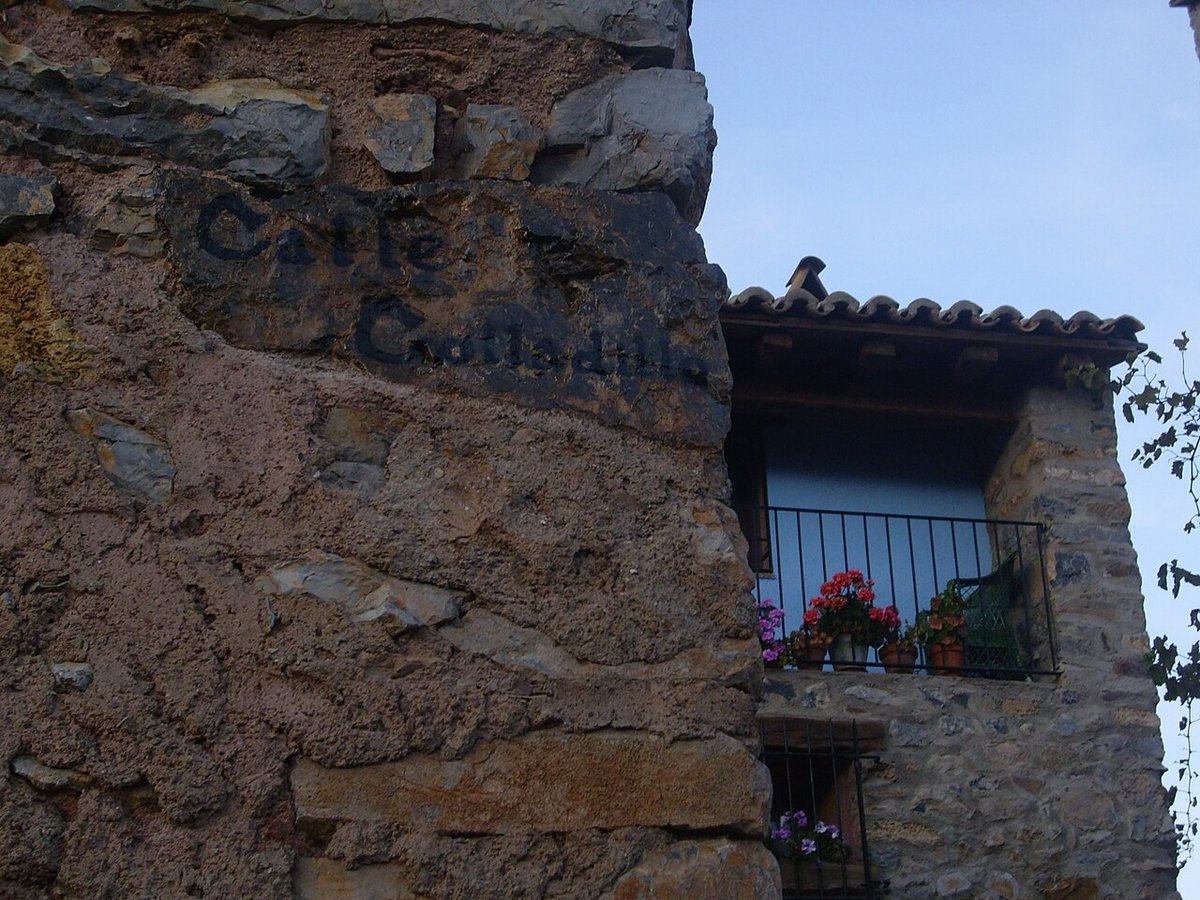
With just over a hundred registered residents, Trasobares keeps the human scale typical of villages in the comarca of Aranda, a rural district where everything feels close at hand. The buildings combine masonry, adobe and wood, with iron balconies overlooking narrow streets. Many houses still have large gateways, reminders of when courtyards and stables were part of everyday life.
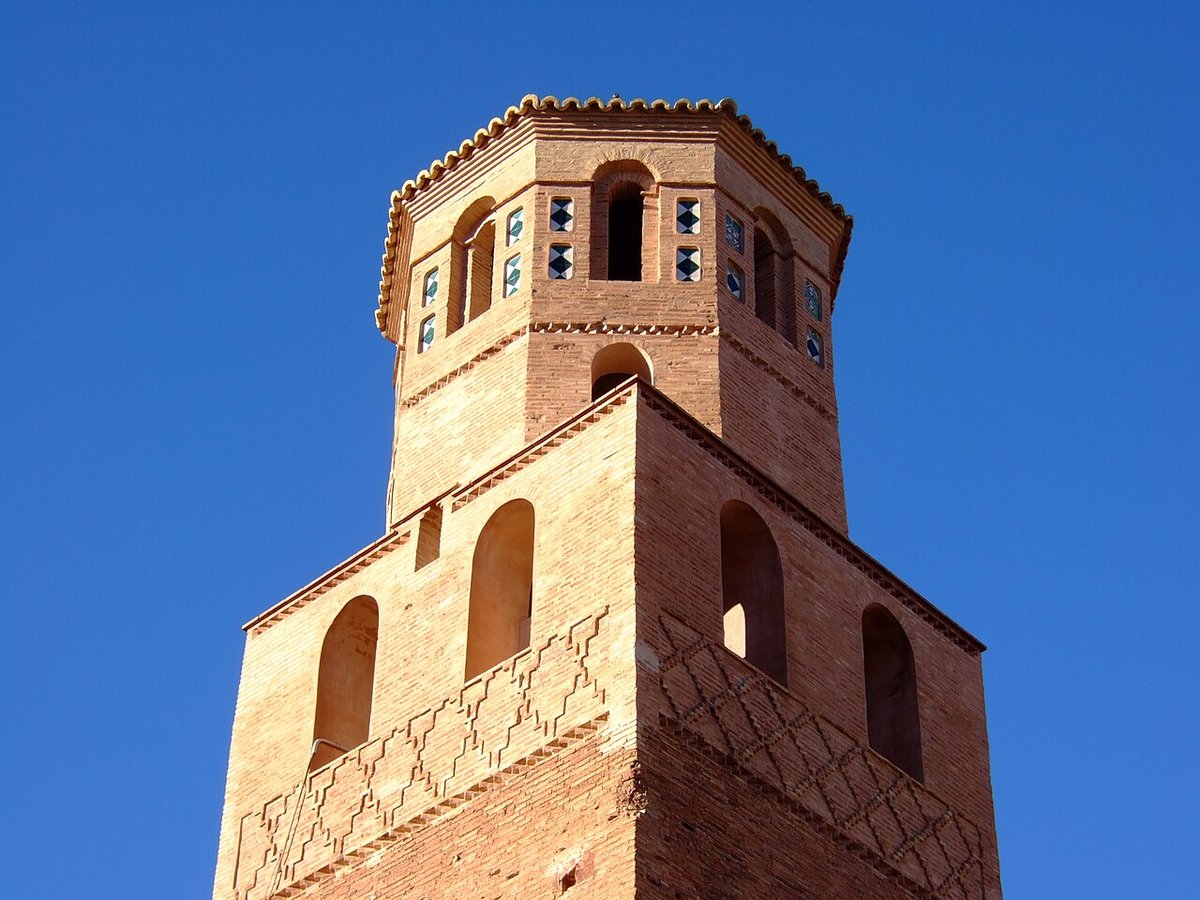
Rising above the rooftops is the Mudejar tower of the parish church, dedicated to the Asunción. It is not large in size, yet its outline is easy to recognise from the paths leading into the village. In the late afternoon, when the light comes in from the west, the brick takes on a reddish tone that stands out against the pale walls nearby.
Open views across the comarca of Aranda
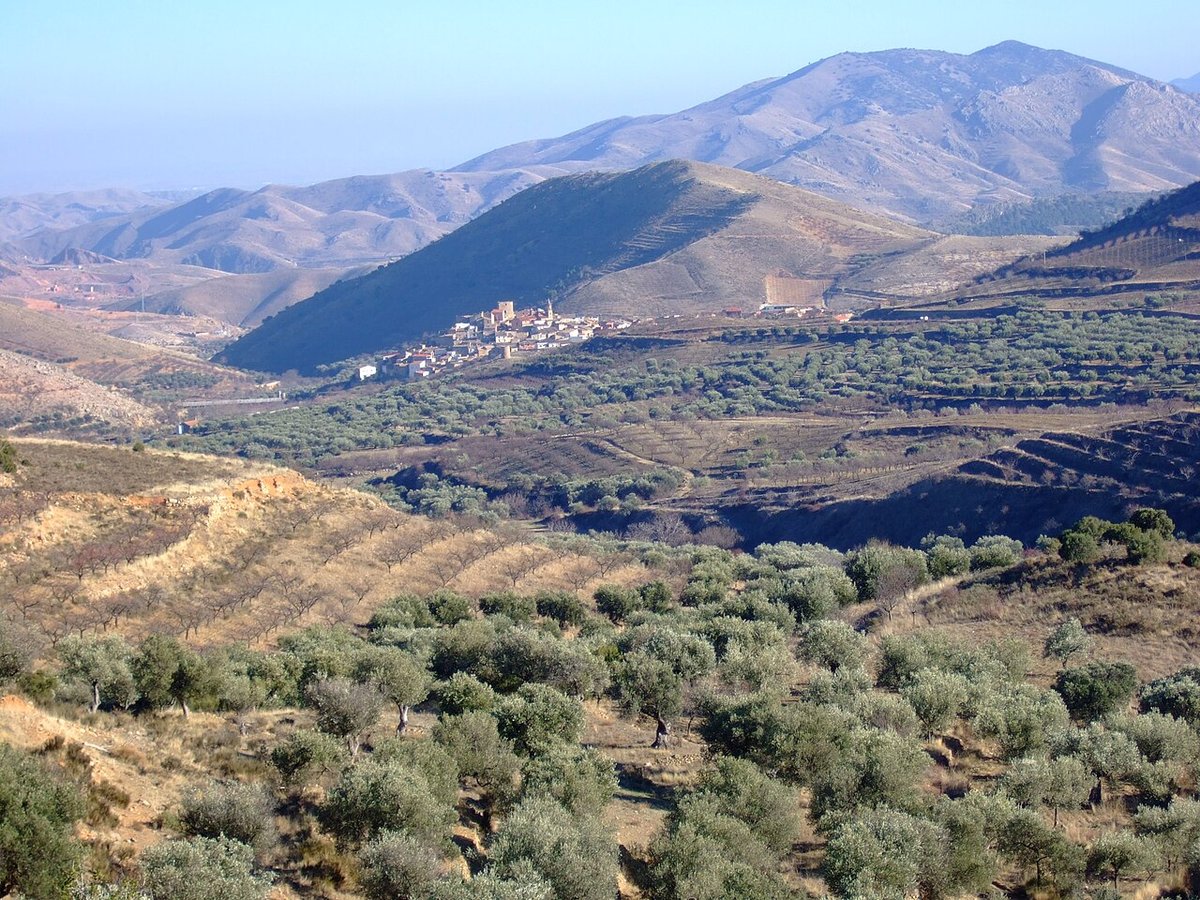
Step beyond the edge of the village and the landscape opens up quickly. There are cereal fields, patches of low scrub and gentle hills that shift noticeably with the seasons.
In spring, the green is intense and the wind moves through the grain like water. Summer brings a harsher feel: yellows, pale soil and the dry sound of insects during the middle of the day. Autumn tends towards ochre tones, with lower light that stretches shadows along the tracks.
There is no need to look for marked viewpoints. A short walk along any of the agricultural tracks around Trasobares is enough to take in wide views of the surrounding comarca. The sense of space is immediate, and the horizon is defined more by soft rises in the land than by any abrupt features.
Simple walks around the village
Several rural paths lead out from Trasobares, used mainly by farmers and local residents. They are not signposted routes, yet they can be followed without difficulty if the aim is simply to walk at an easy pace.
The terrain is generally gentle: dirt tracks, some gravel sections and the occasional mild slope. In the quiet, birds of prey can often be heard circling above the fields, while dry ground crunches underfoot.
Towards sunset, the light changes quickly and the landscape softens. This is a good time for walking, especially in summer when the midday heat can be strong in this part of Zaragoza province. As the day cools, colours flatten slightly and the contours of the land become less stark.
Dark skies and very quiet nights
After nightfall, the village is left mostly in darkness. Street lighting is limited, and the sky appears clear in a way that has become increasingly rare near cities. On cloudless nights, many stars are visible, and the Milky Way can be seen quite distinctly if you move a little away from the lampposts.
The silence deepens as well. At times, the only sounds are the wind or an animal somewhere out in the fields. It is a kind of stillness that feels tied to the absence of traffic and the low number of inhabitants.
Festivities and local life
The village calendar is shaped by traditional celebrations, particularly in summer, when many former residents return after spending the rest of the year elsewhere. During those days, the streets are busier than usual, with open-air dances, religious processions and communal meals organised by the villagers themselves.
For the rest of the year, the atmosphere is much quieter. Daily life revolves around the countryside and nearby villages within the comarca of Aranda. Activity follows the needs of the land and the routines that come with it.
Before you go
Trasobares is a small municipality with limited services. Shops are not always open, so it is sensible to bring water or something to eat if planning to spend several hours walking in the surrounding area.
Access is via local roads from other towns in the region. The final stretch is typically calm, with little traffic and fields on both sides.
The most favourable time to visit usually runs from spring to early autumn, when the weather makes walking along the tracks straightforward. In winter, cold conditions in this part of Zaragoza can be intense, and the village becomes even quieter.
Anyone arriving here will find exactly that: a place to pause for a while, look around, and listen to how the countryside sounds when nothing is in a hurry.