Full Article
about Belmonte de San José
Hide article Read full article
A small village in the southern Bajo Aragón
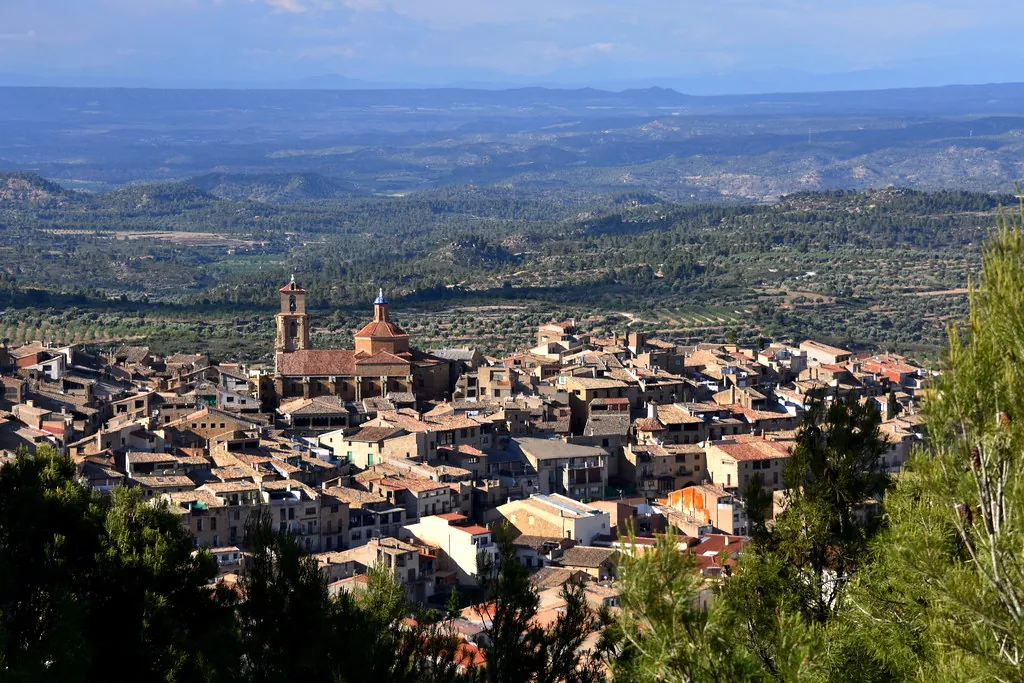
Tourism in Belmonte de San José begins with a simple reality: this is a small municipality at the southern edge of the Bajo Aragón region, set within a dry farming landscape that opens into wide horizons. Just over a hundred people live here, around 114, and daily life still follows the rhythms of the land. At about 660 metres above sea level, the village sits in a setting where stone, cultivated earth and wind are part of the same scene.
Around the built-up area, almond trees and olive groves spread across gently rolling hills. In spring, when the almond trees are in bloom, the landscape shifts for a few weeks and the fields are covered in white and pink. The terrain is not dramatic, though it is uneven, with small ravines, low rises and agricultural tracks linking scattered plots and mases, the traditional rural buildings typical of inland Aragón.
The shape of the village and its past
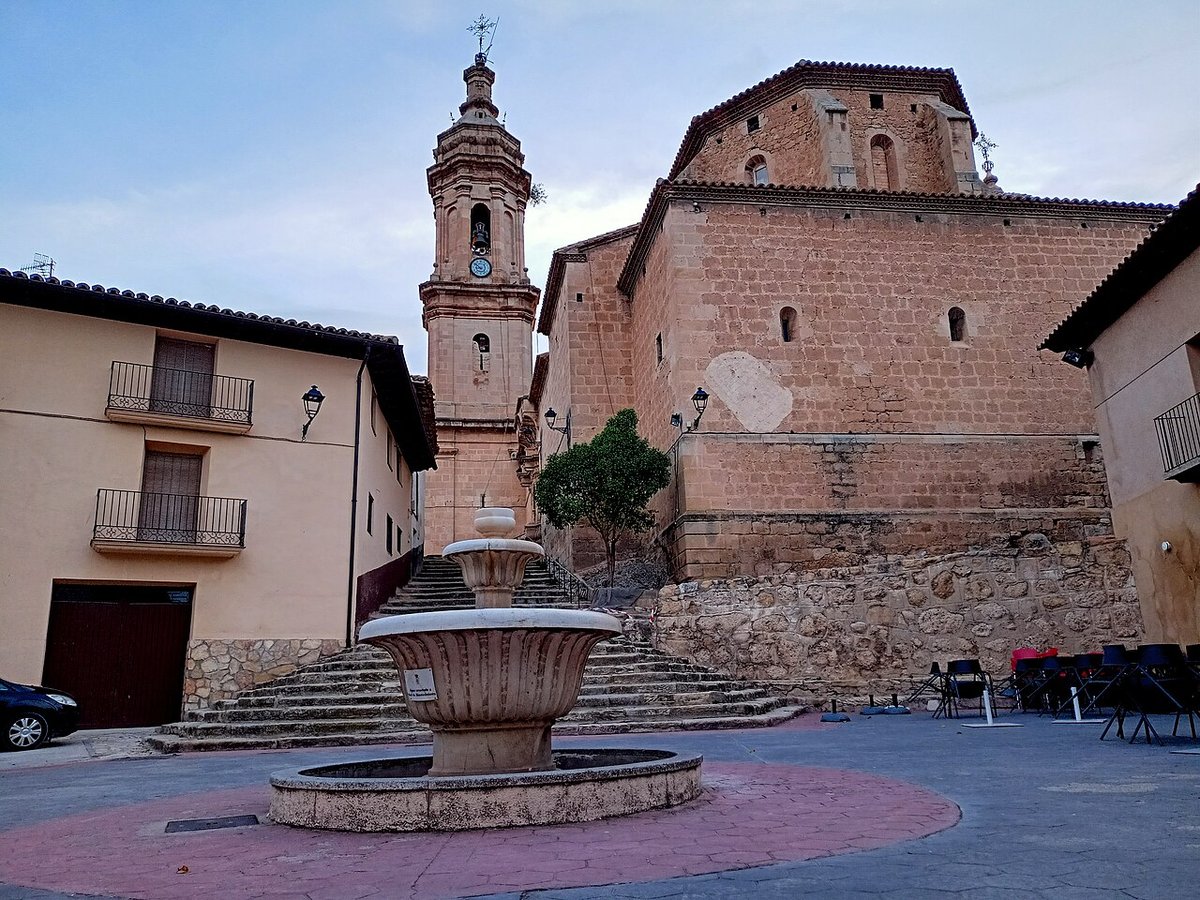
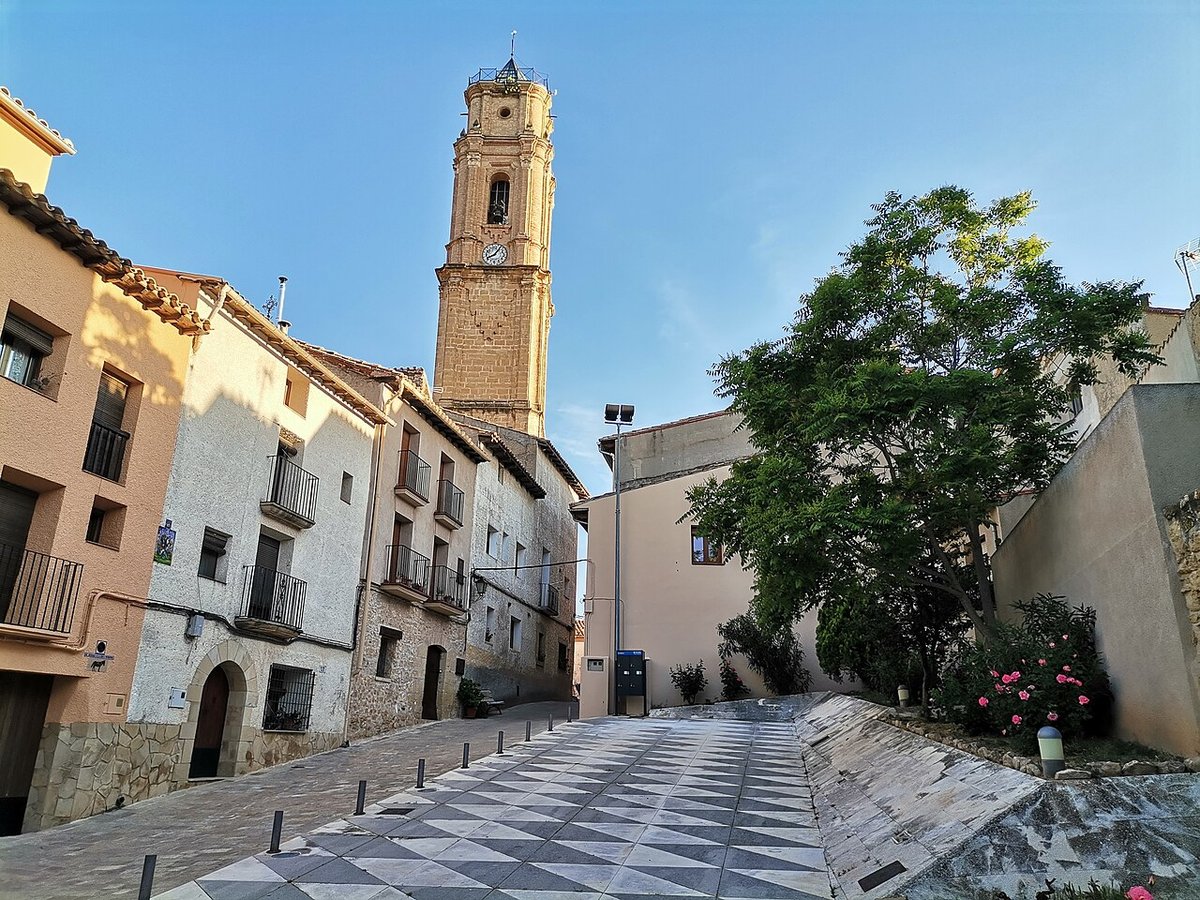
At the centre of the village stands the church of San José. The current building dates from the 16th century and was remodelled in the 18th, something fairly common among churches in this part of Aragón. It is not a large church, yet it retains the features of rural parish architecture: masonry walls, simple lines and a bell tower that still defines the village skyline.
The street layout spreads out from the church. These are short streets, sloping in places, lined with houses built from stone, adobe and brick. The architecture reflects what was available locally and follows a practical logic: thick walls to cope with the cold winters, and overhanging eaves to protect against the occasional heavy rain.
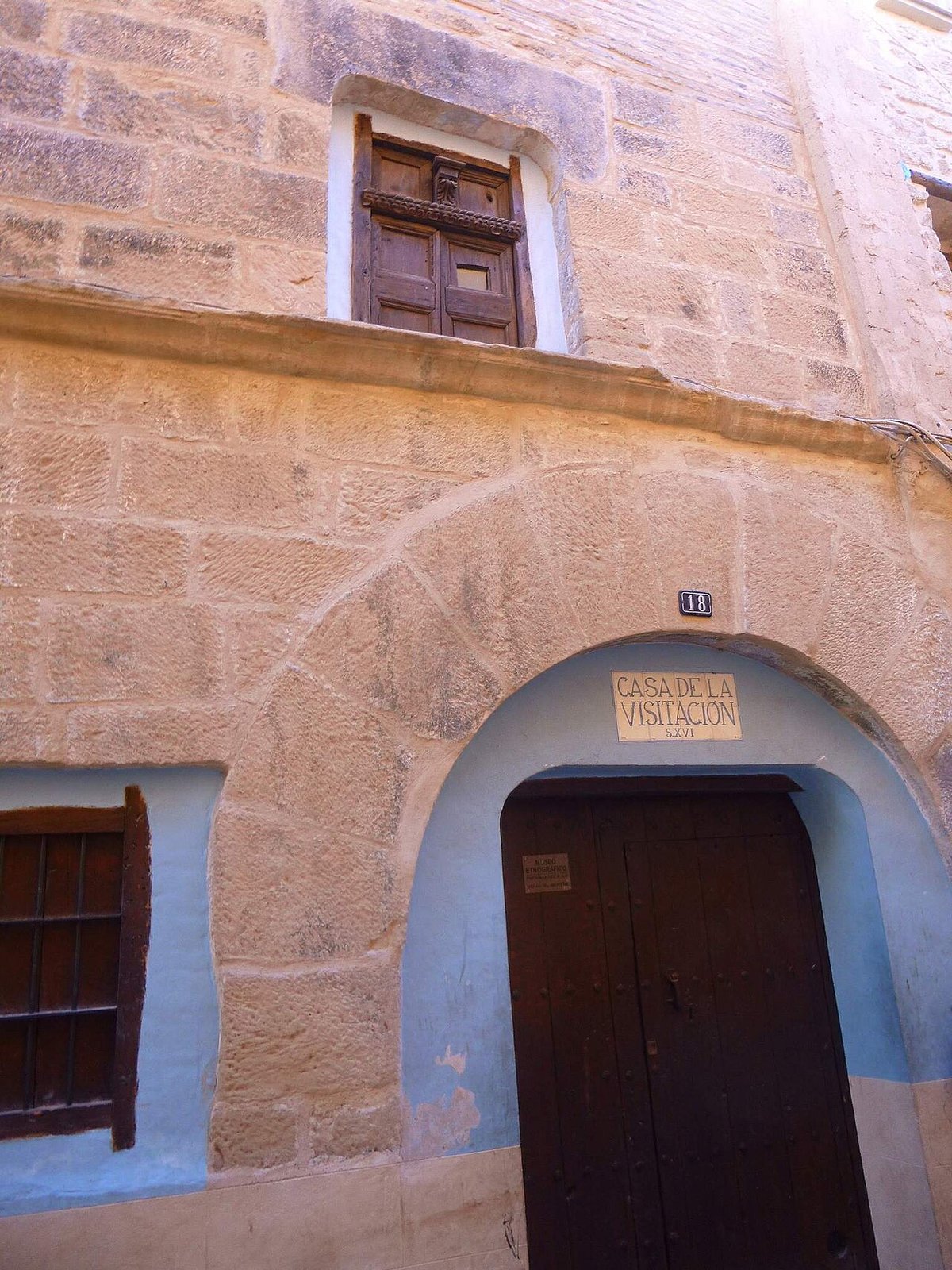
On some façades, iron balconies and traditional woodwork can still be seen. Many houses have been altered over time, but the overall look and scale remain close to that of an agricultural village in the Bajo Aragón.
A landscape shaped by dry farming
From the edges of the village, it becomes clear how Belmonte de San José fits into its surroundings. There are no high mountains or dense forests. Instead, cultivated land dominates, with an open horizon stretching across different parts of the Bajo Aragón.
During the almond blossom season the contrast is especially striking, but even outside that period the landscape offers interest if you look closely at how dry farming is organised. Olive groves, almond trees and cereal fields form a patchwork, broken up by isolated masías and tracks that wind through shallow ravines.
Several agricultural paths lead out from the village, making it possible to explore the area on foot or by bicycle. Not all of them are signposted, which is typical here, so it is worth having a basic sense of the terrain or asking a local about possible routes before setting out.
Agriculture and everyday food
Life in Belmonte de San José continues to follow the agricultural calendar. The olive and almond harvests account for much of the year’s work, and during the season it is common to see tractors moving in and out of the village.
This agricultural base also shapes the food prepared in local homes. Olive oil from the area, almonds and produce from kitchen gardens appear regularly in traditional dishes and sweets. The recipes are simple and rooted in what has been grown here over generations.
It is not a place with a structured tourist offer throughout the year. From time to time, activities linked to farming or village life take place, but they depend largely on who is in the village at that moment.
Festivities and local traditions
The festive calendar revolves mainly around religious celebrations. The feast of San José, the village’s patron saint, brings together residents and people who still have ties to Belmonte even if they no longer live there.
In summer, the main fiestas are held, when the population increases for a few days and the streets become livelier. These celebrations are closely tied to the local community.
Holy Week, or Semana Santa, is observed with the sobriety typical of many villages in the Bajo Aragón. At Christmas, familiar traditions continue, including the midnight mass known as the misa del gallo and small nativity scenes set up in homes and shared spaces.
Visiting Belmonte de San José
Belmonte de San José is small and can be explored on foot in a short time. It is a good idea to arrive prepared if planning to spend several hours there or to venture into the surrounding countryside.
To understand the place, the focus is less on seeking out specific monuments and more on wandering through the streets at an unhurried pace, then following the paths that lead out towards the olive groves and almond fields. That is where the character of the village and its connection to the landscape of the Bajo Aragón become most evident.