Full Article
about Los Olmos
Hide article Read full article
A village shaped by history and landscape
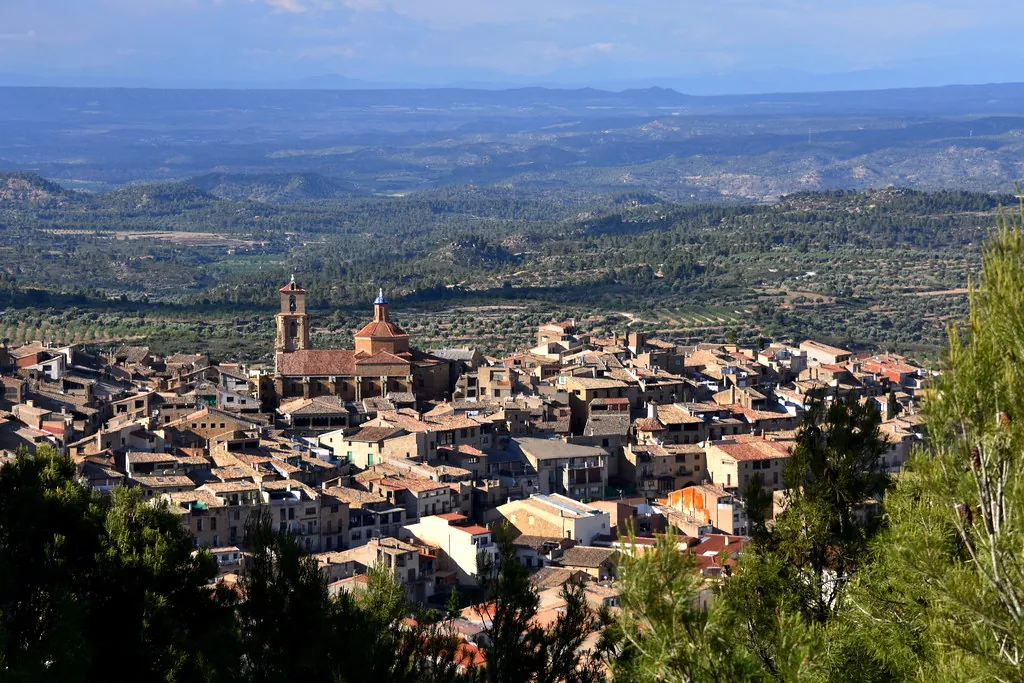
Understanding Los Olmos begins with its setting and its origins. The village lies in the historic Bajo Aragón, in the eastern part of the province of Teruel. This area became part of the Crown of Aragon during the Middle Ages, after the campaigns of conquest and the subsequent Christian resettlement between the 12th and 13th centuries. Many of today’s small settlements were founded at that time as stable farming communities. Los Olmos follows that same pattern: land devoted to cereals, small kitchen gardens and a network of paths linking nearby villages.
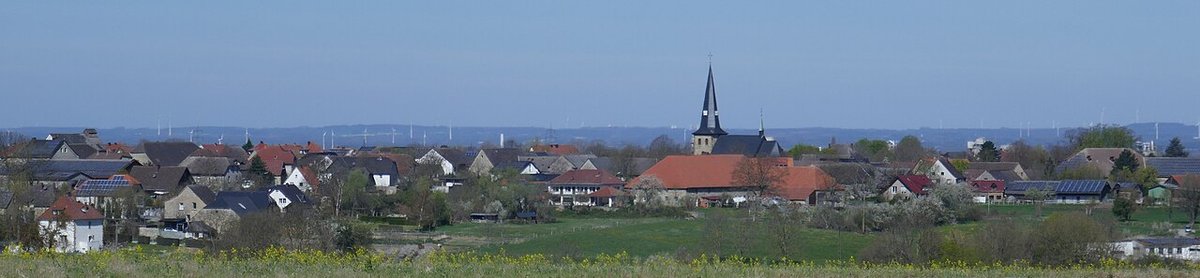
Around 111 people live here today. The village sits in a transition zone between the high inland plateaus and the more rugged relief of the Sistema Ibérico. The landscape feels open and dry. Fields stretch out across the terrain, broken by patches of pine and holm oak. Nearby ravines usually carry water only during rainy periods, yet they help explain the shape of the land and its gentle undulations.
Stone, streets and everyday architecture
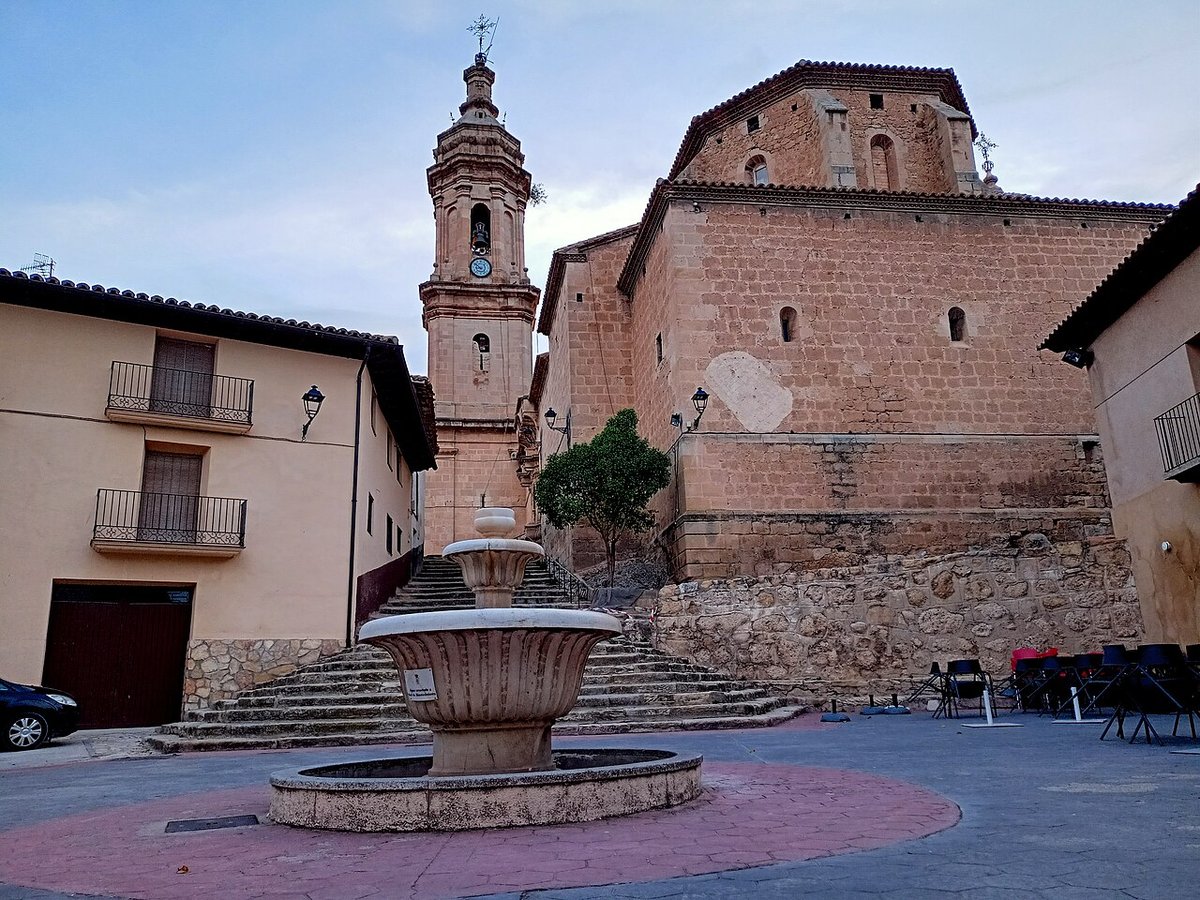
The centre of Los Olmos is organised around the parish church dedicated to the Virgen de la Asunción. The current building appears to date from early modern reforms, likely between the 16th and 17th centuries, when many rural churches in Aragon were expanded or rebuilt. Its construction is simple, using masonry, and it fits naturally into the village skyline without drawing attention to itself.
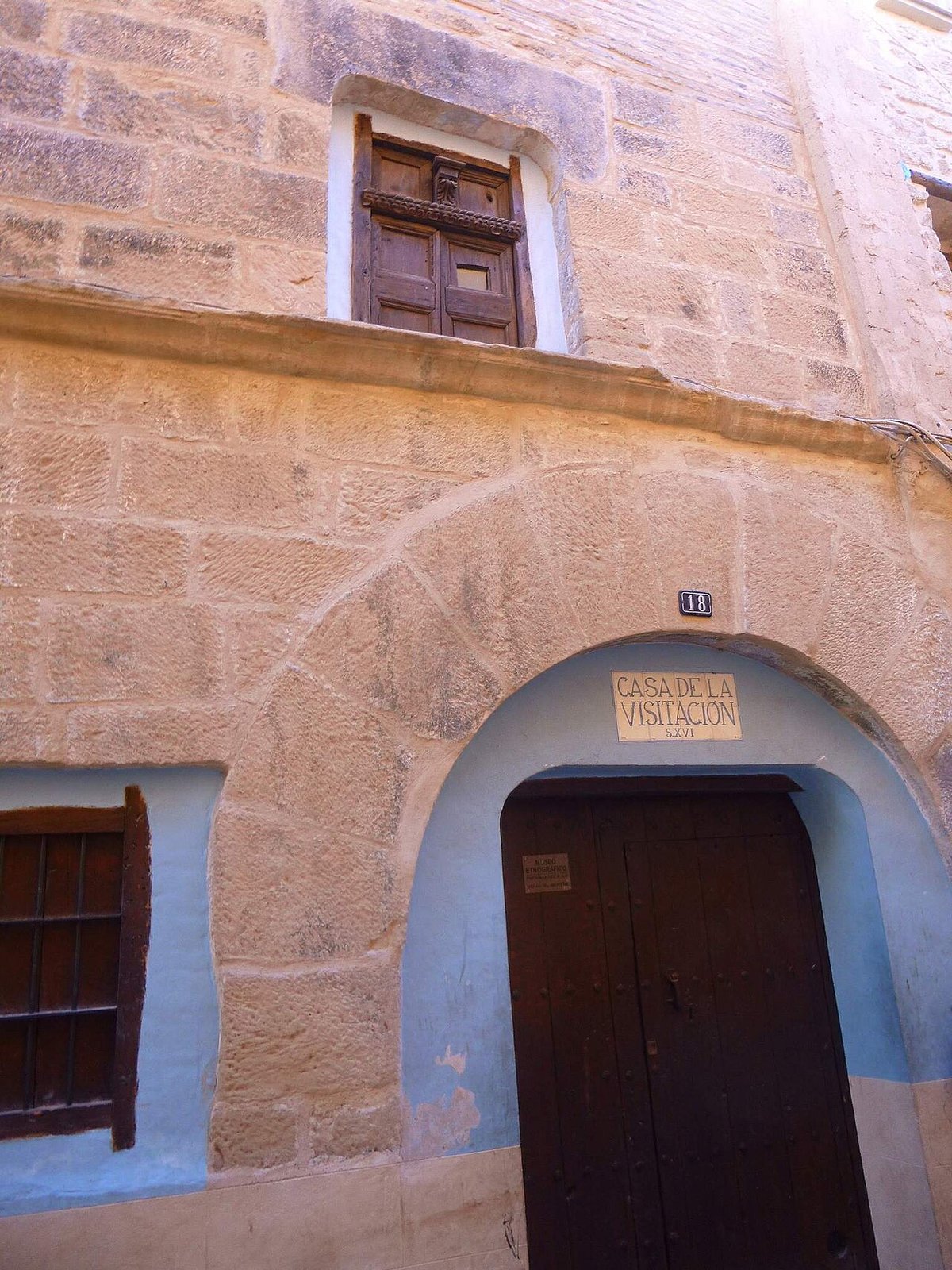
Traditional houses typical of inland Bajo Aragón surround the church. Stone walls, iron balconies and large doorways designed for agricultural use define the look of these homes. This is not monumental architecture. It reflects the daily life of a farming community. Some façades still show traces of that rural economy, with former haylofts incorporated into the house or animal pens located at the rear.
The main square serves a practical purpose rather than a decorative one. Public buildings gather here, and the main streets meet at this point. The layout of Los Olmos is straightforward, shaped by gradual growth rather than any formal urban planning. The streets follow a logic of use rather than design, which gives the village a direct and functional character.
Fields, ravines and working paths
Beyond the built-up area lies the landscape that has sustained the village for centuries. Dry farming dominates, particularly cereal crops that shift in colour as the seasons change. Between the plots, small banks hold aromatic shrubs along with occasional clusters of holm oak or Aleppo pine.
The nearby ravines offer a clear view of the area’s geology. Layers of sedimentary rock are visible in their sides, pointing to the ancient origins of these formations. The terrain is not especially steep, but it is uneven, with low hills that force paths and tracks to wind across the land.
Agricultural tracks and footpaths lead out from the village into the surrounding countryside. Farmers and livestock keepers have used these routes for decades. Not all of them are signposted, and many still function as working paths rather than routes prepared for visitors.
Traditions tied to the seasons
In Los Olmos, as in many small villages of Bajo Aragón, the calendar has long been linked to the rhythm of the countryside. The main festivities take place around the Virgen de la Asunción in mid-August. At that time, many people who have moved away for work return to the village for a few days.
During these celebrations, the atmosphere becomes livelier. Religious events take place alongside gatherings among neighbours and activities organised by the residents themselves. The sense of community becomes more visible, shaped by shared routines and long-standing connections.
Autumn brings another tradition that still survives in some households: the matanza del cerdo, or pig slaughter. In the past, this was essential for ensuring food supplies through the winter. Although it happens less frequently today, it retains strong cultural meaning and continues to form part of local identity.
Reaching Los Olmos and getting around
Los Olmos is connected to the network of regional roads in Bajo Aragón. Access comes via secondary roads after leaving the main highways of the province. The final stretch follows quiet routes with little traffic, reinforcing the sense of distance from larger urban centres.
The village itself is easy to explore on foot. Comfortable footwear is useful for those planning to walk along the paths that extend into the countryside, as some sections can be stony.
The climate reflects the interior of Teruel. Summers are dry and hot during the middle of the day, while winters are cold, with frequent frosts.
When the landscape feels at its best
Spring and autumn tend to be the most pleasant times to explore the area. The countryside changes noticeably with the seasons, especially across the cereal fields. Light at the end of the day, when it falls across the crops and the low hills, gives a clear sense of the character of Bajo Aragón and the environment that has shaped villages such as Los Olmos.