Full Article
about Lagata
Hide article Read full article
Lagata shows up when you least expect it
You’re driving across the dry plains of the Campo de Belchite, all wheat fields and low hills, and then it’s just there. Lagata. No fanfare, no sign announcing a historic center. Just a cluster of brick and stone houses where the road bends. It has about a hundred people and a pace of life that feels like it belongs to another decade.
This isn't a place that tries to be anything for you. It’s just itself. Life here ticks along like the slow hand on a clock. People work their land, stop to chat in the middle of the street, and know every dog by name. If you need constant stimulation, you’ll be bored in an hour. But if you’re curious about how a small Aragonese village actually lives, this is a pretty honest example.
A twenty-minute walk tells you everything
The parish church of San Pedro is the tallest thing around. It’s Mudejar brickwork from the 16th century, they say. The tower feels more practical than decorative, something to help you find your way home across the flatlands. It fits.
You can walk the whole village in less time than it takes to drink a coffee. Calle Mayor strings everything together, with smaller lanes peeling off towards houses built from local stone. Some facades are neat and painted; others are frankly crumbling. It’s all mixed together.
The main square acts as the communal living room. Nothing fancy happens here. On a good afternoon, you might see a few neighbors sitting on benches, talking about nothing in particular. When it’s quiet, you hear everything: a chicken clucking behind a wall, an old door swinging shut, the wind moving through the olive groves at the village edge.
The steppe starts where the pavement ends
Step past the last house and you’re in it. The Campo de Belchite steppe rolls out in every direction. Cereal fields shift from green to gold with the seasons. It’s not dramatic scenery that hits you over the head. It’s subtle, something that grows on you after awhile.
Walking is simple. Just pick any of the dirt farm tracks leading out of town. They’re dry and dusty in summer, muddy slicks after rain. Farmers use them; you can too.
This landscape holds wildlife if you have patience and binoculars. Birds like bustards live out here, adapted to the dryness. You might see one, or you might not. There are no guarantees, which makes spotting something feel like a small victory.
Eating locally and nearby history
Food here follows the old agricultural calendar. Meals are hearty and slow-cooked: lamb stews, seasonal vegetables, migas when it gets cold. In hunting season, rabbit or partridge might appear on a menu. Some families still make their own cured meats for winter.
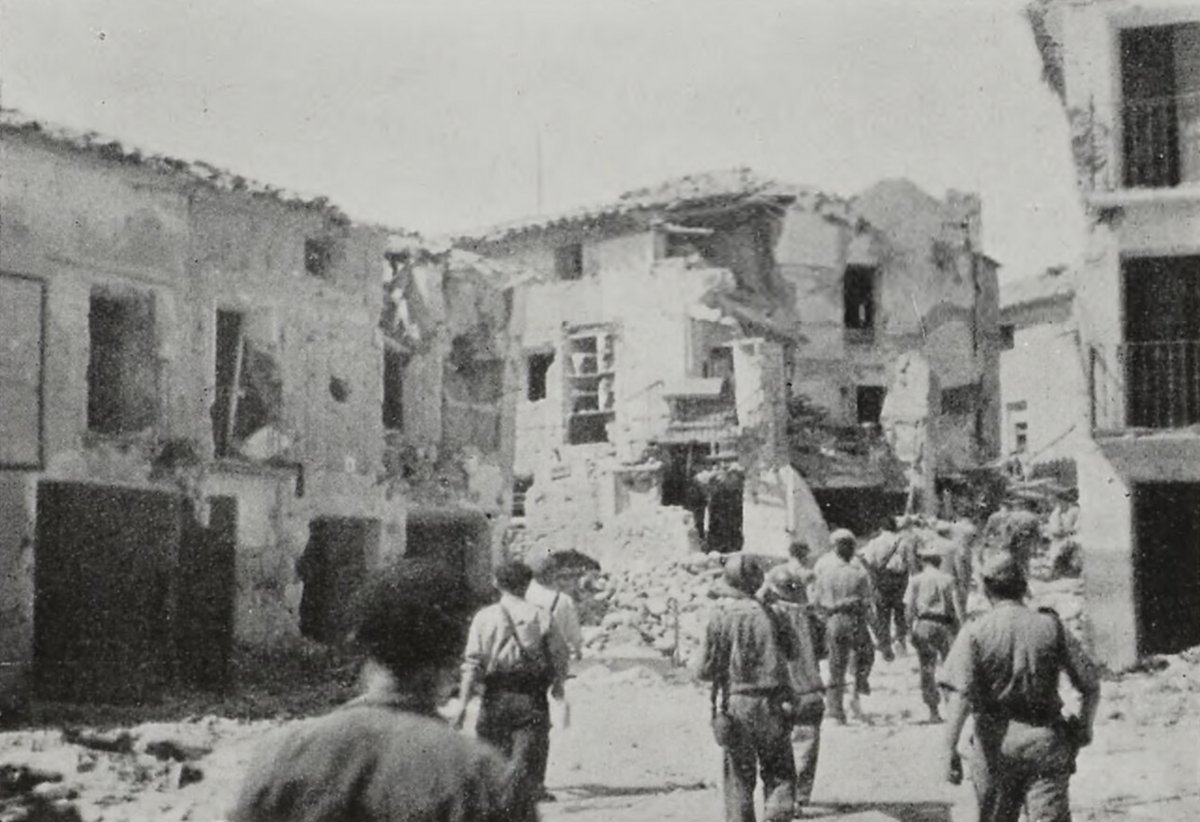
Many people come to this area for Belchite Viejo, the old town destroyed in the Civil War that sits about twenty minutes away by car. It's a heavy place that explains a lot about this region's past. Lagata works as a quiet base camp after seeing it—a place to decompress without crowds.
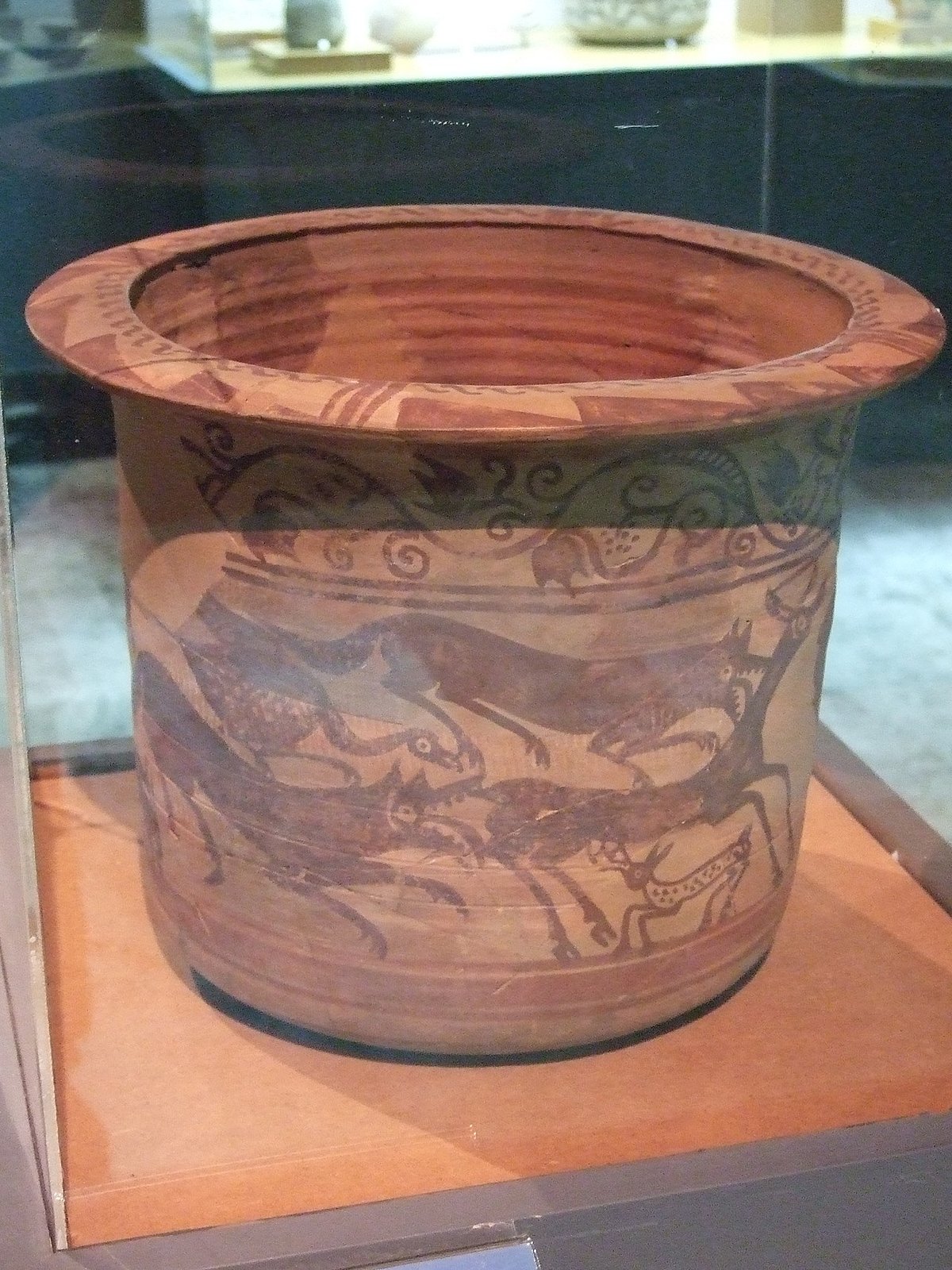
Scattered across these fields are small archaeological traces: bits of pottery, markers of old Roman settlements. No one has turned them into visitor sites; they're just there if you know where to look.
Festivals and how to get here
The village rhythm changes during fiestas. San Pedro celebrations in early summer bring back families who've moved away. There's a procession, a big shared meal, music. For those few days, the streets feel full again. Semana Santa is observed quietly, with modest processions run entirely by locals. You get the sense they're keeping it going through sheer will, as fewer people stay year-round.
To get here from Zaragoza, you drive south through an expanse of open country. Other villages appear as smudges on the horizon. Lagata feels like one more. Arriving gives you that specific feeling of having left the main route behind.
So is it worth stopping? Only if your idea of travel includes places that don't perform for guests. Lagata won't entertain you for a full day. It's more like pulling over on a long drive to stretch your legs somewhere real. You look around, you get a sense of how things work here, and then you move on. What stays with you is that simplicity