Full Article
about Lécera
Hide article Read full article
Getting There and First Impressions
In Lécera, the car comes first. The village is reached from Zaragoza via the A-220 in under an hour, and finding the entrance is straightforward. Once inside, parking is usually easy enough, either on streets near the centre or around the edges of the built-up area. There is no need to circle for long.
Summer changes the rhythm slightly. The sun is strong here, and walking around at midday can feel slow and heavy, so arriving earlier in the day makes things easier.
A Small Village in Campo de Belchite
Lécera is a small settlement in the Campo de Belchite. The layout is compact, with low houses and a noticeable quietness during the week. There is no large historic quarter designed for long visits, and the whole place can be covered in a short time.
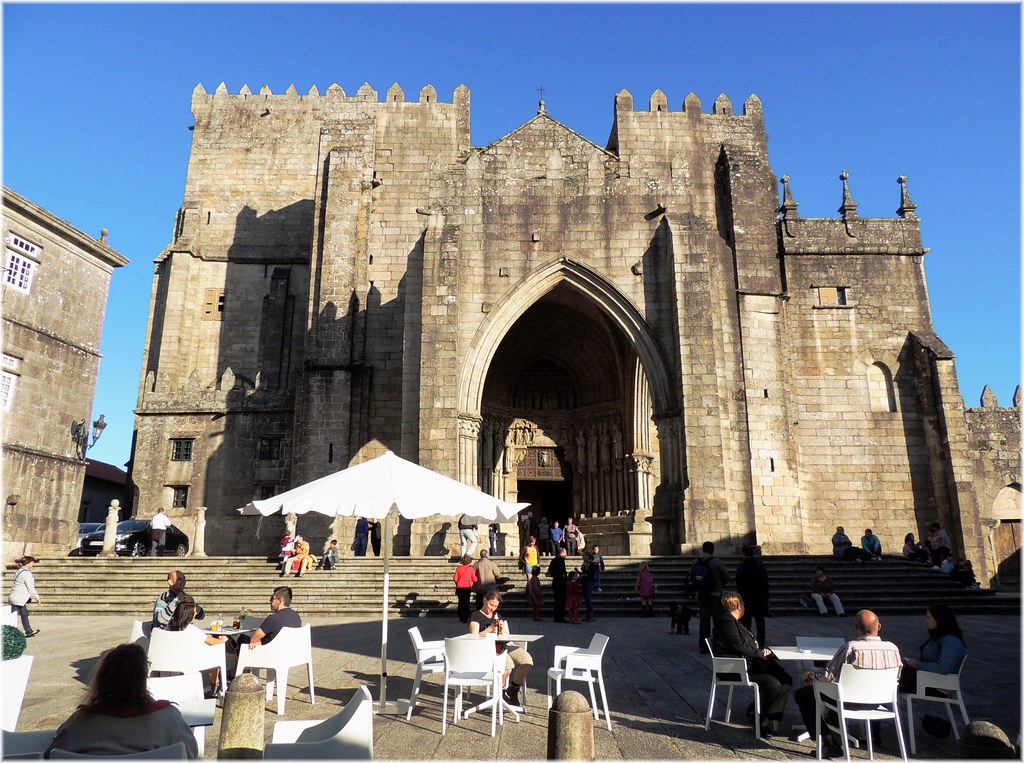
The most visible building is the church of Santa María Magdalena. It dates from the 18th century and has a fairly restrained façade. Its bell tower rises above the surrounding rooftops and works as a useful reference point when moving through the village.
Beyond that, the architecture follows patterns typical of this part of Aragón. Stone or rammed-earth walls appear frequently, along with iron balconies and large gates that reflect a life closely tied to agriculture. Near the town hall, a public washhouse still stands, along with some old fountains that hint at how daily routines once worked.
A Walk That Doesn’t Take Long
Walking through Lécera is simple and direct. A couple of main streets, a few short slopes, and before long the route loops back to where it started. There are no museums or major historic buildings open to visitors. The village feels lived-in rather than arranged for tourism.
Small details can still draw attention. Some doors show heavy wear in the wood, old metal grilles remain in place, and there are corrals that are still in use today. These elements give a sense of continuity, but they do not form a monumental ensemble or a structured sightseeing route.
Fields and Open Land
The landscape opens up almost immediately beyond the edge of the village. Cereal fields spread out across the Campo de Belchite, shaping a setting of gentle hills, wide plots and agricultural tracks that run in many directions.
Some of these tracks connect Lécera with nearby places such as Belchite or La Zaida. Certain routes are suitable for walking or cycling, while others depend heavily on ongoing farm work and may be uneven or dusty. It is worth asking locally before heading far from the paved roads.
Seasonal change is easy to notice here. In spring, the fields look more active and varied. By summer, everything turns dry and yellow. From any small rise in the terrain, the character of the region becomes clear: a long horizon with very little to interrupt it.
Local Traditions and Everyday Life
Festivities in Lécera follow the traditional calendar. During Semana Santa, or Holy Week, there are usually small and fairly restrained processions. The tone is quiet rather than elaborate.
August brings a different atmosphere. Many residents who live elsewhere return for a few days, and the pace of the village shifts noticeably during that period.
Winter also has its place in the local calendar. Celebrations linked to San Antón are still maintained, often centred around bonfires and gatherings among neighbours. These are not large-scale events, but they reflect a strong sense of local custom.
When It Makes Sense to Visit
Spring and autumn are the most comfortable times to spend a bit of time in Lécera. Temperatures are more manageable, and the surrounding landscape changes with the cereal cycle, which adds some variation to the view.
A simple plan works best here. Walk through the village, spend a while on the surrounding tracks, and then continue on through the wider comarca. Lécera does not ask for much more time than that, and it does not try to.