Full Article
about Albeta
Hide article Read full article
A small stop that lingers
Some places work like those roadside bars where you pull over without expecting much and end up staying longer than planned. Tourism in Albeta has a bit of that feel. It is not somewhere that appears on travel lists, nor a place people arrive at with a checklist in hand. It is more of a gentle detour in the middle of the Campo de Borja, where you step out of the car, take a short walk and quickly get a sense of how things are.
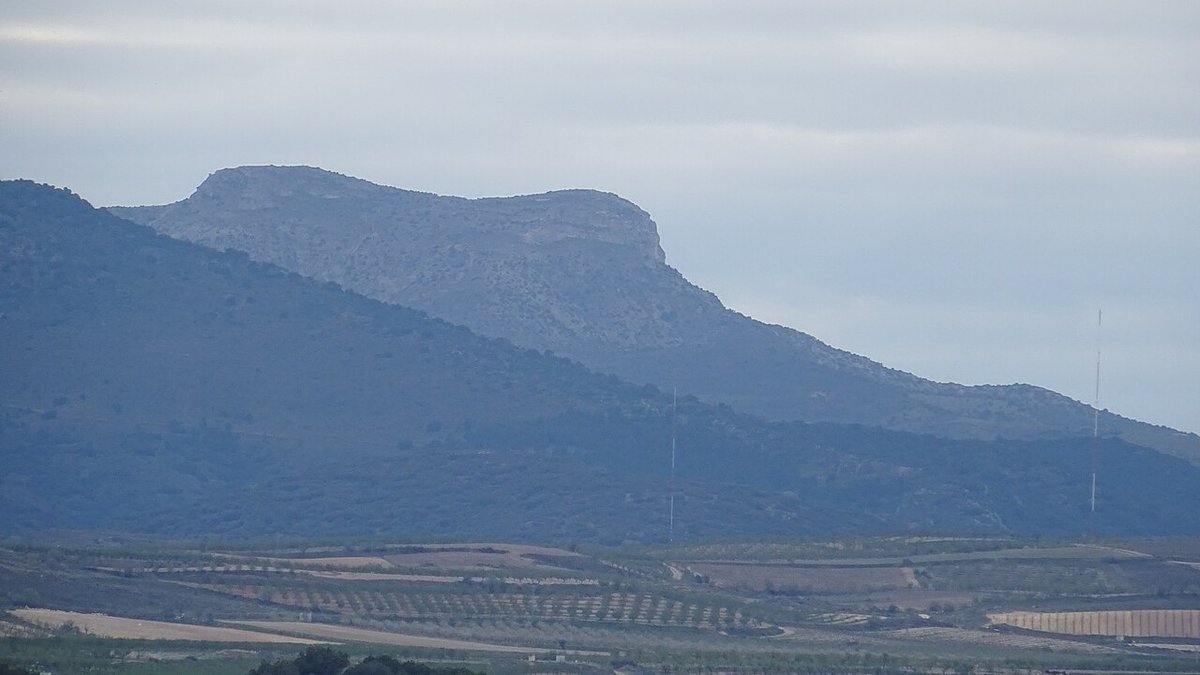
Albeta has just over a hundred residents and sits closely tied to the agricultural landscape of this part of Aragón. Vineyards and almond trees shape the surroundings, and the rhythm of the year follows the farming calendar. There are no standout monuments or streets designed for photographs. Instead, there is the feeling of a village that continues much as it always has: neighbours who know each other, tractors coming and going, and a quiet that settles in as evening arrives.
The centre, straight to the point
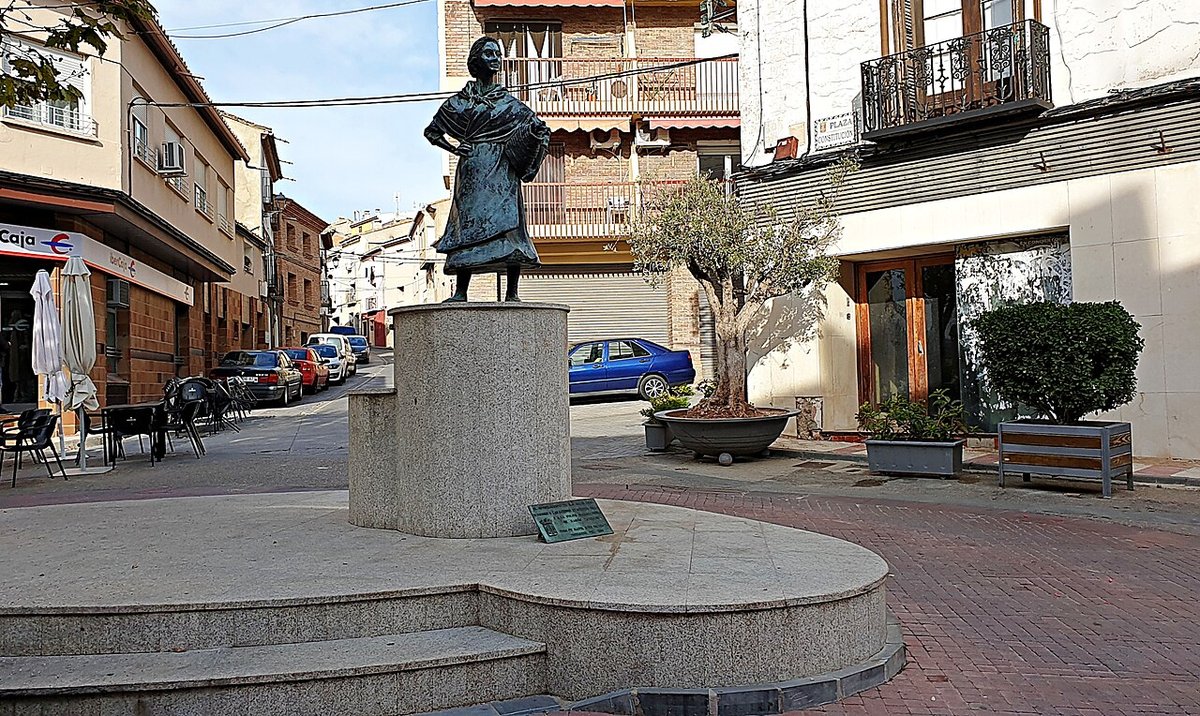
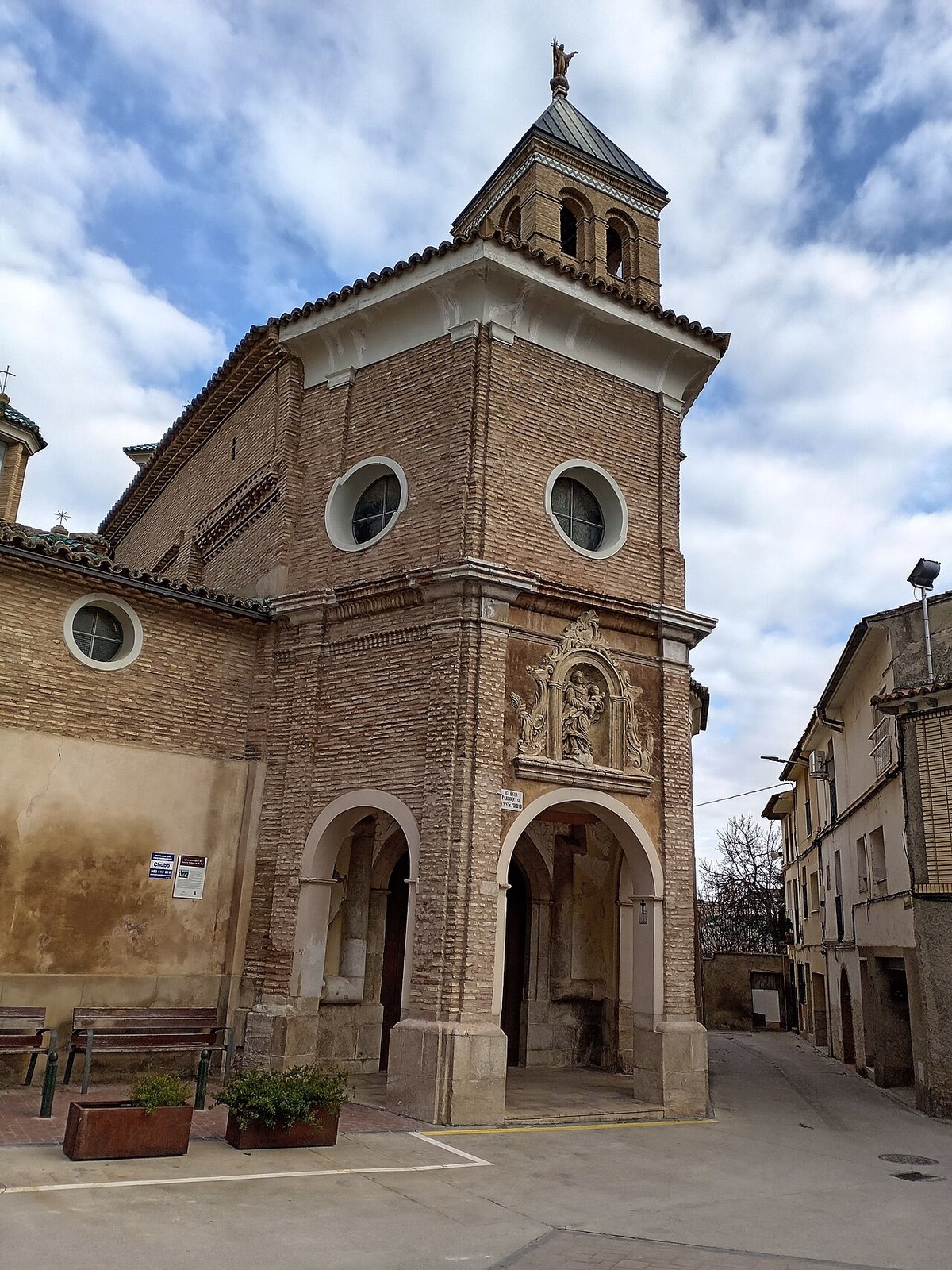
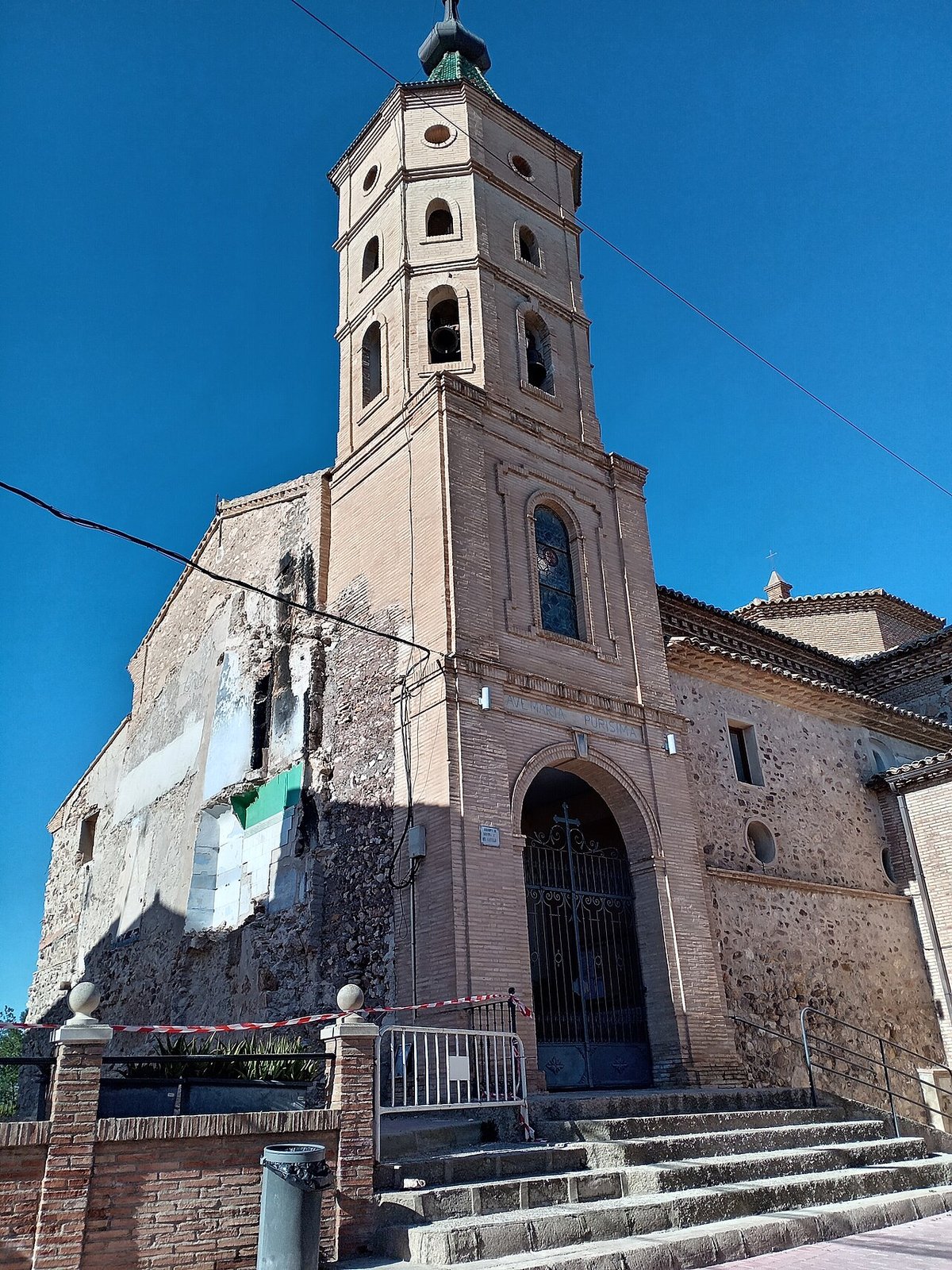
The village centre is small and easy to cover on foot. The Plaza Mayor acts as the main reference point, with the parish church of San Miguel Arcángel overlooking the space. It is a simple building, in keeping with the scale of the village: stone construction, compact in form, without elaborate decoration.
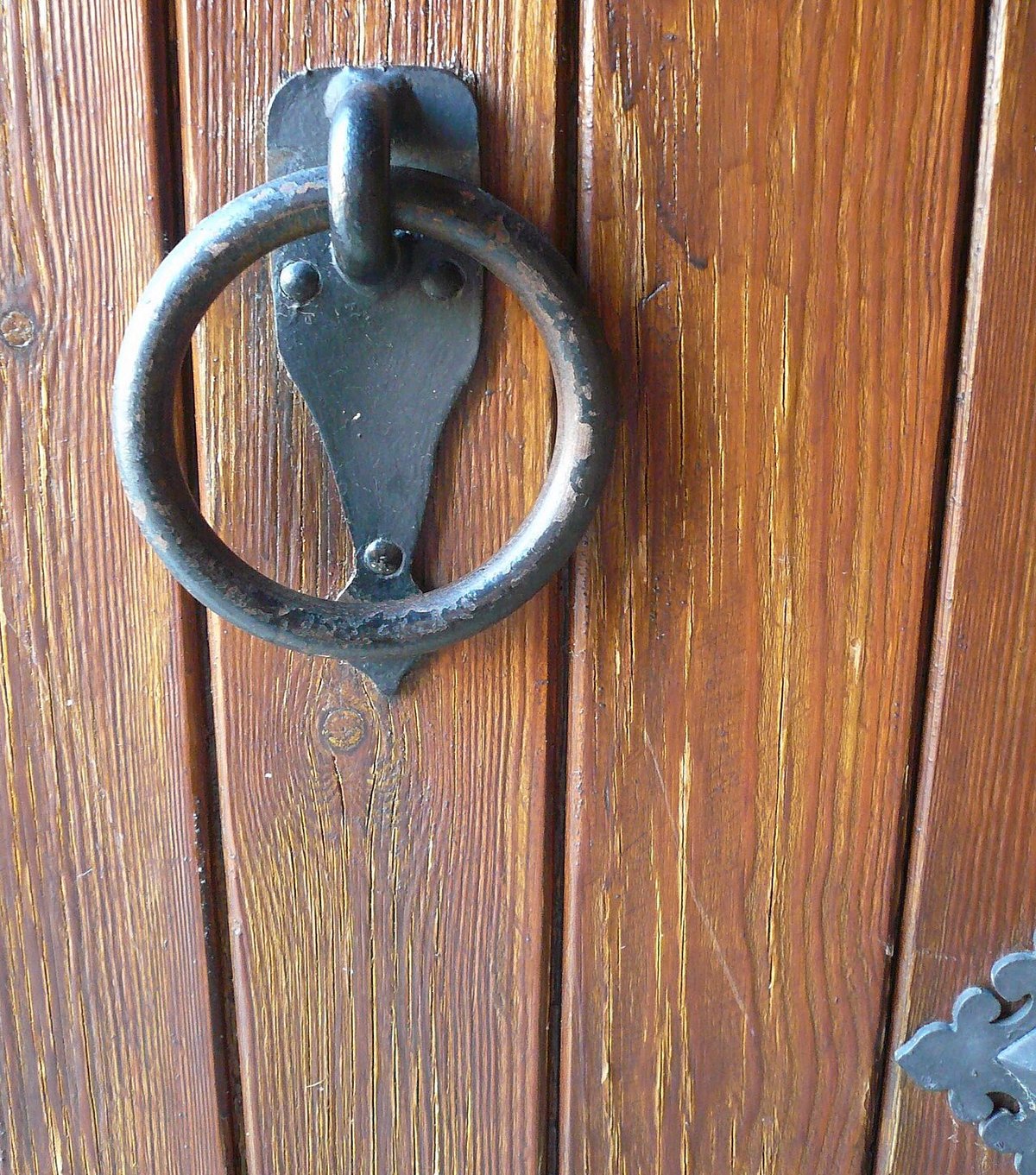
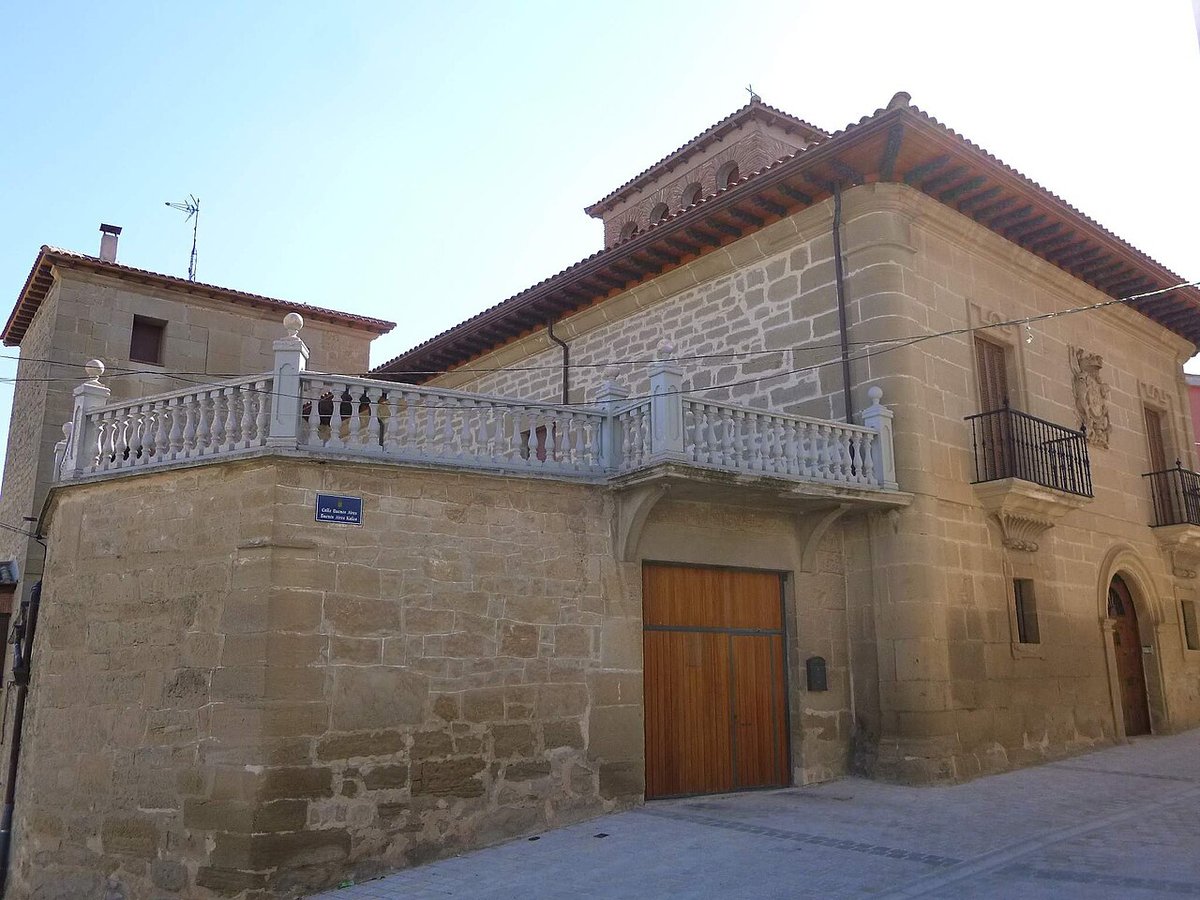
Around the square and nearby streets, a few older houses remain, some with arched entrances and iron balconies. A slower look reveals small details that might otherwise go unnoticed. There are heavy wooden doors worn by time, façades where the stone has been left exposed, and the occasional old coat of arms placed above an entrance.
For much of the year, life here moves at a slow pace. There is little foot traffic, and it is common to walk through the streets without seeing many people. When local festivals arrive or a busier weekend brings more visitors, the square briefly regains some activity.
Houses, yards and working land
The architecture in Albeta is practical rather than decorative. Houses are solid, with thick walls and internal courtyards that in many cases are still used. Some buildings keep their stone visible, while others have been rendered but retain their traditional structure.
Just a couple of streets away from the centre, the village blends into its working edges. There are animal enclosures, agricultural storage buildings and small family vegetable plots. Old olive trees can still be seen, along with almond trees that shift the look of the surrounding fields when they bloom towards the end of winter.
This is not a historic quarter designed for long wandering. It is a place that becomes clear quite quickly: an agricultural village that has grown only as much as needed, still oriented towards the land that surrounds it.
Walking among the vineyards of the Campo de Borja
One of the most fitting things to do in Albeta is to head out along the agricultural tracks that connect nearby plots of land. These are not marked routes but dirt paths used by farmers, open enough to walk and move between vineyards.
The area forms part of the wider landscape of the Campo de Borja, where garnacha grapes have been cultivated for centuries. At the end of summer, during the grape harvest, there is visible activity in the fields. Tractors move back and forth, boxes of grapes are handled, and groups of workers start early in the day.
Spring brings a noticeable shift in the scenery. Almond trees in bloom and vines beginning to sprout break up the dry tones that dominate much of the year. It is a gradual change rather than a dramatic one, but enough to alter the feel of the surroundings.
Festivals and everyday rhythms
Local festivals usually take place in summer, often around August. At that time, many residents who live elsewhere return for a few days, and the atmosphere changes. The square becomes more animated, with simple open-air dances and shared meals organised by the neighbours themselves.
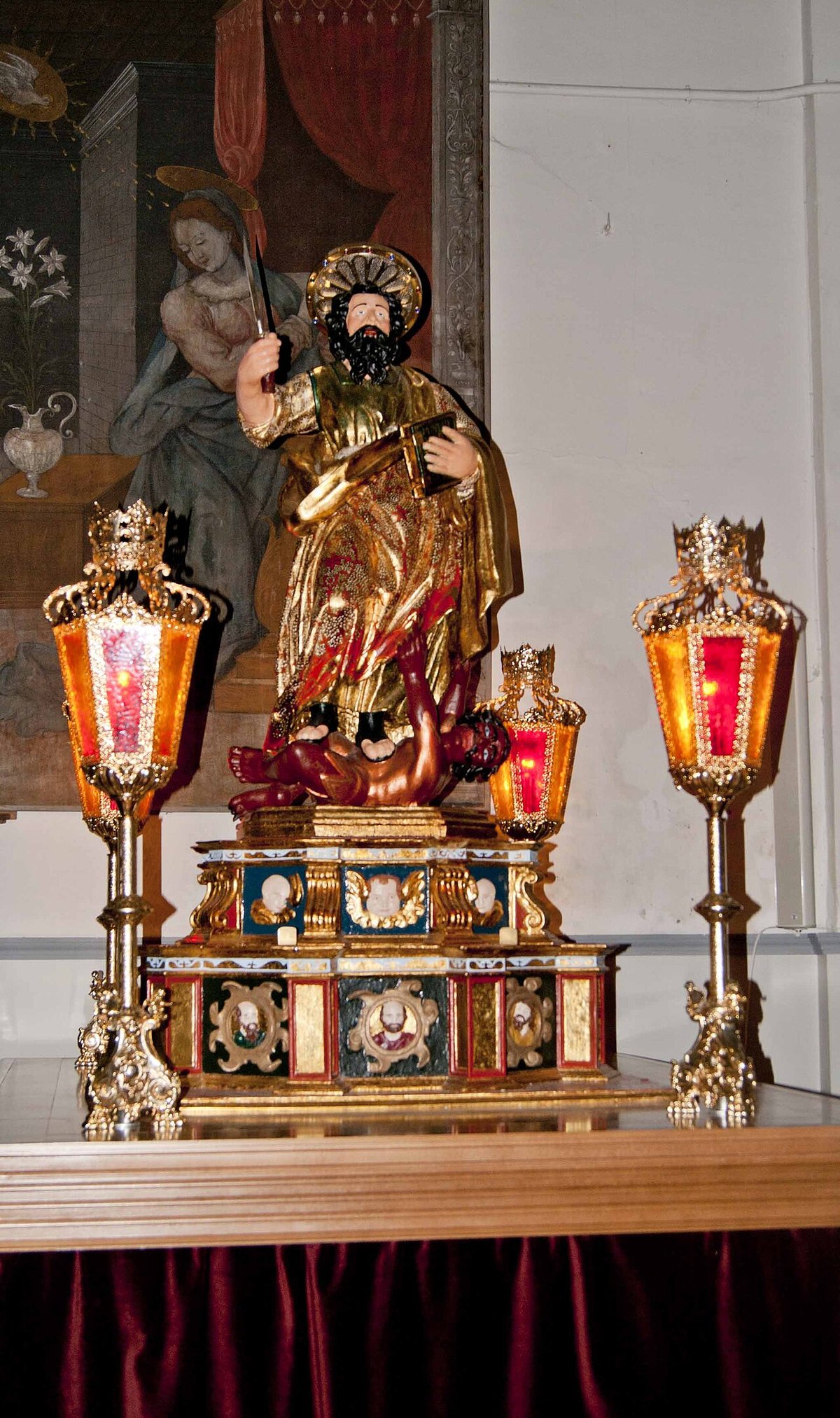
Holy Week is observed in a restrained way, as in many villages across Aragón. There are short processions, modest religious floats, and a generally quiet tone.
Outside specific dates, the local calendar continues to be shaped by agricultural work. Winter is marked by pruning, spring by activity in the vineyards, and late summer by the movement of the harvest as the season begins to turn.
How Albeta fits into a wider route
Albeta tends to appear as a brief stop rather than a destination on its own. It is very close to Borja and other villages in the Campo de Borja, so many travellers arrive after visiting wineries in the area or moving between nearby towns.
The village can be seen quickly, yet it offers a kind of pause that feels welcome after busier places. A short walk through the centre, followed by another along the paths leading towards the vineyards, is usually enough to understand it.
This is not a place to come in search of big attractions. It works better as a way to see how life unfolds in this part of the Ebro valley when tourism does not set the pace. And in rural areas, that can be exactly what makes the stop worthwhile.