Full Article
about Ambel
Hide article Read full article
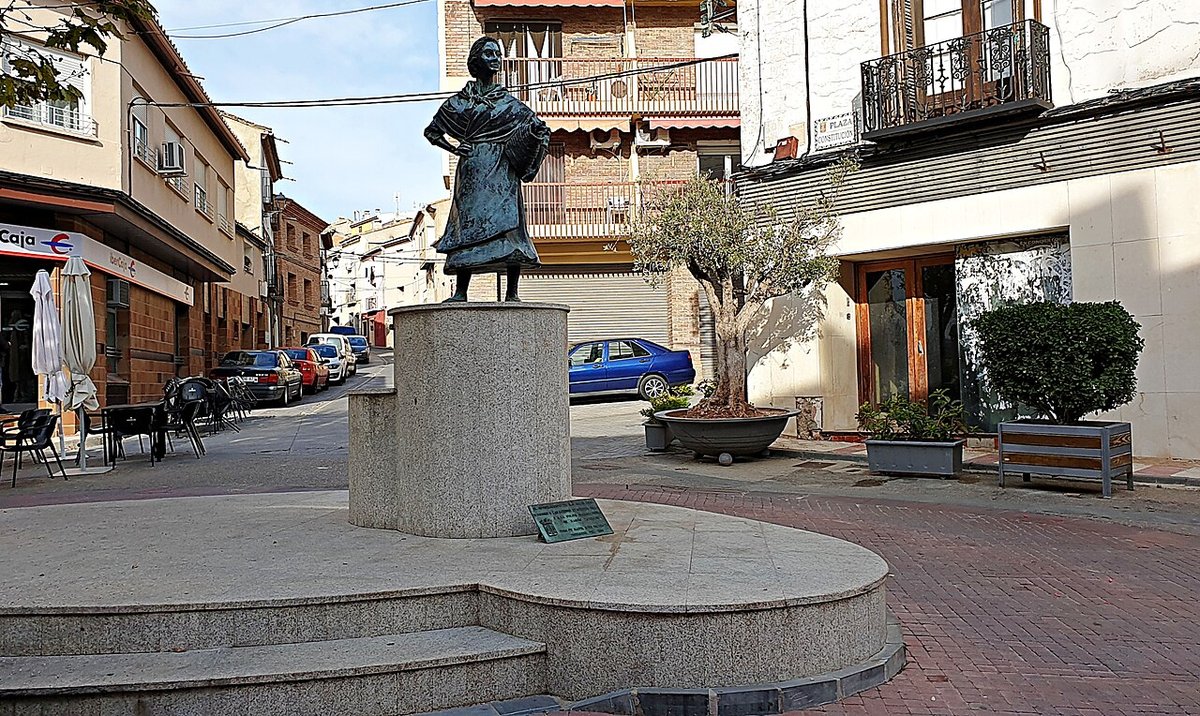
The morning wind moves across the square, sending elm leaves skittering over stone. At that hour, the metal sculpture by the church feels like an interruption—a sharp, contemporary line against the soft, weathered adobe. That contrast is Ambel: a village of about two hundred and fifty people where the present sits quietly alongside layers of the past.
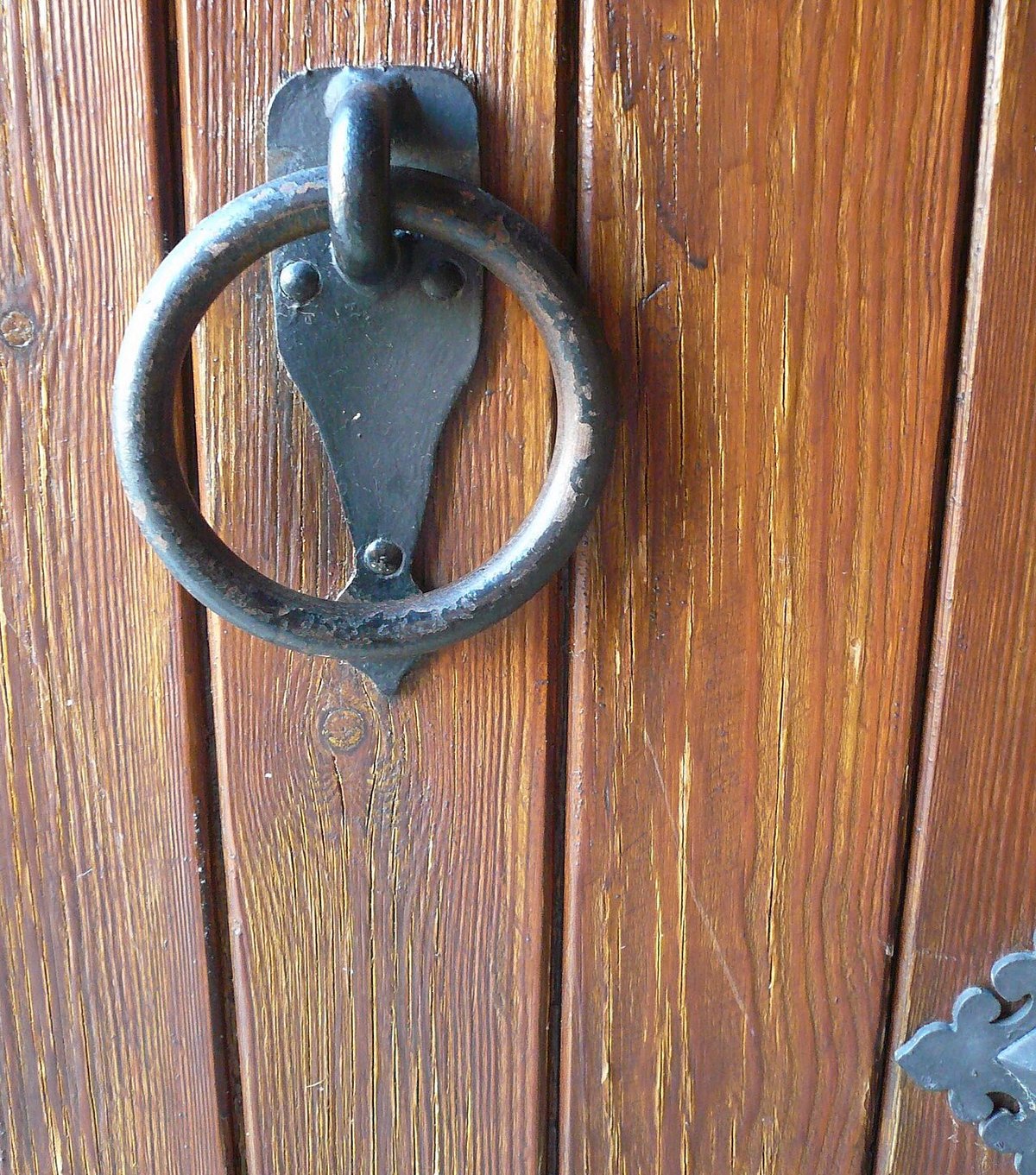
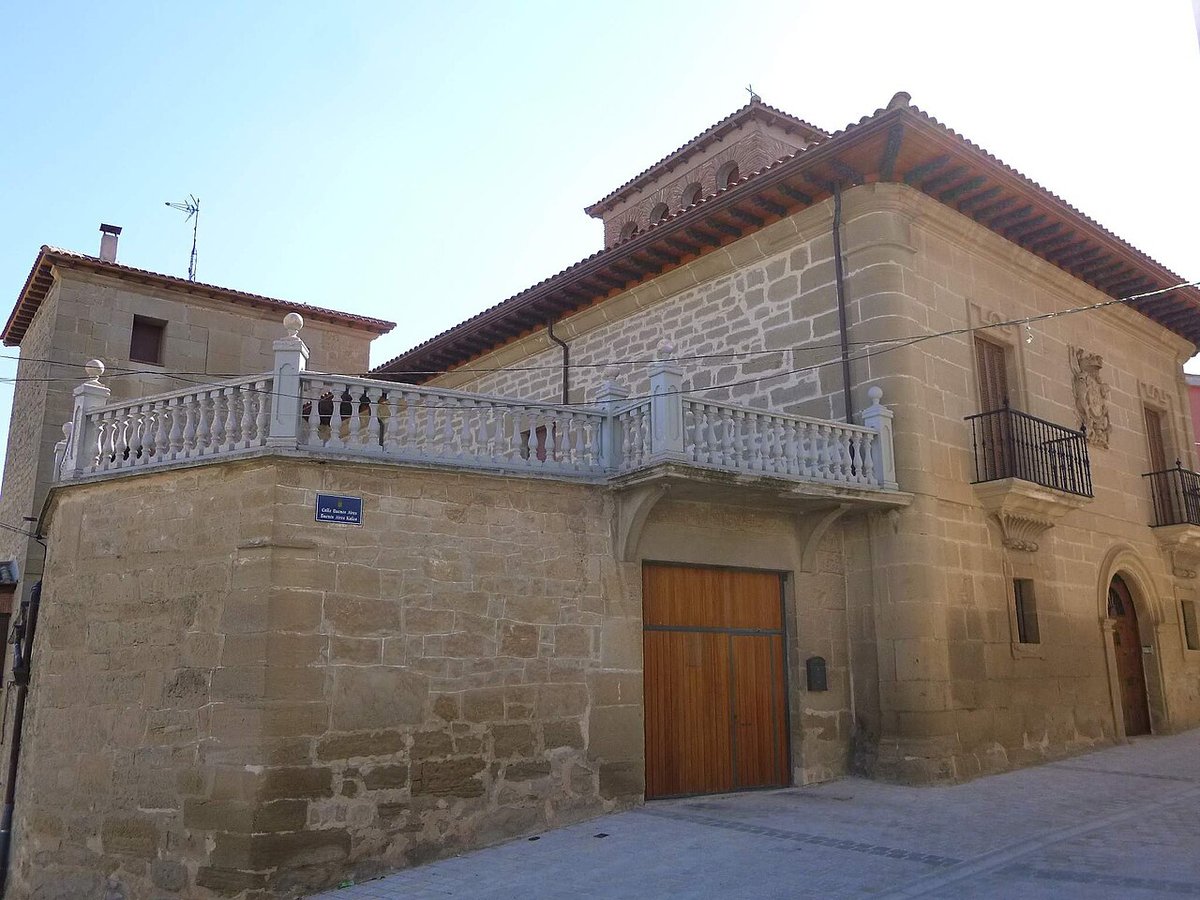
You notice the materials first. The compact streets are built from what the land provided: limestone, clay bricks, and thick adobe. Dark, worn wood frames the doorways; iron railings hang from balconies and creak when the cierzo blows through from the north. By mid-morning, the stillness is so complete you can hear a shutter lift two streets away.
The tower and the quiet
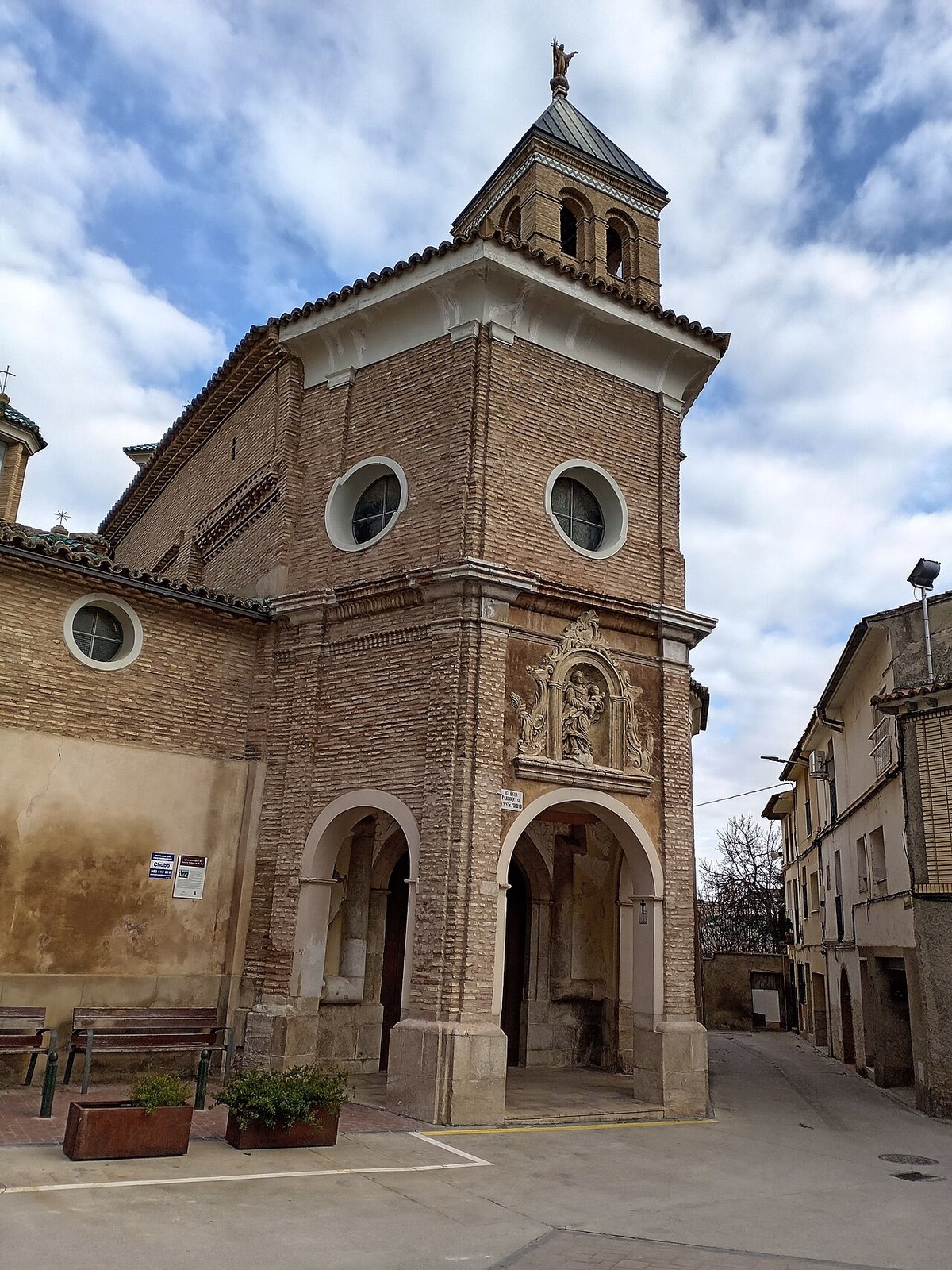
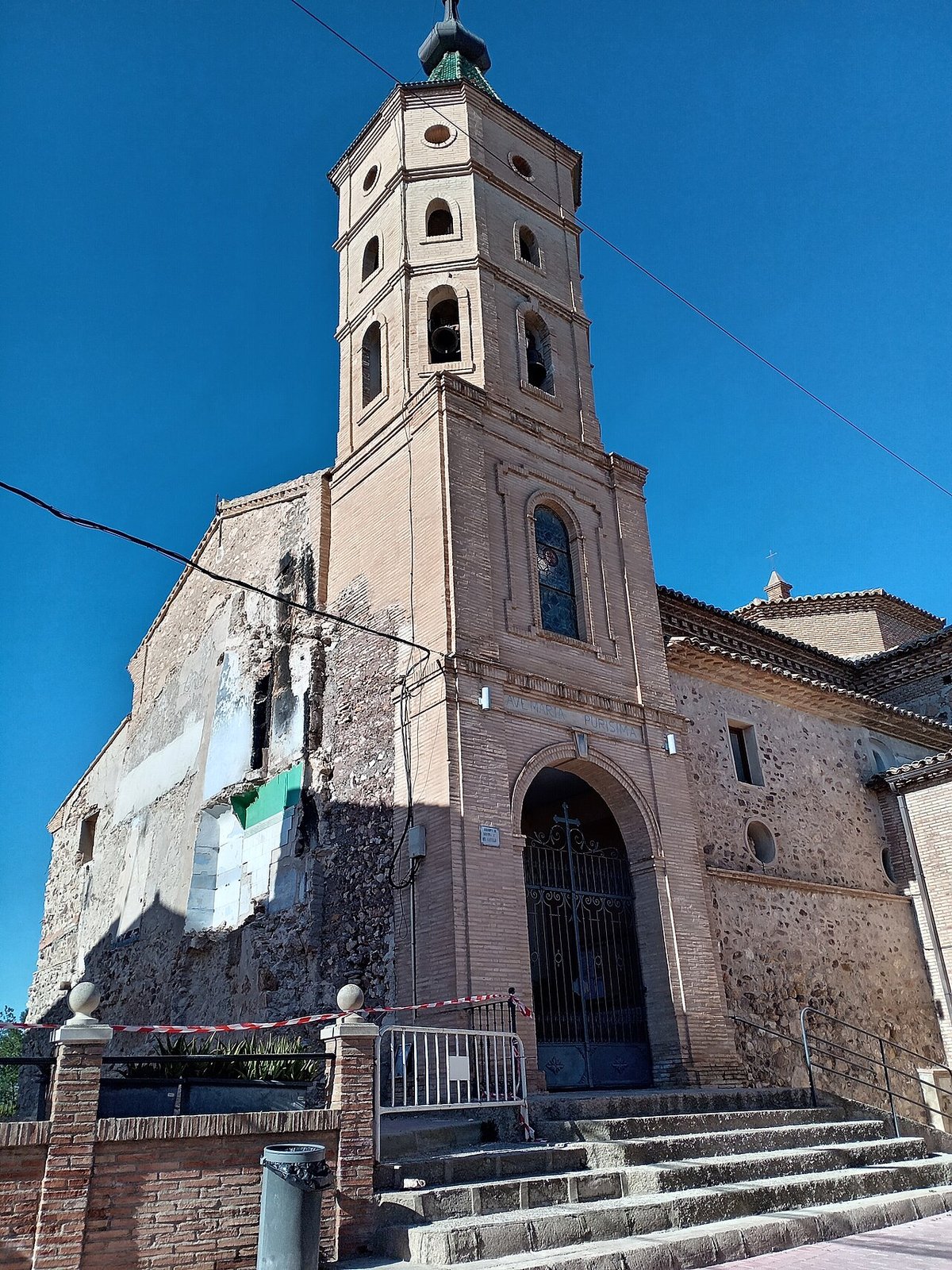
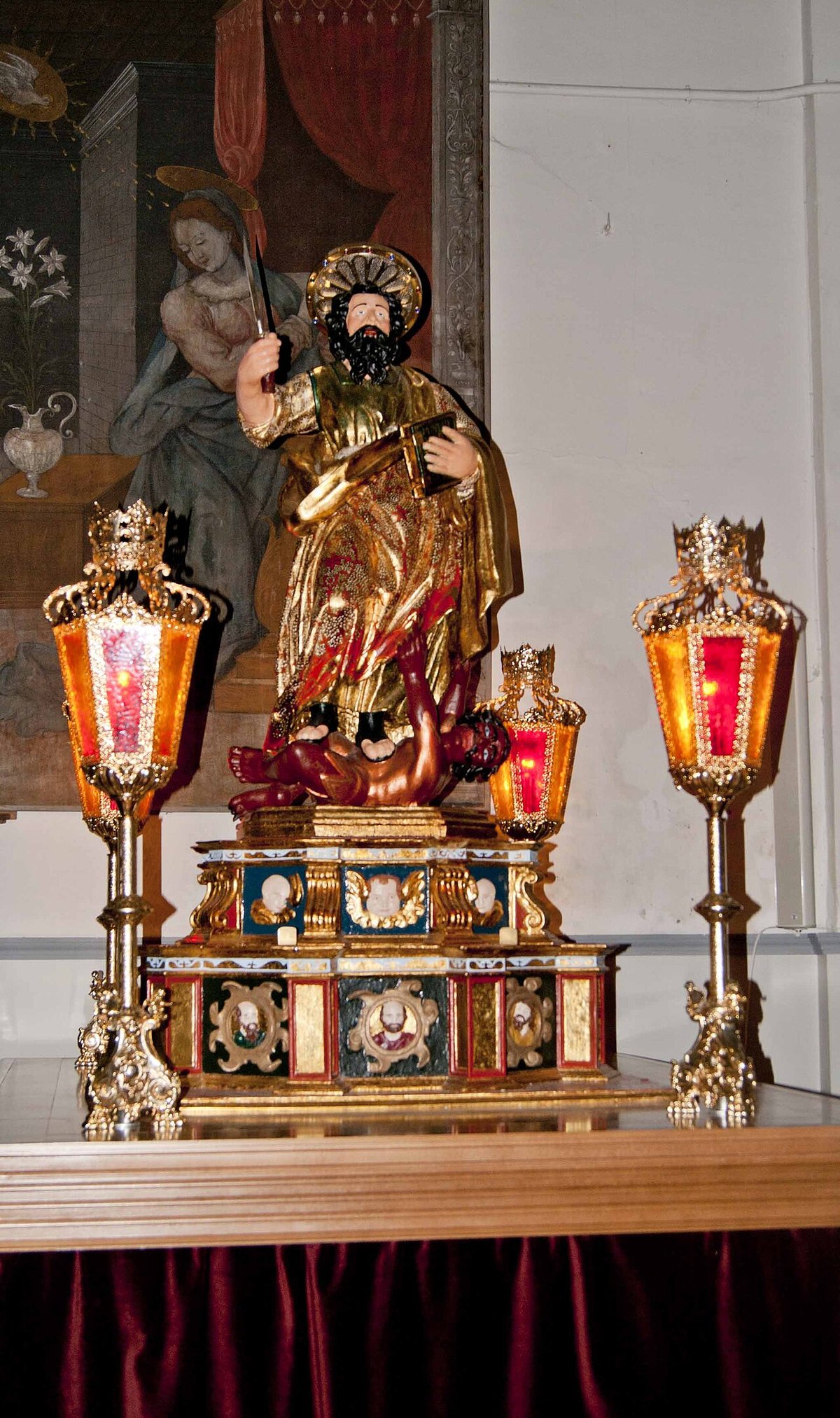
The brick tower of San Miguel appears from almost every corner, its ochre tone softening in the morning light. Inside, the air is several degrees cooler and carries the scent of old wood, wax, and stone. The 16th-century altarpieces are still there, their carved figures watching over empty pews. This is not a museum; it’s a working parish church, so check mass times if you want to see it unlocked without having to ask for the key.
Nearby, some of the oldest houses hide behind large wooden gates. Look for the solid stone entrances with worn voussoirs; if a gate is ajar, you might glimpse an inner courtyard, shaded and private.
Paths into the vineyard
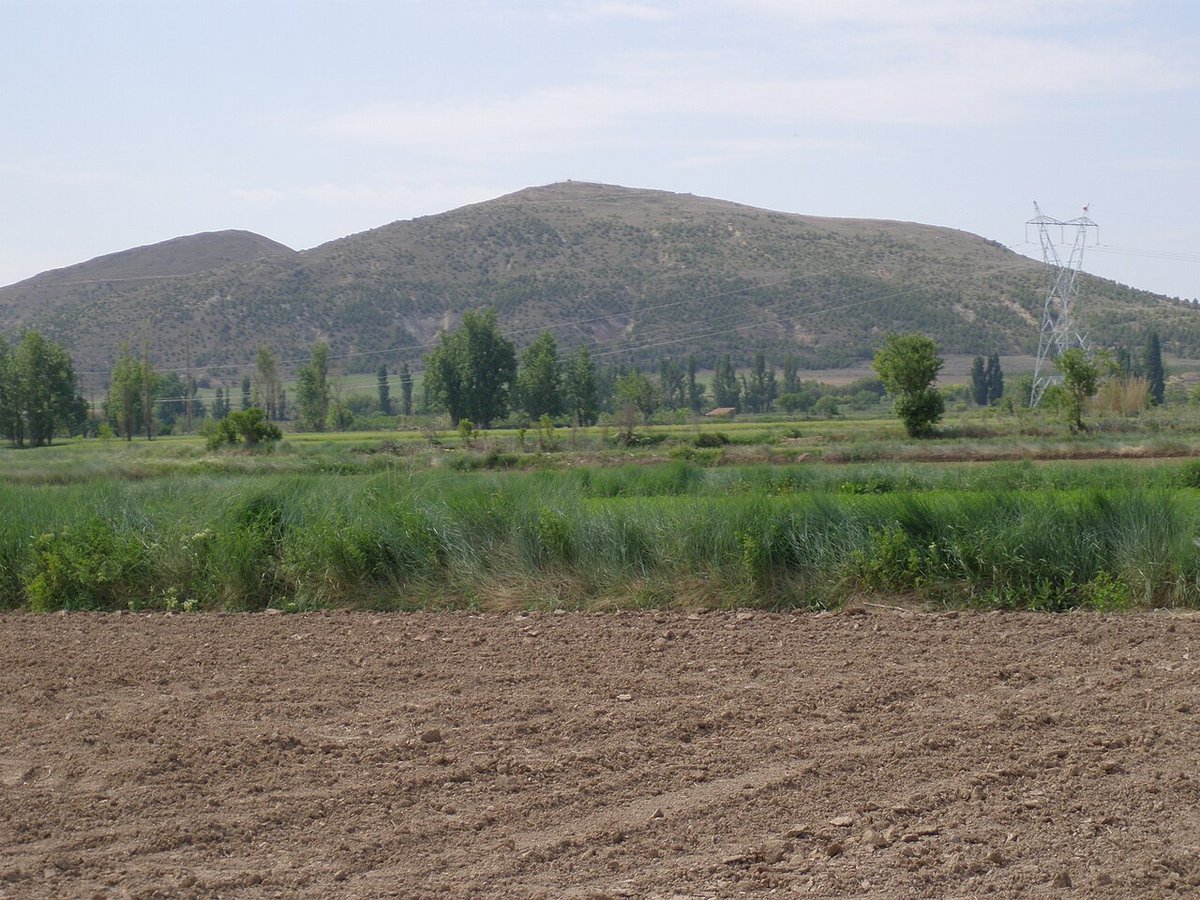
The fields begin where the last house ends. Vineyards dominate, a sea of garnacha vines mixed with olive and almond trees. In late September, the grapes darken and the landscape shifts colour within a week.
The agricultural tracks are wide, made of compacted earth, and follow long-established routes. They’re suitable for walking or cycling, but carry water and plan for shade: at midday in high summer, the sun here is relentless. The best light comes in the two hours before sunset, when everything turns a deep, transient gold.
A hermitage on the plain
A few kilometres out, along an unpaved track, stands the Ermita de la Virgen de la Consolación. Its pale walls and simple bell gable are humble against the open sky. From here, the plain of the Campo de Borja stretches out flat and vast, with Moncayo rising in the distance on clear days. Locals often drive up in the evening; if you walk, you’ll have the wind for company.
A practical rhythm
Meals follow the land: slow-cooked stews, lamb prepared in local styles, cured meats shared during gatherings. The garnacha wine on the table likely came from a cooperative just down the road—vine cultivation has shaped daily life here for generations.
If your visit coincides with late September, the feast of San Miguel brings a murmur of activity to the square. It’s a neighbourly affair, with religious processions and conversations that spill outdoors. More telling than any festival, though, is the start of the grape harvest: watch for tractors moving through the rows at dawn, and you’ll understand the year’s true rhythm.
The drive from Zaragoza takes about an hour west through the Ebro valley before joining smaller roads that cut through farmland. You’ll know you’re close when Moncayo fills the horizon and vineyards line both sides of the road. Park near the square; everything in Ambel is a five-minute walk from there. Come on a weekday if you can—the silence is part of the place.