Full Article
about Borja
Hide article Read full article
Borja, Before the Fresco
The sign in the chapel still says “Do not touch the wall”. Behind it, the Ecce Homo fresco by Elías García Martínez, painted in 1930, is now obscured by the 2012 intervention by Cecilia Giménez. What was intended as a restoration became something else, an image that circulated globally and drew visitors for reasons its author never imagined. That episode, however, is just one layer in Borja.
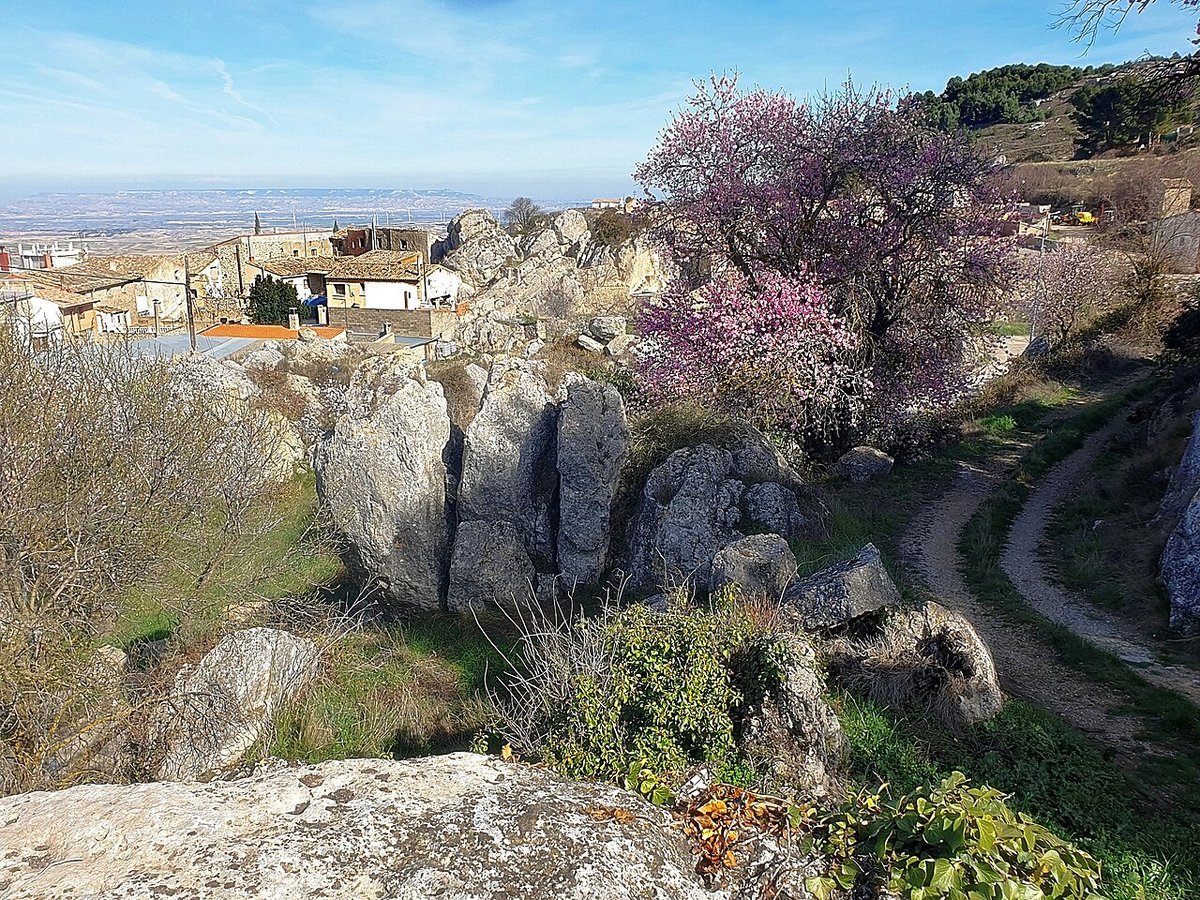
The town occupies a strategic hill above the plains of the Campo de Borja. This position attracted early settlement. The Celtiberian town of Bursao was here, followed by Roman presence and later a Muslim fortification known as La Zuda. Alfonso I of Aragon captured Borja in 1121. The fuero he granted allowed Christian, Muslim and Jewish communities to live within the same walls for a time.
The Colegiata and Its Context
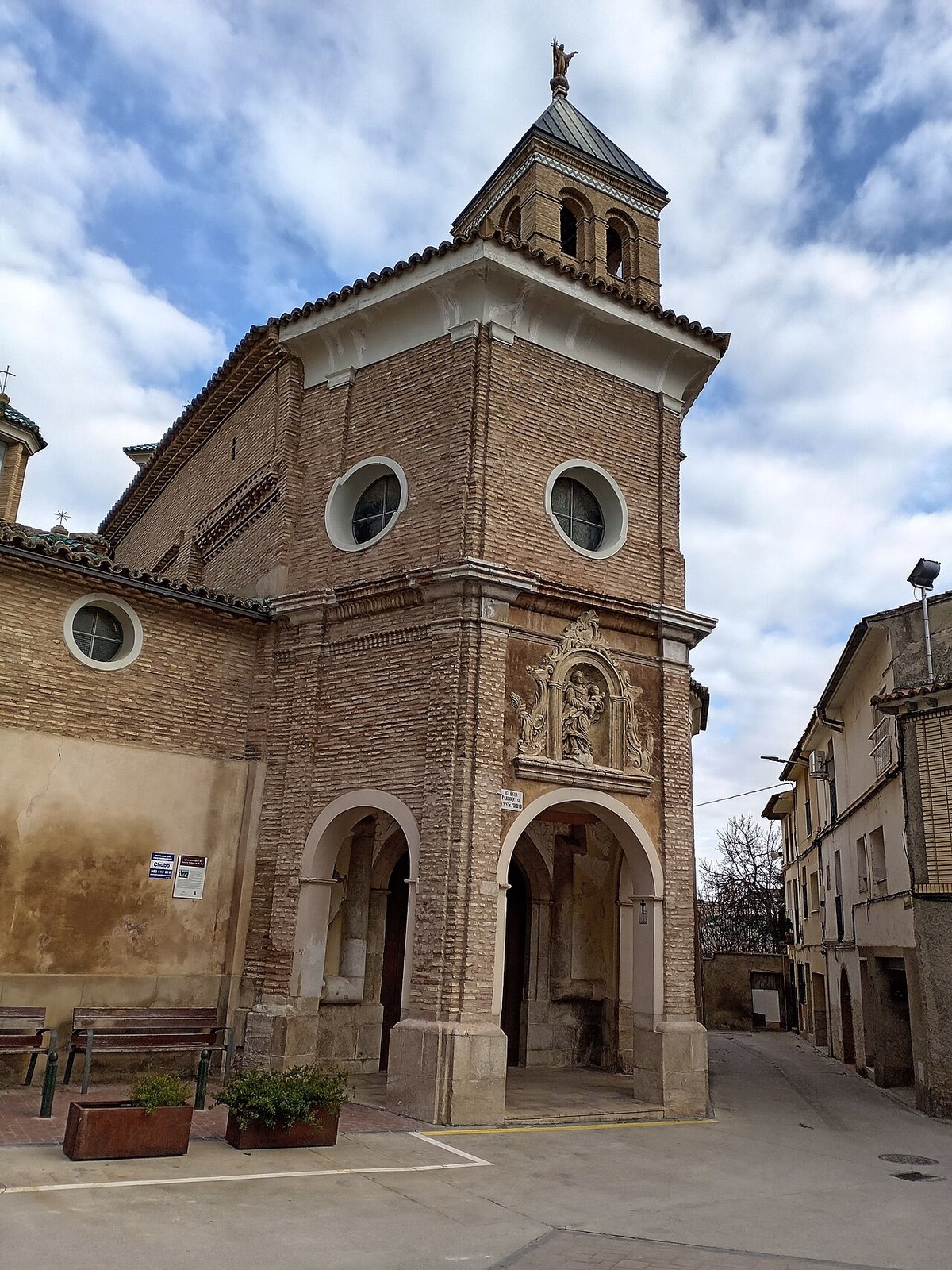
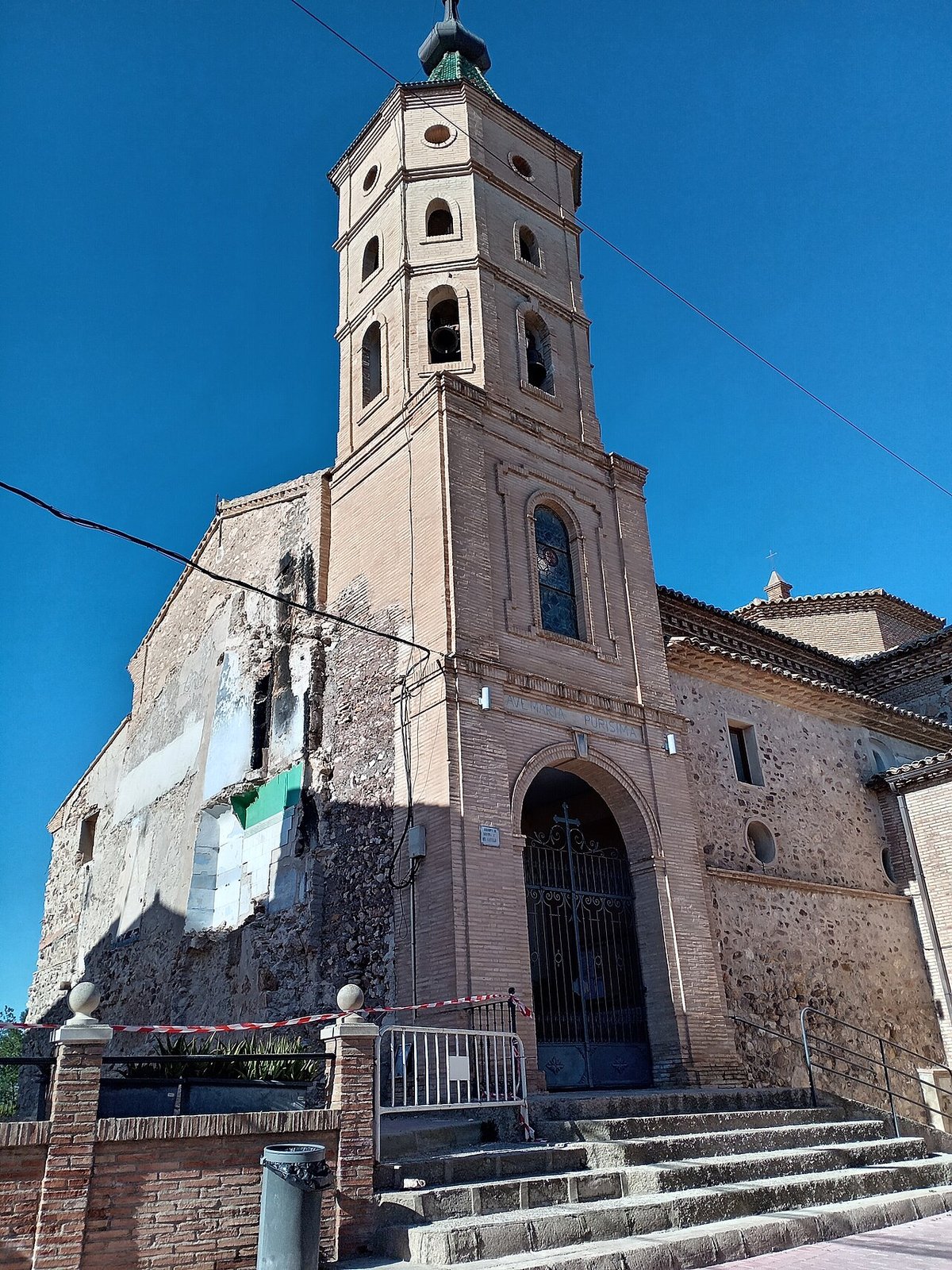
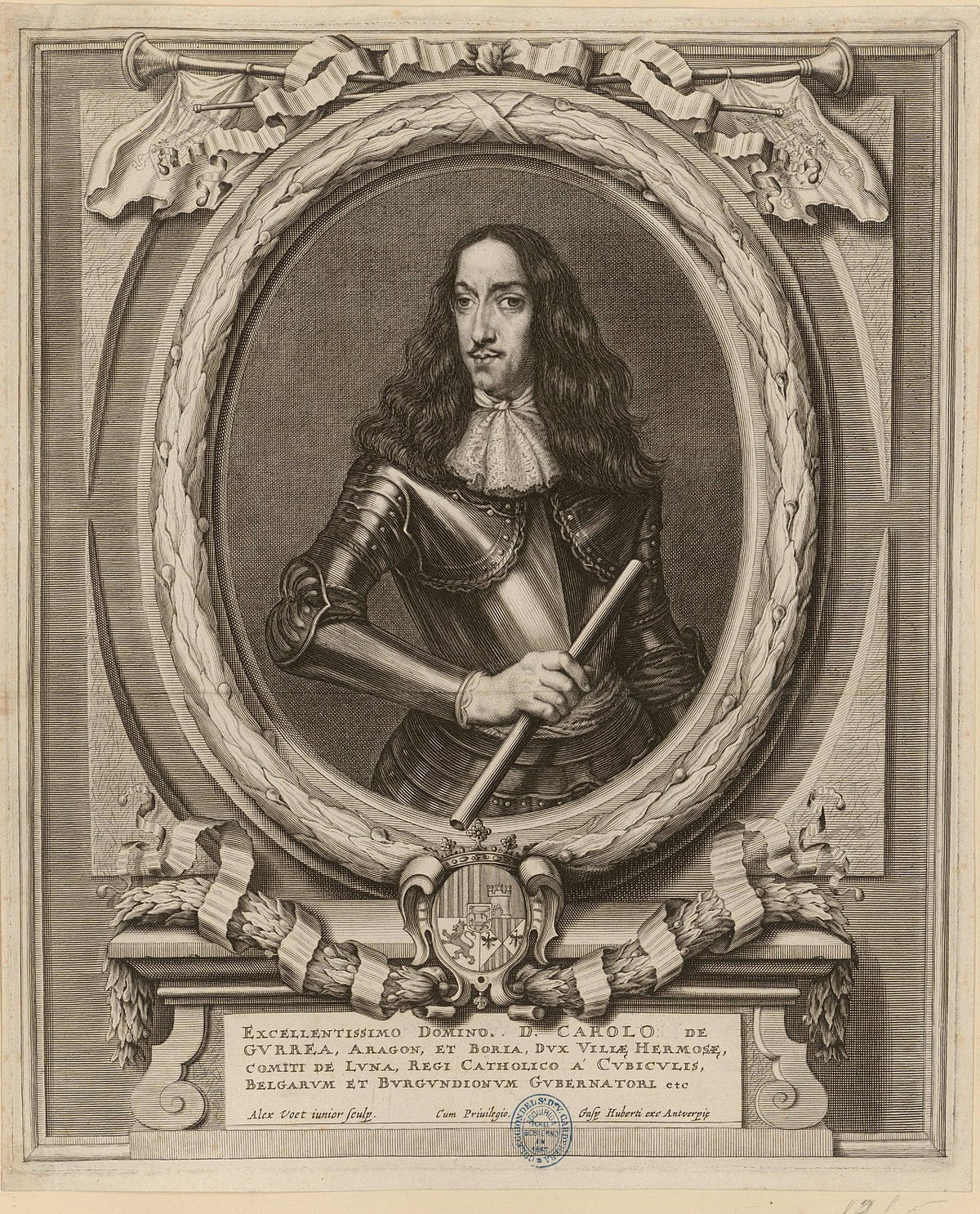
The Colegiata de Santa María dominates the high point of the old town. The building is largely Baroque, reconstructed after a fire in 1775. Its significance is tied to local history more than to architectural grandeur. The Borja family, known elsewhere as the Borgia, held influence here. Francisco de Borja, born in the town in 1503, later became a Jesuit saint.
Inside, the main altarpiece is made of polychrome alabaster and dedicated to the Virgin. Its style is conservative for its time, echoing earlier Renaissance forms. The view from the atrium is practical: it looks out over the vineyards of the plain, the economic foundation of the region for centuries.
Urban Traces and Vineyards
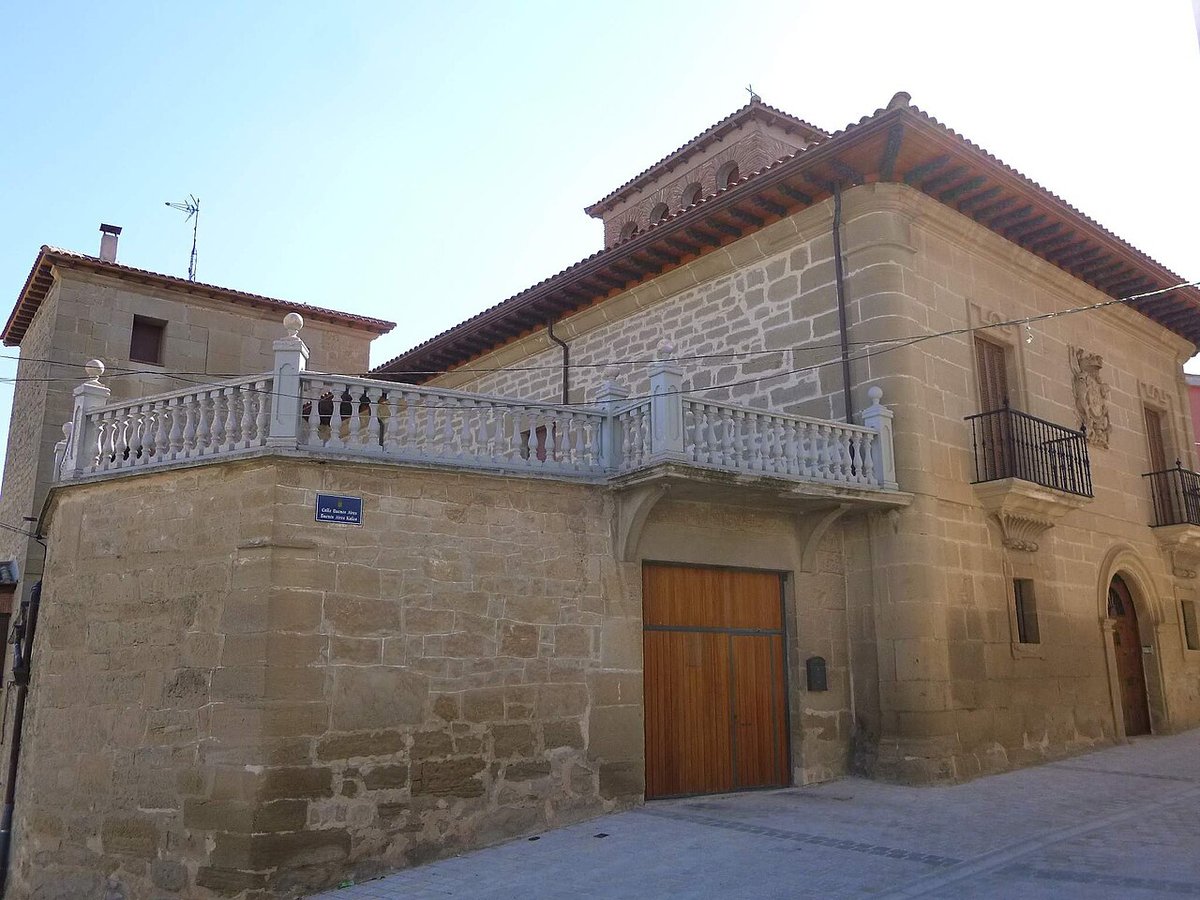
The street plan retains the irregular layout of its medieval past. Sections of the old wall are still visible, integrated into later structures. The Arco de la Carrera, a 16th-century gateway, remains a functional entrance. Walking these streets, you pass Renaissance palaces and simpler houses, a mix that reflects different periods of prosperity.
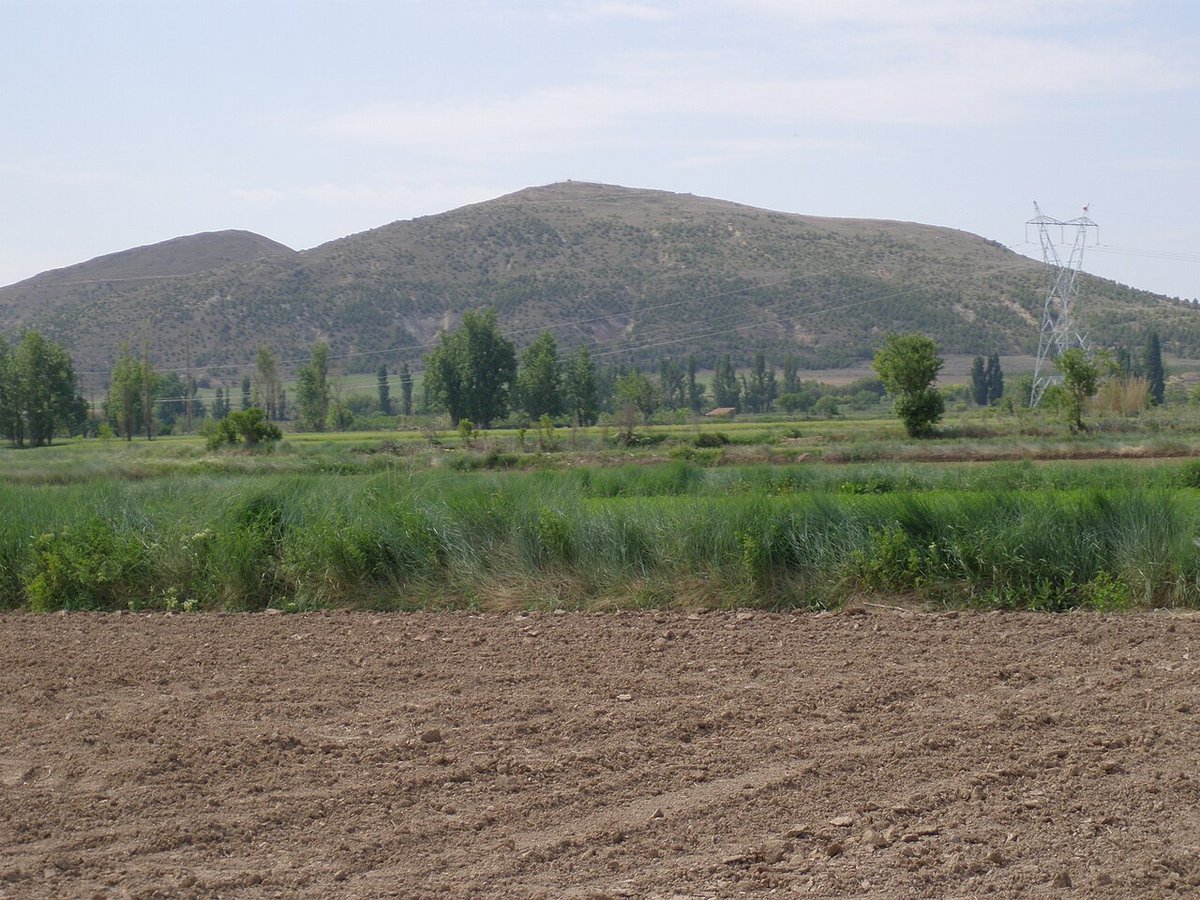
The landscape is defined by vine cultivation. Garnacha is the principal variety. The climate is influenced by the presence of Moncayo to the north, a mountain that often holds snow while the valleys below remain dry. Several local wineries operate under the Campo de Borja designation of origin. Visits are usually possible by prior arrangement.
The Chapel of Mercy
The Santuario de la Misericordia sits on a rise at the edge of town. It is a modest building. The now-famous fresco is inside. The unexpected influx of visitors following the 2012 event provided funds for the chapel’s maintenance. The original painting remains beneath the new layer; to remove it would be to erase a peculiar chapter in the town’s recent history.
Most who come here now do so because they know the story. They take photographs and leave. The painting has become an artifact of digital culture as much as of religious art.
A Practical View
Borja is about ninety kilometres west of Zaragoza, easily reached by road. Park near the edge of the historic centre and continue on foot. The central sites—the Colegiata, several notable palaces, the old tower—can be seen in a few hours.
The walk to the Santuario de la Misericordia takes fifteen minutes uphill. From there, the view clarifies the geography: the town on its hill, the vast vineyard plain, and Moncayo defining the horizon. This relationship between mountain, agriculture and settlement is the older, quieter story of Borja.