Full Article
about Bulbuente
Hide article Read full article
Morning light over Campo de Borja
Early in the morning, when the sun is still low in the east, the vineyards around Bulbuente take on an almost silvery tone from the dew. The air often carries the scent of dry soil and old vine cuttings, especially after winter pruning. This small village in the Campo de Borja, sitting at about 520 metres above sea level, moves closely in step with the vineyard cycle: budding in spring, steady growth through the heat, and harvest as the intensity of summer begins to ease.
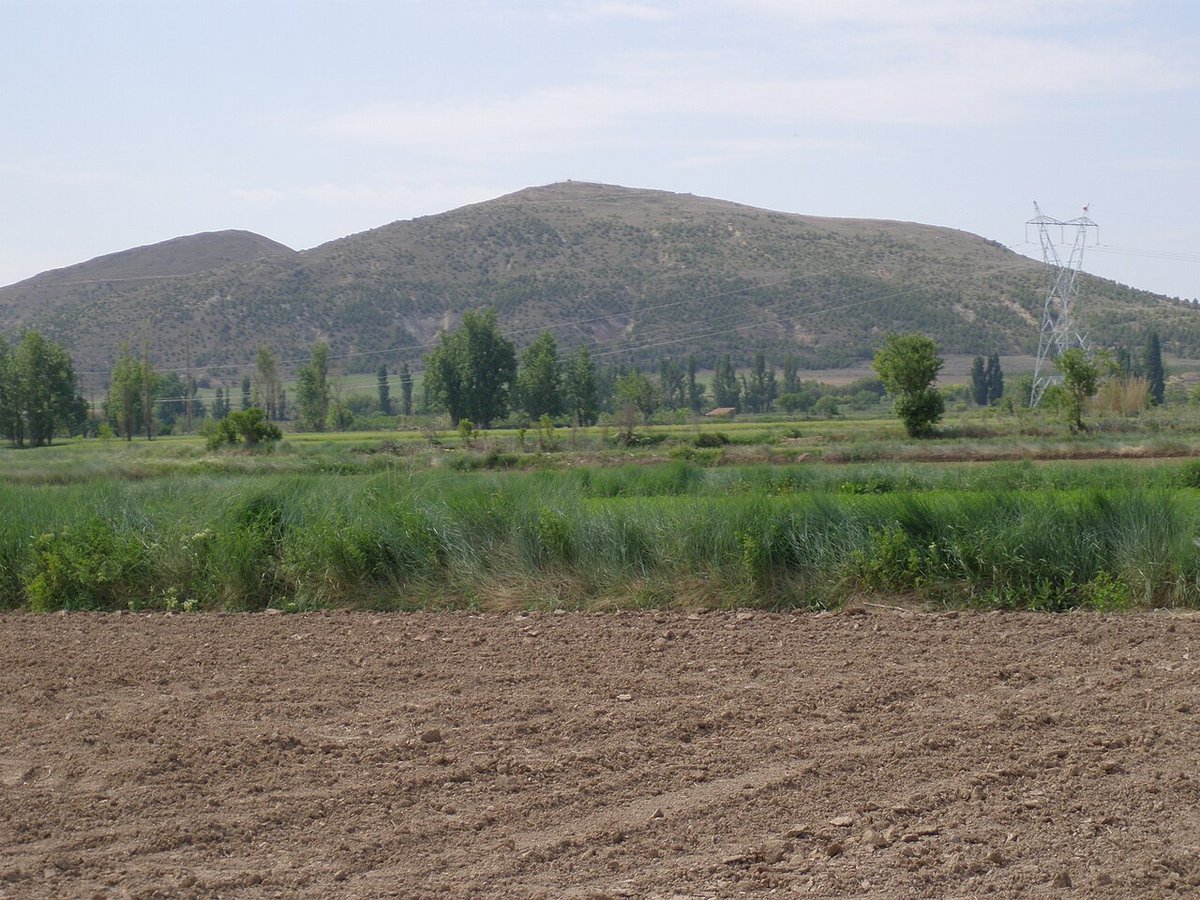
Approaching by road, the landscape explains itself before any sign does. Long, aligned rows of garnacha vines stretch across pale, stony ground. In the distance, when the air is clear, the outline of the Moncayo rises. It does not always appear sharply. At times it sits behind a thin veil of haze drifting up from the valley, softening its presence.
Quiet streets and pale stone
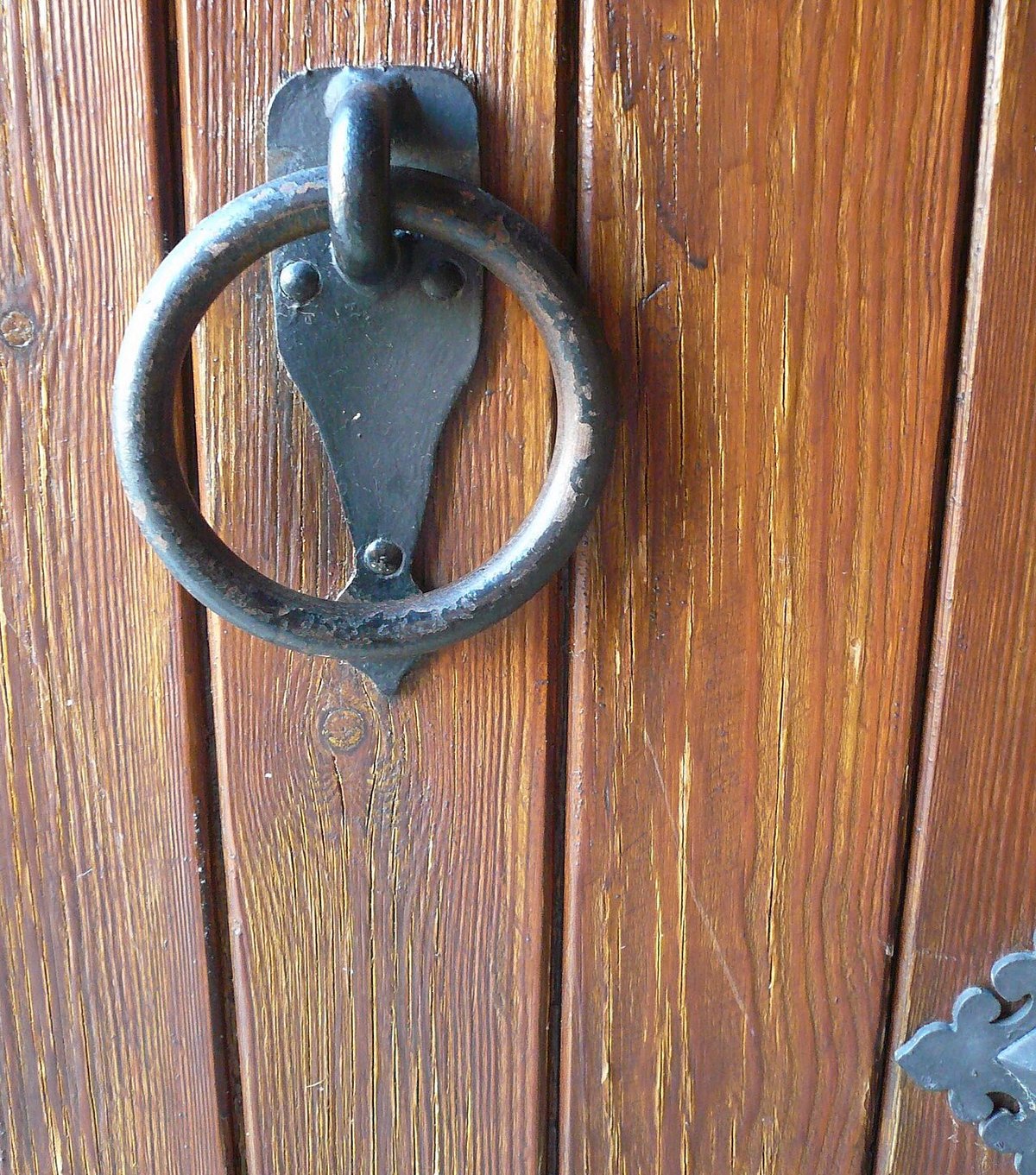
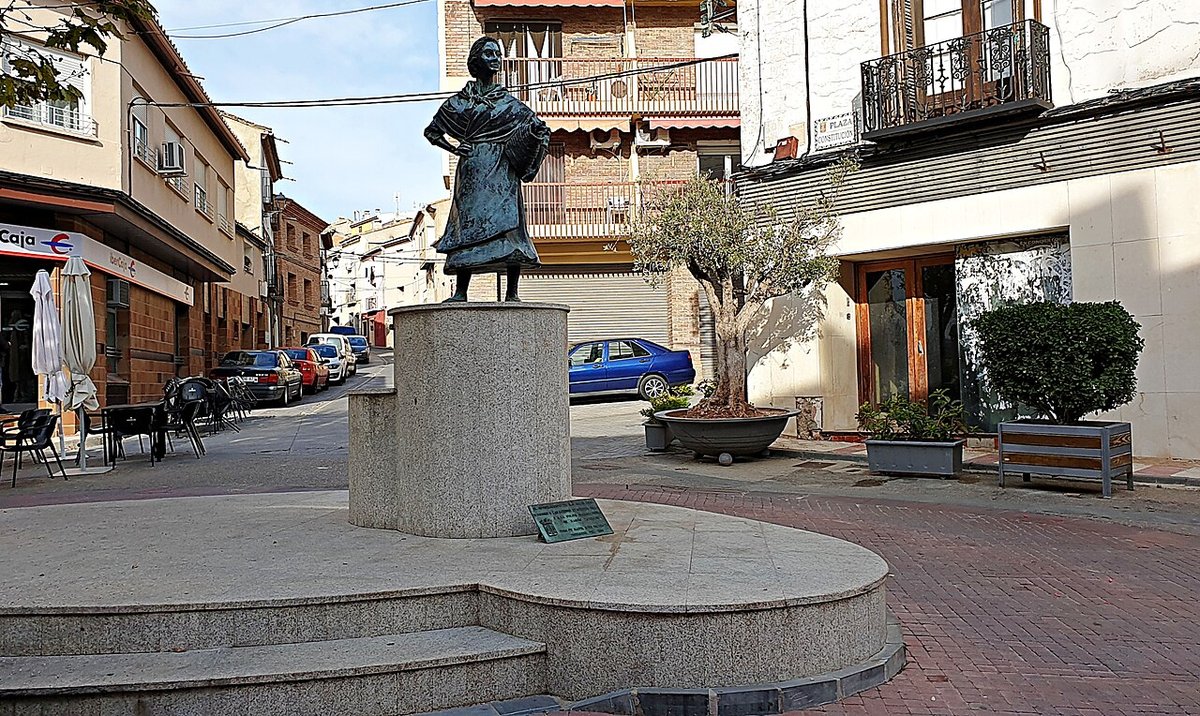
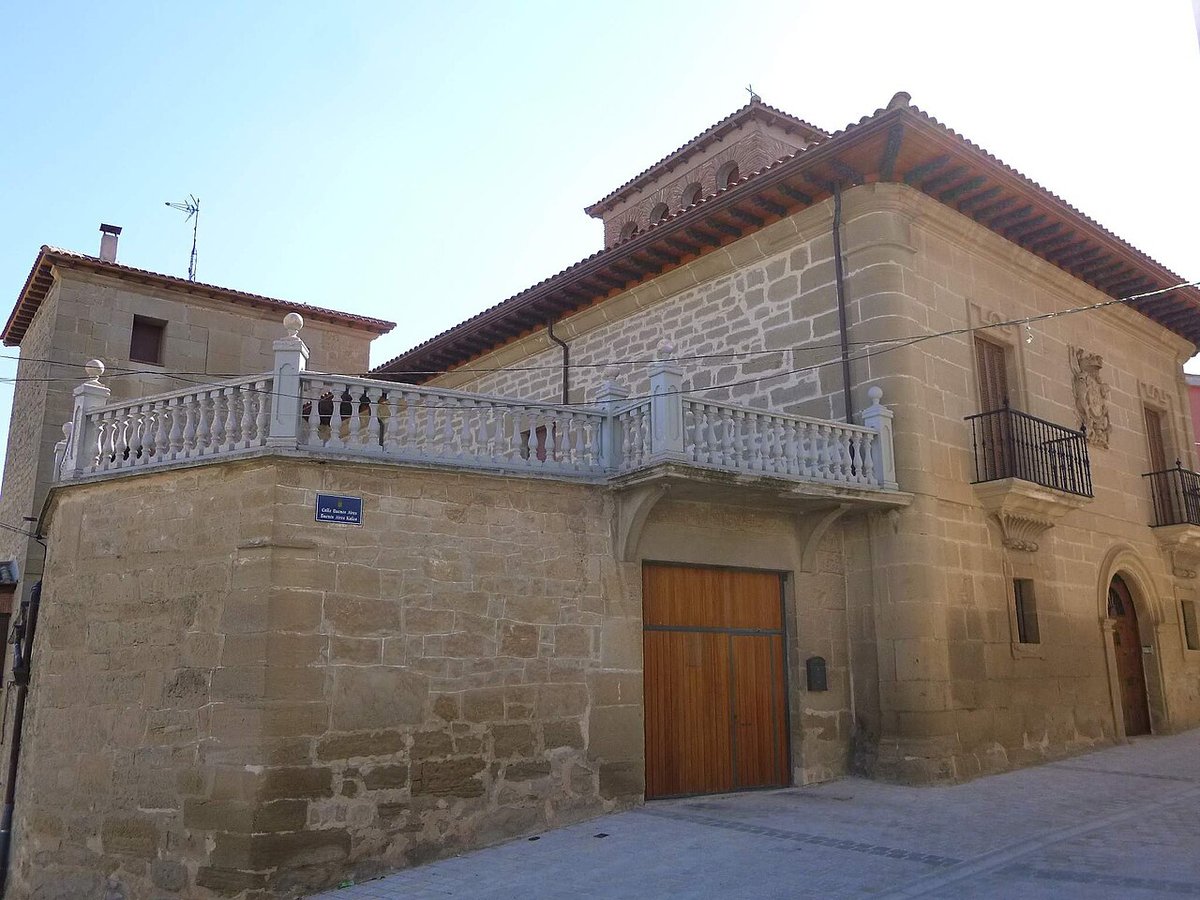
Silence here feels almost tangible. In summer it is broken by cicadas and, now and then, by a car moving slowly through the village. The central streets are short and slightly irregular, with sections of stone and others of asphalt. Houses combine light-coloured masonry with brick, and many wooden doorways still show signs of long use: thick hinges, grain opened by years of sun.
The built area is compact. It can be walked in a little over an hour without effort, though it is worth slowing down. Details only come into view at a gentler pace: plant pots set on narrow window ledges, wooden shutters sitting slightly askew, a wall marked by damp where the winter sun barely reaches.
There is no sense of rush in how the place reveals itself. The scale encourages wandering rather than ticking off sights, and the quiet gives space to notice small changes in light and texture.
The church and its square
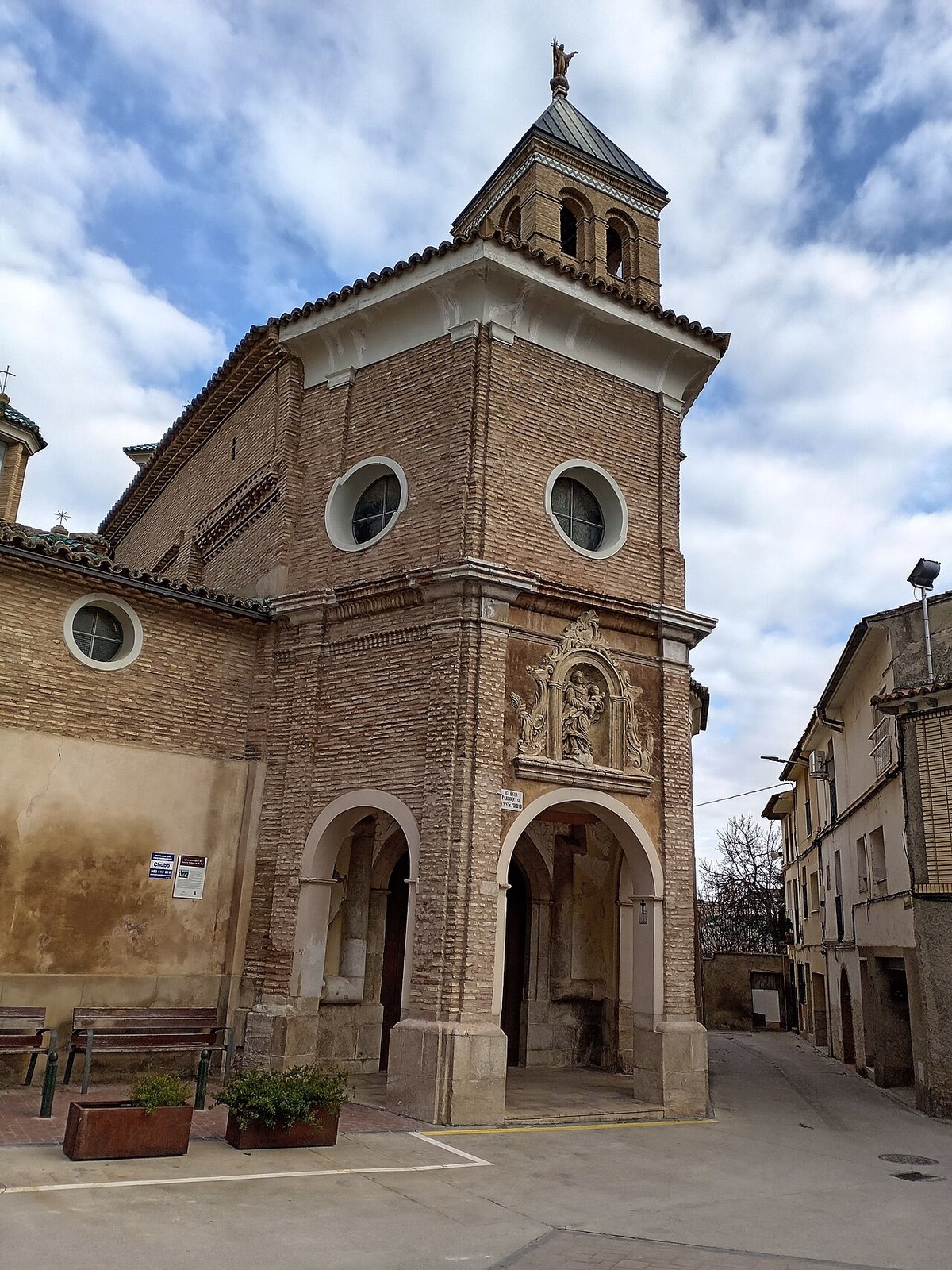
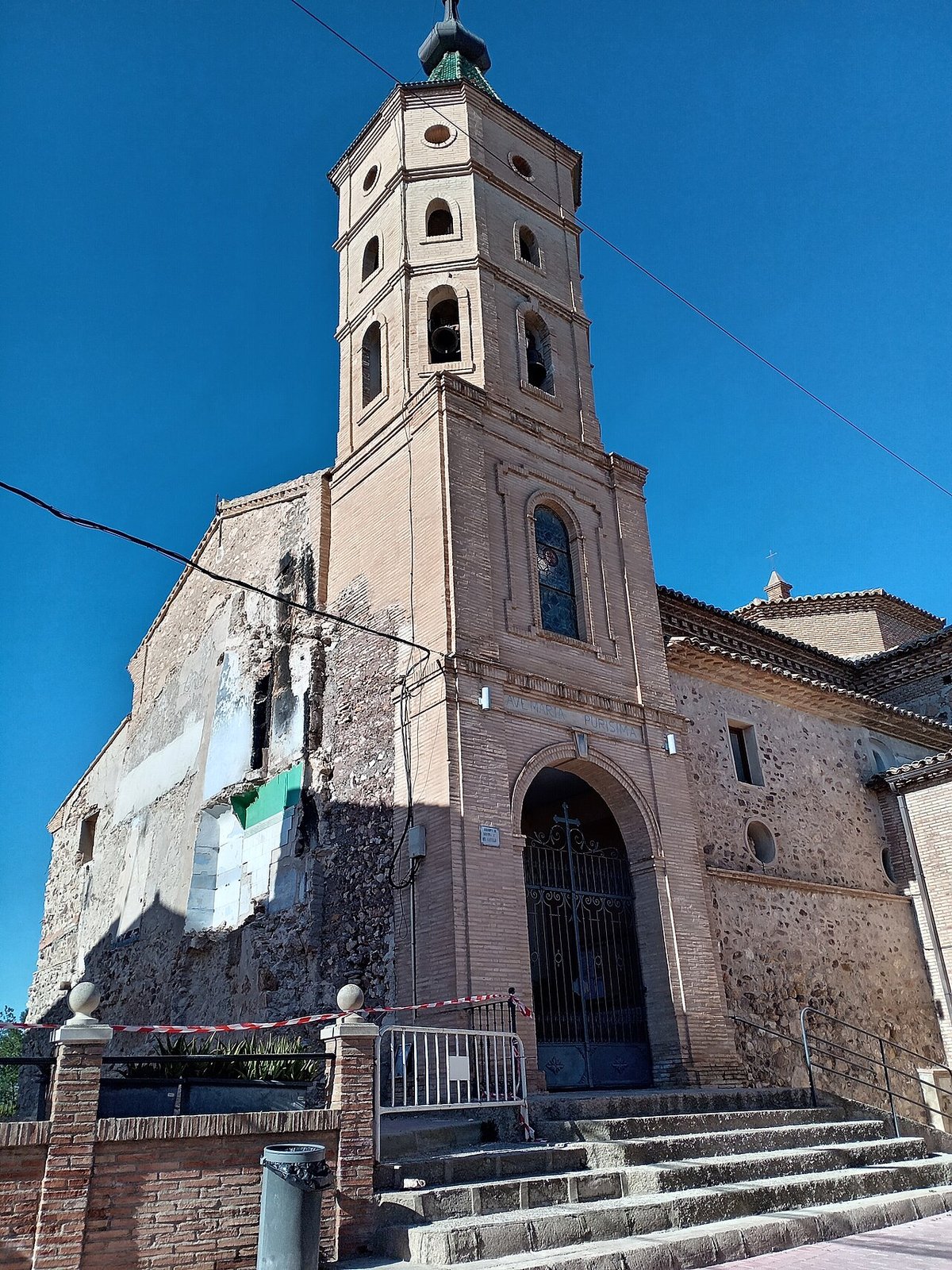
The tower of the parish church, San Miguel Arcángel, rises above the rooftops and works as a natural point of reference. The current building is generally dated to the 16th century, combining late Gothic features with later, more restrained additions.
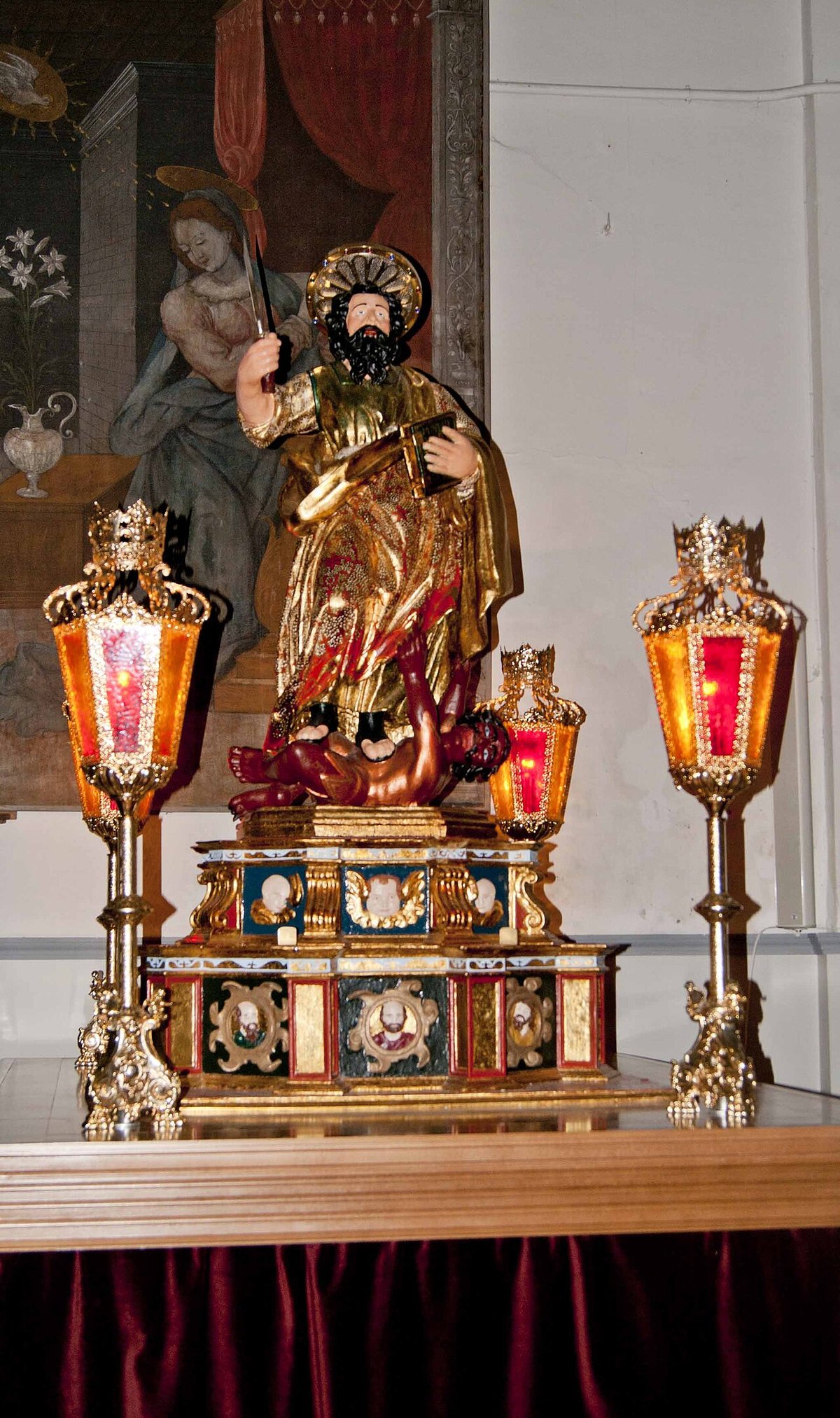
Inside, the atmosphere is simple. Light-coloured walls, a few altarpieces without heavy ornament, and the figure of the archangel presiding over the altar set the tone. Outside, the nearby square acts as a meeting point for the village. In the late afternoon, as the heat begins to drop, it is common to see residents sitting for a while around the fountain or talking while leaning on the railing.
The space is modest in size, but it gathers daily life in a quiet, unforced way. Nothing particularly dramatic happens, yet the rhythm of conversation and pause gives it a steady presence.
Paths through the vineyards
From the edge of the village, several agricultural tracks lead outwards. They are easy to follow: wide dirt paths used by tractors, crossing through vineyard plots. Walking towards slightly higher ground, for example in the direction of nearby hills, the village quickly falls behind and the landscape opens up.
On clear days, the Moncayo appears fully on the horizon. Its outline shifts with the light, sometimes crisp, sometimes softened by distance and air. In spring, the countryside shows a short, bright green. By autumn, ochres and reds dominate as vine leaves change colour before falling.
These paths are straightforward rather than dramatic, but they offer a steady sense of space. Rows of vines create repeating patterns, and the ground underfoot reflects the pale tones seen from the road.
If planning a walk, early hours are best in summer. From midday onwards, the sun becomes strong and there is little shade among the vineyards.
A landscape shaped by wine
Agriculture, and especially the vine, continues to define the rhythm of the year. In autumn, the grape harvest brings a temporary shift in the village atmosphere. Tractors move in and out, trailers carry loads of grapes, and a sweet scent lingers in the air near the wineries.
Garnacha is the most widespread variety in this part of the Campo de Borja. Other grapes appear, but garnacha tends to dominate both the landscape and much of the local wine production.
The connection between village and vineyard is direct rather than symbolic. Work in the fields, seasonal changes and the movement of harvest all feed into daily life. Even for a short visit, that link is easy to notice.
When to go
Spring and autumn are usually the most comfortable times for walking the surrounding paths. The light is softer, and the countryside shifts in colour over a matter of weeks.
Summer brings strong heat around the middle of the day, so earlier starts are advisable if planning to walk. Winter, by contrast, often offers very clear days when the Moncayo stands out sharply against the cold sky of the valley.
Each season changes how Bulbuente feels, though the underlying pace remains steady. Whether in the brightness of spring or the stillness of winter, the village and its vineyards continue to move in quiet cycles tied to the land.