Full Article
about Bureta
Hide article Read full article
A small pause among vineyards
Something curious happens with Bureta. It tends to appear as a spontaneous detour. The journey through the Campo de Borja often centres on vineyards and wineries, then a road sign appears and prompts a quick decision to turn off and see what is there. A few minutes later, the car is parked in a quiet square, and the question follows: why does hardly anyone talk about this place?
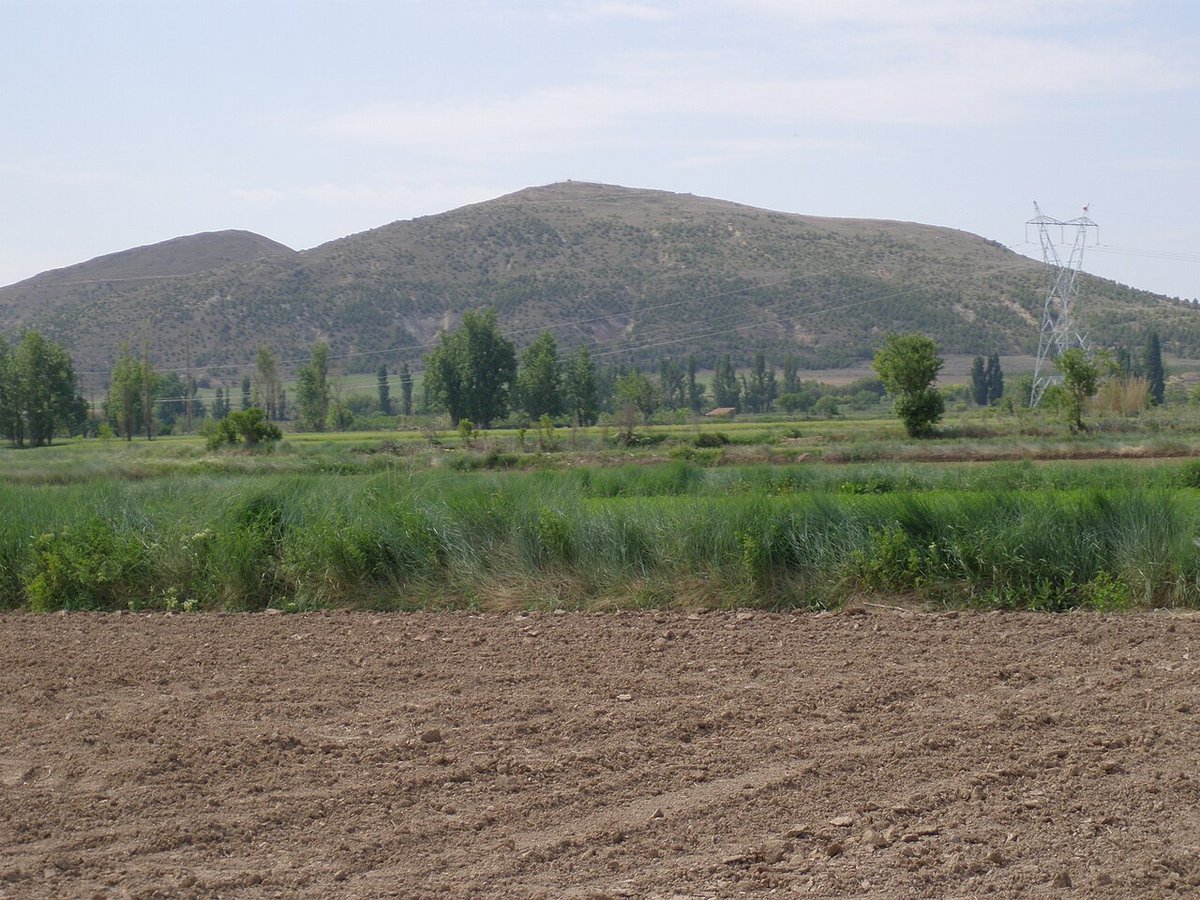
Bureta has just over 200 residents and moves at an unhurried pace at the foot of Moncayo. The surrounding landscape sets the tone. Vineyards stretch across low hills, with open fields and the dry air typical of northern Aragón. In winter that air can feel sharp, while in autumn it carries the scent of ripe grapes. This is not a place built for ticking off sights from morning to evening. It works better as a short stop, an easy stroll within a wider route through the Campo de Borja.
Walking through the village
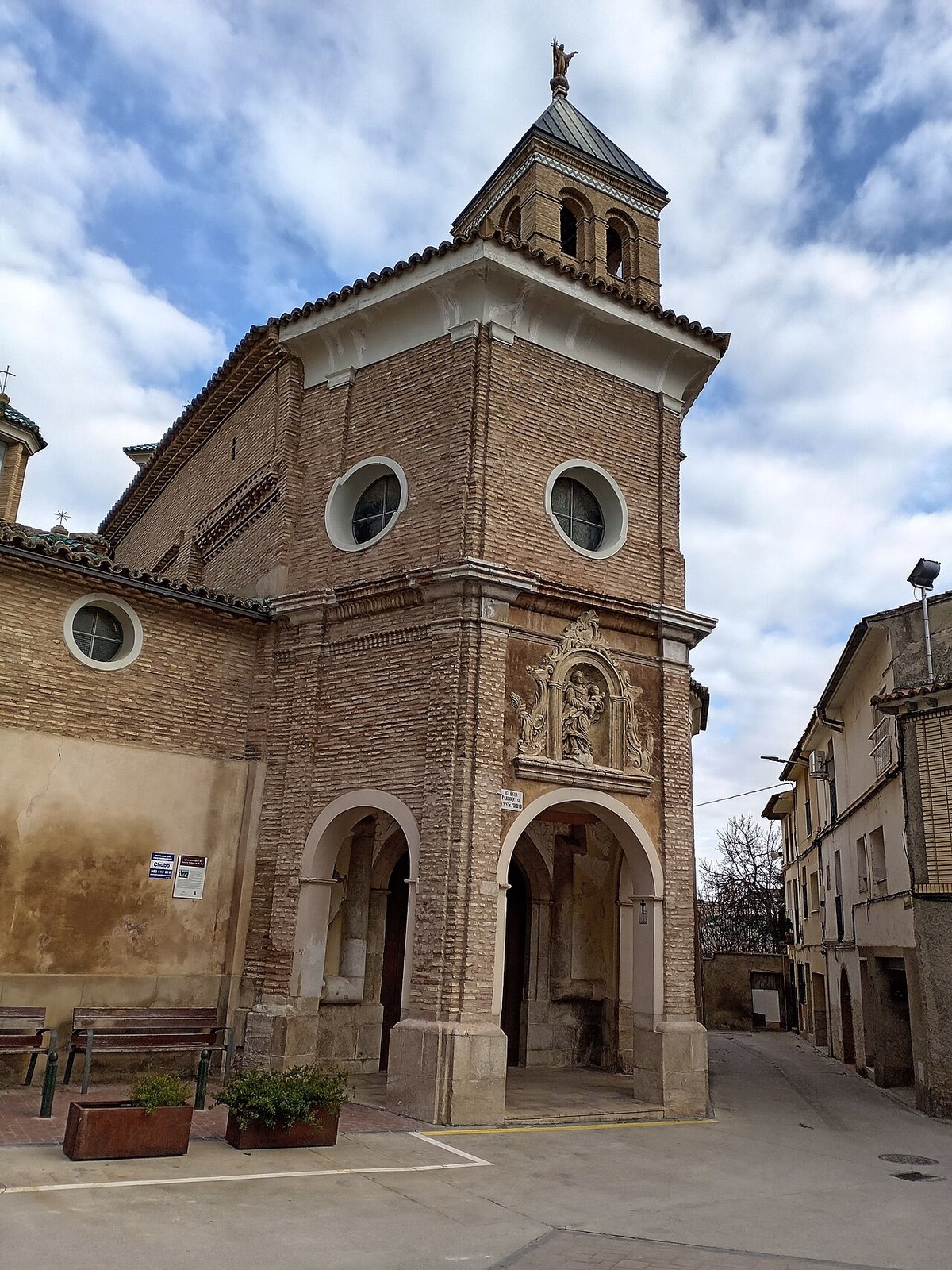
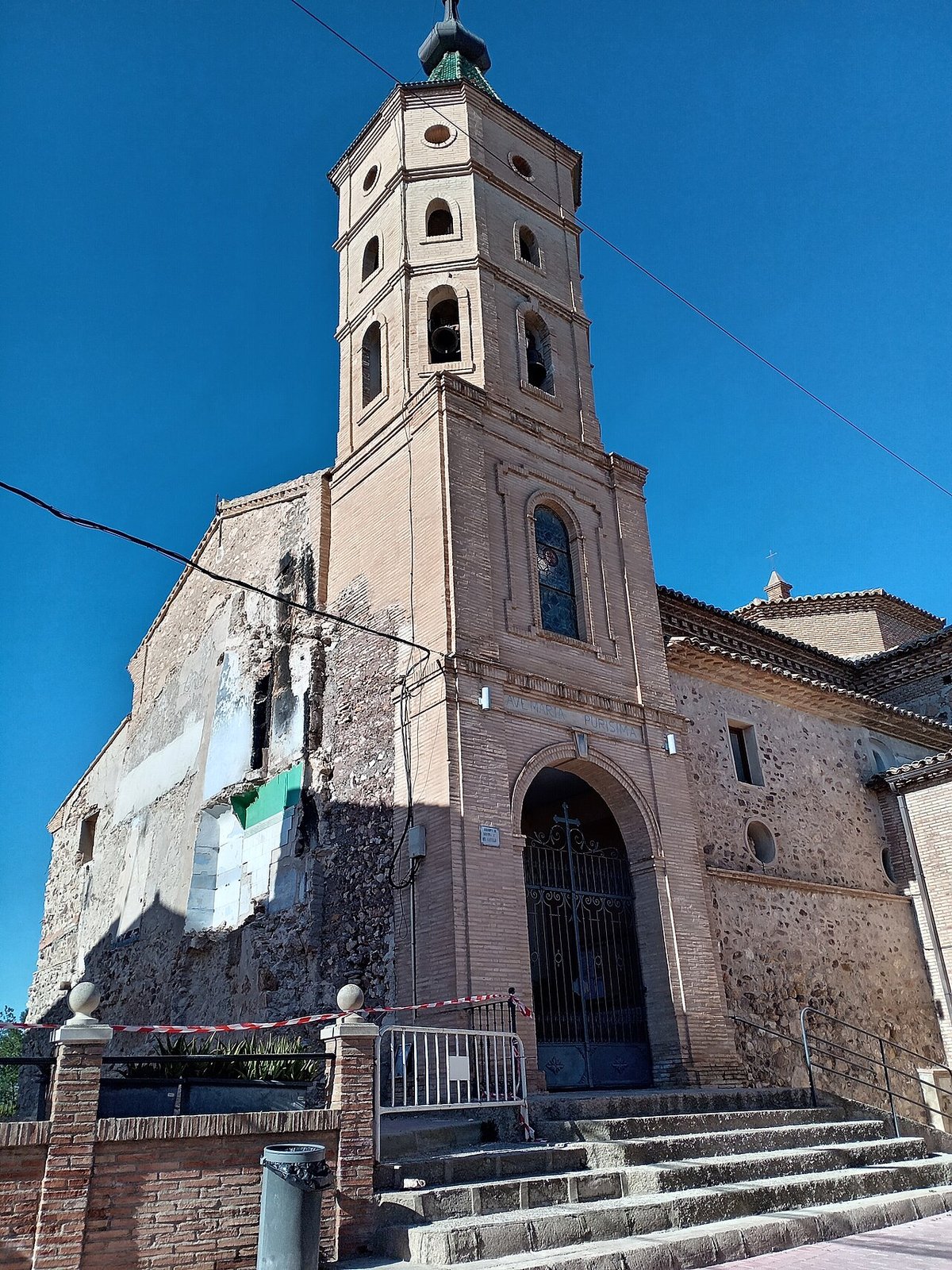
The parish church of Santo Tomás stands in the upper part of the village. Its appearance is restrained, much like many churches in this area. It does not aim to impress through scale, yet it fits naturally into its surroundings. A slower visit reveals small details in the stone, such as old coats of arms and simple finishes around the entrance. These are the kinds of features that often go unnoticed when time is short.
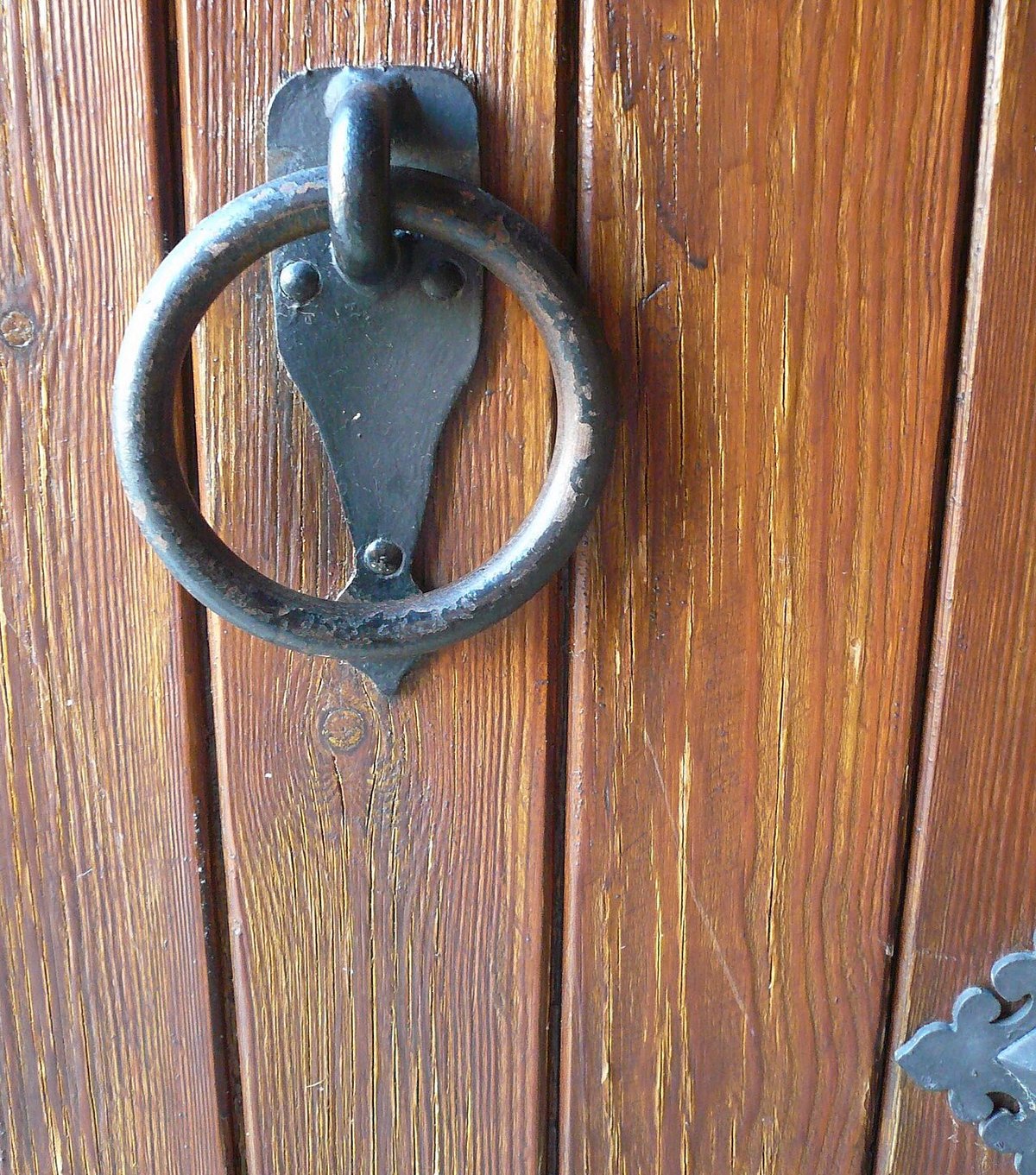
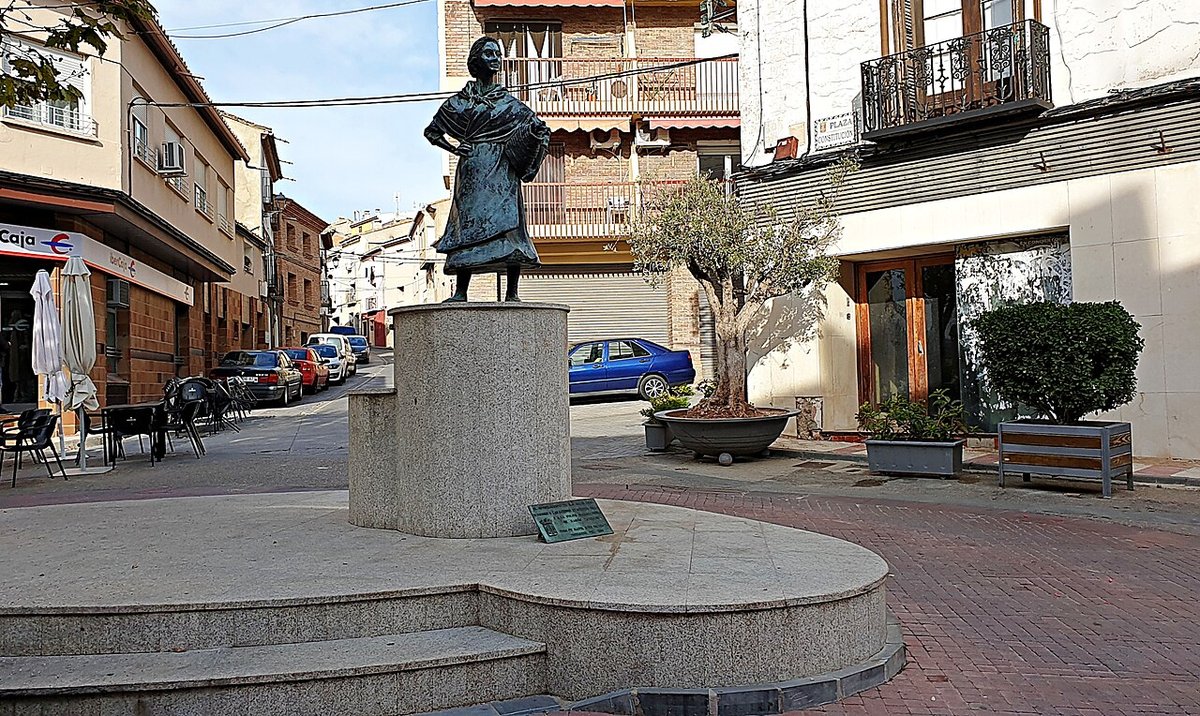
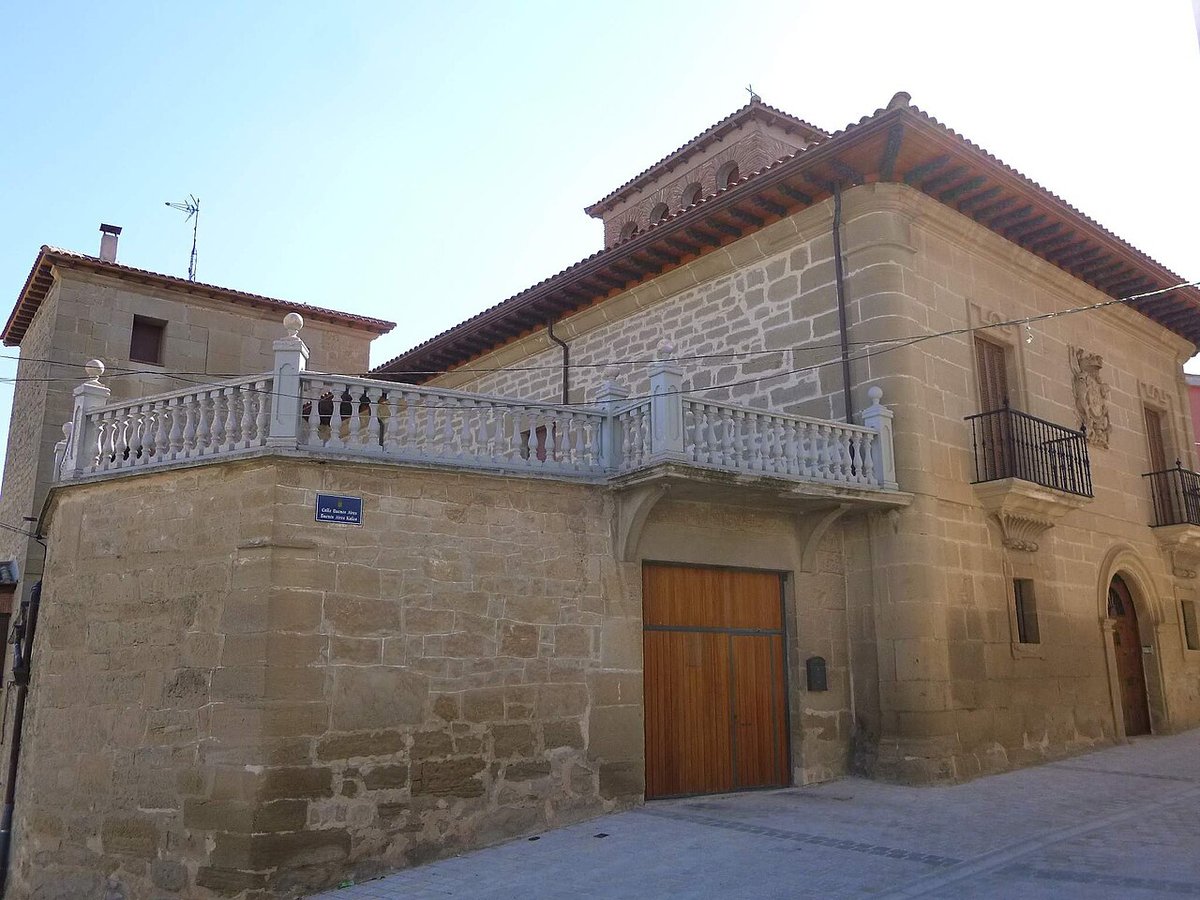
The village centre can be explored quickly. Narrow streets run between houses built from brick and stone, some with wooden doors worn by years of use. Calle Mayor links the main square with other parts of Bureta and offers a good starting point for a walk without a map. Wandering without a fixed route works well here. Attention shifts to façades where faded coats of arms still remain or to small windows that seem to belong to another era.
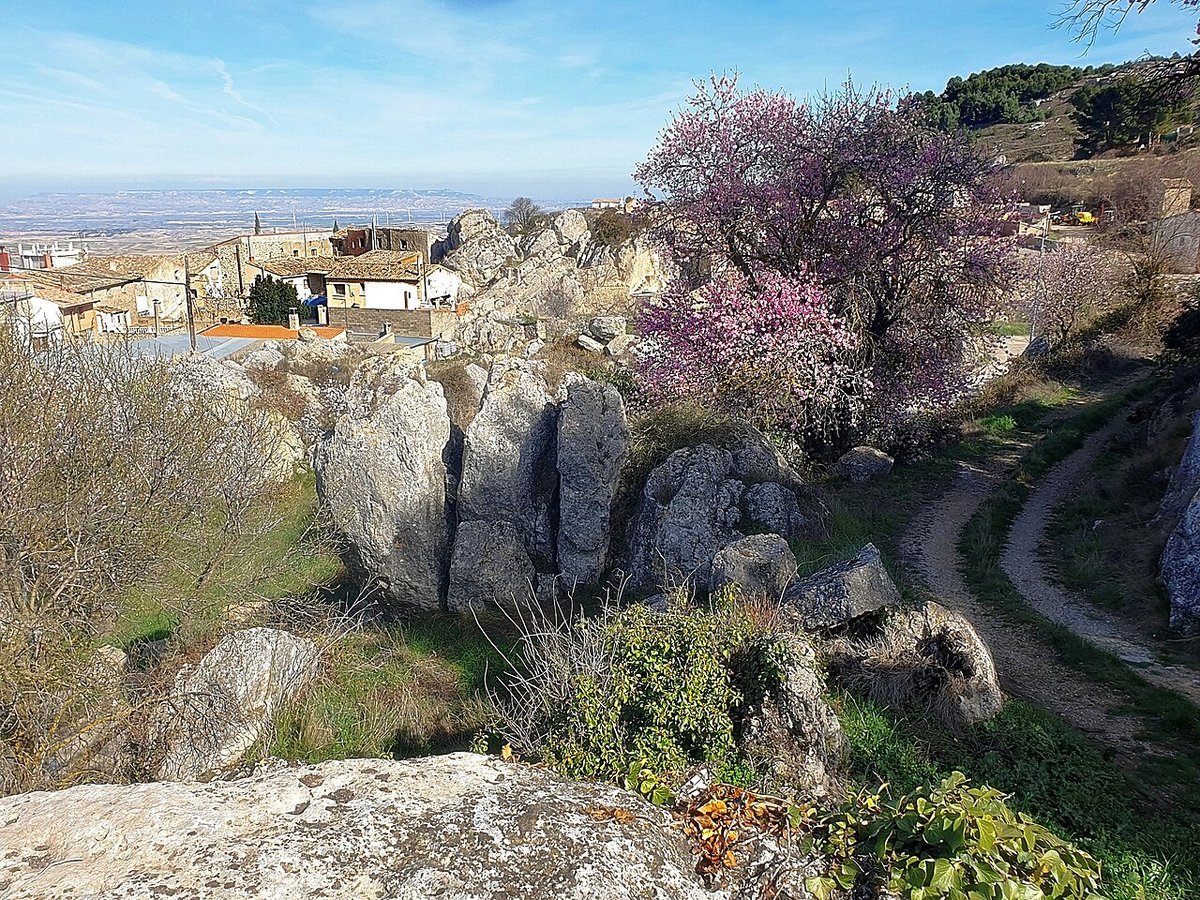
Beyond the last houses, the vineyards begin almost immediately. The landscape changes noticeably in autumn as the fields take on reddish and golden tones. These are not decorative fields. They are working land, shaped by the demands of wine production throughout the year. That reality shows in the dirt tracks, in the occasional passing tractor, and in the small agricultural buildings scattered between plots.
A nearby hill holds a small ermita, reached by a simple path. The walk up is short and manageable. The view from the top explains the wider setting of the Campo de Borja. Gentle hills covered with vines stretch out, with Moncayo rising in the distance and overlooking the whole area. The climb is less about effort and more about taking in that perspective.
Out into the Campo de Borja
One of the most rewarding ways to spend time in Bureta is simply to head out along the surrounding paths. These are agricultural tracks rather than formal walking routes. There are no frequent signposts or dramatic changes in elevation. Instead, there are dirt paths and occasional paved stretches used by farmers to move between fields, vineyards, and nearby villages.
The terrain is easy to navigate on foot or by bike at a relaxed pace. It is not a place for challenging routes or big achievements, but it reflects this part of Aragón clearly. At times the only sounds are the wind and a tractor somewhere in the distance.
The Campo de Borja revolves around the garnacha grape variety, and its presence is clear even without visiting a winery. In many villages across the area, it is possible to arrange visits and taste local wines with some planning. During the grape harvest, usually at the start of autumn, the whole landscape becomes more active. Trailers carry loads of grapes, there is more movement along the tracks, and a sweet smell lingers in the morning air.
Seasons, traditions and daily life
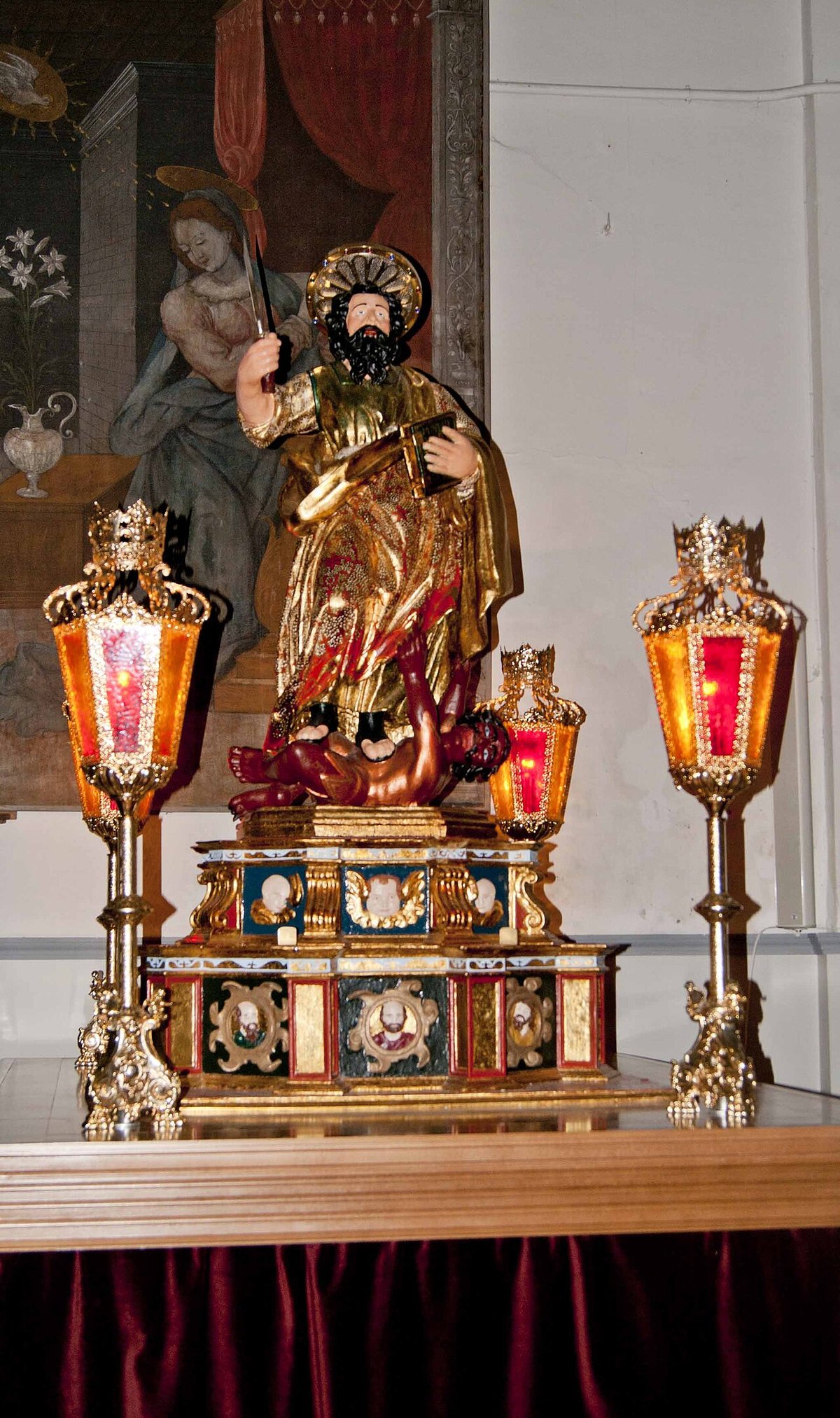
Life in Bureta follows the rhythm of a small village, and that rhythm shifts with the seasons. The main festivities tend to take place in summer, when people who live elsewhere return. The patron saint celebrations dedicated to Santo Tomás are usually held at this time. Religious events sit alongside open-air dances, shared meals, and gatherings among neighbours.
The harvest season also brings a different kind of activity. It is not an event organised for visitors, yet anyone passing through will notice the increased movement in both the village and the surrounding fields. Work in the vineyards becomes more visible, and the pace briefly picks up.
Winter brings a quieter atmosphere. Some traditions continue, including nativity scenes created by residents and simple religious celebrations, but daily life slows further. The contrast with the livelier months makes the seasonal changes easy to notice.
Getting there from Zaragoza
The journey from Zaragoza to Bureta takes a little over an hour by car, depending on the route chosen. Most journeys head towards the area around Borja before continuing along local roads that pass through vineyards and open countryside.
It is an enjoyable drive for those who prefer a slower pace. Small villages appear every few kilometres, along with agricultural cooperatives and the occasional solitary ermita in the middle of the fields.
For anyone already travelling through the Campo de Borja, Bureta requires only a short detour. That is exactly how the village works best: as a quiet pause among vineyards before continuing the journey.