Full Article
about Magallon
Hide article Read full article
First things first: where to leave the car
Arriving in Magallón, the practical issue is parking. The easiest option is to stop near the entrance, around Calle Mayor or along the wider streets that edge the centre. Inside the old quarter, space is limited and the streets are tight. By mid-morning it can already be tricky to find a spot.
The village itself is quick to see. A relaxed walk through the centre does the job, and if you take your time, expect to spend just over an hour.
Getting around the old quarter
The historic centre is not designed for cars. Streets are short, corners are sharp and pavements are minimal. It makes far more sense to leave the car outside and continue on foot.
Calle Mayor acts as the main reference point. From here, smaller streets branch off, some climbing, others sloping down towards the square and the older buildings. It is straightforward to navigate without much planning.
A simple centre with a few details
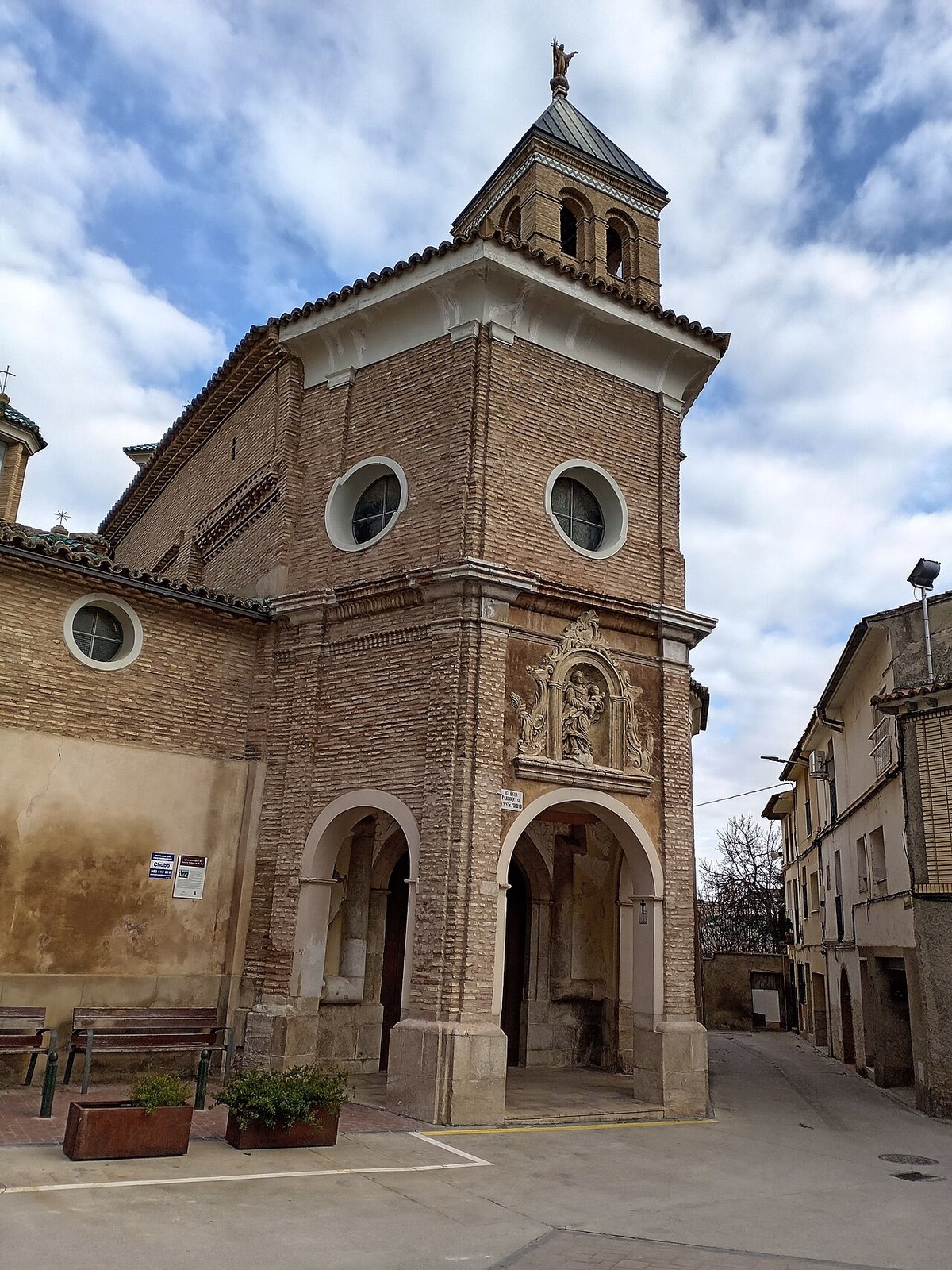
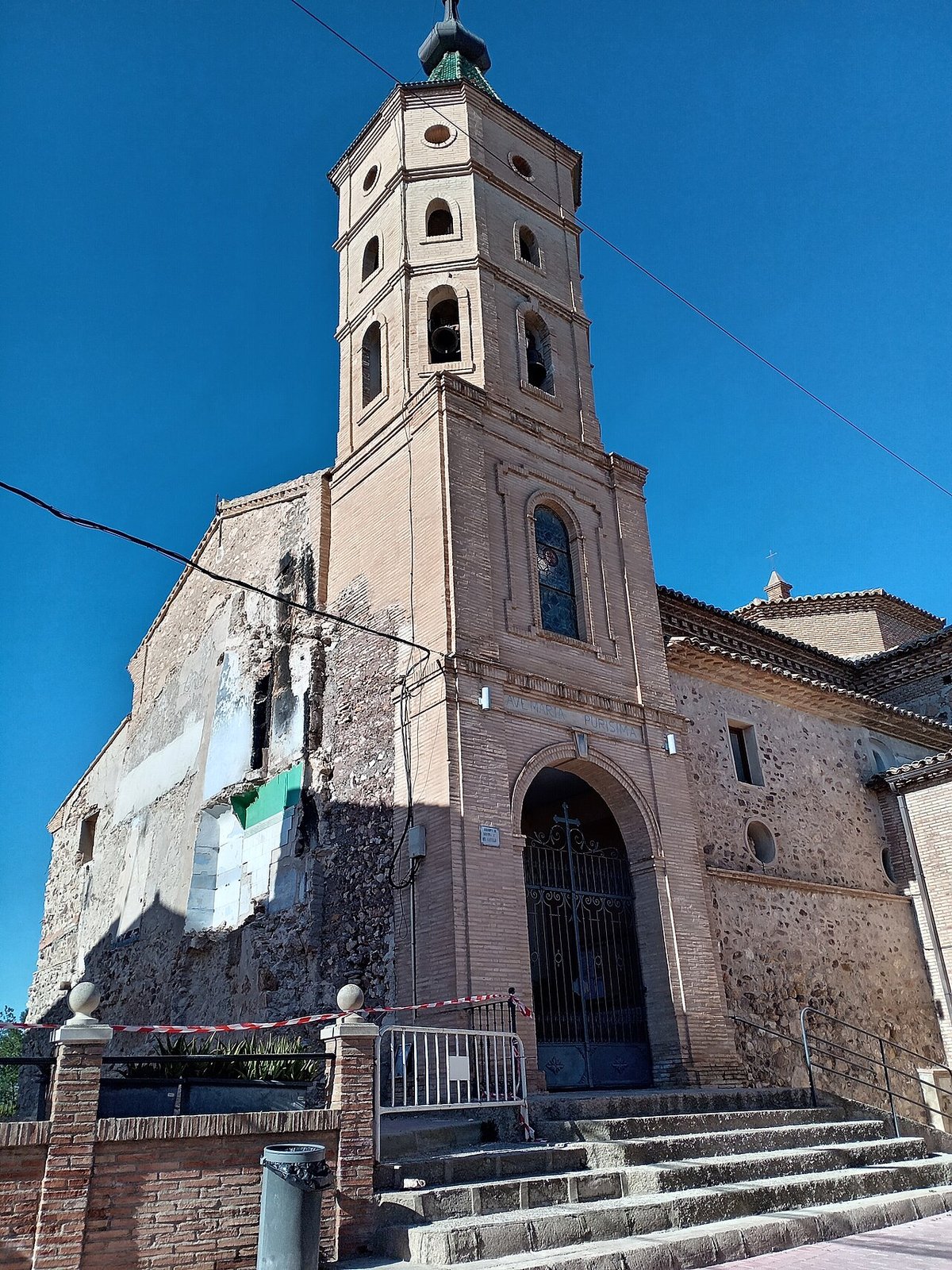
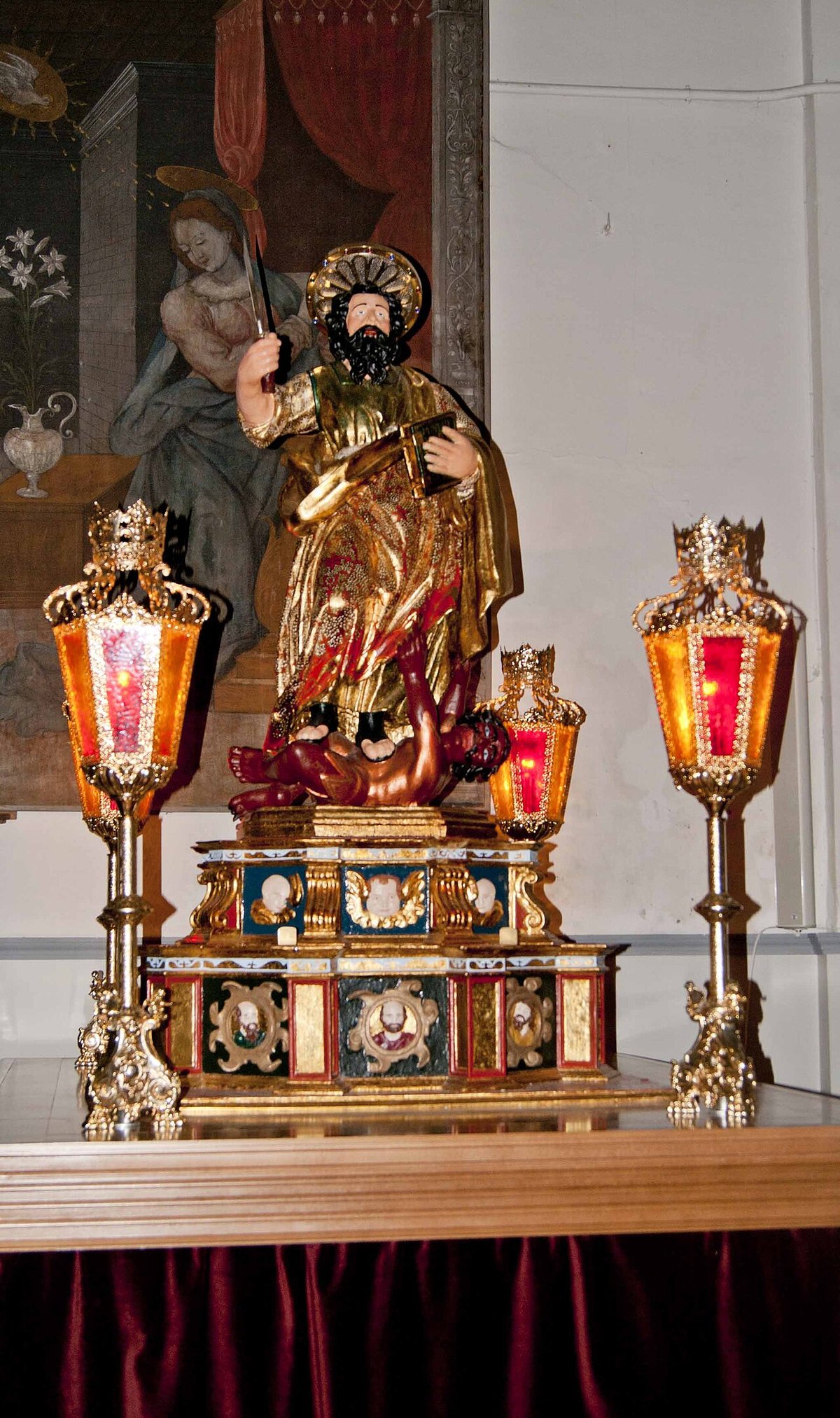
The clearest landmark is the church of Santa María. Its tower is visible from several points around the village. The building combines phases from the 15th and 16th centuries and retains a Gothic-Mudéjar structure, a style typical of parts of Aragón that blends Gothic forms with Islamic-influenced decoration. If it happens to be open, it is worth stepping inside briefly to look at the altarpieces.
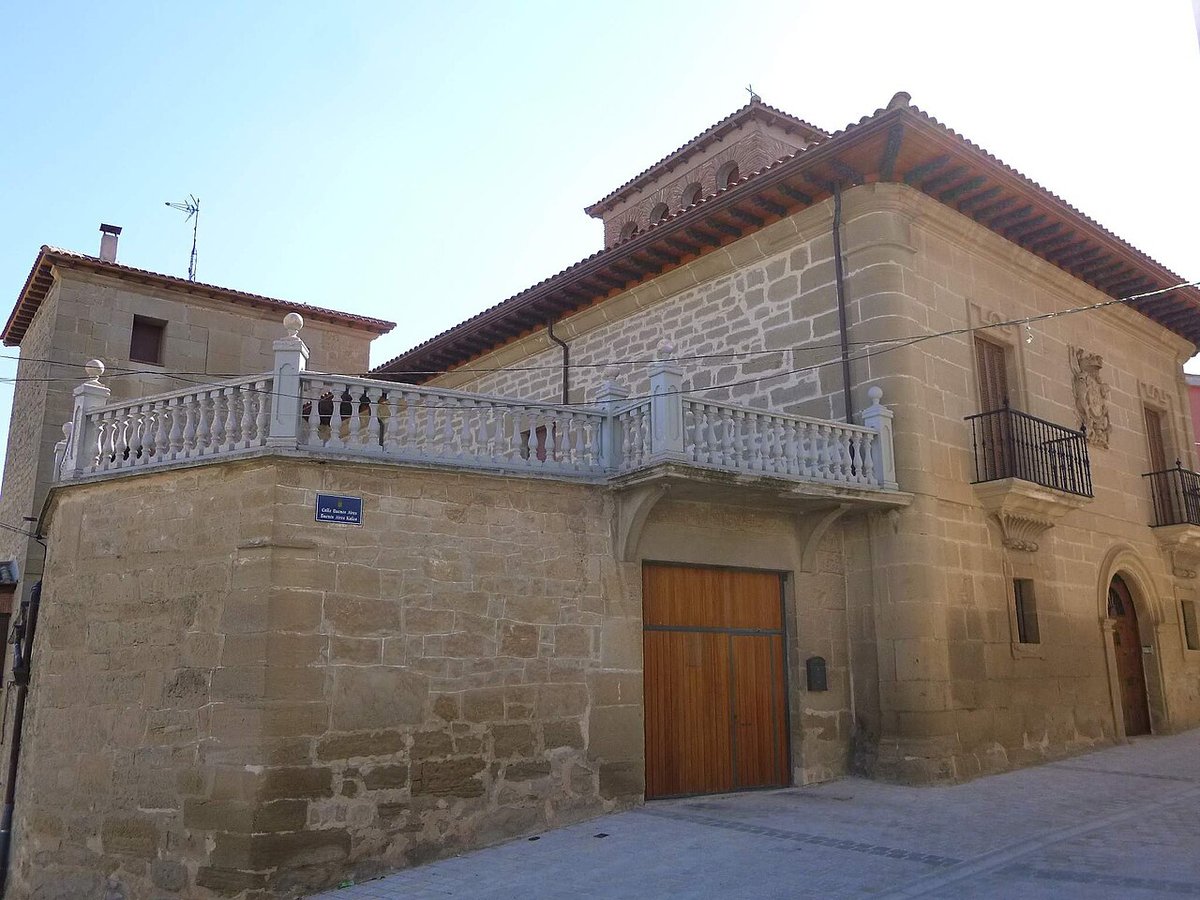
Beyond the church, the centre is modest. There are large brick houses, some with carved stone doorways and iron balconies. These details hint at a past linked to wine wealth. Nothing feels grand in scale, but there is interest if you pay attention to doors, façades and small architectural touches.
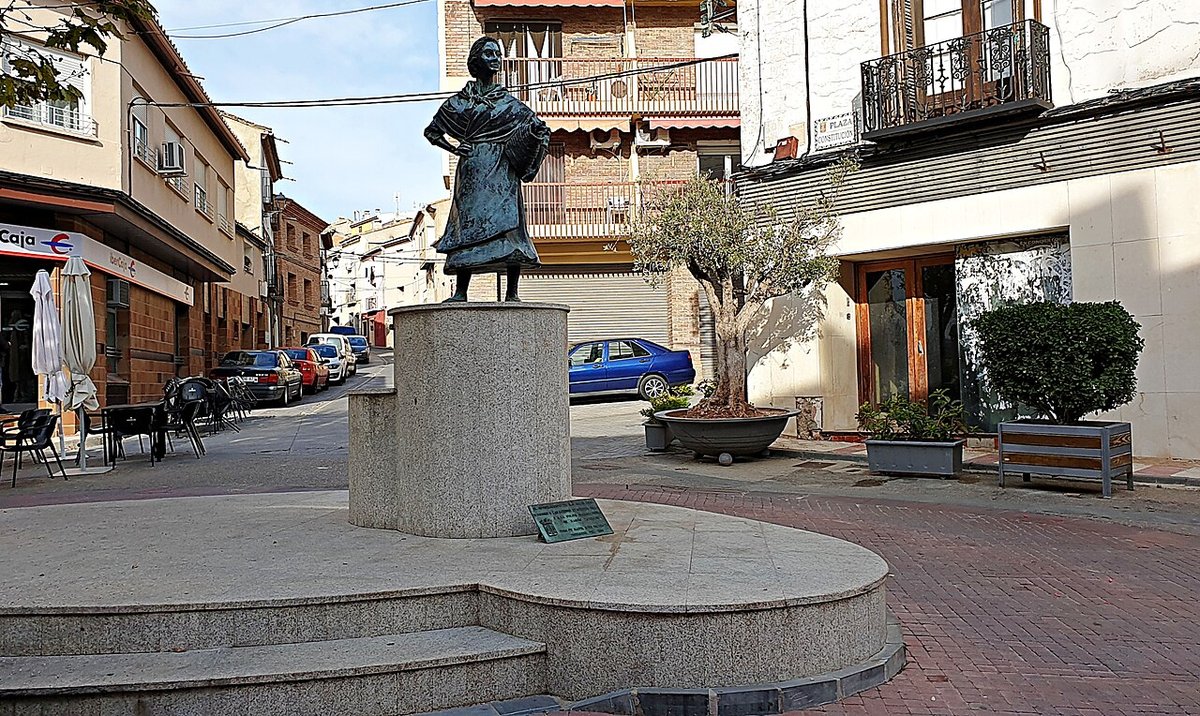
The main square tends to have a bit of movement at certain times of day. People run errands, neighbours stop to chat. It has the rhythm of everyday village life rather than anything staged for visitors.
Vineyards and old wineries
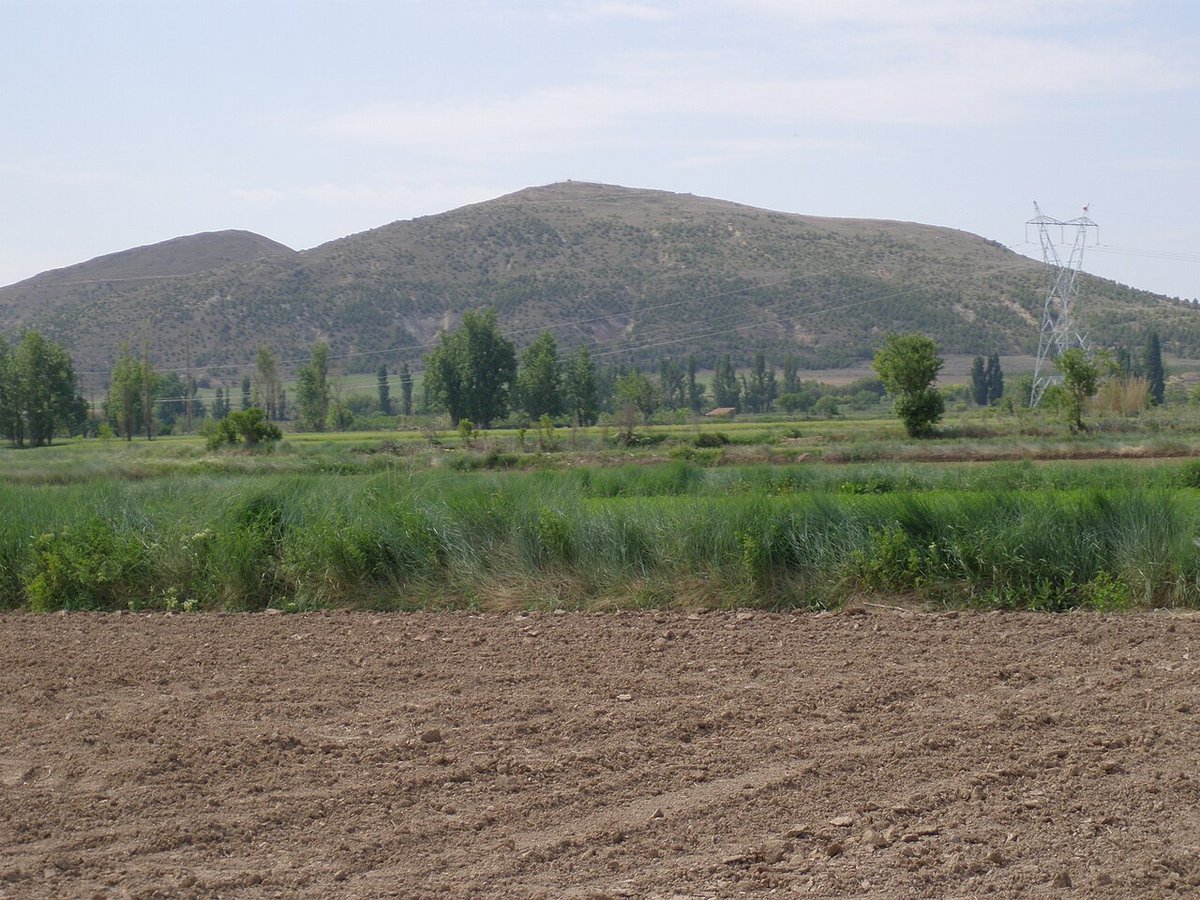
Step outside the built-up area and vineyards quickly take over. Campo de Borja is closely associated with garnacha grapes, and that identity is clear here. The landscape opens out into agricultural land with wide views.
In the surrounding area, there are still wineries dug into the rock. Many are old and now see little use, or are only opened occasionally. Some areas can be recognised by small doors or vents set into the slopes.
For walking, there is no need for complicated plans. Any nearby farm track will do. The terrain is straightforward, though conditions can be harsh. In summer, the sun is intense, and the cierzo, a strong local wind, can be relentless at times.
Local traditions through the year
In summer, Magallón usually celebrates festivities dedicated to the Virgen del Carmen. During these days, the centre becomes busier than usual and there are popular events held along the main streets.
At the beginning of the year, the tradition of San Antonio Abad is still observed, including the blessing of animals in one of the central squares.
When harvest time arrives, either late summer or early autumn depending on the year, wine returns to the forefront. There are sometimes talks or activities linked to viticulture, although the programme changes from one season to the next.
When to go and how long to stay
Spring and autumn tend to be the most comfortable times to visit. Temperatures are easier to handle and the surrounding countryside shows a bit more colour. Summer visits are possible, though it helps to come early in the day or later in the evening.
From Zaragoza, the drive takes a little over an hour, making Magallón an easy half-day trip.
It is not a place that demands a full day unless taken at a very slow pace. Most visitors combine it with other villages in Campo de Borja, which lie just a few kilometres away.
A straightforward approach works best: park outside, walk in along Calle Mayor and wander without rushing. If after an hour you feel you have seen almost everything, that is simply how Magallón works. It suits a short stop among vineyards rather than a full destination in its own right.