Full Article
about Mallén
Hide article Read full article
A palace built by jurists
Mallén occupies the western edge of Zaragoza province, where the Campo de Borja meets the border with Navarra. The terrain is flat, defined by vineyards, olive groves, and cereal fields. Villages here are functional, shaped by agriculture rather than grand design. That makes the Palacio de los Zapata an anomaly: a substantial 18th-century palace built not by old nobility, but by a family of jurists who rose through the Bourbon administration. Their ambition is etched in stone at the centre of town.
The Zapata family residence
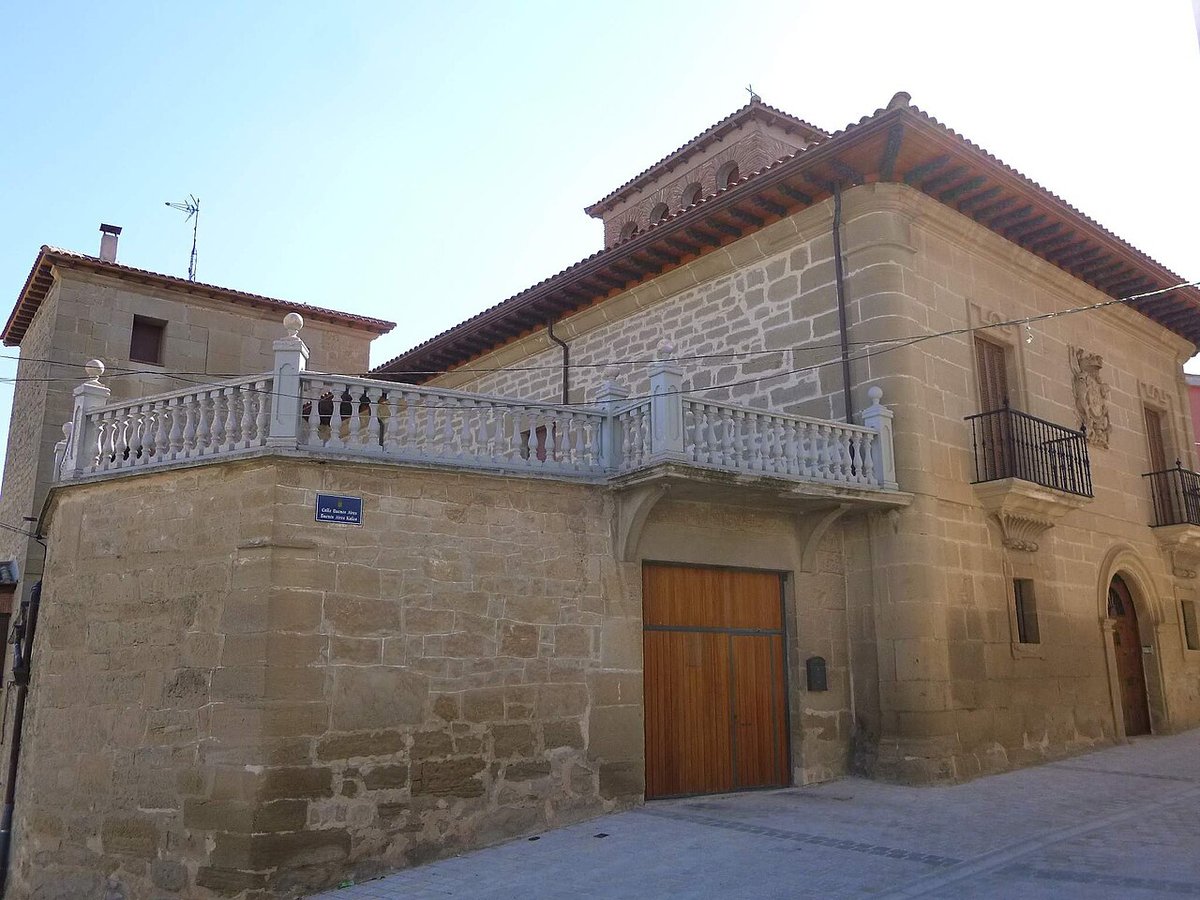
The Palacio de los Zapata commands the plaza Mayor. Its scale is what you notice first—a broad, symmetrical façade of stone and brick that seems outsized for the village. The coat of arms above the main door is a formal statement of status, acquired through service rather than inheritance.
Inside, the original imperial staircase of reddish marble remains. It ascends with a formality that matches the building’s exterior. A private chapel holds paintings likely added after the initial construction. The palace was declared a monument last century and now belongs to the town, used for exhibitions and cultural events. Its current public function contrasts with its origins as a private symbol of social ascent.
A church of accumulated centuries
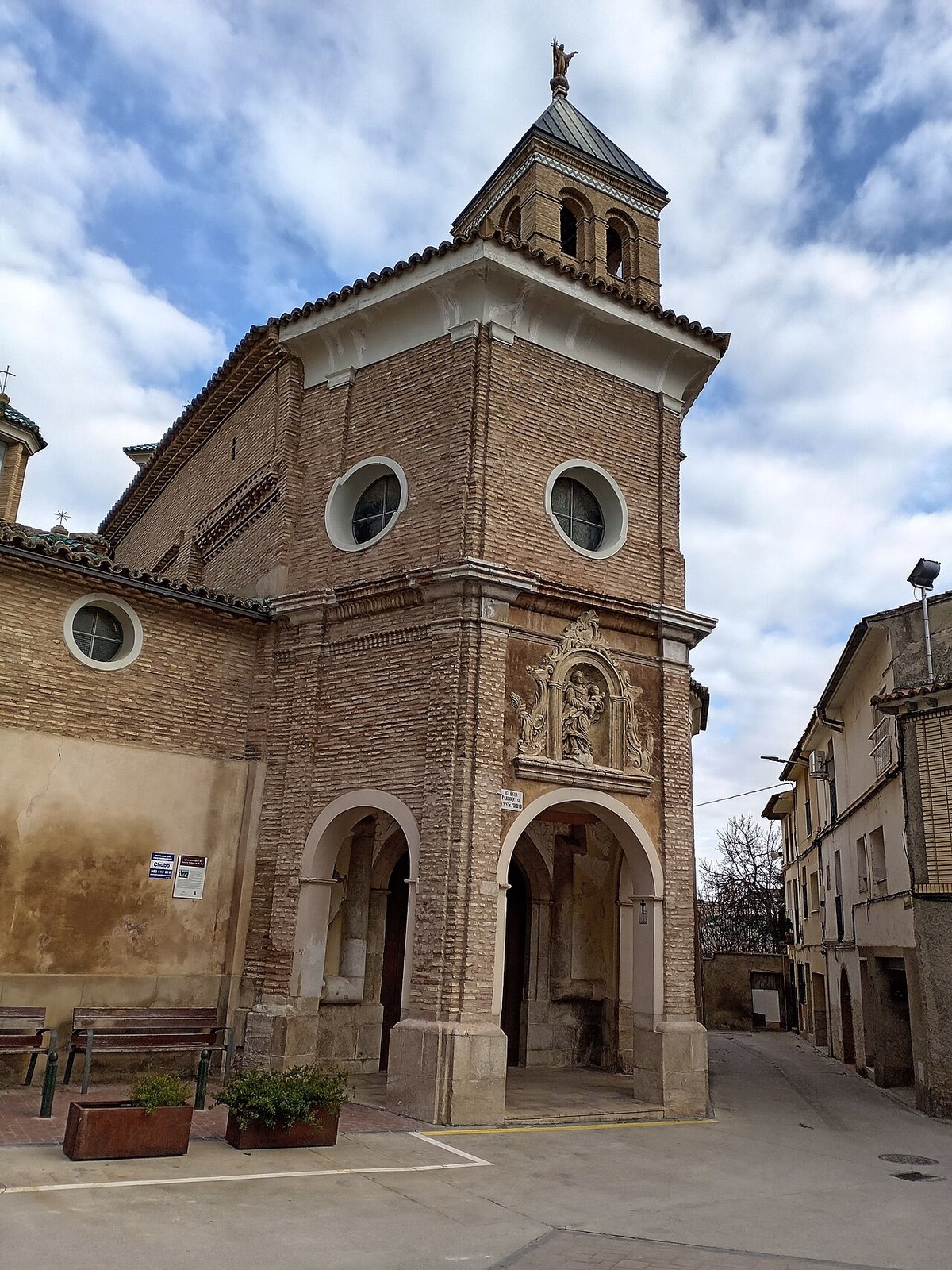
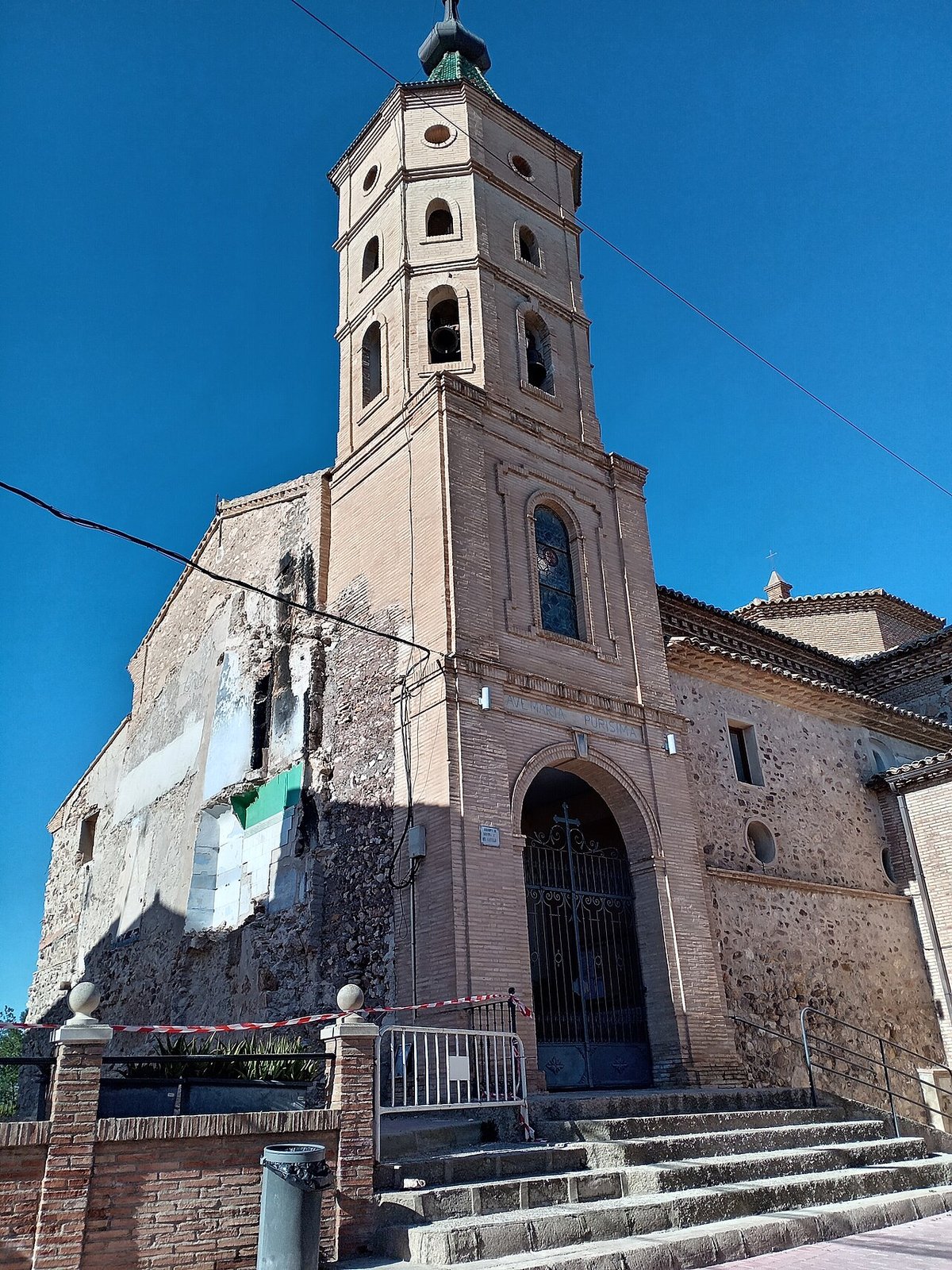
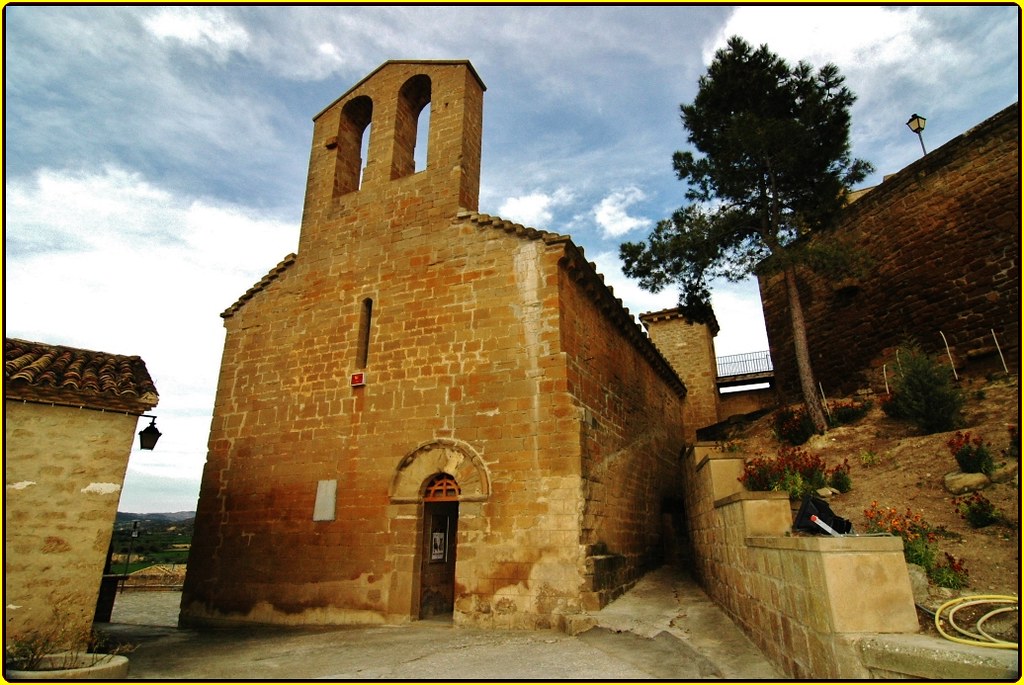
The parish church of Nuestra Señora de los Ángeles is a record of successive modifications. Its oldest section is a 12th-century Romanesque apse, uncovered during 20th-century renovations. In the late 1500s, the church was widened with new aisles. Two centuries later, Baroque updates added the decoration that now dominates the interior.
The building resists a single label. Romanesque structure, Renaissance expansion, and Baroque ornament coexist. You see the town’s growth layered in the fabric of the place.
The sanctuary on the hill
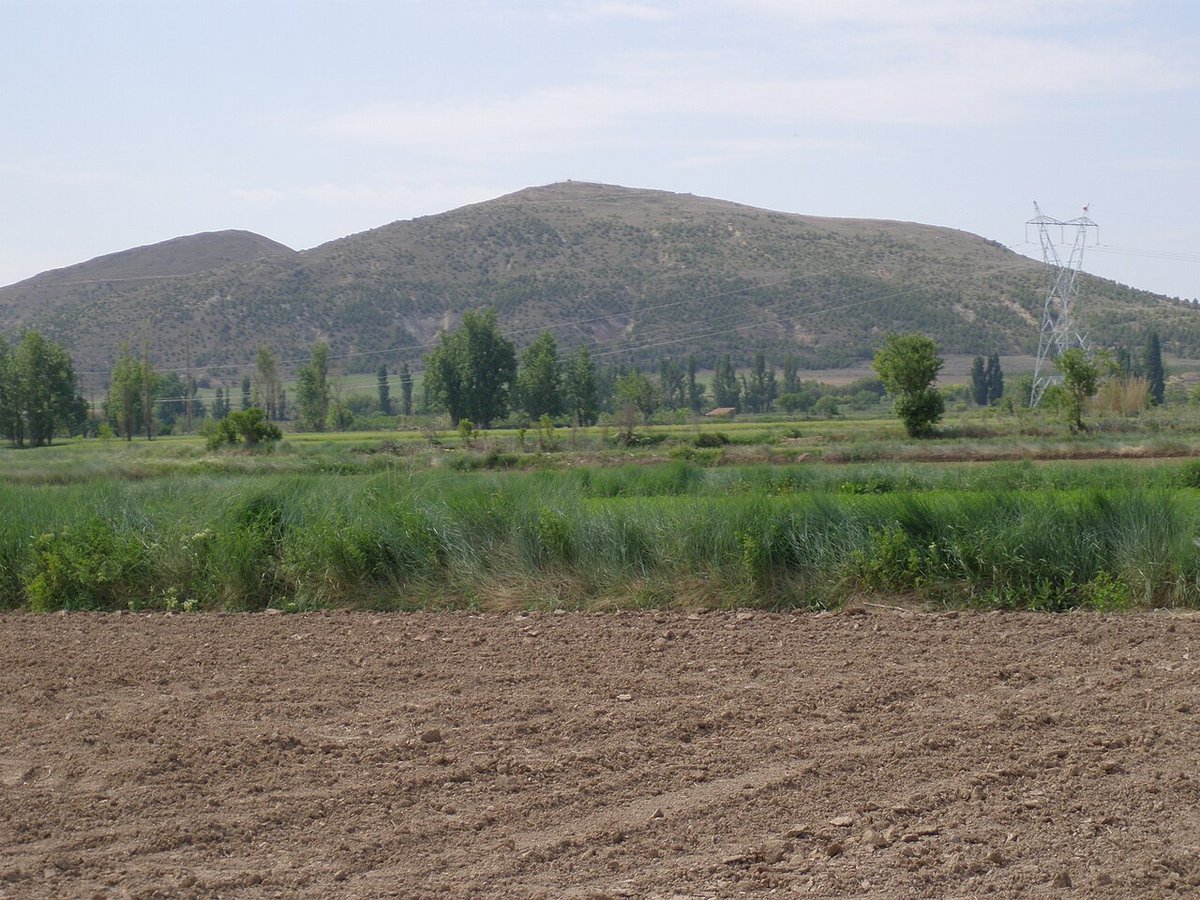
Outside the town, on a rise above the fields, stands the sanctuary of the Virgen del Puig de Francia. The current building appears to date from the early modern period, though the dedication references an older tradition of an image arriving from French lands.
The path up from town cuts through working farmland. Each September, for the feast of the Virgin, residents process up this route. It is a local observance, not staged for visitors. From the hilltop, the view encompasses the same agricultural expanse that has sustained Mallén for generations.
The Franciscan convent
On the outskirts are the remains of a Franciscan convent founded in the early 17th century. Built at a slight remove from the town, it follows the order’s characteristic simplicity. The church and cloister survive, with Baroque additions inside dating to a later phase.
After the desamortizaciones of the 19th century, the convent was secularised. The structure persists, a quiet marker of how religious institutions once organised the landscape beyond the village limits.
Walking Mallén
Start at the plaza Mayor and follow the streets of the historic centre, which retain their original layout. The path along the Huecha river traces the edge of town; the riverbed here is often dry, typical for this basin.
A thorough walk through Mallén takes little over an hour. You can extend it by heading up to the Puig. The surrounding fields, shifting with the seasons, are the constant backdrop.