Full Article
about Tabuenca
Hide article Read full article
A village that runs on its own time
Some places seem to move to a slower clock. Not because nothing happens, but because everything follows its own rhythm. Tourism in Tabuenca feels very much like that. You arrive, step out of the car, and quickly sense that time here is measured more by the vineyards than by the hour.
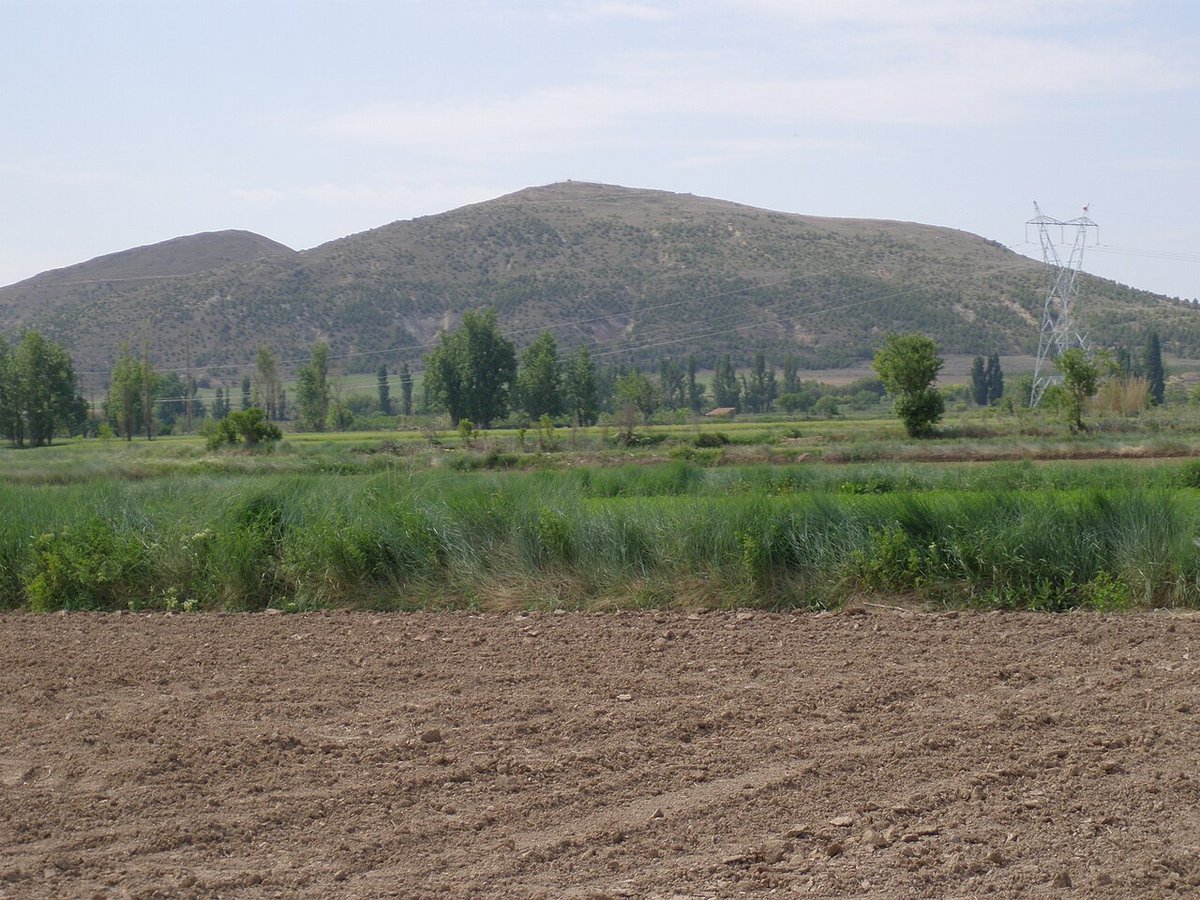
Tabuenca is a small village, with around 300 residents, set about 10 kilometres from Borja in the Campo de Borja area of Aragon. The landscape stretches out in all directions, with fields and low hills, and the presence of Moncayo in the distance. It is not always in sharp view, but it is always there, part of the backdrop.
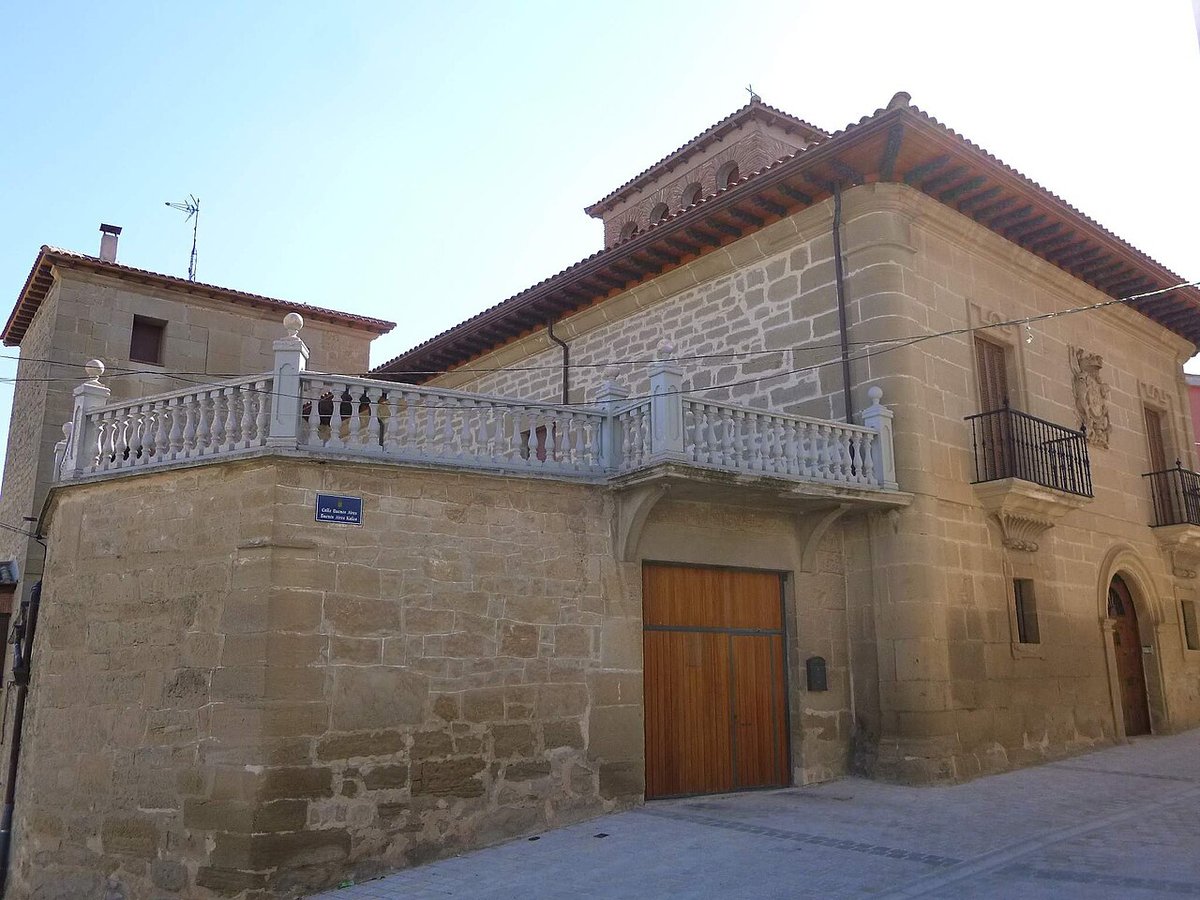
This is not a place built around ticking off sights. Anyone arriving with that mindset may soon wonder what there is to see. Tabuenca works better when expectations slow down. A walk through its streets, a look at its stone façades, a glance at wooden eaves that have weathered many winters. There are also wine cellars carved into the rock that appear here and there, almost without warning. The everyday life and the surrounding landscape carry more weight than any single monument.
Stone houses and a quiet centre
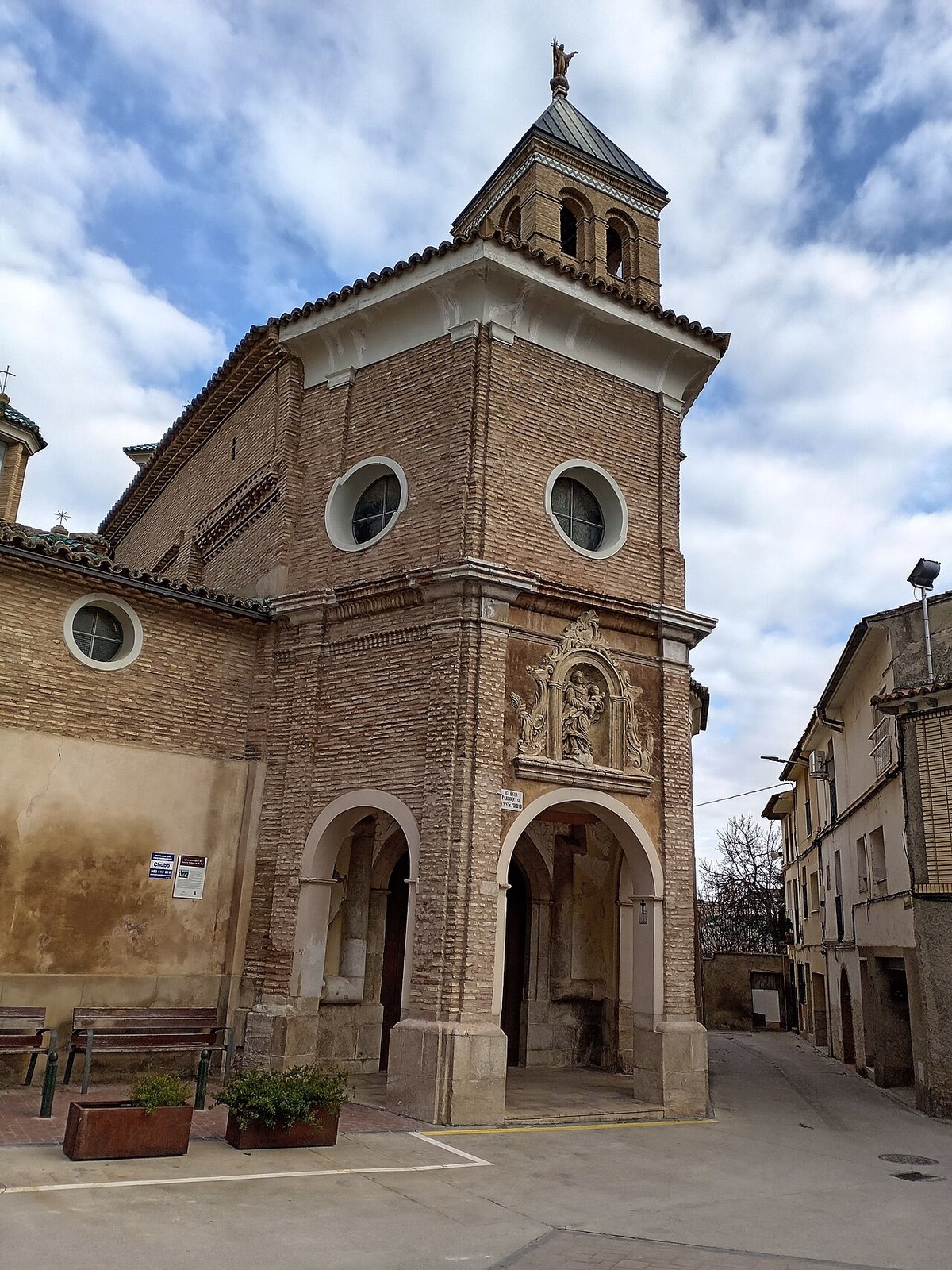
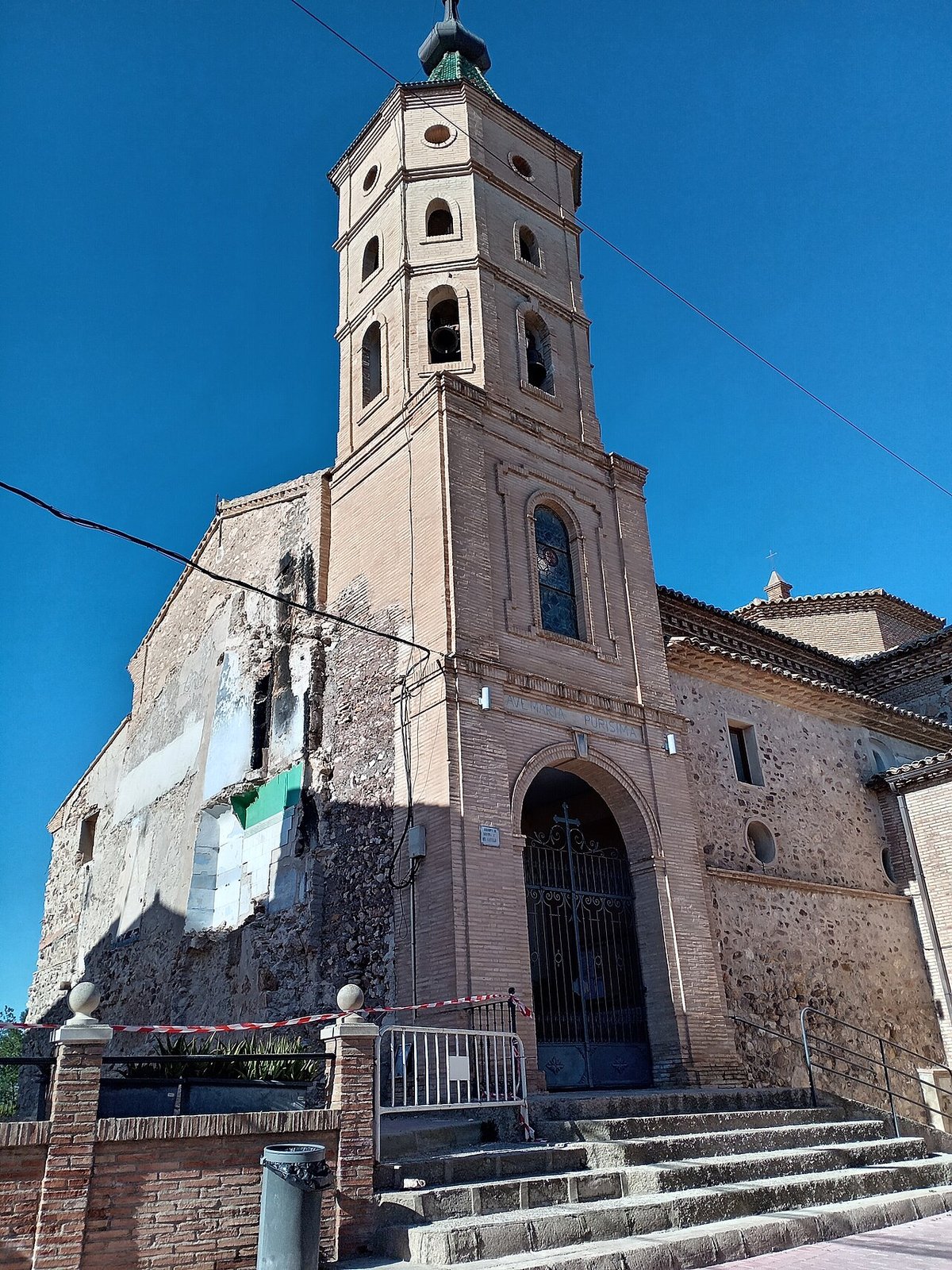
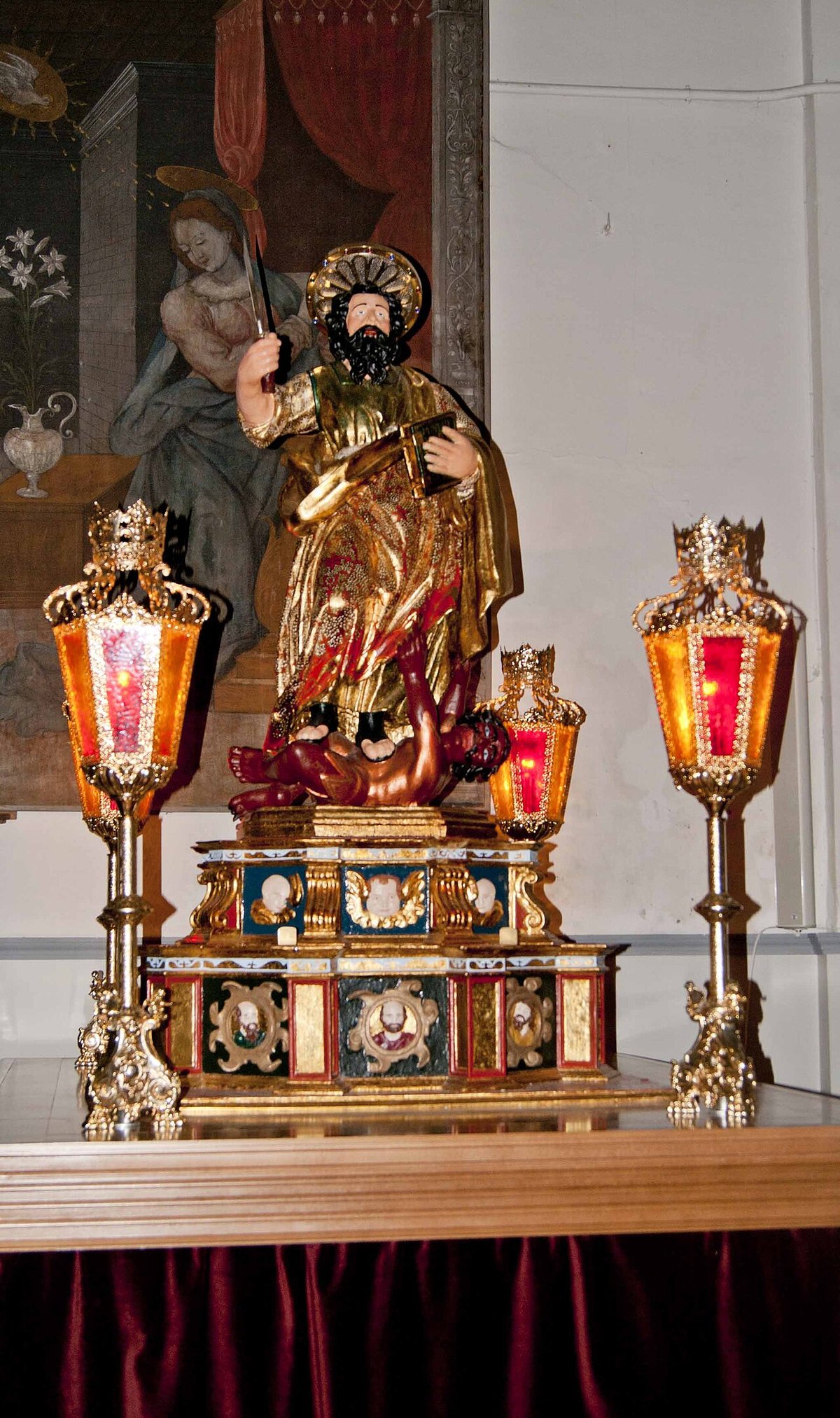
At the centre of the village stands the parish church of San Miguel Arcángel, overlooking the main square. It is not a grand or imposing building, but it reflects something typical of many Aragonese villages. There is an older base, later additions, and a simple interior where some traditional religious pieces are still preserved.
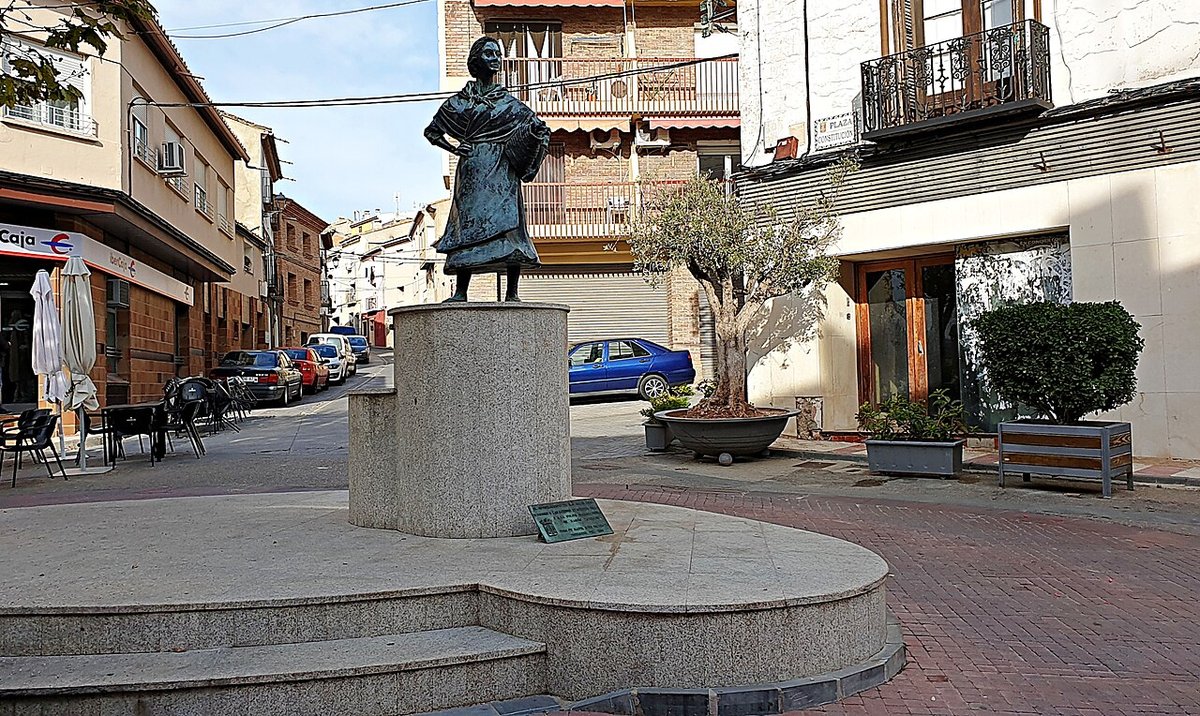
From the square, the best way to explore is without a fixed route. The streets are narrow, and much of the traditional architecture remains intact. Thick stone walls, small doorways, wrought iron grilles and, in some cases, balconies with plants that seem to have been there for years. Behind many façades, small courtyards or enclosures can be guessed at, even if they are not directly visible.
Looking beyond the houses, the surroundings change quickly. The slopes around the village open out into vineyards, patches of scrubland and rolling hills. On clear days, Moncayo becomes more defined on the horizon. Even at a distance, it feels like a constant presence.
There is also another side of Tabuenca that lies below ground. On the outskirts and in parts of the village itself, caves and wine cellars have been carved into the rock. Some are still in use today, while others remain as traces of a time when nearly every family produced or stored its own wine.
Walking through vineyard country
The area around Tabuenca lends itself easily to walking. There is no need for complex planning. Agricultural tracks and footpaths lead out of the village and cut through the vineyards. These are not demanding mountain routes, but longer, open walks with wide views and a notable sense of quiet.
Cycling is also a good fit for the landscape. The minor roads connecting villages across the Campo de Borja tend to have very little traffic. The terrain can appear gentle at first glance, but it can be deceptive. In summer, the sun is strong and unrelenting, so carrying water is less a suggestion and more a necessity.
Along these routes, small details begin to stand out. Dry stone walls line sections of the fields, modest agricultural huts appear in the distance, and occasional semi-buried cellars blend into the land. Together, these elements tell a story of how the land has been worked over generations, with methods shaped by both climate and tradition.
The vineyard as daily life
In Tabuenca, the vineyard is not simply part of the scenery. It remains central to the daily work of many residents. The grape harvest usually takes place between September and October, and during that period the village shifts into a more active rhythm.
Fields fill with movement, and tractors come and go more frequently. Much of the work is still carried out by families, with tasks shared across several hands. Grapes are cut, loaded and prepared for transport to the winery. It is a time when the usual calm is interrupted, though only slightly, by a sense of purpose and activity.
The dominant grape variety in this part of Campo de Borja is garnacha. Wine is not treated as a distant product but as part of everyday conversation, much like the weather or the condition of the harvest. It is woven into how people talk about their work and their year.
Festivities shaped by the agricultural calendar
The main local celebrations are dedicated to San Miguel Arcángel and tend to coincide with the harvest season. During these days, the village takes on a different atmosphere. There are more people in the streets, gatherings among neighbours, religious events and shared meals.
The scale remains modest. There are no large stages or elaborate setups. Instead, the celebrations feel closely tied to the community itself. Conversations stretch out in the square, people cross paths repeatedly throughout the day, and much of the activity flows naturally from homes into public spaces.
Semana Santa, or Holy Week, is also observed with a strong sense of tradition in the area. The celebrations are simple, but they continue to bring together a large part of the village.
In the end, visiting Tabuenca is less about sightseeing and more about understanding its setting. Vineyards stretching across the slopes, cellars beneath the ground, and a small community that continues to revolve around the land that surrounds it. Approached with that perspective, the place makes sense quickly. Approached in search of constant attractions, it may feel too quiet. Here, life has never moved quickly, and there is no real intention to change that.