Full Article
about Daroca
Hide article Read full article
A town that wakes up slowly
Early in the morning, the streets of Daroca still hold onto that quiet moment before the day properly begins. In winter, the air carries the scent of cold stone and damp earth. In summer, it arrives dry from the surrounding fields. Sunlight takes its time to reach the historic centre, and when it does, it gradually lights up the walls and ochre-toned façades. With fewer than two thousand residents, tourism in Daroca unfolds on a modest scale. Life here moves at the pace of narrow streets rather than crowds.
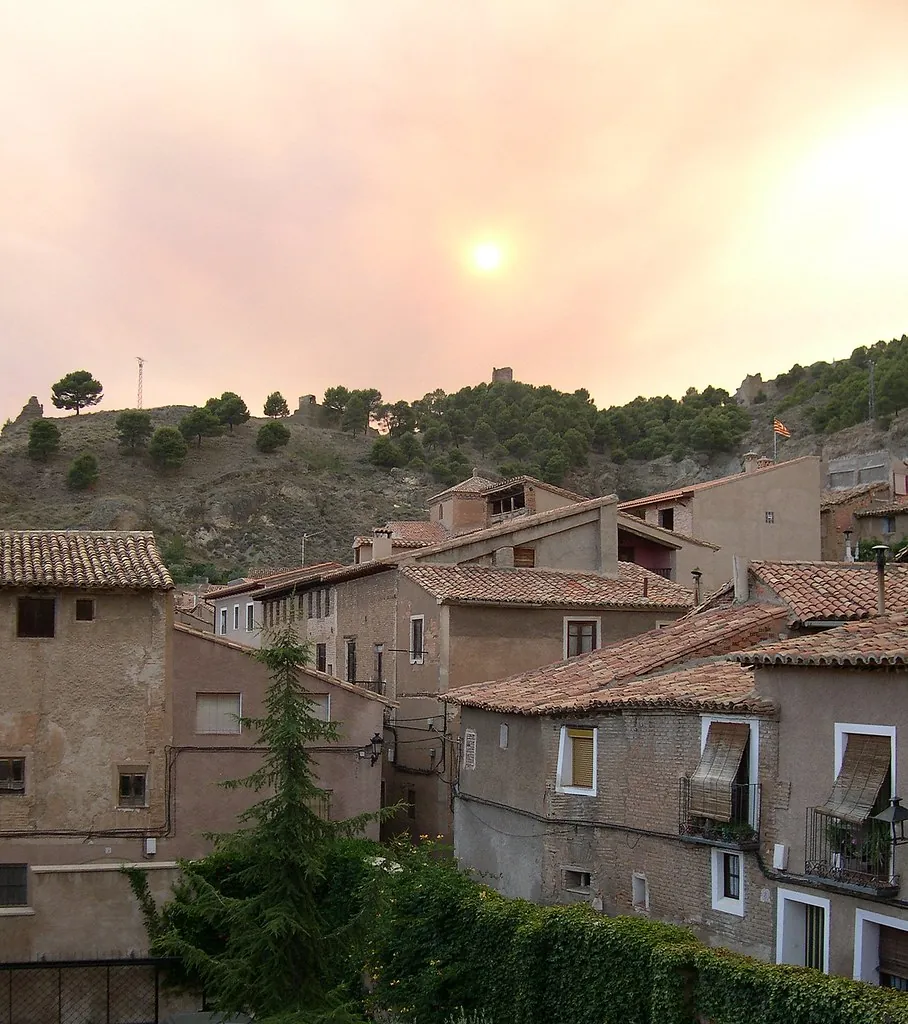
A walk through the old town reveals a place shaped by its past as a frontier for centuries. Streets rise and fall without much apparent order. Mudéjar doorways sit alongside heavy wooden doors and wrought-iron grilles that still keep their older designs. There are no wide avenues or steady streams of visitors. Instead, the town continues much as it always has, with locals crossing the square mid-morning and shutters opening one by one.
Walls that still define the town
Daroca’s walls stretch for roughly four kilometres and still encircle much of the town. Walking alongside them makes the layout easy to grasp. Outside, open fields and low hills. Inside, a dense cluster of rooftops and towers. Some towers remain as clear landmarks, such as the Torre del Horno and the one known as Torre de los Huevos. From these points, the valley spreads out in tones that shift between yellow and brown depending on the season.
Some sections involve a noticeable climb. It is not a route to rush, especially not under the full heat of August. Those who want to explore parts of the wall often find it more comfortable early in the morning or later in the afternoon, when the light softens and the temperature drops.
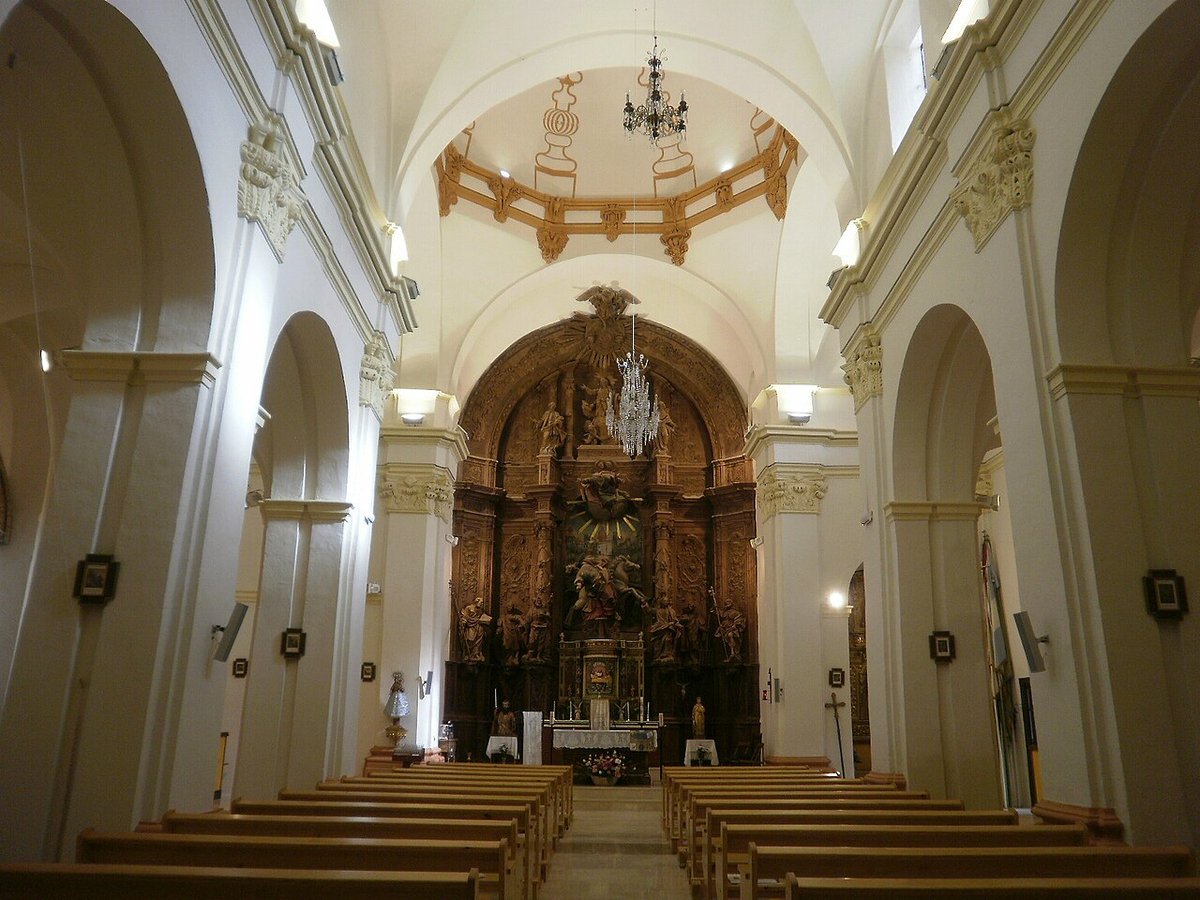
At the heart of the historic centre stands the Colegiata de Santa María de los Corporales, one of the buildings that shapes Daroca’s skyline. Inside, different periods overlap. Chapels were added over time, detailed altarpieces fill the space, and the choir invites a pause in silence. The church holds relics linked to the Corporales, a tradition with deep roots in local history.
Not far away rises the octagonal tower of the iglesia de San Miguel, visible from various points in the town. The iglesia de Santo Domingo presents another blend of styles, somewhere between Romanesque and Gothic. This mix appears often in places where buildings expanded over centuries. It is worth checking ahead whether these sites are open, as access is not guaranteed.
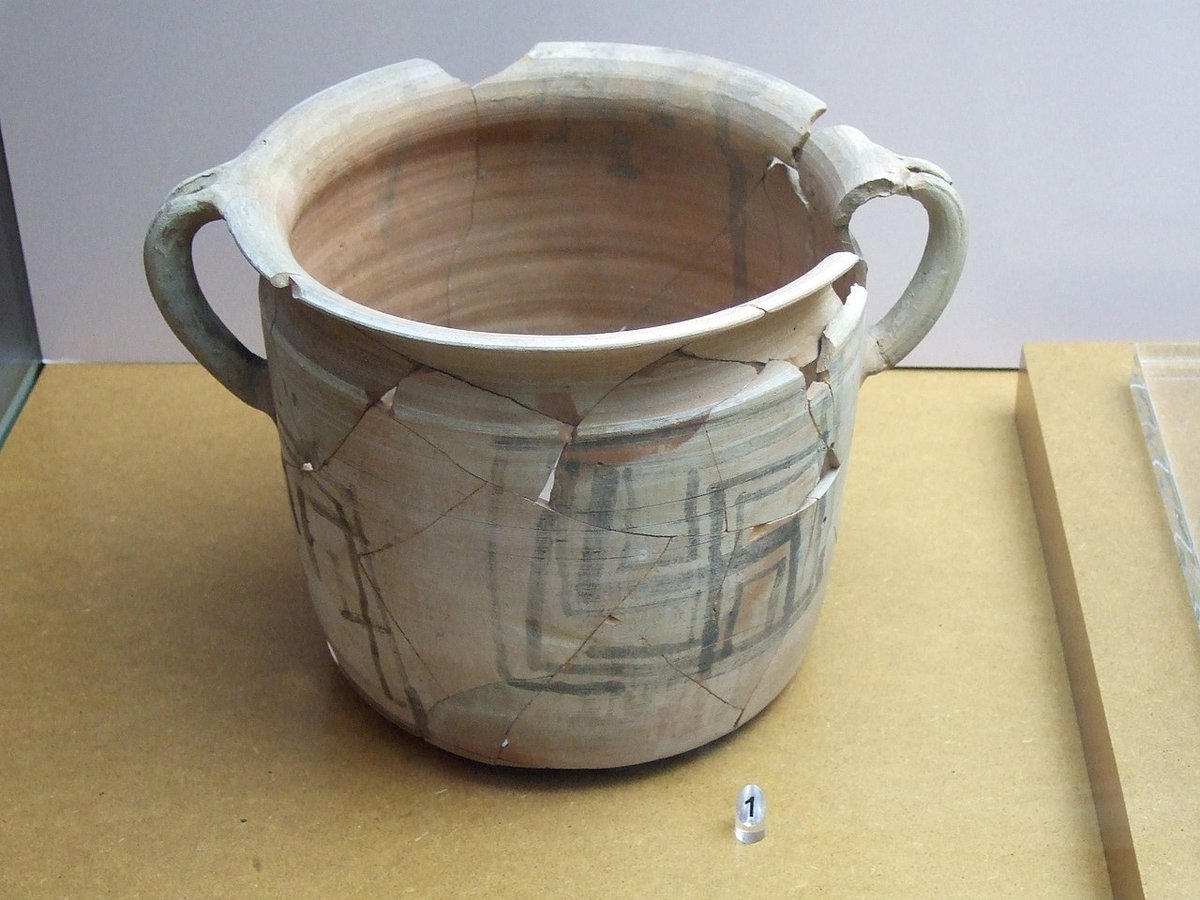
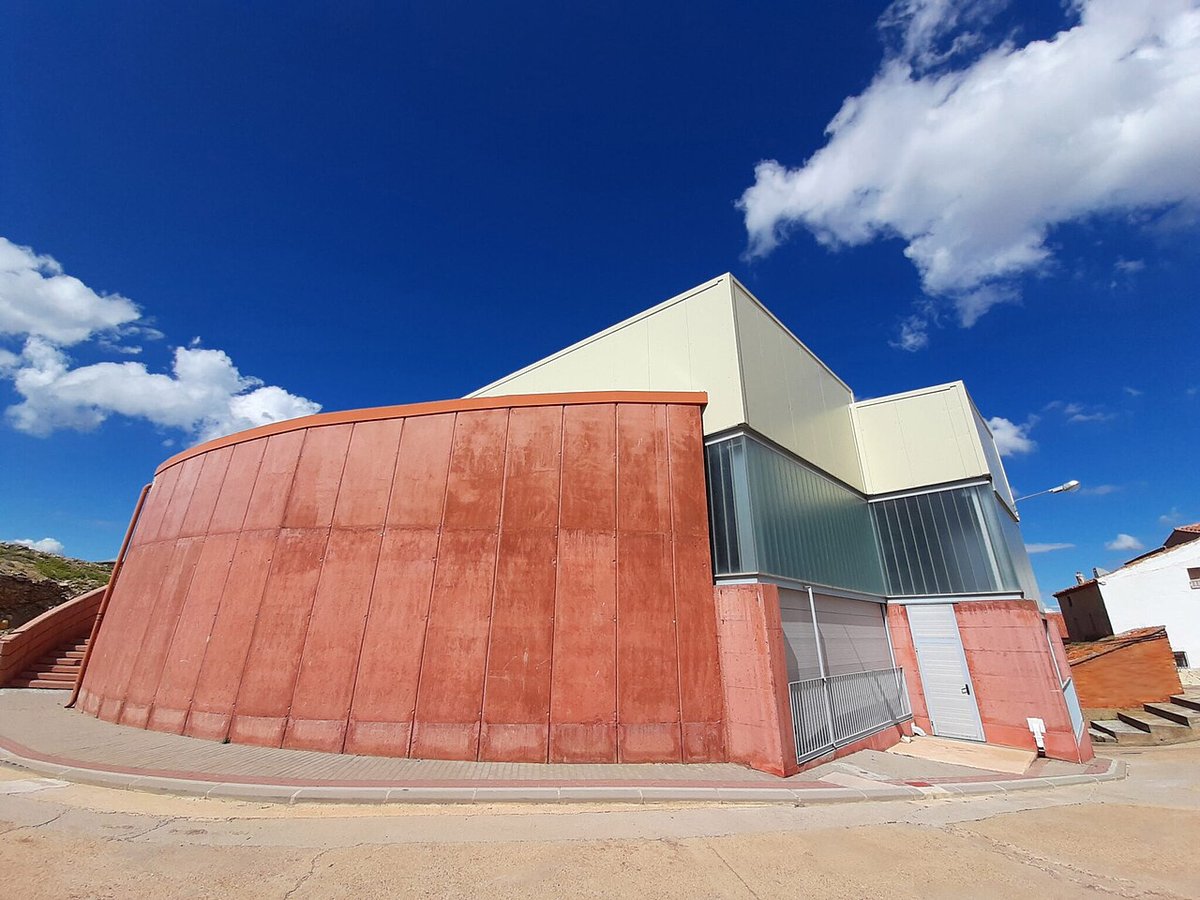
The Museo Comarcal helps tie everything together. Its collection is not large, but it traces the area’s story from Roman times through to the early modern period. It offers context for why Daroca once held importance in this part of Aragón.
Two main gateways still mark the historic entrances: the Puerta Alta and the Puerta Baja. A closer look at the arches and the thickness of the walls reveals their defensive purpose. There is also a noticeable difference in height between them, which reflects how the town adapted over time to both the terrain and its own needs.
Paths and open land beyond the walls
The landscape changes quickly once you leave the urban area. Fields of cereal stretch out in long lines. A lone holm oak appears here and there. Low hills open up views that extend for kilometres. It is a wide, open setting without large wooded areas.
One of the better-known routes nearby is the Ruta de las Balsas. This path passes by old water deposits once used to collect and store rain. The structures are simple, yet they say a great deal about how water was managed in a region where dry periods are always felt.
In the surrounding area, some workshops linked to traditional trades are still active. Ceramics, metalwork and other forms of manual craft continue, often on a made-to-order basis. These spaces are not always open to visitors, but asking around can sometimes lead to a conversation about how the work is done.
Back within the historic centre, wandering without a set route often reveals the most detail. Stone doorways show years of wear. Each house seems to have its own variation of wrought-iron grilles. Mudéjar façades become more noticeable when the light falls at an angle. Early morning and late afternoon bring out the textures of the stone, shifting the town’s colour between grey and gold.
Festivals and local traditions
The local calendar still revolves around a number of celebrations that remain important for residents. The festival connected to the Corporales usually takes place at the beginning of summer and preserves rituals with medieval origins. During the summer months, the patron saint festivities arrive as well, bringing music into the streets and traditional jota performances by local groups.
At some point during the year, Daroca also hosts a market or fair with a medieval theme. When the weather is good, it tends to attract a significant number of visitors from outside the town, and the atmosphere changes noticeably.