Full Article
about Manchones
Hide article Read full article
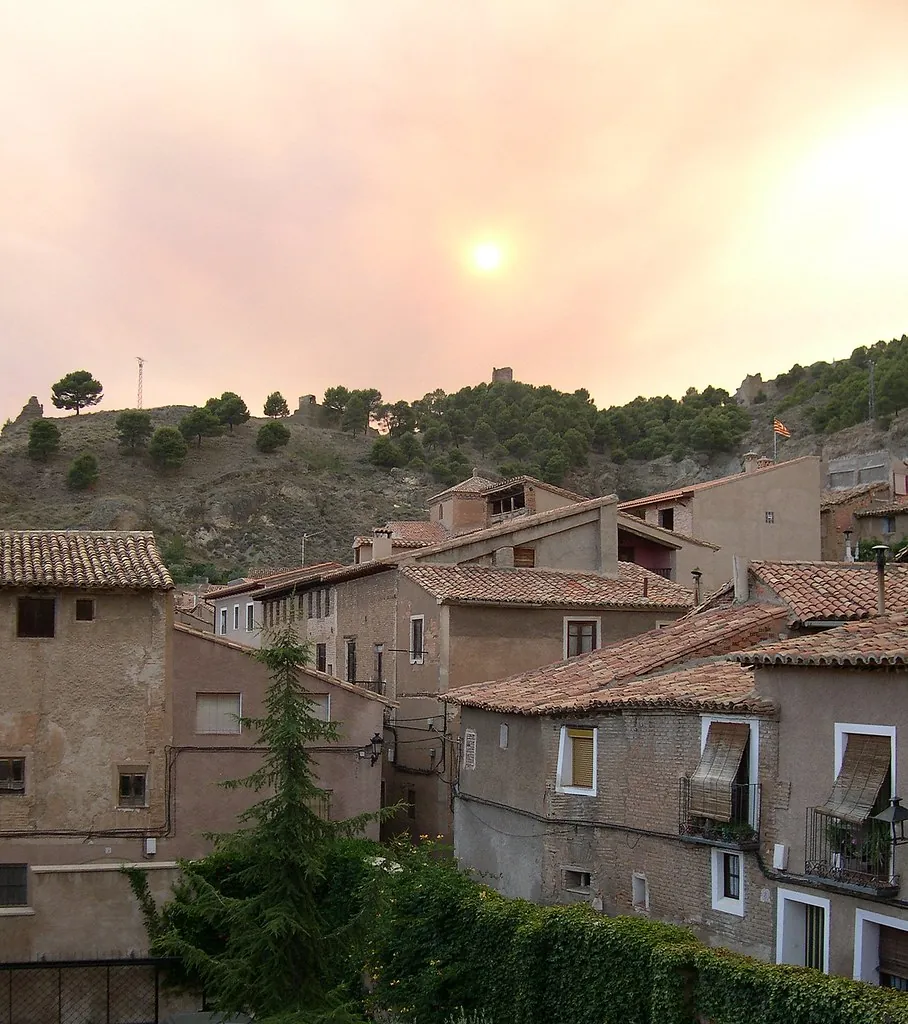
Morning light over Campo de Daroca
Early in the morning, when the sun is still low, the streets of Manchones are almost silent. Light slips between reddish roof tiles and falls in narrow bands across stone façades, some of them worn by years of winter weather. At the edge of the village, the landscape opens out into the wide fields of the Campo de Daroca, where lines of cereal stretch towards the horizon. The air carries the scent of turned earth and, in spring, the freshness of green grain.
Tourism in Manchones does not revolve around major landmarks or a packed itinerary. The village is small, just a handful of streets, and agriculture still shapes the rhythm of life through the year. It lies in the comarca of Campo de Daroca, within the province of Zaragoza, and is reached by secondary roads that cross dry farmland and gentle hills. Driving here has a steady, unhurried feel: long straight stretches, very few cars, and a landscape that changes gradually.
A village shaped by rural life
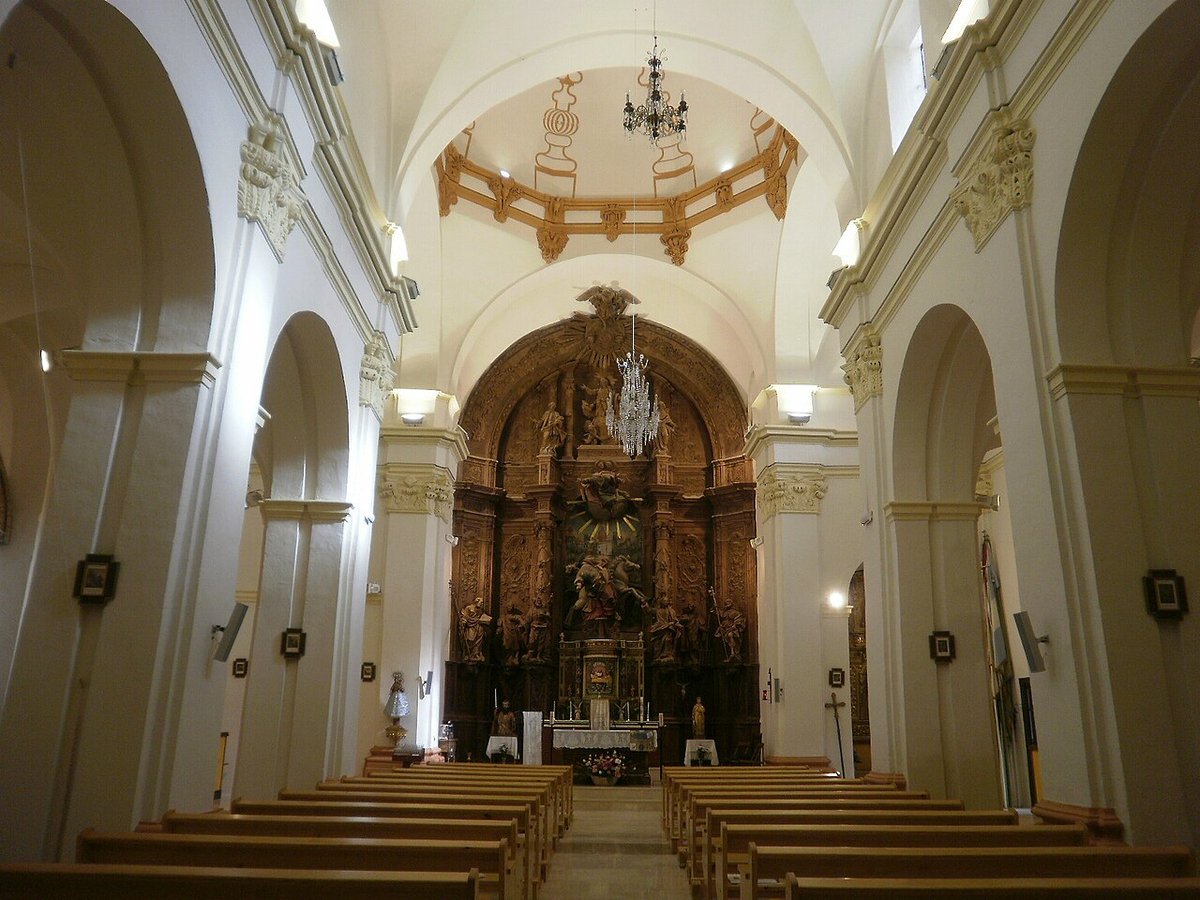
The church of San Pedro stands out slightly above the surrounding houses, making it easy to spot. Built from local stone, it has a restrained appearance with little in the way of decoration. Around it sits a small square where people gather for important moments or simply spend time on quiet afternoons.
The houses follow the practical logic of agricultural villages. Thick walls help regulate temperature, large gateways once opened into yards or storage areas, and wooden eaves cast shade during the summer months. Some façades are whitewashed, while others reveal uneven stone beneath. A slow walk through the streets brings out small details: an old door with worn iron fittings, a bench set against a wall where someone often sits as evening approaches.
This is not a place designed for spectacle. Its character comes from continuity, from buildings that still reflect how the village has functioned for generations.
Paths across open land
Beyond the built-up area, agricultural tracks begin almost immediately. These are not signposted walking routes but working paths that cut across cereal fields and pale earth embankments. They can still be explored on foot without much difficulty, especially with a simple map or by asking a local resident about the main directions.
From slightly higher ground, the wider landscape of the Campo de Daroca becomes clear. Large expanses of farmland shift in appearance with the seasons. In spring, the green is even and bright; by early summer, the cereal turns a golden colour that seems to glow as the sun lowers.
At certain times of day, the setting becomes more noticeable. Around sunrise or as daylight fades, the wind moves through the grain with a dry, steady sound. It is a kind of background noise typical of open, dryland farming areas, subtle but constant.
Local traditions and the village calendar
Life in Manchones follows a simple annual cycle, and local celebrations are tied closely to it. Festivities are usually centred on San Pedro, the village’s patron saint. These are modest events, mainly intended for those who live here or return during the summer from Zaragoza or other cities where they have moved for work.
During these days, the atmosphere shifts. The streets fill with more people, conversations stretch out in the square, and music can be heard from different corners of the village. It is a noticeable contrast to the rest of the year.
Winter brings a quieter version of Manchones. With so few residents, daily life becomes closely linked to agricultural tasks and the changing seasons. Activity narrows to what is necessary, and the village settles into a slower rhythm.
Getting there and choosing your moment
The most direct way to reach Manchones from Zaragoza is to drive towards the area of Daroca and continue along regional roads that cross the Campo de Daroca. These are calm routes with limited services between villages, so it makes sense to be prepared for a fairly self-contained journey rather than relying on frequent stops along the way.
Spring tends to be the most pleasant time to walk in the surrounding countryside. Temperatures are mild, and the fields are still green. Summer brings strong midday heat, which is typical of this part of Aragón. Anyone planning to walk along the tracks will find it more comfortable early in the day or later, as the sun begins to drop.
It is also worth keeping in mind how small Manchones is. There is not always activity in the streets, and on some days the silence is almost complete. That quiet is part of the experience. Spending time here means slowing down, listening to the wind across the fields, and watching how the light shifts over the land. In Manchones, the landscape reveals itself gradually.