Full Article
about Biota
Hide article Read full article
A village that keeps its own pace
Some places do not rely on bright spotlights or tourist slogans to stay with you. Biota, in the Cinco Villas region of Aragón, is one of those. It leaves a simple impression: life here carries on in its own way.
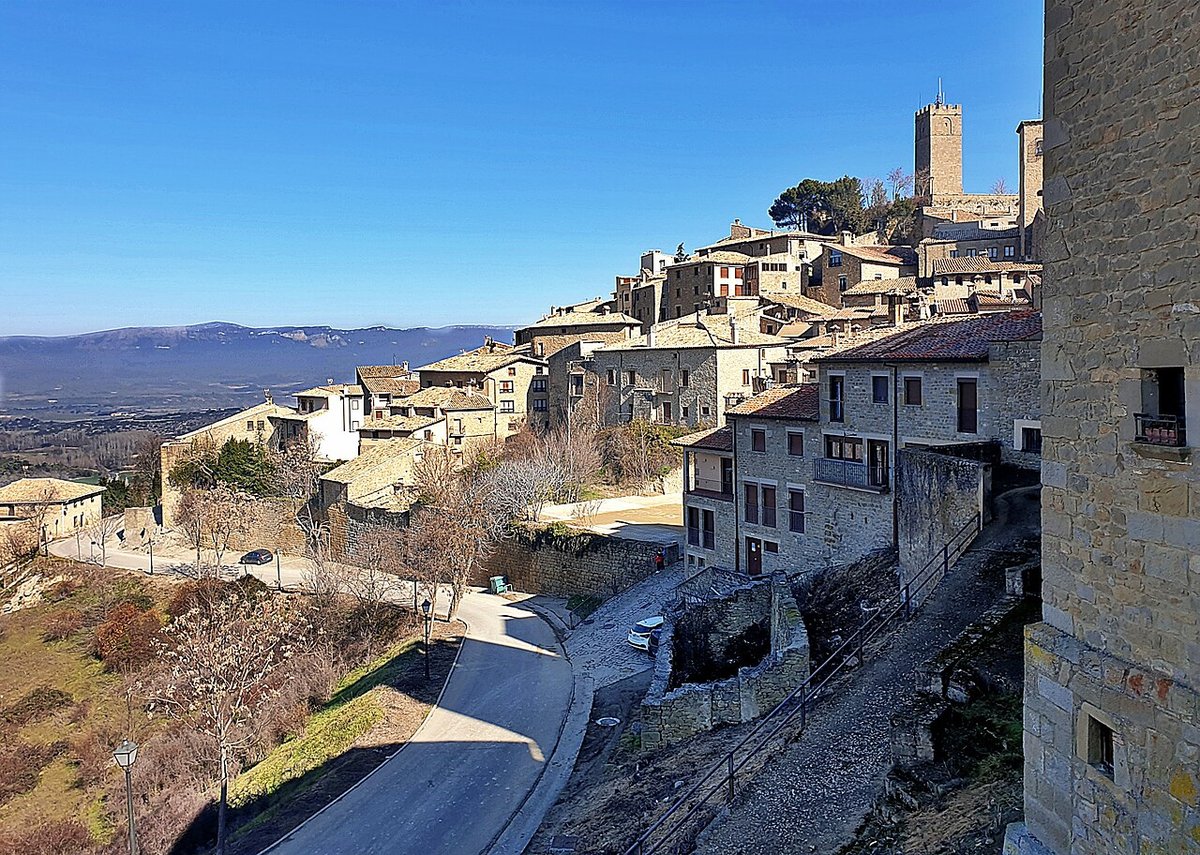
This is a small municipality, home to just over eight hundred residents, surrounded by open farmland. Stone houses define the streets, with vegetable plots close to the village and a layout that invites slow wandering rather than any fixed plan.
From Zaragoza, the journey takes a little over an hour by car. The usual route passes through Ejea de los Caballeros before continuing along a regional road. The shift in scenery happens almost without notice. The city fades, and the landscape opens out into something wider and quieter.
The shape of the village
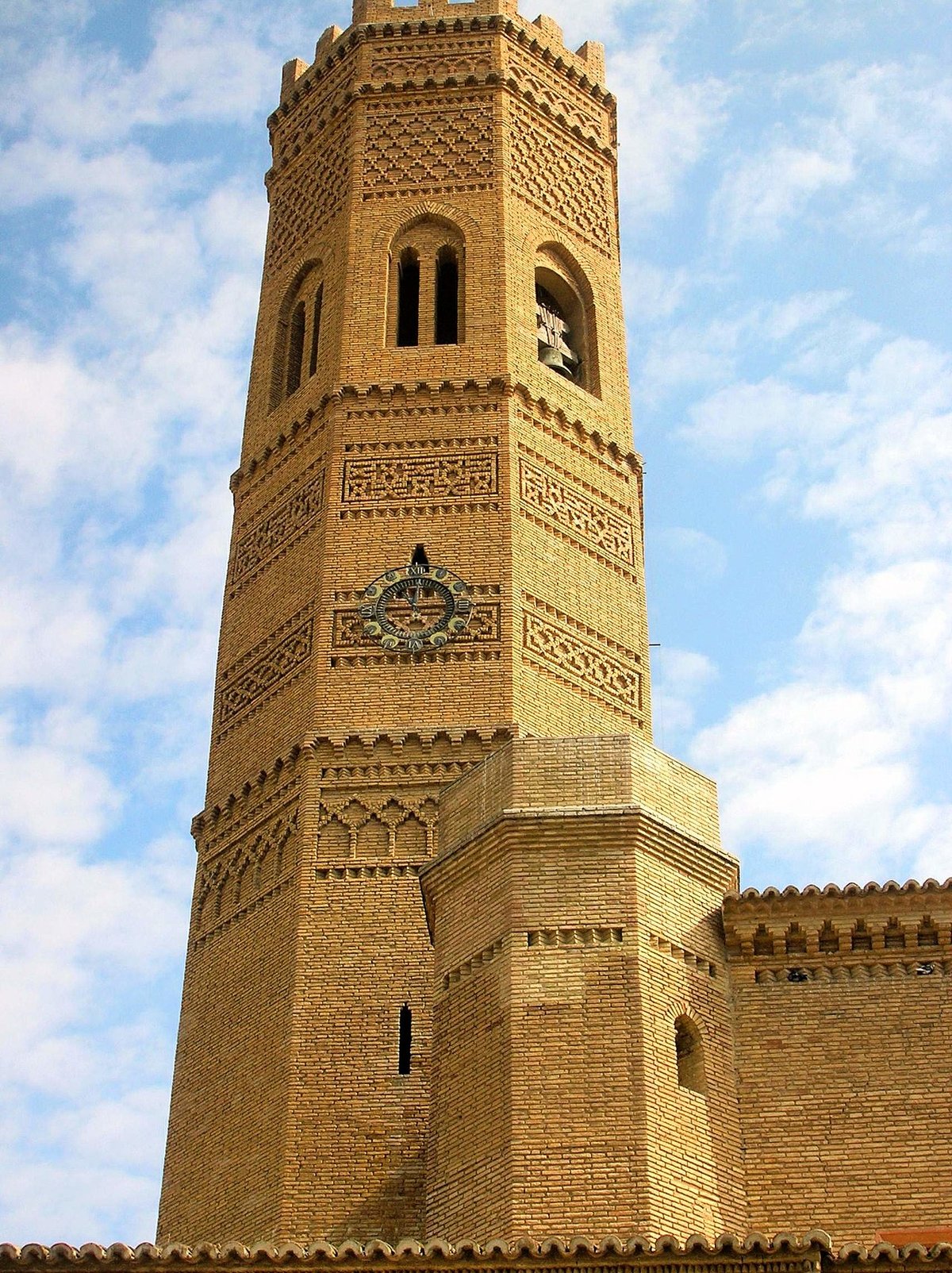
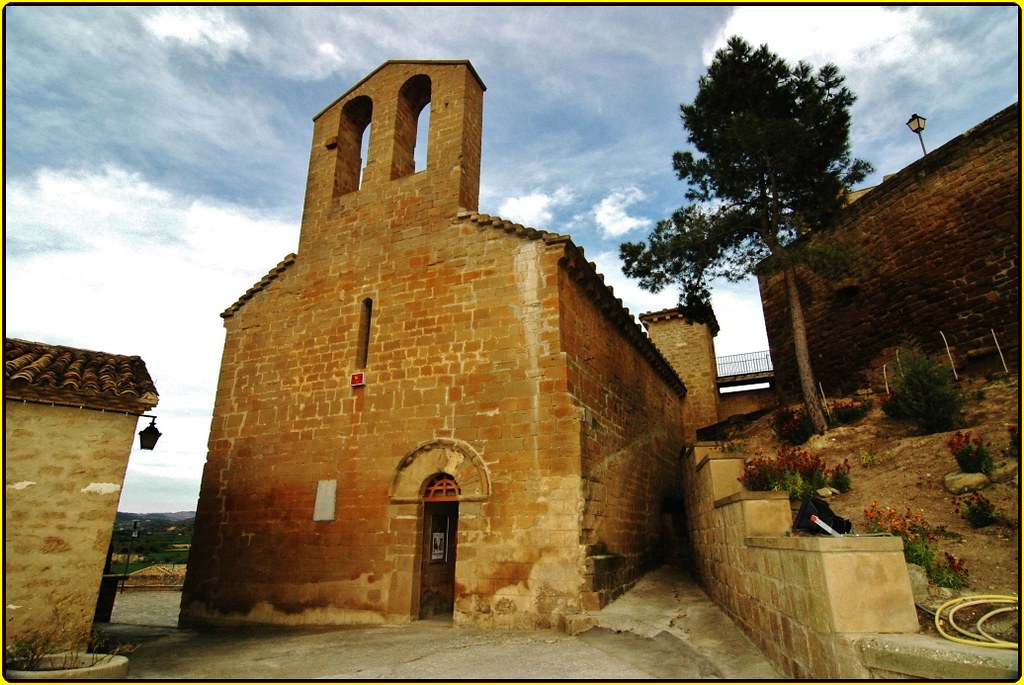
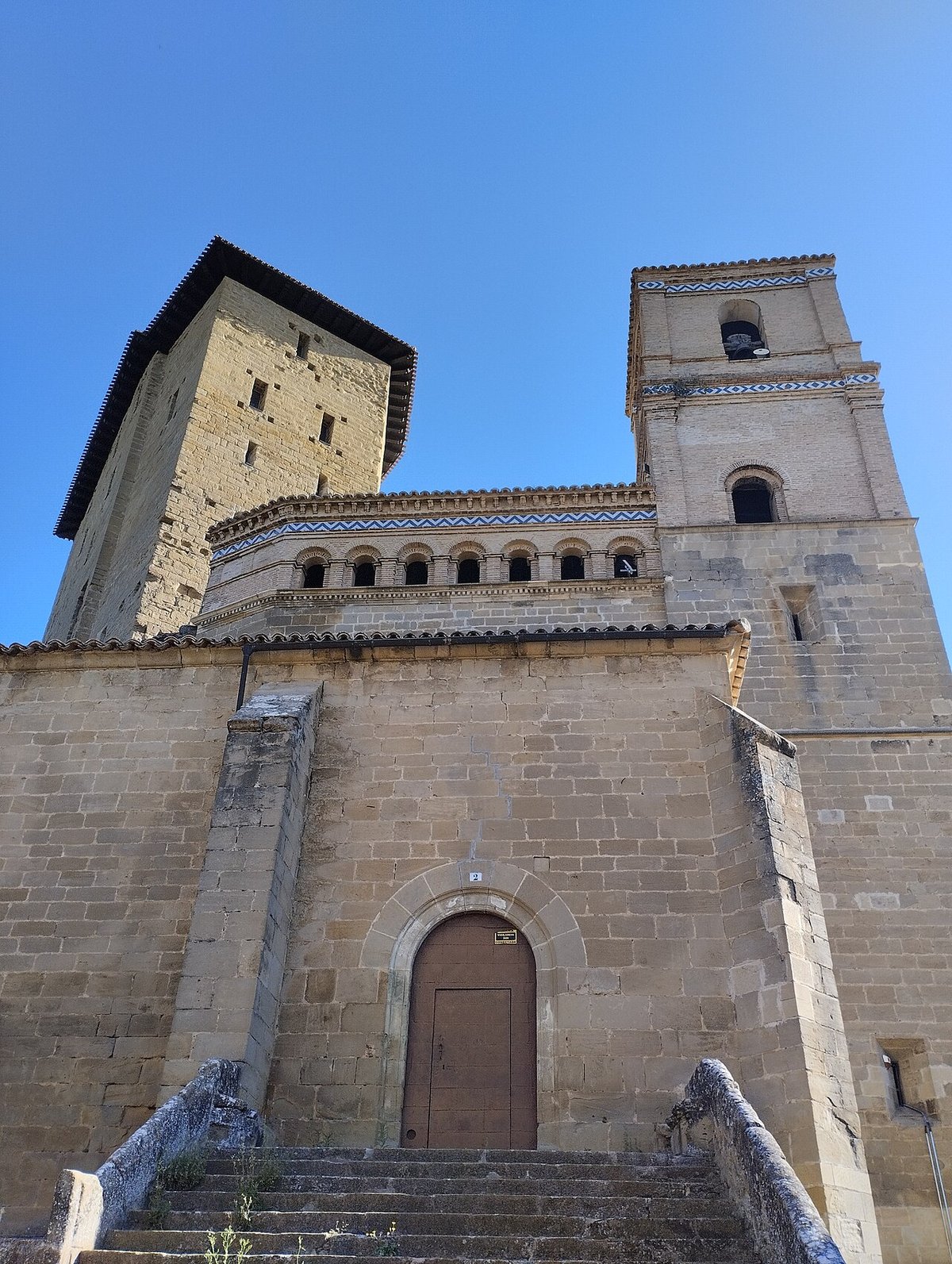
The most prominent building in Biota is the church of San Miguel Arcángel. Its tower is visible from many points and quickly becomes a reference as you move through the streets. The structure began in the Romanesque period, with later additions layered on over time. The result reflects a common feature of rural Aragonese churches, where each era leaves its mark.
Inside, the atmosphere is restrained rather than elaborate. Pointed arches frame the space, and a simple Baroque altarpiece adds detail without excess. It is the kind of interior that rewards a closer look, especially for those who appreciate careful craftsmanship.
The village centre can be covered quite quickly. A walk of around twenty minutes is enough to see most of it, although time stretches if attention drifts to façades and small details. Stone houses with wide doorways hint at their past use for carts, while wrought-iron balconies add texture to the streetscape. The layout is irregular, with streets rising and dipping without a strict pattern.
Biota does not present itself as a monumental historic centre. Instead, it feels practical and lived-in, where each building serves a purpose without trying to impress.
The landscape beyond the streets
The surroundings play a central role in defining Biota. Fields of cereal crops extend as far as the eye can see, and their colours shift noticeably with the seasons. Spring brings an intense green. As harvest approaches, the tones turn a strong yellow. Autumn softens everything into more muted shades.
There is no marked network of hiking trails as found in mountainous areas, yet there are plenty of agricultural tracks leading out from the village. Following one of these paths is enough to spend time walking through the fields. Small clusters of holm oaks and quejigos appear here and there, breaking up the open land.
These walks do not require a map or a particular goal. It is simply a matter of setting off, continuing for a while, and turning back when it feels right. Late in the day, the light stretches across the flat terrain and adds another layer to the experience.
A short visit, unhurried
Biota is not a place designed for a packed itinerary of monuments. It works best as a calm stop within a wider route through the Cinco Villas.
A typical visit might include a walk through the village, a look inside the church if it is open, and some time spent along the surrounding paths. That is enough to form a clear sense of the place.
For those travelling by car, it is common to combine Biota with nearby towns such as Ejea de los Caballeros or Sádaba. Both are close enough to extend the day without turning it into a long journey.
Local life and celebrations
The main annual celebrations take place around San Miguel, at the end of September. During these days, the atmosphere shifts noticeably. Processions move through the streets, music fills the square, and activities bring together a large part of the community.
At other times of the year, there are usually fairs or gatherings linked to livestock and agriculture. These events are aimed more at local people than visitors, which gives them a direct connection to everyday life in the area.
For the rest of the year, Biota settles into a steady rhythm typical of agricultural villages. Work in the fields shapes the calendar, the square remains a meeting point, and there is a clear sense that most people know each other.
Practical notes for visiting
Biota lies around 75 kilometres from Zaragoza. The simplest approach is by road via Ejea de los Caballeros, followed by a regional route towards the Sádaba area.
Spring and autumn are usually the most comfortable times to visit. Summer brings strong heat in the middle of the day, so early morning or late afternoon are better suited for walking.
If time is limited, about an hour is enough to explore the village itself at an easy pace. Adding a walk along the nearby tracks extends the visit and gives a fuller impression of the surroundings.
Biota does not try to impress. It offers something quieter: a way to understand how an agricultural village in this part of Aragón still functions. Open fields, a steady pace of life, and a rhythm that feels distinctly removed from the city.