Full Article
about Castiliscar
Hide article Read full article
A small village at its own pace
Tourism in Castiliscar is simple. You arrive, park near the square, and walk around in a short time. There is no real issue with traffic or parking because the village is small. In summer, it makes sense to come early in the morning or later in the evening. The heat at midday is intense and there is very little shade.
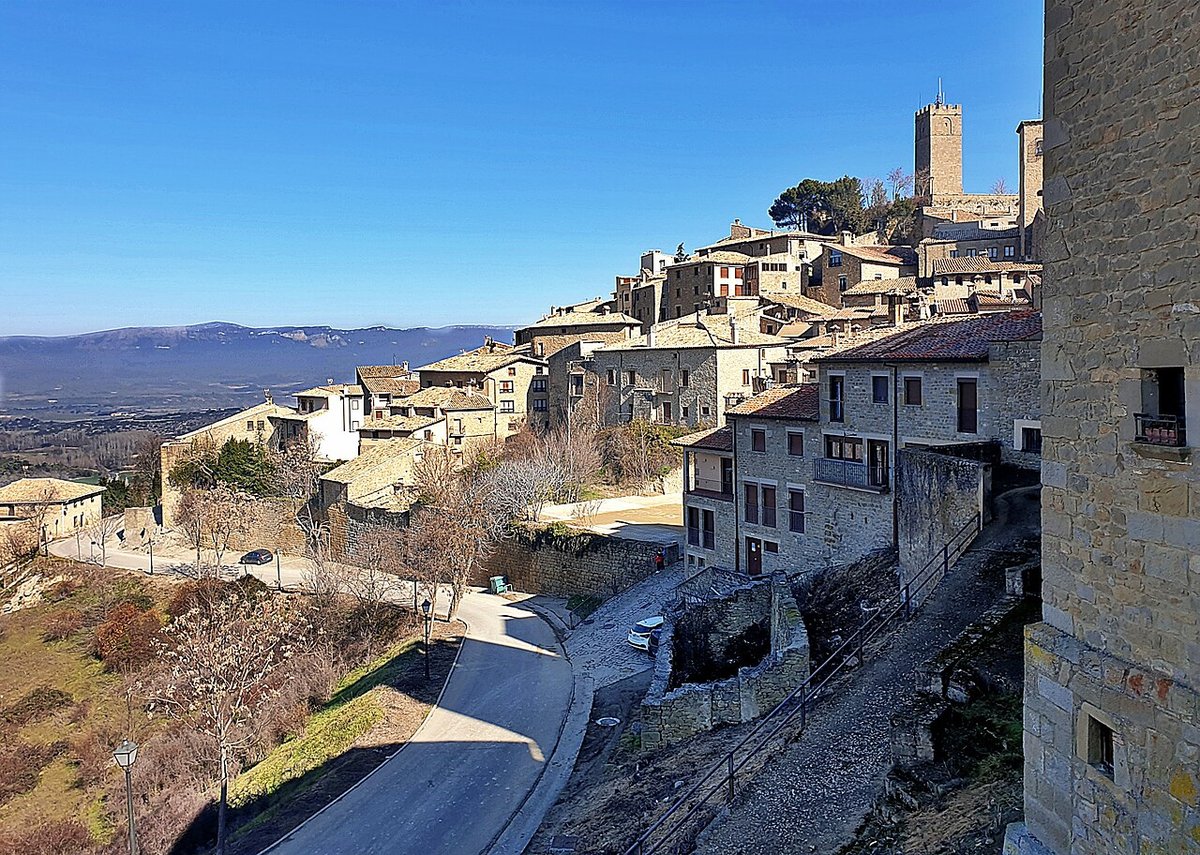
Castiliscar has around 219 residents and sits in the north of the Cinco Villas comarca, close to the border with Navarra. This is not a place arranged for visitors. There is no curated old quarter or marked route through historic streets. What you find instead are ordinary roads, lived-in houses, and the occasional older façade that hints at how long the village has been here.
It is the kind of place you pass through quietly. There is no pressure to tick off sights or follow a plan. The scale is small enough that everything feels close, and the experience is more about observing than doing.
The centre and its streets
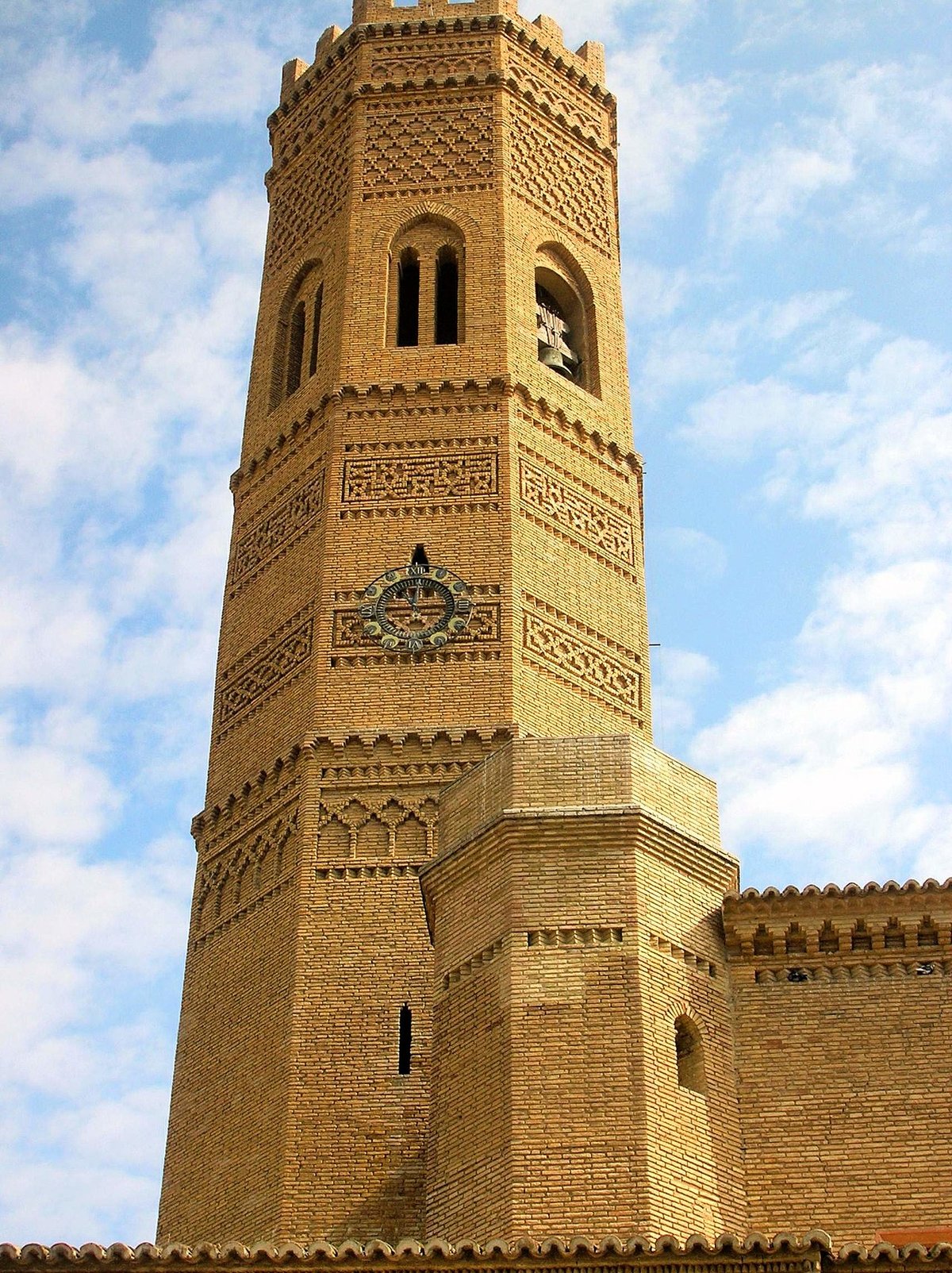
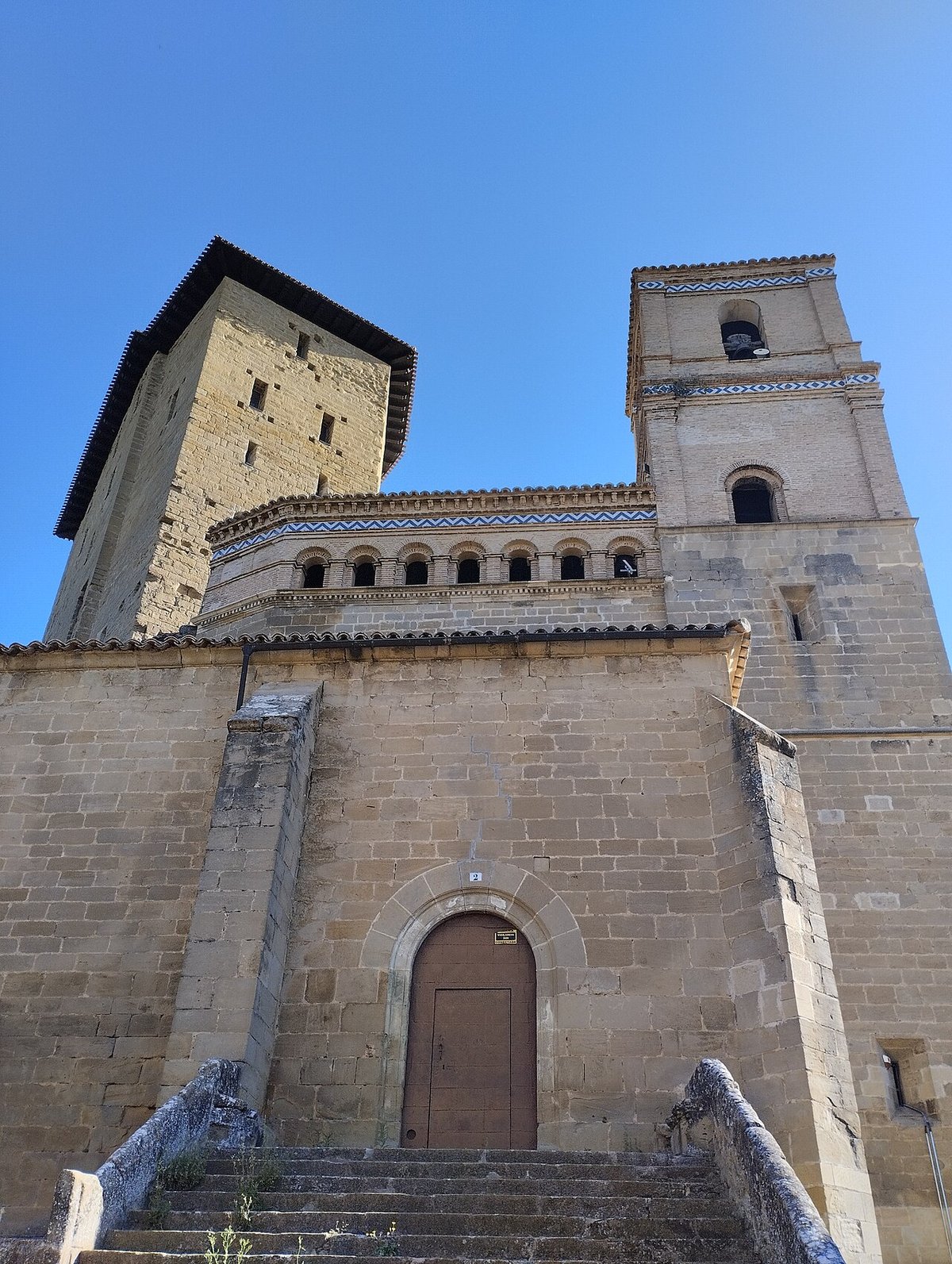
The parish church anchors the centre of Castiliscar. It is the building that stands out most clearly from outside and acts as a reference point when moving through the village. Around it, several short streets branch off, lined with houses built from stone and brick. Many have been updated just enough to remain practical homes rather than restored showpieces.
The façades reflect different periods. Some still display carved lintels or iron balconies, small details that suggest earlier phases of the village. Others are more recent, functional buildings without much decorative interest. Together they form a mixed streetscape that feels shaped by necessity rather than design.
This is not a monumental setting. Castiliscar is, at heart, an agricultural village that has adapted over time. Changes have been made when needed, without turning the place into something for visitors. That is part of its character.
You can walk through the whole village in ten or fifteen minutes. That estimate stretches if you stop to look more closely at details or pause for a conversation with a local resident. There is no fixed route, so wandering freely works just as well as following any particular direction.
Fields and open land
Step beyond the edge of the village and the landscape opens immediately. Fields dominate the surroundings, with large stretches of cereal crops and wide, unobstructed ground. This is typical of Cinco Villas: gentle hills, dry ravines, and agricultural tracks crossing between plots of land.
The scenery changes noticeably with the seasons. In spring, the green does not last long. By summer, yellow tones take over as the cereal has already been harvested. Autumn brings a more muted view, with turned soil and tractors moving through the fields as work continues.
Several paths lead out from Castiliscar into this landscape. They can be walked without difficulty, though not all are signposted. If you are unfamiliar with the area, it is sensible not to stray too far or to carry a simple map. The terrain itself is not complicated, but the lack of clear markers can make orientation less obvious.
There is a steady rhythm to these surroundings. Movement is tied to the agricultural cycle rather than tourism or leisure. What you see depends largely on the time of year and the work being carried out in the fields.
Festivities and everyday life
The liveliest moments in Castiliscar tend to coincide with the patron saint festivals. At that time, people who live elsewhere return, and the village becomes more animated. Outside those dates, life is generally quiet.
There are also traditional religious celebrations, including those of Semana Santa, or Holy Week. These are not organised with visitors in mind. They are part of the village’s own calendar and reflect local customs rather than public events designed for an audience.
Daily life continues at a steady pace for most of the year. During harvest or sowing periods, there is more visible activity, with agricultural machinery moving through the streets. This is entirely normal in a place where farming remains the main occupation.
Rather than distinct attractions, what stands out here is how closely everyday routines are tied to the land. The village does not change itself for tourism, and that shapes the experience for anyone passing through.
Getting there and what to expect
Castiliscar lies just off the A‑127 road, between Gallur and the area around Ejea de los Caballeros. From Zaragoza, it can be reached by car without too many detours, following regional roads.
It is worth being clear about what Castiliscar offers. There are no organised activities or dedicated tourist services. This is a short stop, a place to see a small village in Cinco Villas and then continue your journey through the region.
Bringing water and wearing comfortable shoes is a practical idea, especially in warmer months. The visit itself is brief, and the appeal comes from its simplicity rather than any standout attraction. If you are looking for more activity or a wider range of things to do, larger nearby towns will be a better fit.
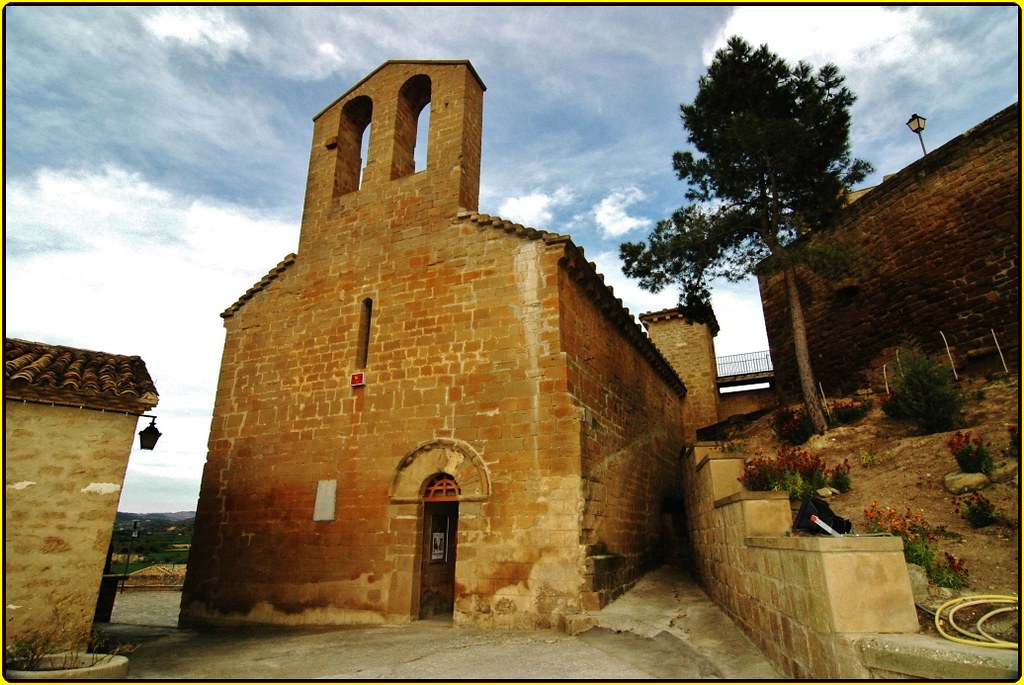
Castiliscar remains what it has long been: a small agricultural village, quietly going about its routines, with just enough visible history to remind you how long it has stood in this landscape.