Full Article
about Layana
Hide article Read full article
A small settlement shaped by the Ebro valley
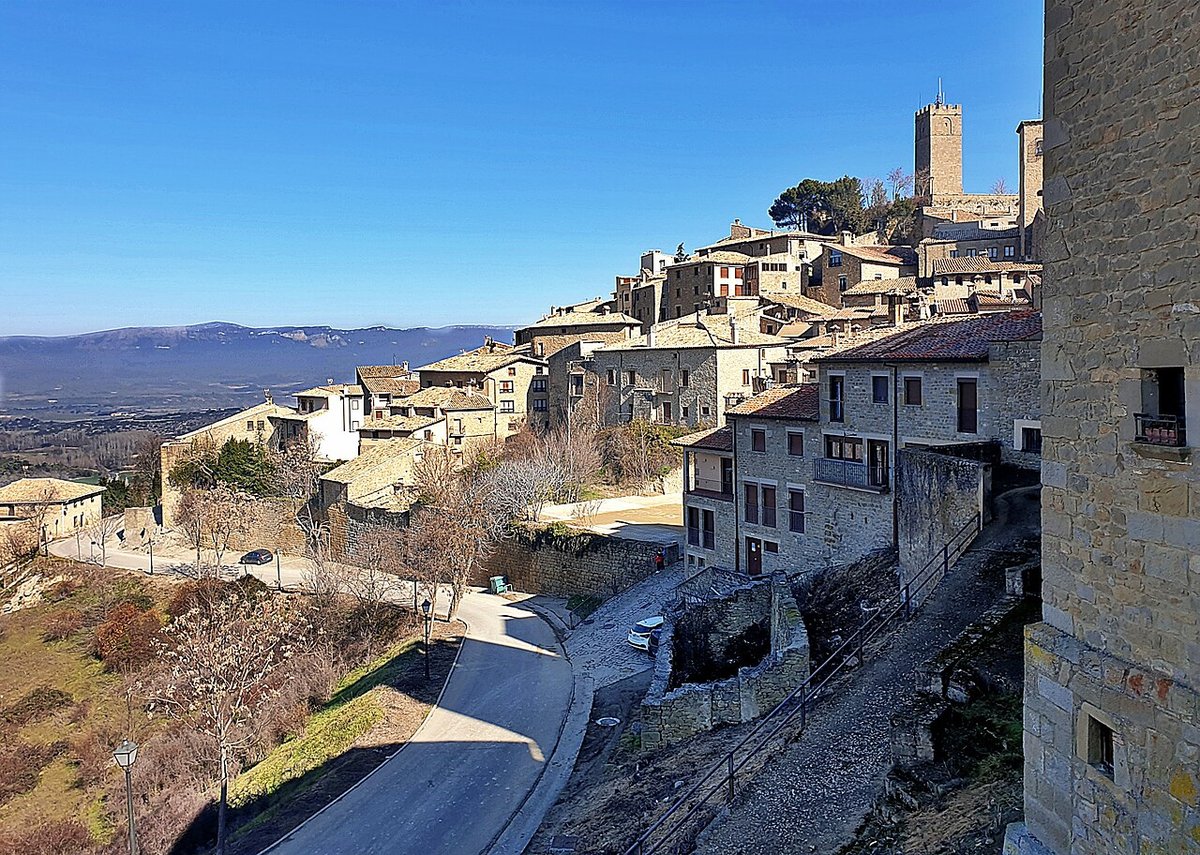
Layana, in the Cinco Villas area of Aragón, is one of those small places that helps make sense of how this part of the middle Ebro valley has been organised over time. It has fewer than a hundred residents today, and its layout still reflects the traditional agricultural settlements of the region: short streets, sandstone houses, and enclosed yards tied to farming life.
The village sits at around 486 metres above sea level, surrounded by gentle hills largely given over to cereal crops. The wind is a constant presence for much of the year, something that quickly becomes part of the atmosphere when walking through the streets or across the surrounding fields.
Between kingdoms in the Cinco Villas
Layana belongs to a wider territory that, during the Middle Ages, formed a frontier between the Christian kingdoms to the north and lands of the Ebro valley still under Muslim control. This border condition shaped the area for centuries, with small rural settlements like Layana depending on larger nearby towns.
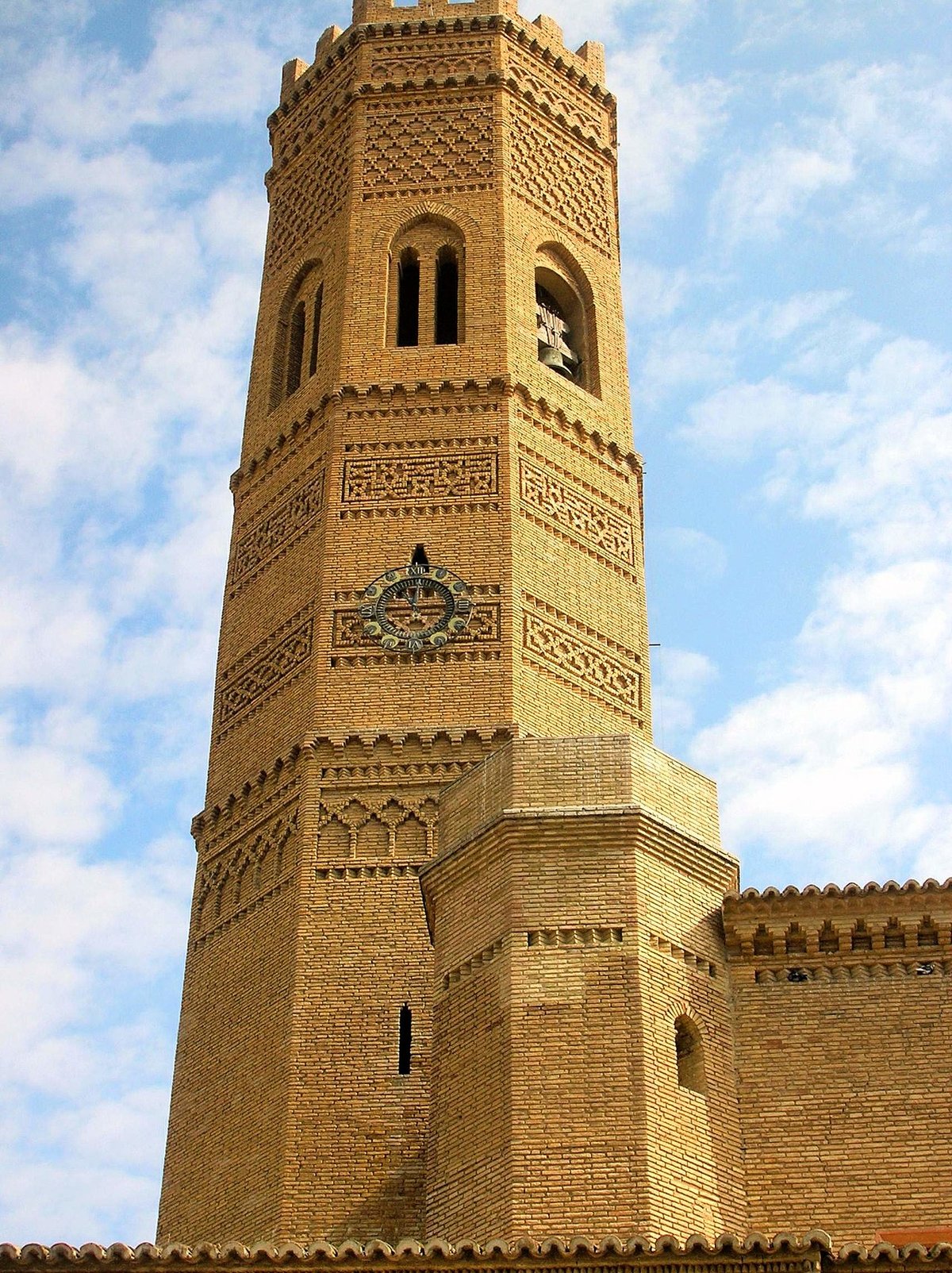
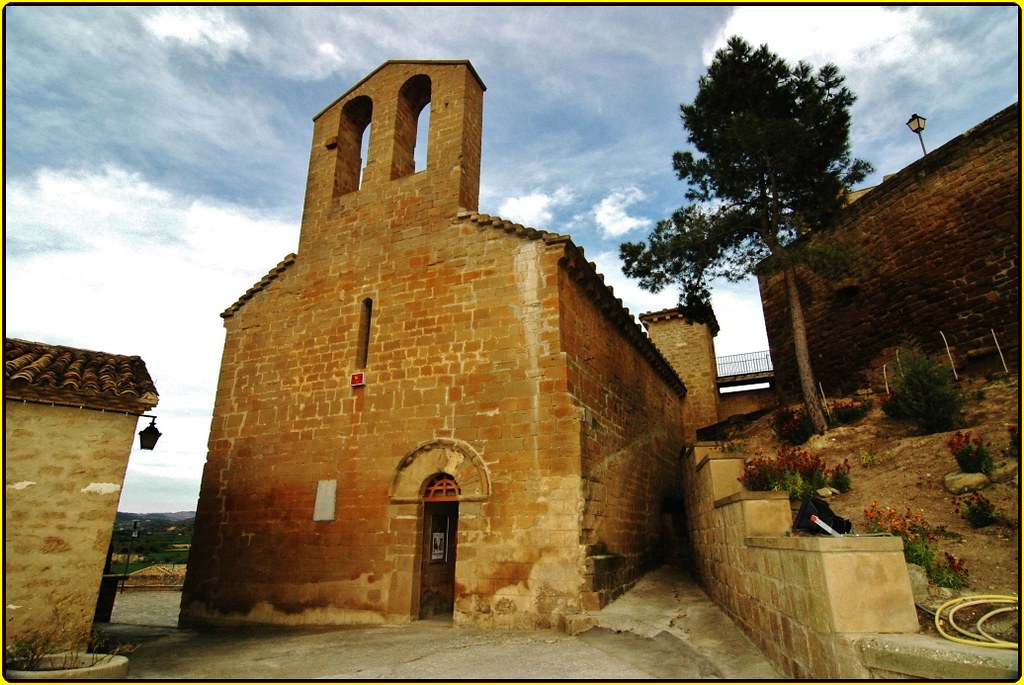
The parish church of San Miguel Arcángel occupies the most visible point in the village. The current building stands on a 16th-century structure, later altered by various modifications. It is not an imposing monument, but it works as a visual anchor. Its tower appears unexpectedly as streets turn and narrow, helping visitors find their way through a compact urban layout.
Everyday architecture and village life
Most of Layana’s houses follow the model of the traditional Aragonese farmhouse. They are solid, restrained buildings, constructed from local stone with little in the way of decoration. Even so, a slower walk reveals small details that break the uniformity: carved stone coats of arms on some façades, iron grilles over low windows, and wide doorways designed for carts.
The village square gathers a handful of arcaded buildings, a reminder of its earlier role as a meeting place and occasional market. These covered spaces would once have offered shelter for trade and social life. Today, the pace is much quieter. The square functions more as a place where neighbours meet than as a commercial centre.
Los Bañales: Roman remains nearby
A short distance from the village lies one of the most notable archaeological sites in the Cinco Villas: Los Bañales. Here, the remains of a Roman city have been preserved, active between the 1st century BC and the 3rd century AD. The site includes hydraulic structures, baths, and parts of the urban layout.
The most visible feature is a surviving stretch of aqueduct standing in the open countryside. It is not monumental in the way of larger Roman constructions, but it clearly shows how water was brought into the settlement. The closeness of Los Bañales to Layana helps explain why people have lived in this area for so long.
Fields, paths and changing seasons
The landscape around Layana is typical of the Cinco Villas: wide cereal fields, shallow ravines, and patches of low woodland with scattered holm oaks and Portuguese oaks. From the paths leading out of the village, there are broad views across this agricultural mosaic, which shifts noticeably with the seasons.
These routes are simple and accessible, closer to a gentle walk than a hike. Many follow old agricultural tracks that once linked Layana with neighbouring villages, offering a sense of how movement through the area worked before modern roads.
Festivities and the rhythm of the year
The main celebrations in Layana are dedicated to San Miguel Arcángel. As in many small municipalities in the area, these days concentrate much of the year’s activity and bring back residents who now live elsewhere, returning to spend time with family.
During the summer, local associations usually organise gatherings and events. This seasonal increase in activity is typical of villages with small populations, where the warmer months bring a noticeable change in rhythm.
Before you go
Layana is small and can be explored in a short time. The village itself can be seen in about an hour, which can be combined with a visit to Los Bañales and a walk along the surrounding paths.
It is worth bearing in mind that services within the village are limited. Many everyday needs are handled in nearby towns within the Cinco Villas. Windy days, which are common in the area, can shorten a stroll through the streets, so Layana often works best as part of a wider route through the region.