Full Article
about Longas
Hide article Read full article
A village where scale shapes everything
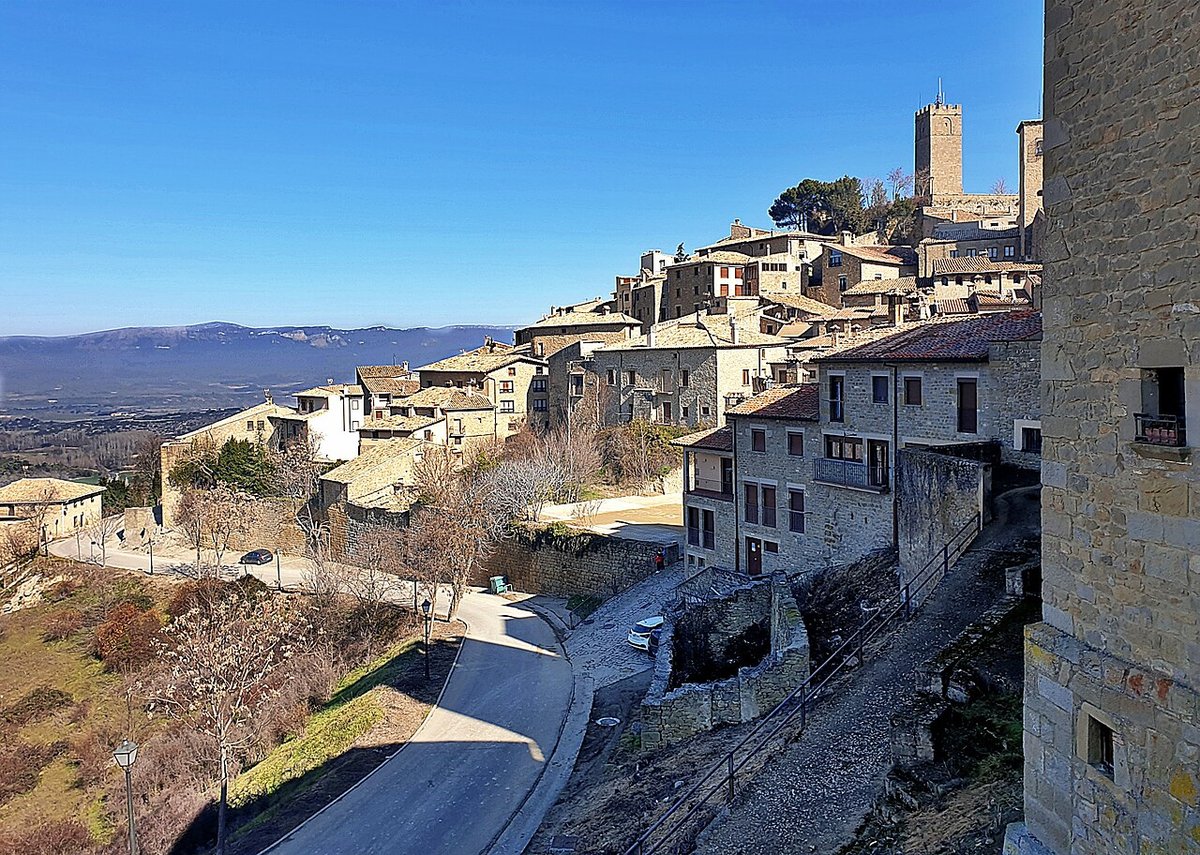
Longás sits in the Cinco Villas area of Aragón, and its size defines it. Around 45 people live here. Silence is not a poetic idea but the normal state of things. Streets are short, houses are built of stone with thick walls and traditional clay roof tiles, and there is a practical feel to the place. It was built to be lived in, not to impress.
There is no grand square or single landmark that dominates. What matters is the whole. A short walk reveals wooden gates marked by time, hand-forged iron grilles, and the occasional sagging doorway that leads into old yards or former workshops. Small details, but they say a lot about how the village has worked over generations.
The landscape around Longás
The land around Longás is dry and open. Cereal fields change with the months: green in spring, a strong yellow as the heat arrives, then a muted tone after the harvest.
Near the village there are several low hills that give a clear view of the area. They are not formal viewpoints, simply higher ground. Climb a little and the landscape opens up. It becomes easier to understand how life is organised here: scattered farming, dirt tracks linking plots, and a good deal of space between one thing and the next.
It is the kind of place where the horizon feels larger than expected.
The church and the village core
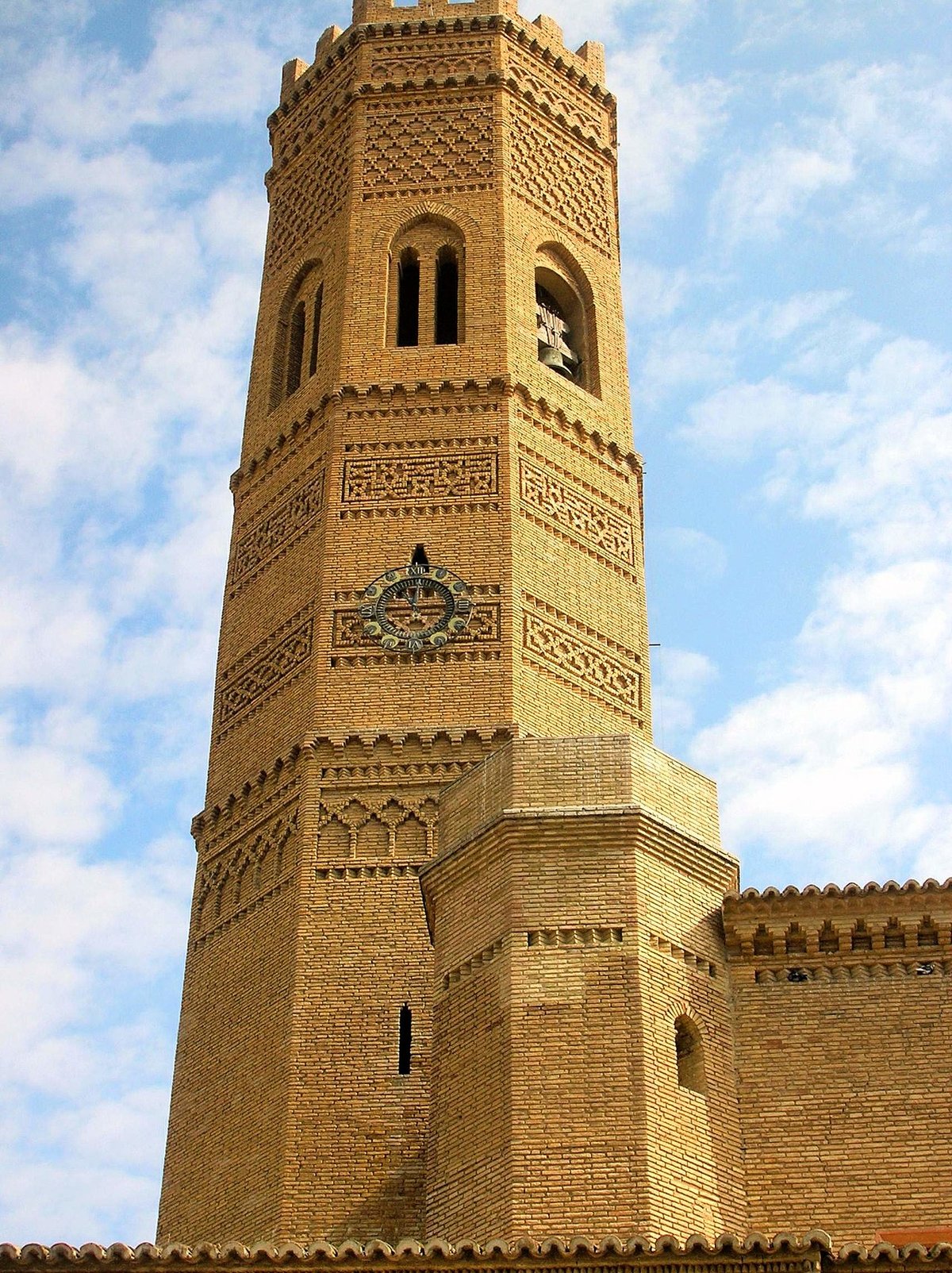
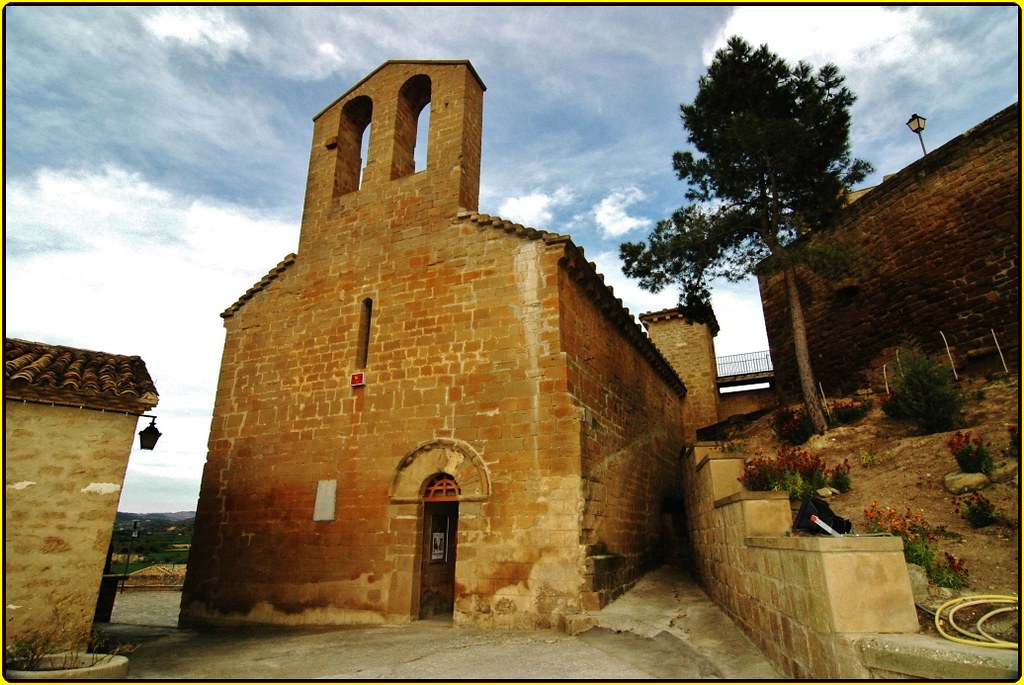
The parish church, dedicated to San Bartolomé, is the most recognisable building. Its origins are medieval, though it has been altered over time. From the outside, the brick tower stands out above the roofs and is visible as you approach by road.
Inside, there is little ornament. Simple arches, exposed stone, and the quiet typical of churches in very small villages, where daily activity is no longer what it once was.
Much of the village is arranged around the church. Narrow streets, a few short slopes, and houses set close together. In winter it is likely a tough place: small windows, thick walls, everything designed to keep out the cold.
Walking the surrounding paths
Several rural tracks leave Longás and connect it with other villages in the comarca, such as Sádaba and Uncastillo. Many of these routes are old, created for work rather than leisure.
Some sections still have stone underfoot, others are simple dirt tracks. Anyone who enjoys walking without much signage or infrastructure will find plenty of ground to cover. It is worth taking a map or GPS, as it is not always clear where each path begins or ends.
Food and everyday life
Cooking here follows the logic of the countryside: filling dishes made from local produce. Migas, seasonal vegetables, and cured meats prepared in the traditional way during the pig slaughtering season. It is not a complicated cuisine, but it is satisfying after a day on foot.
In a village this small, much of this remains tied to family life rather than anything designed for visitors.
When to go and how to reach it
From spring to autumn the landscape has more movement and the paths are easier to enjoy. Winter can be cold and windy, which is typical of this part of Aragón.
It is also not a place for a full day of structured plans. Longás can be seen quickly. It works better as a quiet stop within a wider route through the Cinco Villas, somewhere to stretch your legs, look around, and get a sense of how villages operate away from the busier routes.
From Zaragoza, the journey takes roughly an hour and a bit by car, depending on the route. Head northwest first, then link up with regional roads as you enter the Cinco Villas area. The final stretch is along calmer roads, with open fields on either side. Longás appears without much warning: a cluster of stone houses and, above them, the church tower marking the spot. It is exactly what it seems. A small village, moving at its own pace. Sometimes that is enough.