Full Article
about Marracos
Hide article Read full article
A place that reveals itself quickly
There are places where you stop the car and within minutes you understand how everything works. That is exactly what happens with tourism in Marracos. You arrive, walk around the village once or twice, and it becomes clear that nobody is in a hurry here. With fewer than a hundred residents in the Cinco Villas comarca, Marracos moves at its own steady rhythm.
There are no headline monuments or landmarks that dominate guidebooks. What you find instead is everyday village life. Short streets, houses built from brick and masonry that have stood through more winters than anyone can count, and a kind of silence that only appears when the countryside matters more than the clock.
A village you can cross in minutes
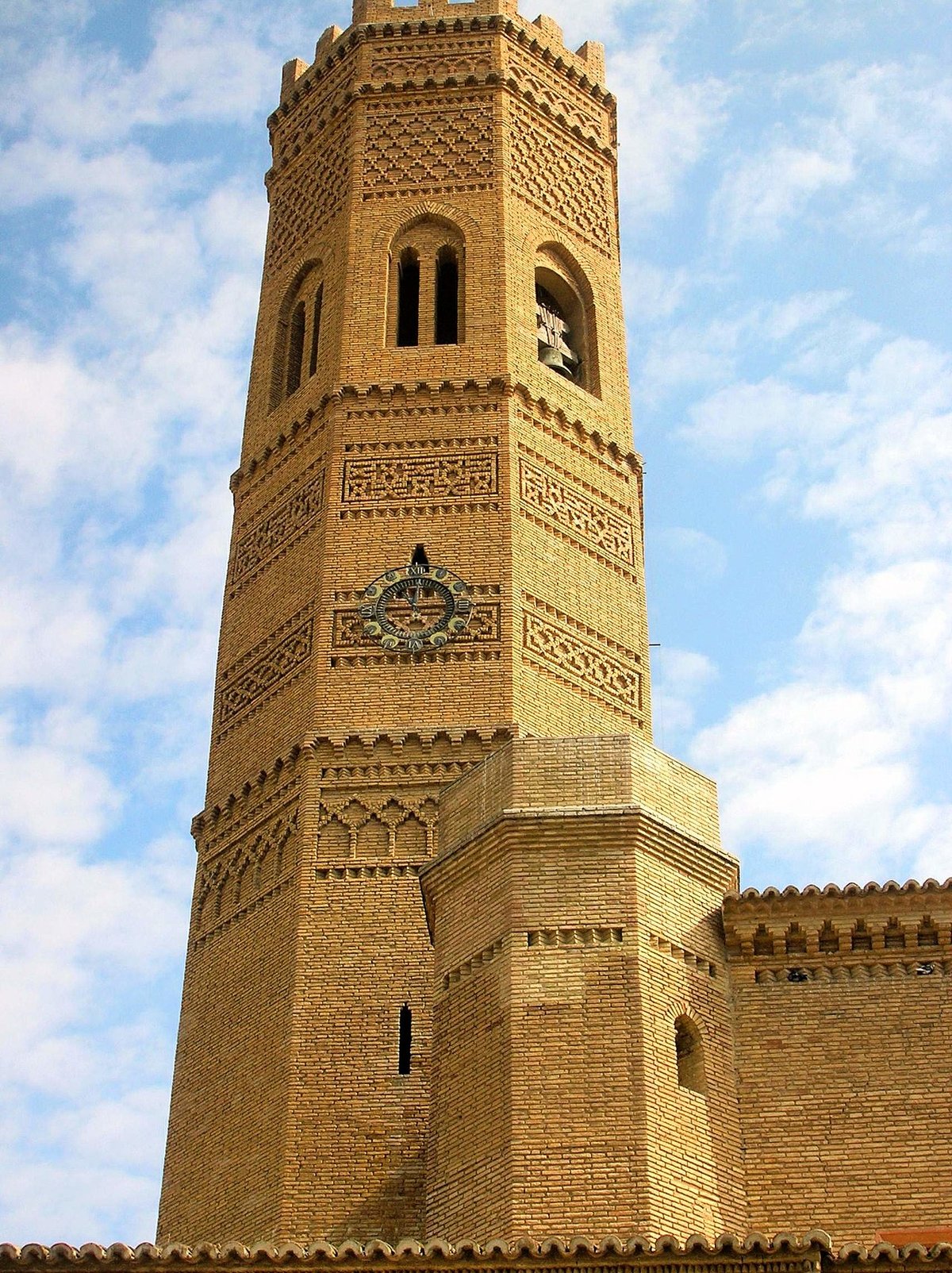
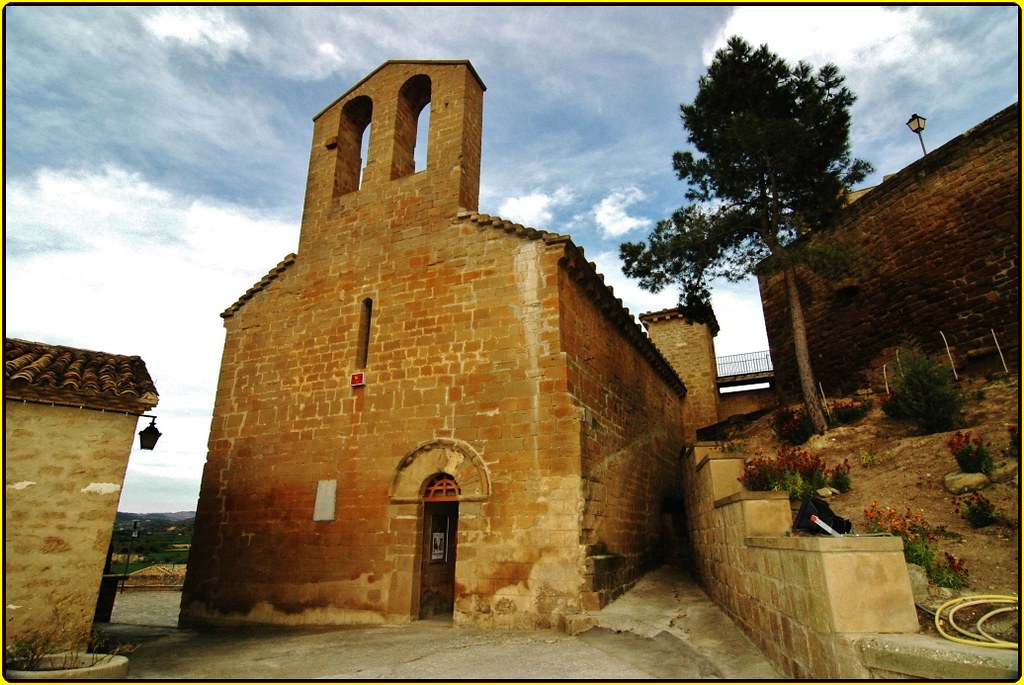
Marracos sits in a largely flat area of Cinco Villas, a region in northern Aragón. The village centre is compact, the kind you can walk across without really noticing. At its heart stands the parish church, simple in style, built with the familiar mix of brick and stone seen throughout this part of Aragón.
This is not a monumental setting. Attention naturally shifts to small details: a bench pressed against a sunlit wall in the late afternoon, a heavily worn wooden door, agricultural buildings on the edge of the village. These elements say more about daily life here than any information panel could.
The cereal landscape that sets the tempo
What defines Marracos most clearly is its surroundings. Fields of cereal crops stretch as far as the eye can see. In spring the landscape turns soft and green, while early summer brings the gradual shift to gold that signals harvest time across Aragón.
It is not dramatic in the sense of mountains or gorges. The interest lies elsewhere. At first glance the plain can seem almost too simple, but staying a little longer reveals constant changes. Light moves across the fields, wind ripples through the grain, and tractors work steadily in the distance.
This is a landscape that rewards patience. It does not demand attention, but it offers it quietly.
Walking paths without complication
Several agricultural tracks lead out from Marracos, used by locals to move between fields. Many of them can be followed on foot without difficulty.
There are no marked trails or long-distance routes to plan around. The idea here is simpler: leave the village, walk for a while among the fields, and then return. It is the sort of walk suited to unhurried conversation, or to stopping now and then when the light becomes interesting enough for a photograph.
Sunrise and sunset bring noticeable changes. The low light across this flat terrain has a distinct quality, particularly when the fields are green or freshly cut.
Birds of the open steppe
With a bit of patience, it is possible to spot birdlife typical of the Aragonese steppe. In the surrounding fields, depending on the season, it is relatively common to see species such as the great bustard or the stone-curlew, along with others that thrive in open farmland.
No specialist knowledge or professional equipment is required. Often it is enough to pause, stay quiet for a moment, and look out across the fields.
Eating in the local tradition
The cooking in this part of Aragón centres on familiar ingredients. Lamb is a staple, along with game when the season allows, and vegetables from local gardens. The dishes are straightforward and filling, the kind that reflect a practical way of living.
In a village as small as Marracos, there is not always somewhere to sit down for a meal. For that reason, many visitors choose to stop in nearby towns within the comarca. Even so, the foundations of the cuisine remain the same as in many homes across Cinco Villas.
Festivities with a local feel
The festive calendar follows the pattern seen in many small villages in the area. Patron saint celebrations usually take place in summer, when people with family roots here return.
These gatherings include religious events, shared meals and long stretches of conversation outdoors. There are no large stages or packed programmes. The atmosphere is that of a community coming together in good weather.
Getting there
The simplest way to reach Marracos is from Zaragoza, heading towards the Cinco Villas comarca. The final part of the journey follows secondary roads that pass through farmland and small settlements.
The route is not especially complicated, though it is worth checking a map before setting off, as junctions between villages are frequent in this area.
Slowing down, even briefly
Marracos does not try to impress. For anyone arriving in search of major sights, it may feel too quiet.
Yet for those drawn to places where daily life is easy to grasp, it makes sense to stop for a while. The surrounding fields, the silence, the short walks. Sometimes that is all that is needed.