Full Article
about Orés
Hide article Read full article
Orés, a village you can walk in minutes
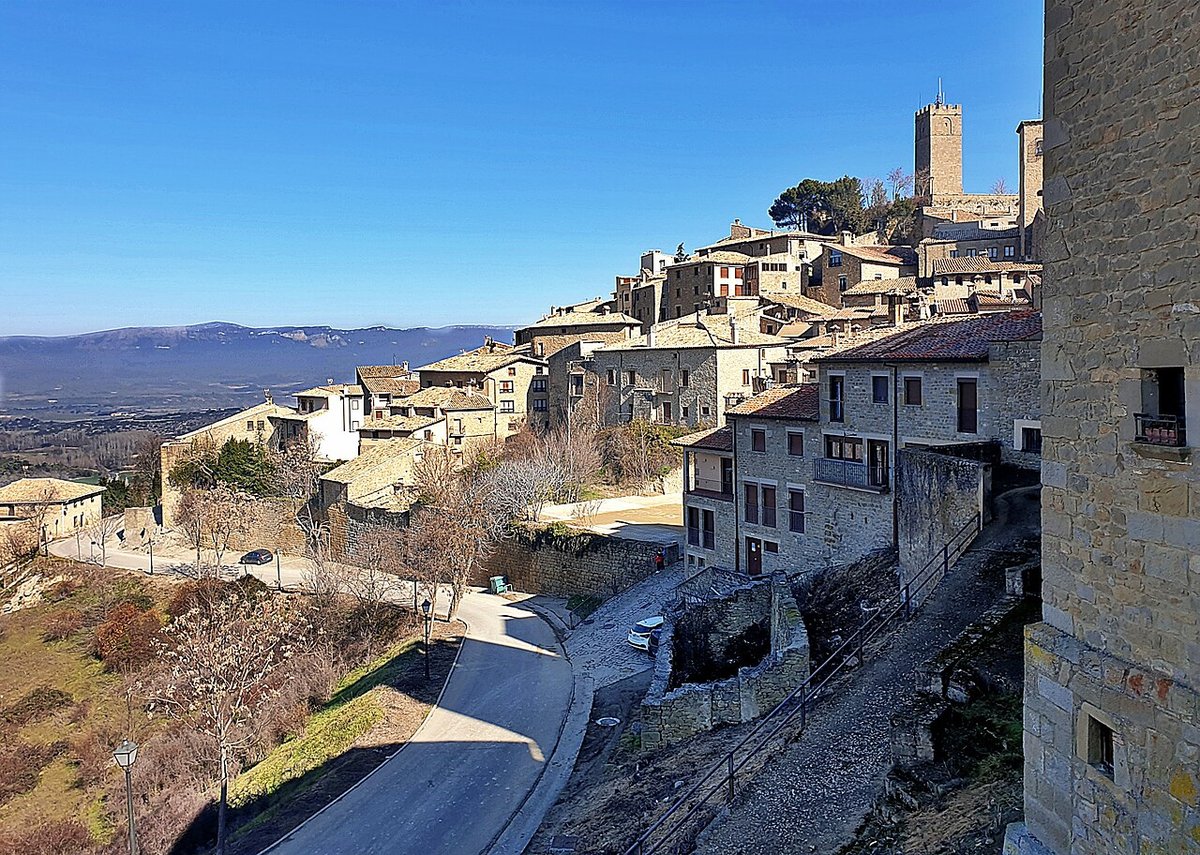
Park in the main square if there's space. There usually is, unless it's a weekend or a local festivity. Leave the car. You won't need it again until you leave. The entire village is ten minutes on foot. Streets are short, with gentle slopes and some uneven cobbles.
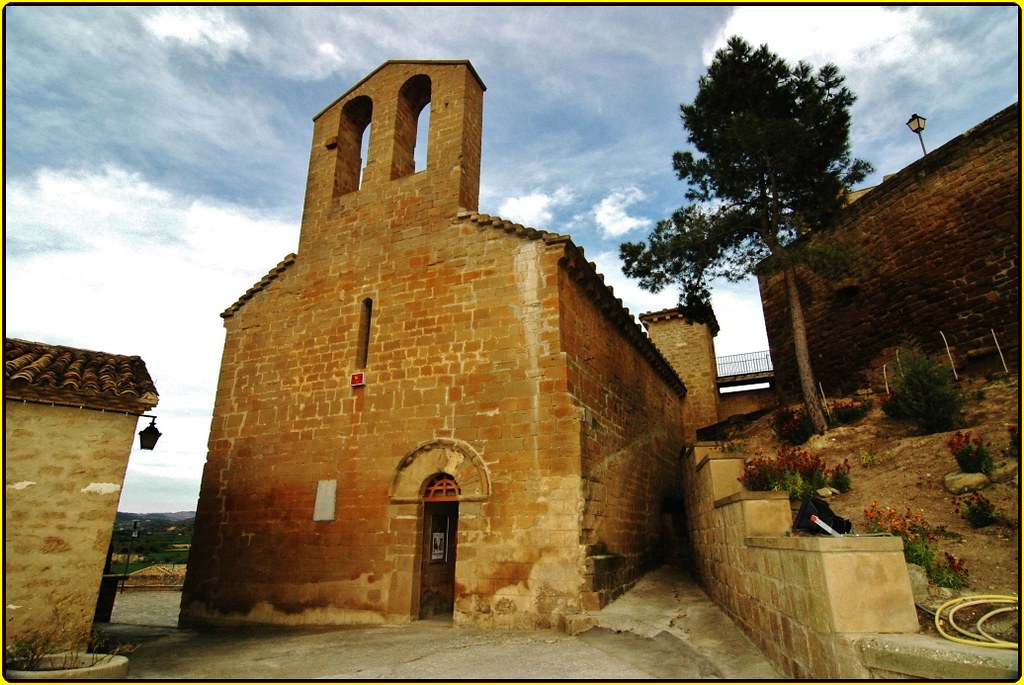
The church of San Andrés sits at the top. It's small. You can see where stonework was added or repaired across different centuries.
That's about it for sights. Don't expect a checklist.
Houses built for dry land
Construction here uses what was nearby: stone and brick. Look for the wooden porches and wide eaves on older houses—they're for shade. Many homes turn inward to courtyards, a practical design for hot, dry summers.
There’s no ornamentation. These buildings were made for work and weather.
With about seventy people living here year-round, weekdays are silent. You might not see anyone outside. It changes when former residents return to visit family; you'll hear more voices then.
Tracks, fields, and a distant line of mountains
Walk out of the village in any direction and you hit agricultural tracks. They’re not hiking trails; they’re dirt roads between cereal fields, patches of vineyard, and scrub oak.
Have a map or GPS ready if you plan to walk any distance. It’s easy to loop back on yourself between identical-looking plots.
On clear days, look north. A faint grey line sits on the horizon—the Pyrenees. It’s not signposted; you just see it when the air is dry.
The local roads see almost no cars. Cyclists use them to connect towns like Sádaba and Uncastillo over rolling terrain without steep climbs.
Watch for kestrels hovering over the fields. They’re common here.
Rhythm of a quiet year
For most of the year, nothing happens here. The pace shifts during the fiestas in July: mass in the morning, drinks in the plaza later. A smaller echo of that return happens around Christmas. Then it goes quiet again.
How to get there and what to know
From Zaragoza, take the A-23 north and exit toward Sádaba. The last stretch is local roads through dry farmland. Spring and autumn are best if you want to walk; summer sun is intense with no shade on those tracks. There’s no hotel here. Plan to stay elsewhere—Sádaba or Uncastillo have options—and drive over for an hour or two. Come early or late for softer light. Walk the village first. Then pick a track and head out into the fields. That’s what this place is: quiet streets leading straight into open country