Full Article
about Tauste
Hide article Read full article
Arriving across a sea of wheat
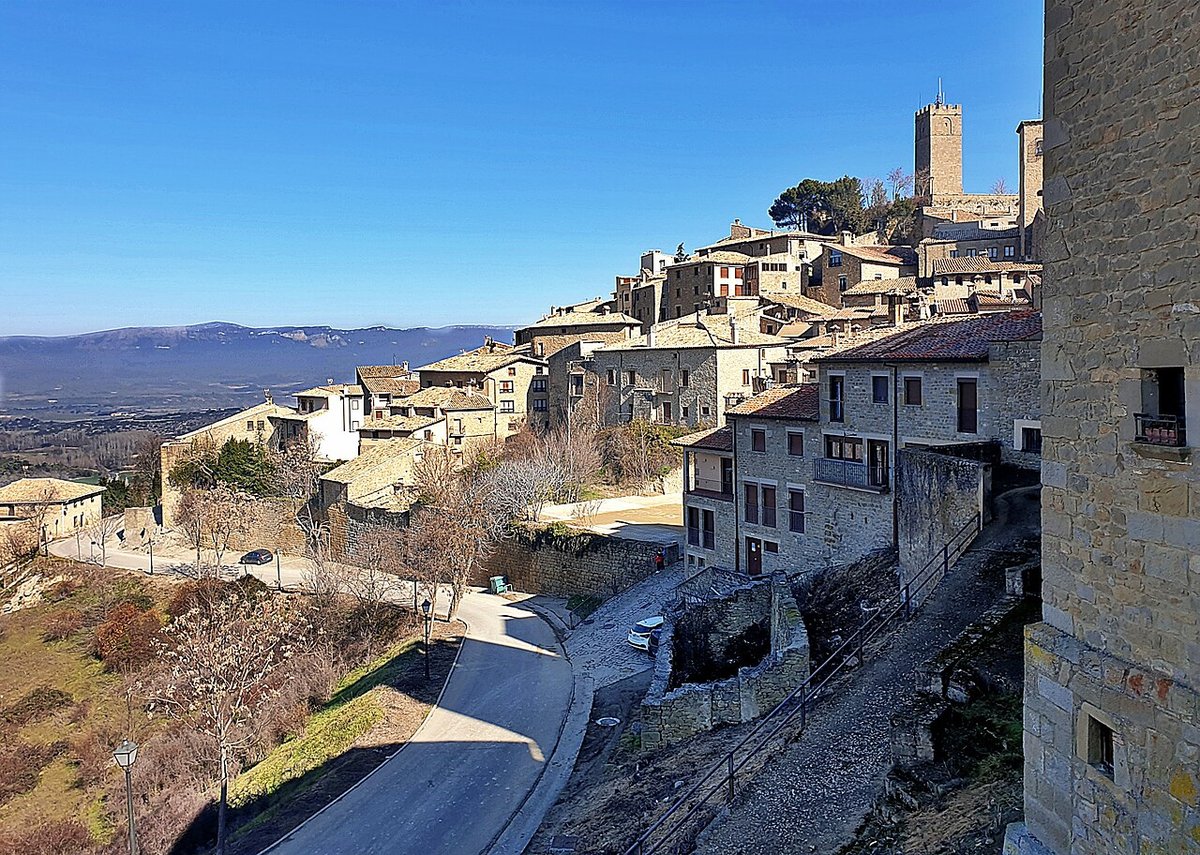
There is a moment just after leaving the A‑68 when the surroundings feel slightly off, as if the sat nav has taken a wrong turn. About 45 kilometres from Zaragoza, the road opens into a wide sweep of wheat fields that move under the cierzo, the dry wind of the Ebro valley, with a rhythm that can resemble the sea. In the middle of that expanse sits Tauste, a town of roughly seven thousand people, marked from afar by a tall tower that rises well above everything else.
The setting defines the place as much as its streets do. This is not a compact historic centre tucked into hills. It is a settlement planted in open land, where the horizon stretches and the wind has room to move.
The tower that began as a mosque
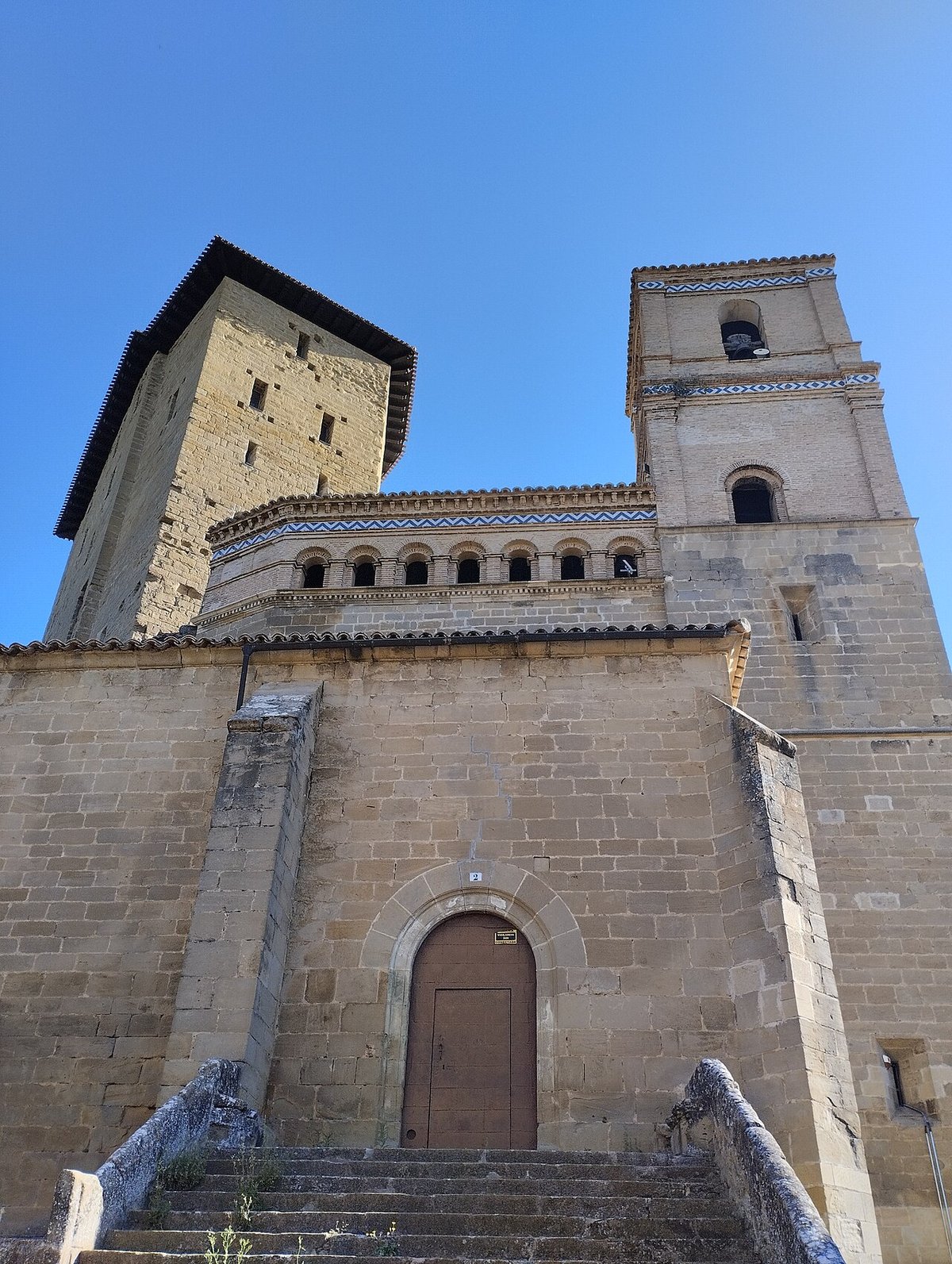
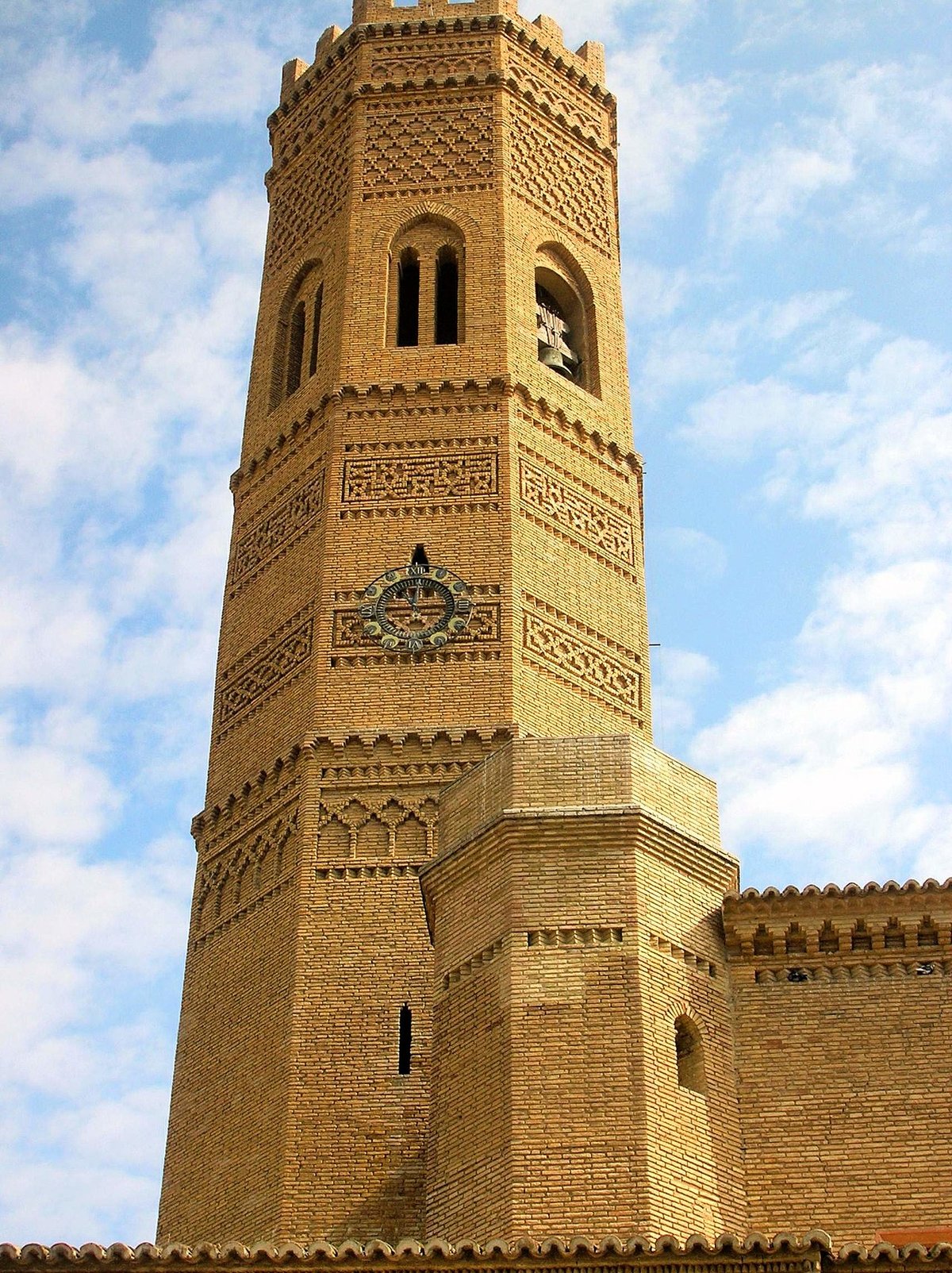
The tower of Santa María does not quite match expectations at first glance. More than forty metres of Mudejar brickwork, it began life as a minaret during the Islamic period and was later adapted into a Christian bell tower. That layered past is still visible. The structure looks as though it was placed here for a different purpose and then gradually reshaped over time.
Access to the top involves a climb of nearly 200 steps. The final section narrows into a tight spiral staircase. The cierzo finds its way through gaps in the brick, so the ascent comes with a steady rush of air that makes its presence known.
From the top, the layout of Tauste becomes clear. Irrigated fields form green geometric patches, the town gathers tightly around the church, and beyond that lies an open landscape that stretches towards Navarra. The climb leaves its mark on the legs, but the view explains the effort.
A canal that keeps working
The Canal de Tauste belongs to a category of infrastructure that continues its job without drawing much attention. Construction began in the Middle Ages, in the 13th century, and it still carries water to nearby farmland.
The canal is easy to reach on foot. A simple, mostly flat path runs alongside it, following the steady sound of water, especially near the azud, the small dam that regulates the flow. Along the way, daily life unfolds without ceremony. Fields are irrigated, crops are tended, and the canal remains part of that routine.
The system has been organised for centuries through its own community of irrigators. Water here has long been governed by shared rules and agreements, shaped by necessity and continuity. That idea captures much of the history of the area: resources managed collectively, adapted over time, and still in use.
A cemetery beneath the streets
Construction work in the urban centre led to an unexpected discovery a few years ago. Islamic burials began to appear beneath the surface. What started as a small number of graves quickly expanded into many more. The site turned out to be one of the largest documented Andalusi necropolises in Aragón, with hundreds of tombs.
The area is now protected by a structure that from the outside resembles a metal greenhouse. Inside, the burials remain visible in their original positions, aligned according to Muslim funerary practice.
It does not require a deep interest in archaeology to pause here. The impact comes from the contrast between present and past. Streets used every day sit above a preserved layer of history that had remained hidden for centuries.
Eating like the locals
Choosing where to eat in Tauste follows a simple pattern. The main square has terraces that benefit from their location, and they tend to attract passing visitors. A short walk towards the town hall or along nearby streets often leads to more everyday places, where tables are filled with local residents.
That is where dishes such as ternasco, Aragón’s lamb, or borrajas, a vegetable widely cooked in this region, are more likely to appear in a straightforward way. The food does not aim to impress through complexity. It reflects home cooking, the kind associated with a relaxed Sunday meal.
A pilgrimage that empties the town
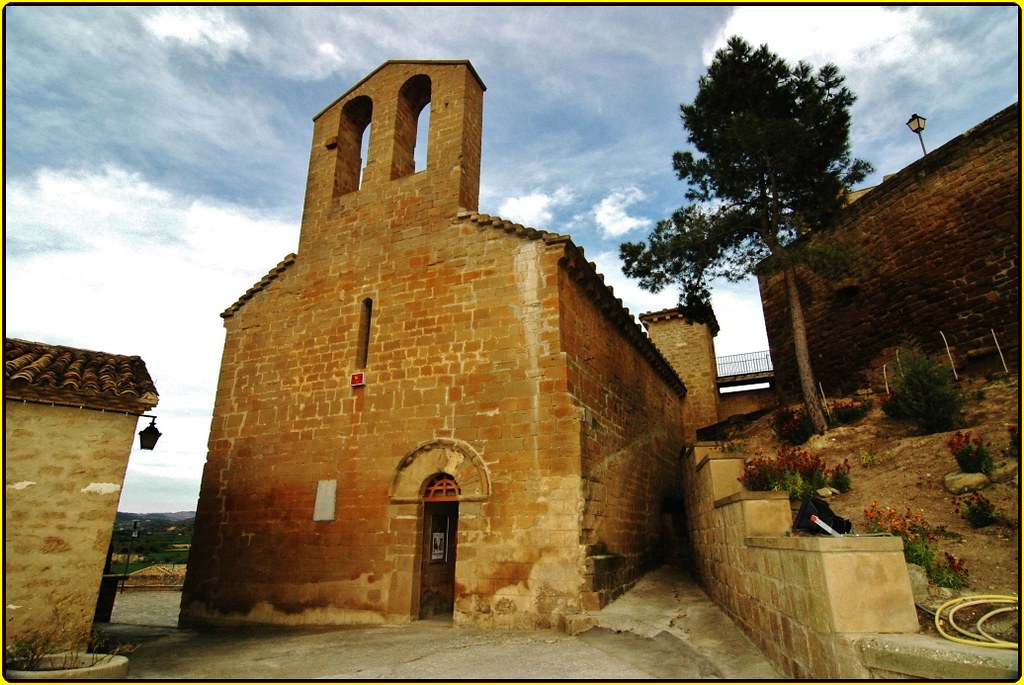
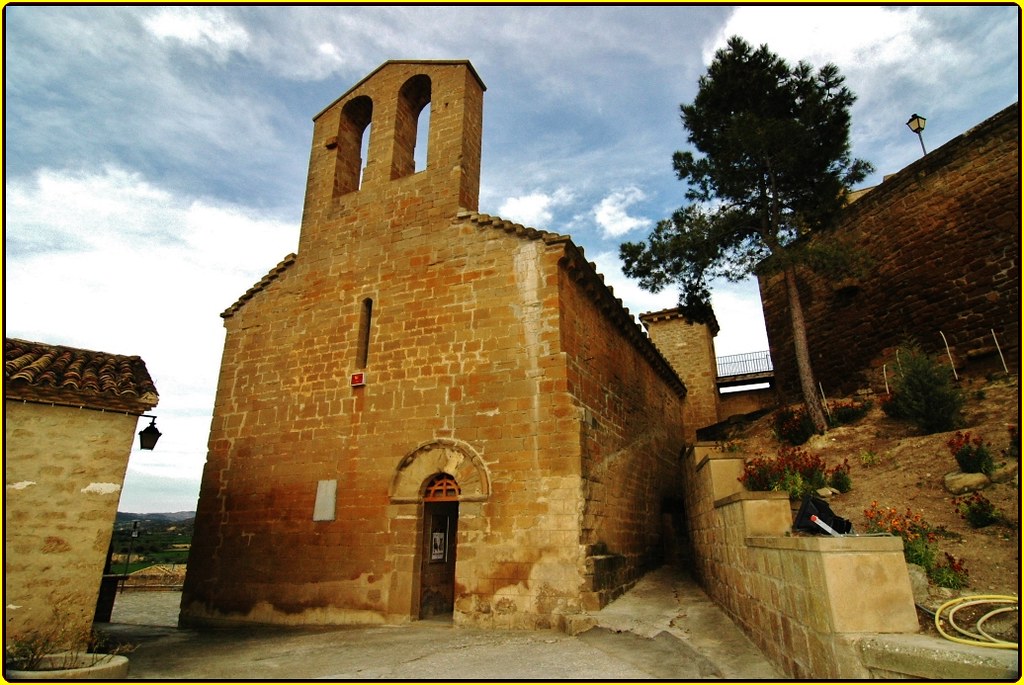
At Pentecost, Tauste holds a romería to the hermitage of the Virgen de Sancho Abarca, the town’s patron saint. On that day, much of the population heads out of the urban area towards the countryside. People make the journey on foot, by bicycle, by car, and occasionally by tractor.
The hermitage stands several kilometres away, so the practical side of getting there comes into play, especially for those arriving by car. The atmosphere centres on movement and gathering rather than a single fixed point in town. For a day, Tauste shifts its focus outward.
What to expect from Tauste
Tauste does not match the image some travellers might have in mind when thinking of small towns in Spain. Narrow lanes and balconies full of flowers are not its defining features.
The character here is more direct. Mudejar brick architecture, wide agricultural land, and the constant presence of the wind shape the experience. History appears in unexpected places, from a tower that once served as a minaret to an اسلامی cemetery beneath modern streets.
A short visit can give a clear sense of the town. Arriving in the morning, climbing the tower if access is available, walking out to the canal, and stopping for a meal where locals gather offers a rounded impression within a few hours.
Before leaving, it is worth turning back for one last look from the road. The tower remains visible above the town, standing against the same landscape it has overlooked for centuries.