Full Article
about Cuarte de Huerva
Hide article Read full article
A town that grew faster than expected
There is a detail about Cuarte de Huerva that rarely gets mentioned: its population has surged in a very short time. In just over a decade, the number of residents multiplied several times. Picture a familiar neighbourhood suddenly filling up with new neighbours almost overnight. That is close to what happened here.
This growth has little to do with tourism or any dramatic discovery. The explanation is much simpler. Many people have chosen Cuarte as a way to live near Zaragoza without paying the higher costs of living inside the city itself. The result is a place that has expanded quickly and continues to adjust to that change.
Between village and city
Cuarte sits around six kilometres from Zaragoza. In Aragón, that distance feels minimal, almost as if it were part of the same urban stretch. That proximity raises a question often heard locally: is this a village, or just a residential extension of Zaragoza? The answer falls somewhere in between.
Some residents treat it as a base, arriving late and leaving early. Others live their daily lives here, working locally, walking along the Huerva on Sundays or greeting neighbours they know by name. Both realities coexist.
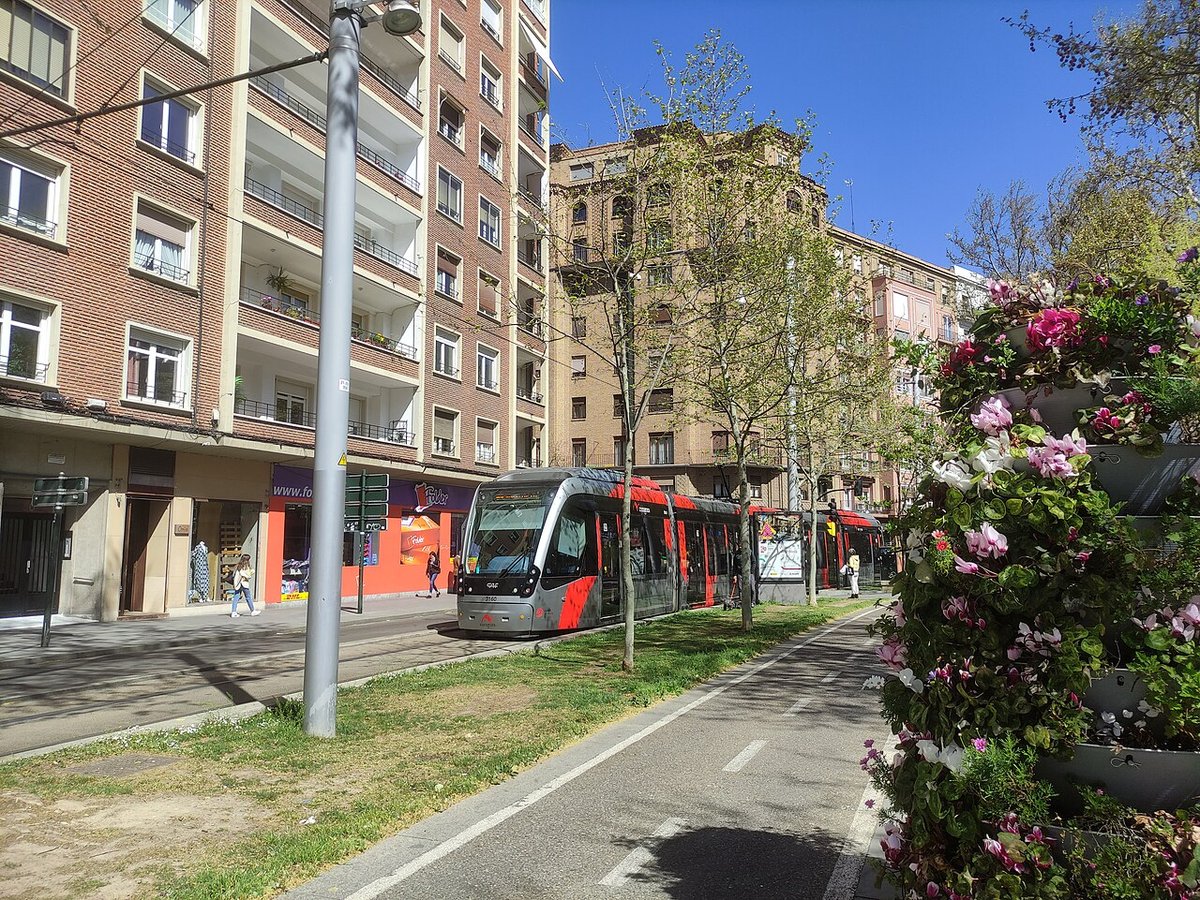
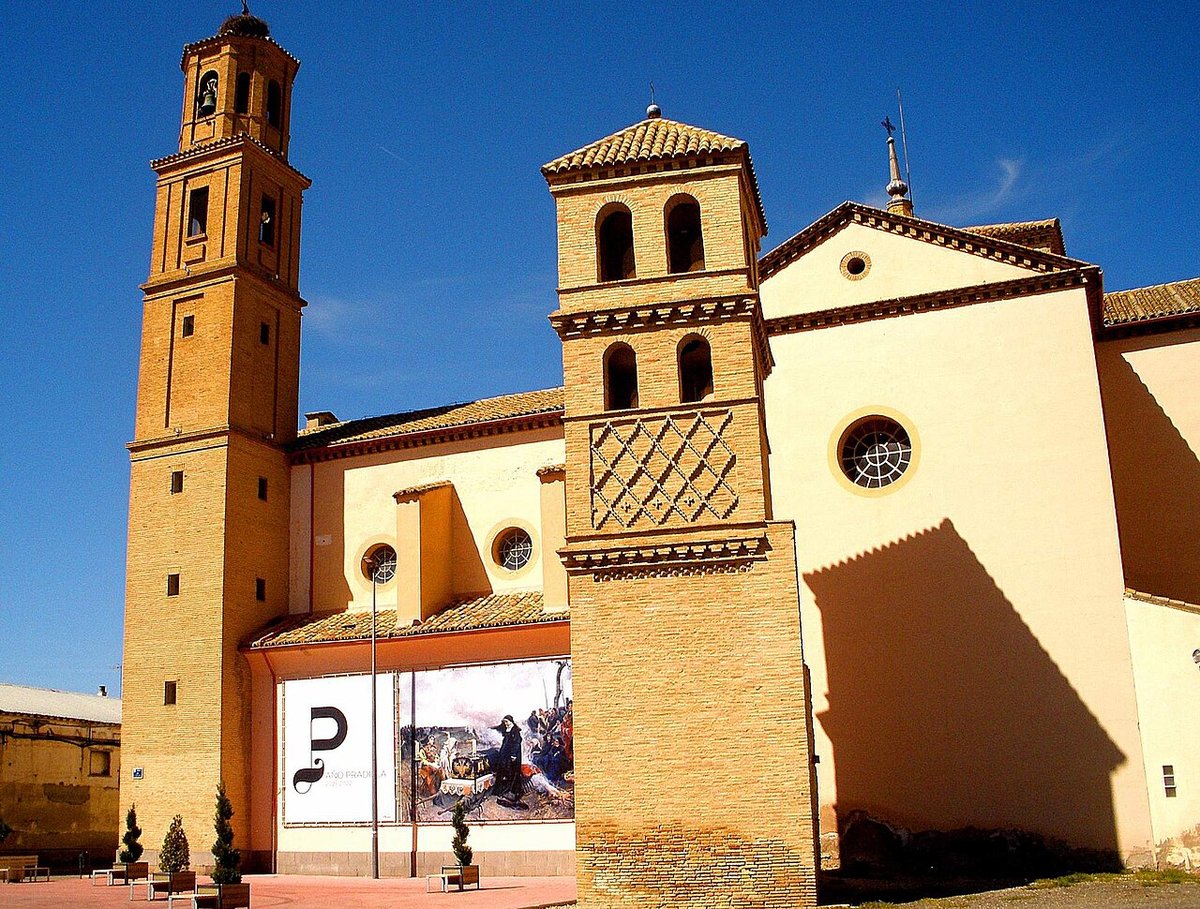
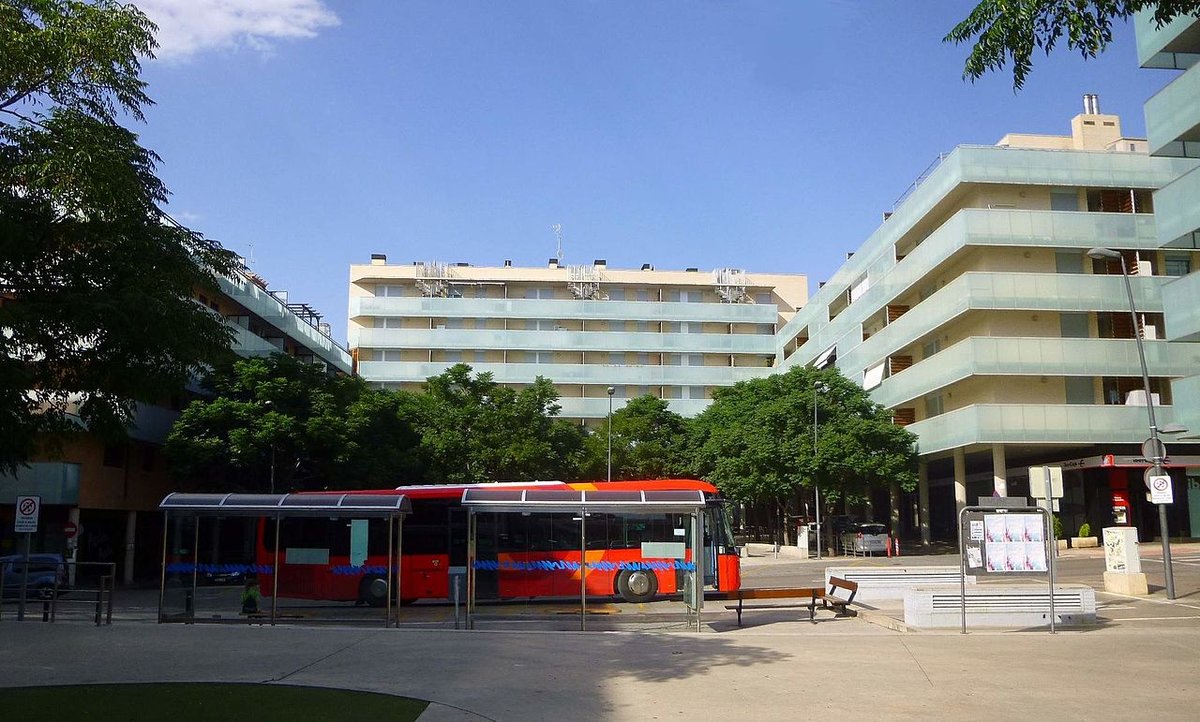
First impressions can be misleading. Anyone expecting a compact historic centre may be surprised by wide avenues, roundabouts and large commercial areas. Yet a closer look reveals older layers. The castle of Muslim origin, built around the 10th century, remains as a reminder that this place has been inhabited for centuries. On the outskirts, the monastery of Santa Fe changes the tone completely. It is a large Baroque complex set in a fairly flat landscape, an unexpected presence that stands apart from the newer urban surroundings.
Reading between the statistics
Cuarte de Huerva is sometimes listed among the municipalities with the highest average income in Aragón. That might suggest a place of uniformly high earners, but statistics rarely tell the whole story.
Some companies have their fiscal headquarters here, and there are residents with high salaries. At the same time, many families moved in search of more affordable housing than Zaragoza offers. The outcome is a mix that feels fairly ordinary: new houses, recent apartment blocks and long-time residents sharing the same space.
Economic activity is easy to notice. The industrial estates host hundreds of businesses, ranging from logistics operations to small workshops. By late afternoon, the rhythm of daily life becomes visible. Traffic increases, people return from work and terraces fill up when the weather is good.
It is not the kind of village where everyone knows everyone else, yet it is easy to start recognising familiar faces in the park, along the walking paths or at the bakery. That repetition creates a quiet sense of continuity in a place that has changed quickly.
Festivities with a different rhythm
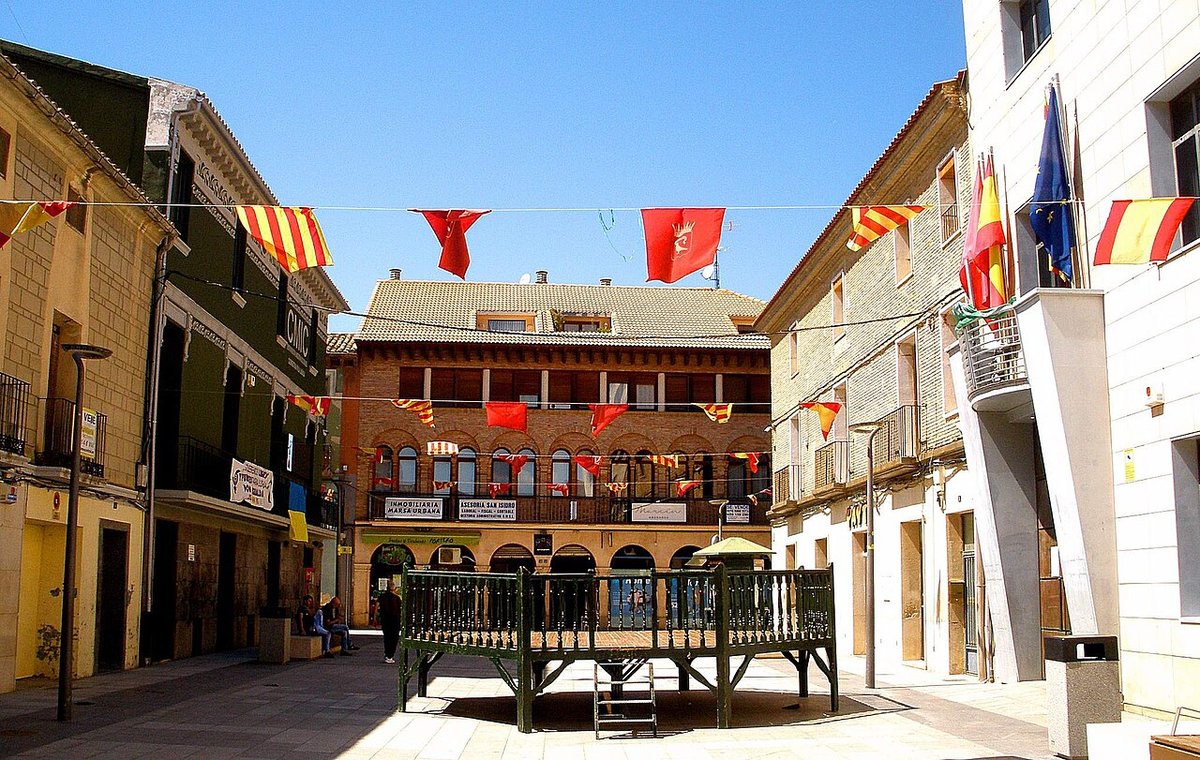
The calendar brings moments when Cuarte shifts its pace. The fiestas of Santa Ana, held at the end of July, are one of those times. Many residents who live elsewhere return, and the town feels fuller than usual.
The atmosphere combines tradition with more current forms of celebration. Long-standing events still take place, alongside concerts, food stalls and bars where people stay chatting late into the night. Anyone used to older-style village festivities might find the contrast noticeable.
Later in the year come the fiestas of the Rosario, in October. These are quieter and more local in character. Activities often include shared meals, gatherings of local groups and plans aimed at families. During these days, Cuarte resembles more closely what it was for a long time: an agricultural village on the edge of Zaragoza.
Walking by the Huerva
The Huerva river gives the town its name, although many people pass through Cuarte without paying it much attention. It is not a dramatic river, but rather a modest watercourse that crosses the valley at an unhurried pace.
Even so, it has its appeal. Some stretches allow for walks along the riverbank. Moving slightly away from the more built-up areas, the surroundings open into farmland and a noticeable quiet. It is the kind of silence that appears when leaving the city, even if only a short distance away.
This is not a mountain trail or a grand excursion. It suits a simple plan: a walk, a chance to stretch your legs, then back home with the feeling of having stepped away from the noise for a while.
Timing makes a difference. Spring and autumn tend to be more comfortable. Summers in the Ebro valley can be intense, while the winter wind known as the cierzo can be harsh. In April or May, the fields around Cuarte turn green, the streets feel livelier and some older residents still recall when the town consisted of little more than a handful of houses and a road.
A place shaped by everyday life
Cuarte de Huerva does not present itself as a postcard destination or a place preserved in another era. It is a municipality that has grown rapidly, closely tied to Zaragoza, where people live, work and carry on with everyday routines.
That may not fit a typical travel narrative, yet it says something more direct about the place. The mix of old structures like the castle and the monastery of Santa Fe with newer developments reflects its recent transformation. The presence of industry, residential areas and local traditions all at once gives it a character that is still settling.
Anyone arriving here with clear expectations of a historic village might need to adjust them. Cuarte is better understood as a lived-in space, shaped by proximity to a larger city and by the choices of those who have moved here. Sometimes, that tells more about a place than any slogan.