Full Article
about Mozota
Hide article Read full article
A small village shaped by the land
Tourism in Mozota begins with a simple observation: this is one of those villages near Zaragoza where agriculture still sets the pace of everyday life. Around 25 kilometres from the city and home to just over a hundred people, it remains closely tied to cereal farming and vineyards. That connection is visible both in the layout of the village and in the landscape that surrounds it.
Mozota sits on flat ground in the comarca Central, within the wide expanse of the Ebro valley. The fields stretch out with very little interruption. Seasonal changes are easy to read here. Spring brings a brief green cover, summer turns the cereal fields gold, and the vineyards appear as darker patches across the terrain.
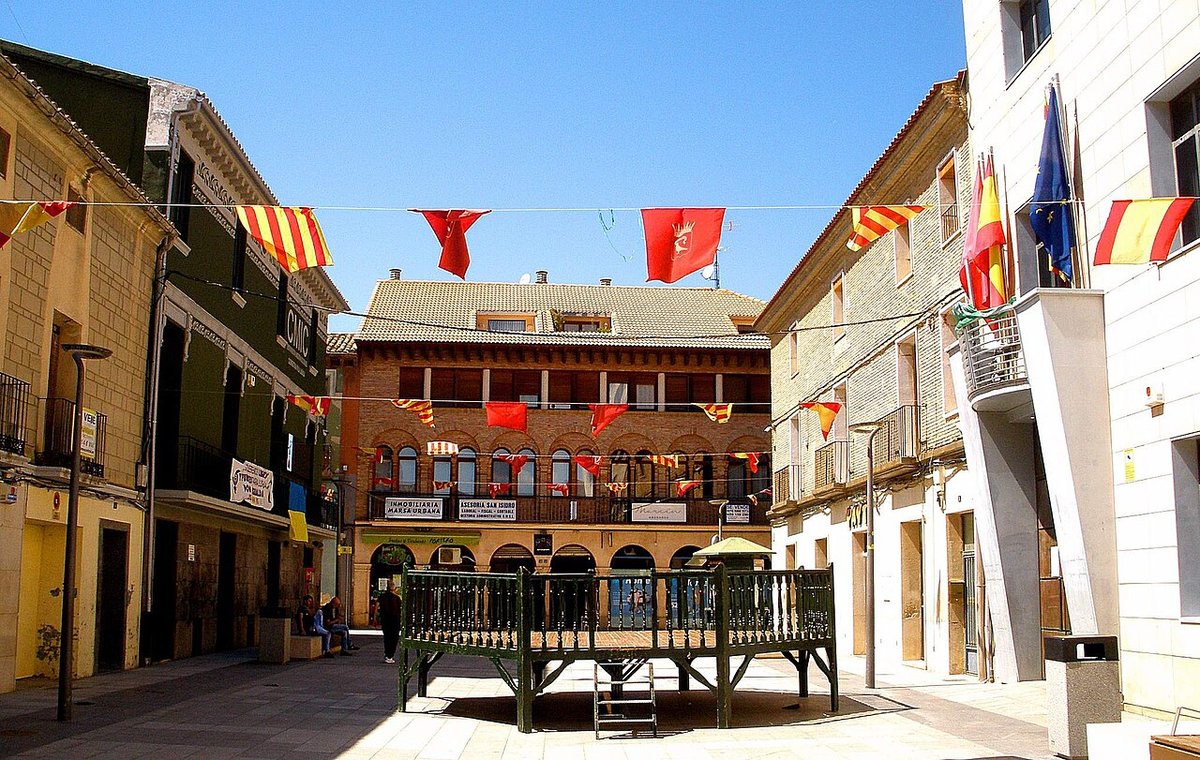
The village itself is compact and easy to walk through in a short time. There are no large landmarks dominating the skyline. Instead, attention falls on smaller details: wide gateways, former animal enclosures now absorbed into houses, and short streets that follow the logic of farming life rather than any formal plan.
San Esteban and the heart of Mozota
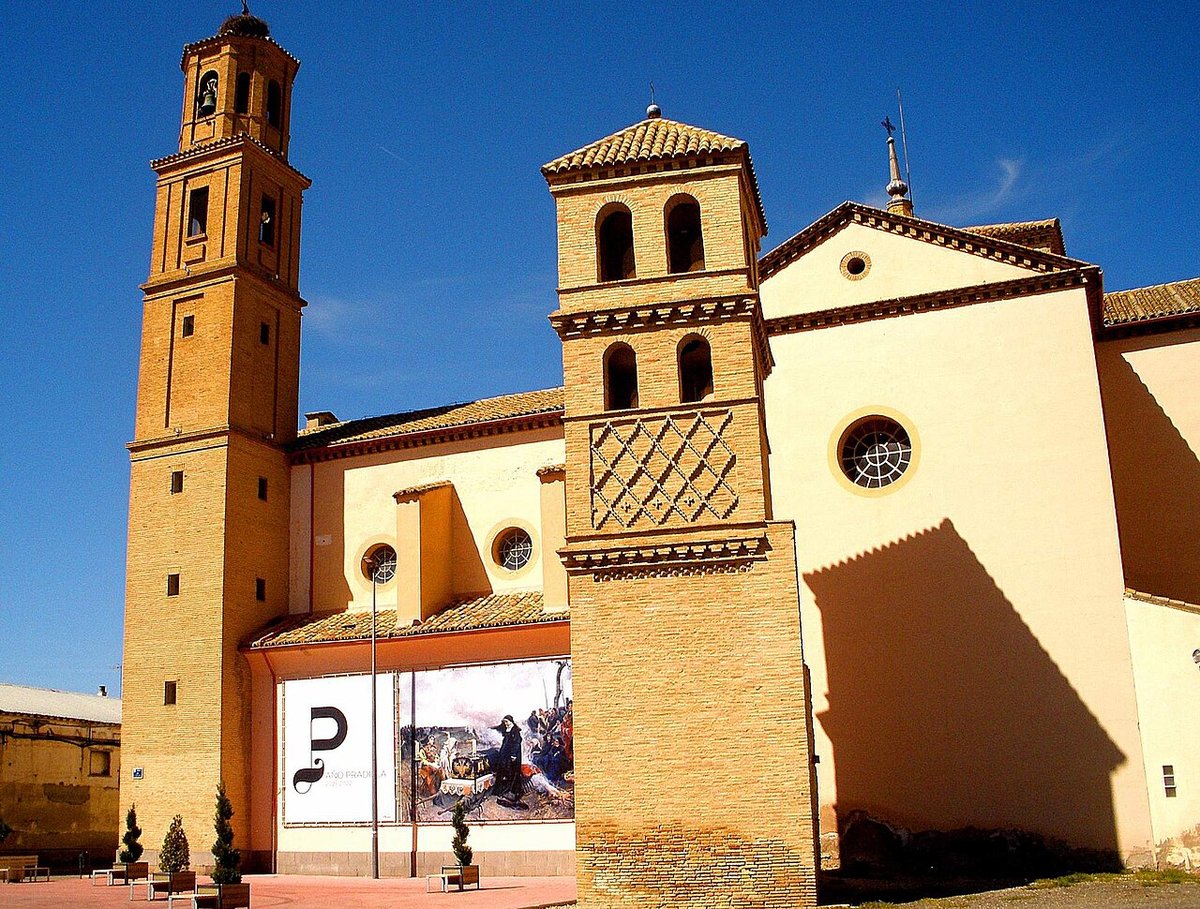
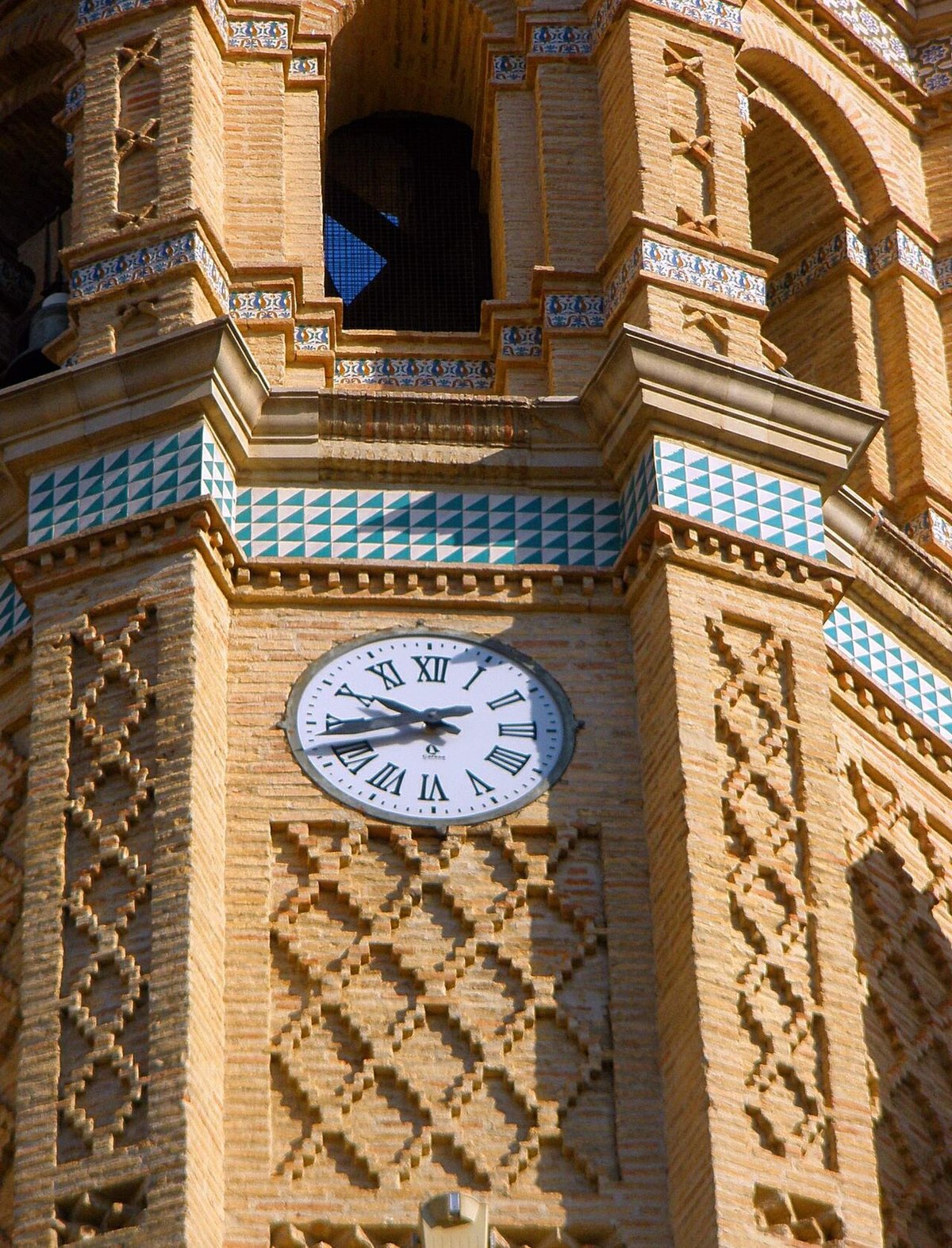
The main building in Mozota is the church of San Esteban. Its origins date back to the 16th century, with later modifications, particularly during the 18th century, which was common for churches in this part of Aragon. The exterior is restrained, built in brick and masonry, with very little decoration.
Its importance lies as much in its position as in its structure. The church anchors the centre of the village. Around it stand some of the oldest houses, along with the square where local life has traditionally gathered.
Walking through the nearby streets reveals features of traditional Aragonese architecture. There are walls made of adobe or rendered brick, wooden eaves, and large doors designed for carts or for storing tools. Not every building has preserved its original appearance, but enough remain to give a clear sense of how Mozota once functioned when most residents were directly involved in agricultural work.
The agricultural landscape: cereal and vines
The immediate surroundings of Mozota are entirely agricultural. Cereal fields dominate, with smaller areas of vineyard reflecting the region’s winemaking tradition.
Several agricultural tracks lead out from the village. These paths are used primarily by farmers, but they are also suitable for walking or cycling without technical difficulty. They are not marked routes in a formal sense, but rather working tracks that allow a slow exploration of the landscape.
In these open areas, it is common to spot birds associated with cereal-growing environments. They are easier to see early in the day or towards evening, when there is less activity in the fields.
The overall impression is of a landscape that remains functional. The land is not arranged for visitors but for cultivation, and that shapes how it is experienced.
Food linked to rural life
In a village of this size, food tends to stay closely tied to local production. Seasonal vegetables from nearby plots, cured meats, and substantial dishes reflect a food culture rooted in farming and livestock traditions in Aragon.
There is no developed dining scene of the kind found in larger towns. What prevails is simple, home-style cooking connected to the agricultural calendar and to family or festive gatherings.
Meals are less about variety or innovation and more about continuity with what the land provides and what has long been prepared in local households.
Festivities and local traditions
The patron saint festivals take place in summer, as is common in many villages along the Ebro valley. During these days, Mozota changes rhythm. Residents who live elsewhere return, and the village fills with religious events alongside popular activities.
The grape harvest still holds a place in local life when the season arrives. Mechanisation has altered many aspects of agricultural work, but harvesting grapes remains a notable moment for those who continue to maintain vineyards in the area.
At other times of year, such as Semana Santa or Christmas, the atmosphere is quieter. Celebrations focus on religious observances and family gatherings, maintaining connections between those who live in the village year-round and those who come back occasionally.
When to visit and what to expect
Spring and autumn are usually the most comfortable times to walk along the tracks around Mozota. Summer brings strong midday heat, so it is better to be out earlier in the day or later in the afternoon.
Weather can shape the experience quite directly. Strong cierzo winds, typical of the Ebro valley, or rainy days tend to limit a visit to the village itself. Mozota is small and does not have indoor attractions open to the public.
A visit can be completed in just over an hour. It often works best as a stop within a wider route through the villages south of Zaragoza.
What Mozota offers is straightforward: a quiet place where the relationship between settlement and farmland is still easy to understand. A short walk through its streets, followed by time on one of the surrounding tracks, is often enough to see how this part of Aragon functions.