Full Article
about Pastriz
Hide article Read full article
A quiet start just outside Zaragoza
Early in the morning, when traffic leaving Zaragoza is still light, the road to Pastriz cuts through a flat, fertile landscape. Green vegetable plots sit alongside freshly turned soil, and the whole scene feels unhurried. Visiting Pastriz is, above all, about slowing down: the distant sound of a tractor, wind moving through poplar leaves by the Ebro, and a village that wakes gently.
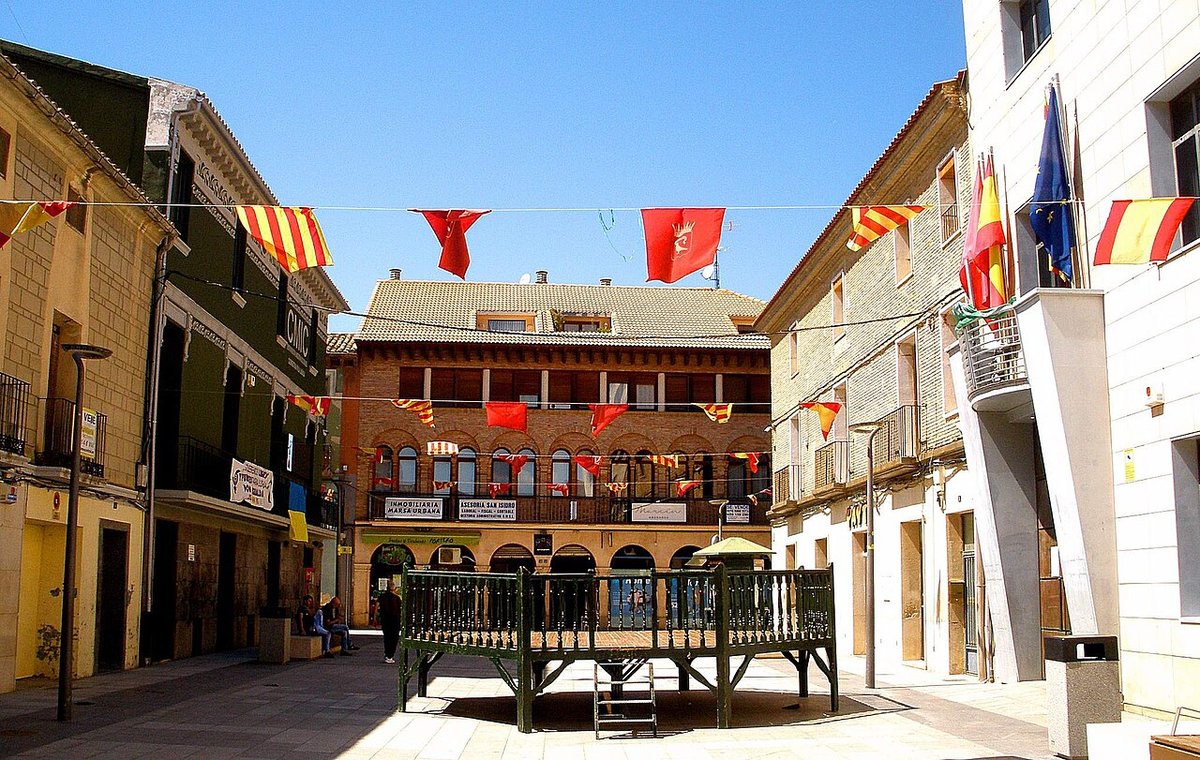
Pastriz lies around fifteen kilometres from the Aragonese capital and has roughly 1,300 inhabitants. That proximity is part of daily life, with many residents commuting to Zaragoza for work or study. Even so, the layout of the village still follows an agricultural logic. Streets are narrow, with courtyards and brick façades, and wide entrances designed for carts and tools rather than cars.
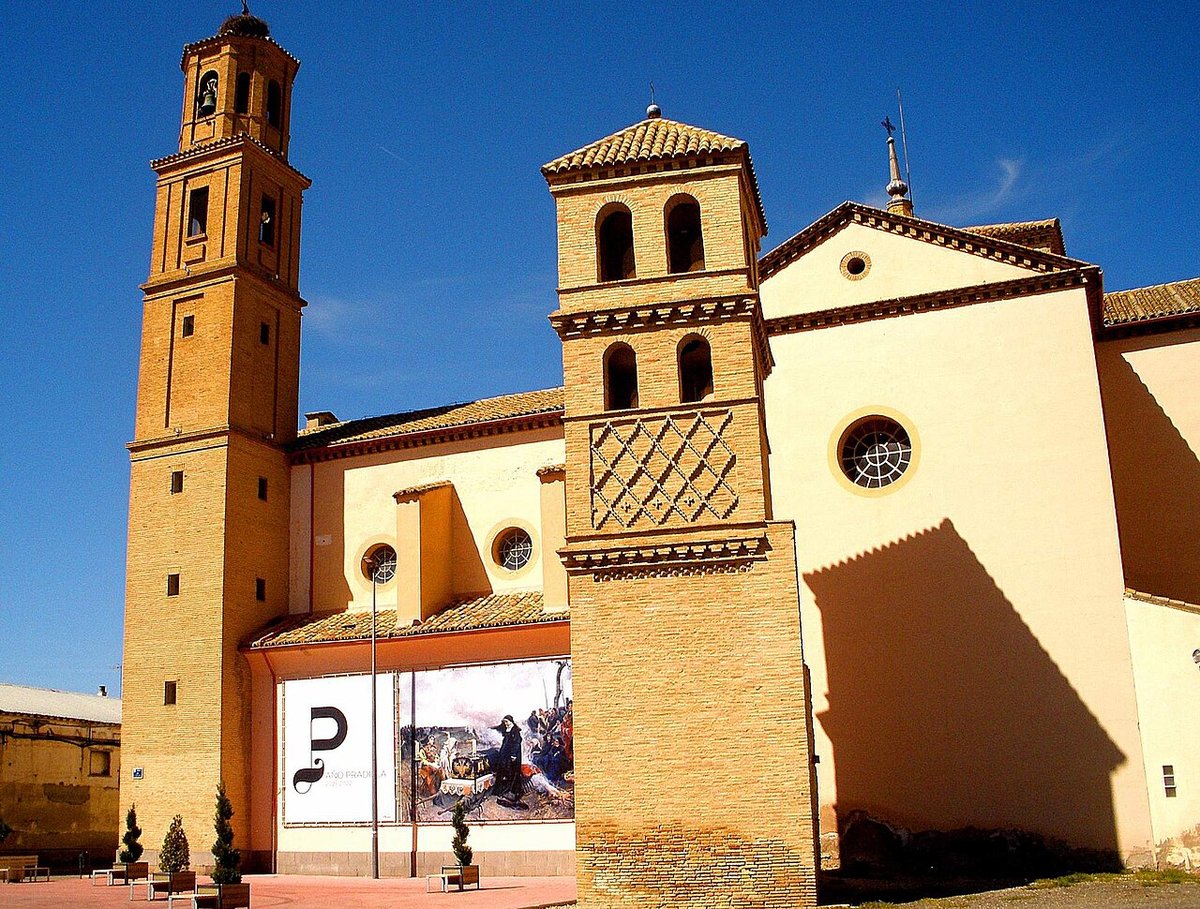
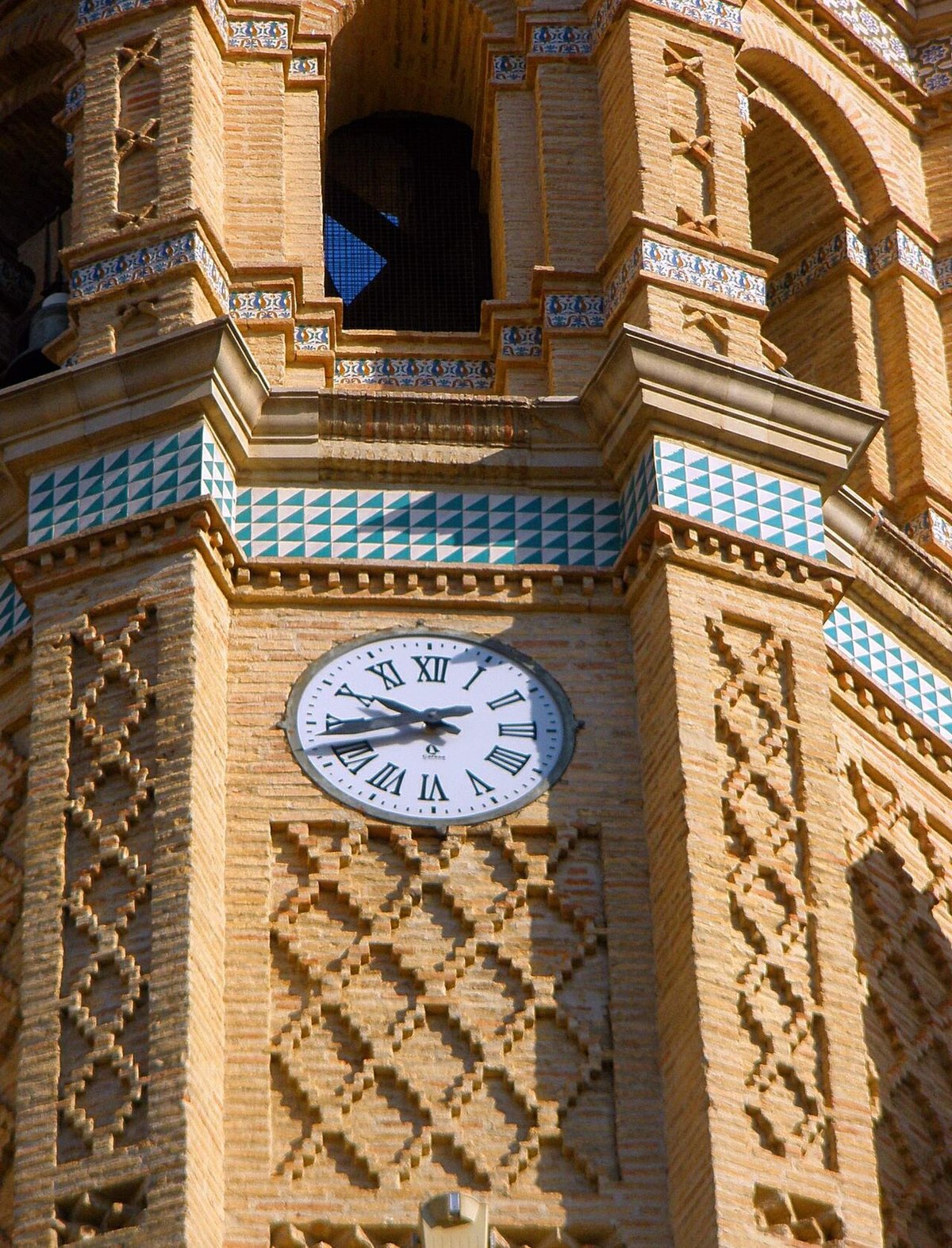
At the centre stands the parish church of San Miguel Arcángel. Its construction developed over time, and the interior is restrained, as is common in many churches of the Ebro valley. Inside, devotional objects are not simply decorative. They remain part of local religious celebrations throughout the year, linking the building to everyday life rather than presenting it as a monument set apart.
The Ebro landscape within easy reach
Step beyond the built-up area and the setting quickly returns to essentials: market gardens, irrigation channels known as acequias, and straight dirt tracks running between cultivated fields. The river has long shaped this area, and its presence is still clear in the riverside vegetation.
Nearby groves, known locally as sotos, are made up of poplars, white poplars and dense undergrowth. They shift noticeably with the seasons. In spring, after the rains, the greens appear almost luminous. By autumn, the same paths are covered with dry leaves that crunch underfoot, and the air carries the damp scent of the river.
At quieter times of day, especially early morning or towards evening, birds are often heard along the water’s edge. The sound carries across the flatter stretches of land, particularly where human activity is limited. It adds another layer to a landscape that, at first glance, might seem simple.
Flat paths and unhurried movement
The terrain around Pastriz is almost entirely flat, which makes it easy to explore on foot or by bicycle. Numerous agricultural tracks link the village with neighbouring settlements and different sections of the riverbank.
Not all of these paths are marked as formal routes, something quite typical in this part of the region. It helps to check a map on a phone or plan a route in advance before setting out. In summer, the middle of the day is best avoided, as the sun can be strong in the Ebro valley and some stretches offer very little shade.
There is a particular calm in the early hours. Light falls low across the fields, and there is little traffic on the tracks. Movement feels gradual, shaped more by the landscape than by any set itinerary.
Festivities and everyday life
The main local celebrations are the patron saint festivities dedicated to San Miguel Arcángel, usually held in September. During these days, the atmosphere shifts. There is music in the streets, events organised by local social groups known as peñas, and gatherings that fill the main square.
Throughout the rest of the year, smaller celebrations appear, often tied to the religious calendar or to local traditions. These are not events designed to draw large crowds. Instead, they reflect how social life works in a village of this size, where participation tends to be local and familiar.
In the warmer months, outdoor activities are common in squares or municipal spaces. They typically take place later in the day, when the heat eases and people return outside. The rhythm is simple and recurring, shaped by temperature and daylight rather than by a packed programme of events.
Choosing the right moment
Spring and autumn are generally the most comfortable times to explore the paths around Pastriz. Temperatures are milder, and the landscape changes noticeably between these seasons, offering different colours and textures.
Summer can bring intense heat, so earlier starts are advisable for walking or cycling. Winter has its own character. Some mornings are covered by the Ebro’s fog, which can settle over the village and soften sounds until the sun gradually breaks through.
Pastriz does not present itself as a destination of major landmarks or carefully signposted routes. Its appeal lies in something more ordinary: the agricultural landscape of the valley, the proximity of the river, and the sense of a place that continues at its own pace, just a short distance from Zaragoza.