Full Article
about San Mateo de Gallego
Hide article Read full article
A village shaped by its gardens
The first borrajas of the year begin to appear while the air is still cool. Their leaves have a greyish green tone, almost dusty, and when rubbed between the fingers they release a vegetal scent that lingers on the skin. It is March, and in the smallholdings of San Mateo de Gállego people are already bending over the plots, moving slowly, as if time followed the rhythm of the water running through the irrigation channels.
The village sits a short distance from Zaragoza, on the plain where the River Gállego opens out before reaching the city. At first glance it feels quiet, even understated. A short walk through its low streets and surrounding gardens reveals what sustains it: water, cultivated land and a kind of cooking that does not rely on embellishment.
The flavour of the irrigated land
Borraja thrives in these market gardens along the Gállego. Throughout winter and into early spring it appears on many tables in the village, usually boiled and served with potato or a poached egg, with enough broth to encourage dipping bread without much thought.
It is home cooking, the sort eaten unhurriedly while the cierzo, the dry north-westerly wind common in the Ebro valley, blows outside.
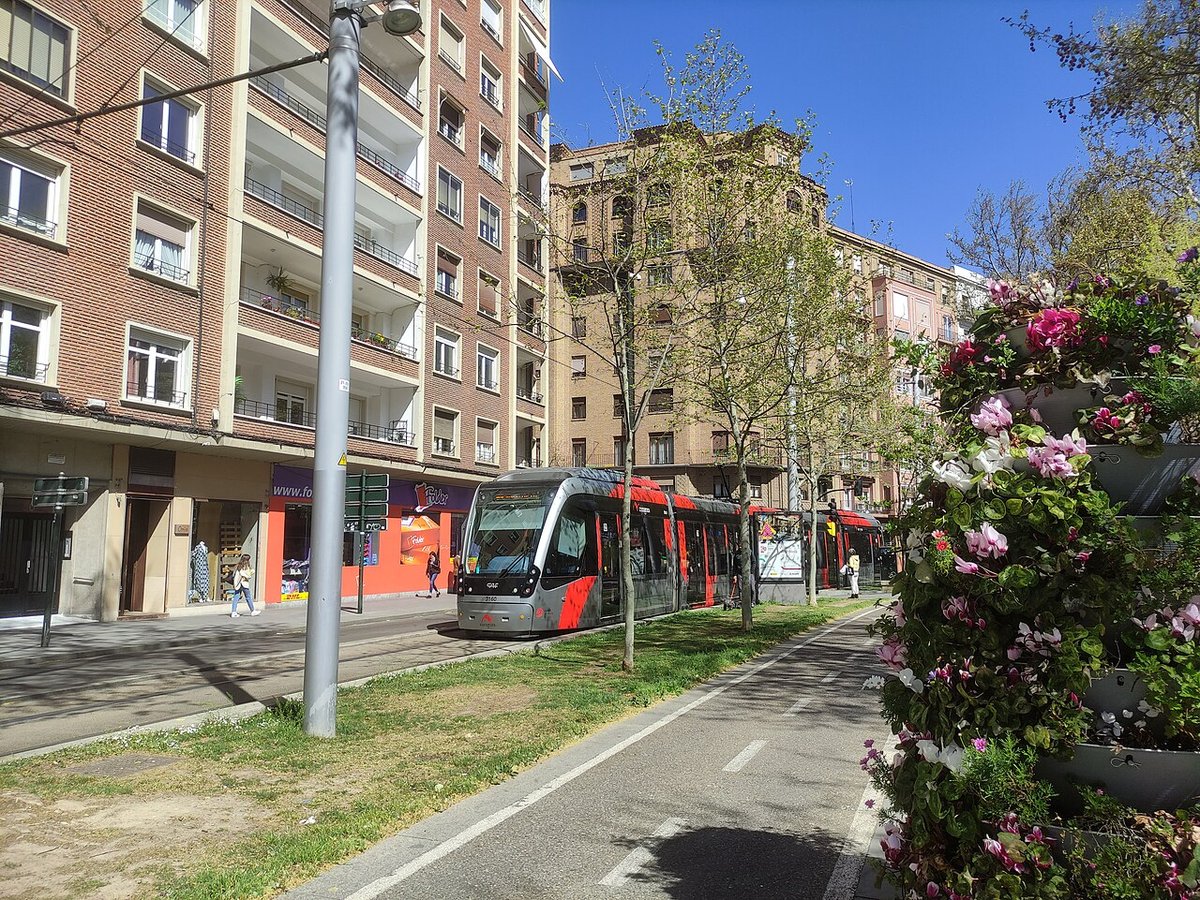
Along the central promenade, a wide corridor lined with tall trees and benches worn smooth over time, older residents still step out mid-morning to catch the sun when winter begins to ease. The pace of the place is set here: long conversations, shopping bags in hand, cars moving slowly because most people recognise each other.
Water organising the landscape
Head towards the edges of the village and the garden paths begin. Narrow irrigation channels, with dark earthen sides, carry water from the Gállego into small plots where vegetables, fruit trees and occasional fields of alfalfa alternate.
The murmur of running water stays with you for quite a while. In summer it becomes a relief, as the air turns dry and shade is scarce. Even so, towards evening the atmosphere shifts. There is the smell of damp soil, warm leaves and, depending on the season, ripe fruit hanging on the trees.
The river itself is only a short cycle or drive from the centre. Its sotos, the riverside groves of poplars, tamarisks and reeds, form a green strip that breaks up the uniformity of the surrounding fields. On clear, windy days the poplars can be heard before they are seen, their leaves producing a rough, rubbing sound as they move against one another.
A brick tower above the rooftops
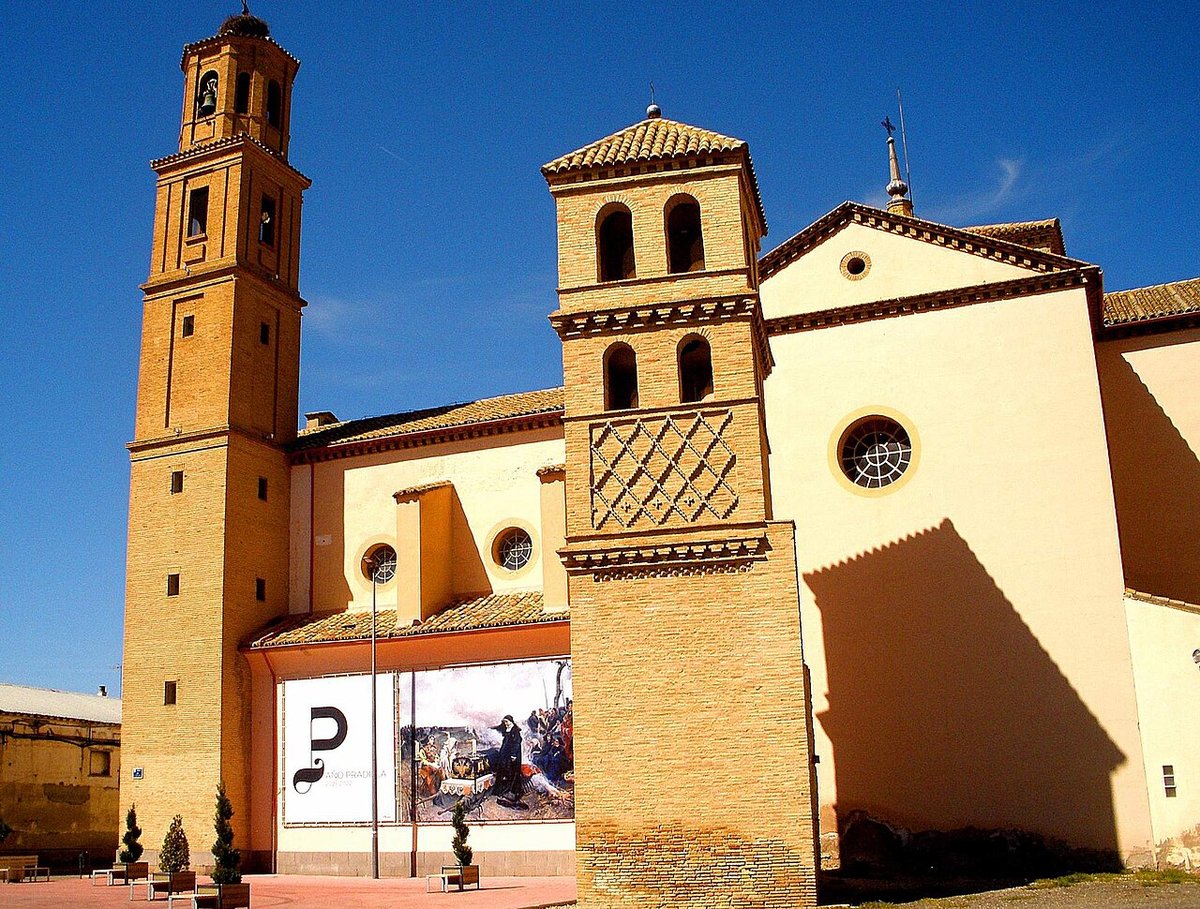
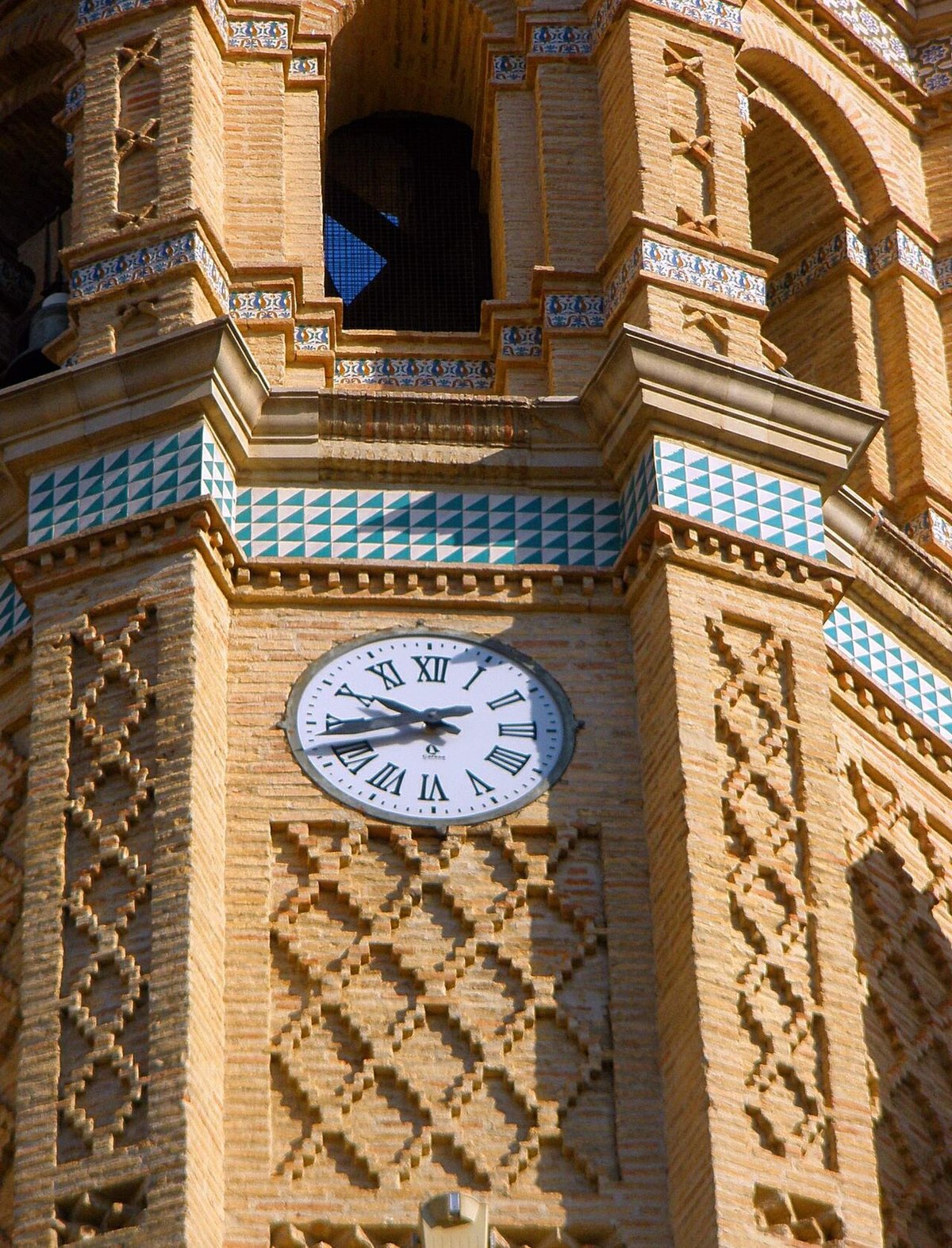
The church tower is visible from almost anywhere in the village. Built of brick and narrowing as it rises, it has that distinctly Mudéjar character typical of the Ebro valley, a style shaped by the coexistence of Islamic and Christian traditions in medieval Spain.
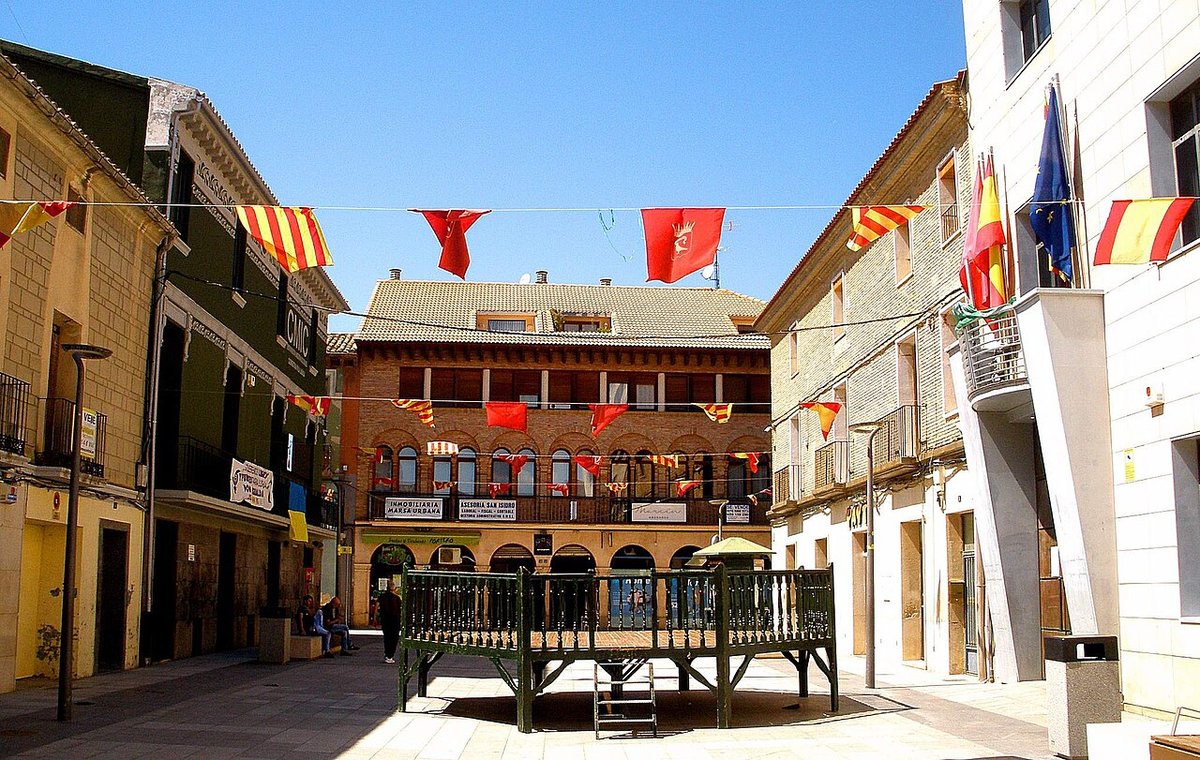
In the late afternoon, as the sun drops, the colour deepens into a reddish tone that stands out against the rooftops covered in traditional curved clay tiles that dominate the town centre.
At certain times it is possible to go inside, depending on opening or local visits. The staircase is narrow and requires turning sideways near the top. Once above, the wind moves strongly, and the setting of the village becomes clear: the river to the east, fields stretching towards Zaragoza, and to the north an increasingly open horizon.
Into the steppe
Beyond the irrigated land the landscape changes quickly. Vegetation drops low, the soil turns pale, and loose stones mark the beginning of the steppe typical of the middle Ebro valley. Thyme, ontina shrubs and scattered pines endure the wind for most of the year.
Agricultural tracks run through this terrain, making it possible to walk or cycle for kilometres with very little traffic. Carrying water is advisable even on short outings, as shade is limited and the cierzo can be deceptive, cooling the air while drying it out.
In spring, small flowers appear close to the ground, adding colour to the otherwise muted terrain. By August, the dominant tone shifts to ochre.
When to slow down
Spring and early autumn tend to be the most comfortable times to walk the garden paths. In summer the heat builds quickly from midday, and the valley’s dry wind can make longer walks feel heavier than expected.
Coming from Zaragoza, arriving on a weekday and early in the morning gives a particular sense of the place. At that hour the village is half-quiet: a shutter being raised, the sound of a wet broom sweeping the pavement, the smell of coffee drifting through the half-open door of a bar.
After that, it is enough to sit for a while, watch the light filter through the trees along the promenade, and let time move a little more slowly. Here, it tends to work that way.