Full Article
about Alhama de Aragón
Hide article Read full article
A town where water is always close
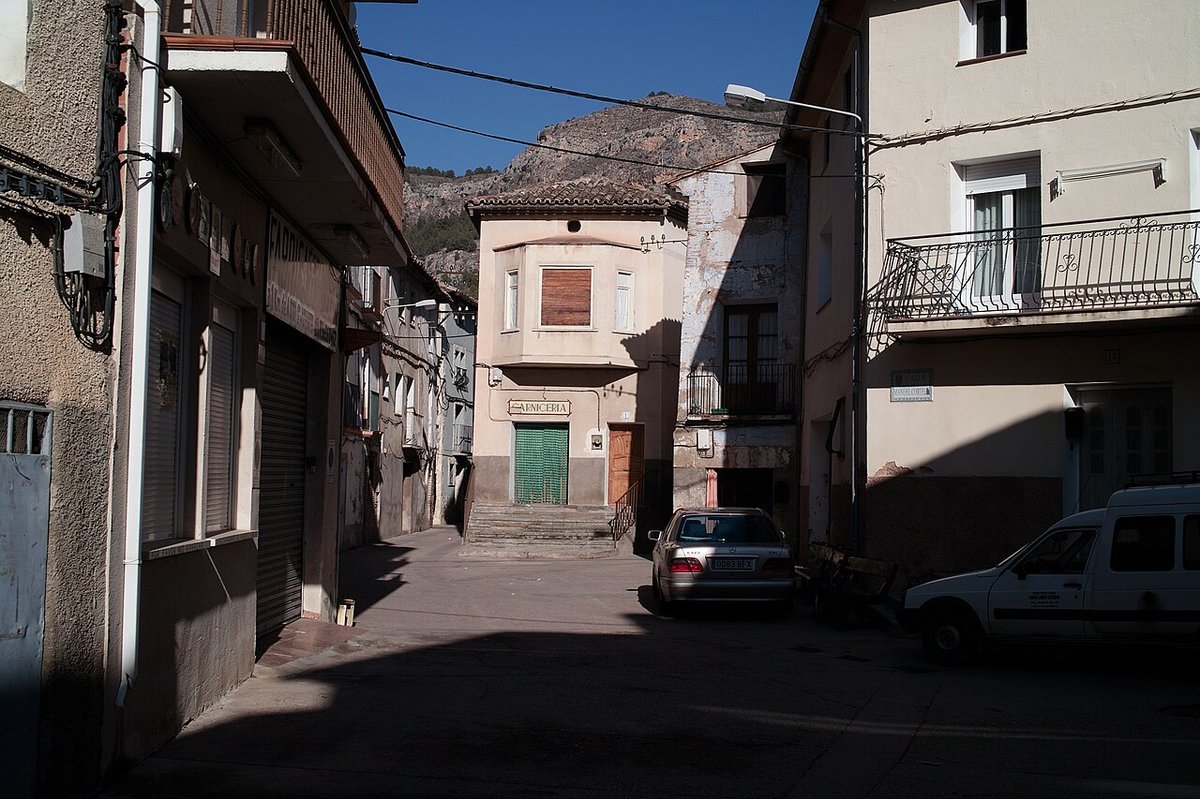
By mid-morning in Alhama de Aragón, the main square often carries the smell of damp stone. Water runs close by, even when it cannot be seen. Light slips between the façades and draws long shadows across the ground. In winter that light feels cold and clear; in summer it sits higher, sharper, almost white. Anyone arriving here soon notices what locals already take for granted: water is part of the air.
The town has fewer than a thousand residents, and distances are short. Everything connects back to the thermal springs. Their use goes back a long way, to Roman times, when these waters were already valued. Remains of old conduits still appear in different parts of the area. This is not something tucked away in a display case. It belongs to the everyday story of the place.
Hot springs beneath the streets
Thermal water still shapes daily life. It emerges at a high temperature, carrying a faint mineral scent that becomes more noticeable on cold days. Early in the morning, when the air is still, steam rises gently.
Today there are modern facilities that make use of these springs, though their origins are much older. Some areas retain the feel of a traditional spa, while others have been adapted with more contemporary spaces. The essential point does not change: this is the same water that has flowed here for centuries.
Winter makes the contrast especially clear. Cold air outside meets the warmth of the water, and the difference is felt immediately.
Streets that move at their own pace
The town centre invites a slow walk. Streets are narrow, built in brick, with the occasional iron balcony that creaks when the wind picks up. The houses do not try to stand out. Many have been repaired over time with whatever materials were available.
In the afternoon, the Plaza Mayor returns to its usual role. People pass through, neighbours stop for a short conversation, children cross the square on small bicycles. As the sun drops, light reflects off pale walls and turns everything briefly orange before fading.
There is no sense of rush here. Movement follows a steady rhythm, shaped by habit rather than urgency.
The church that anchors the skyline
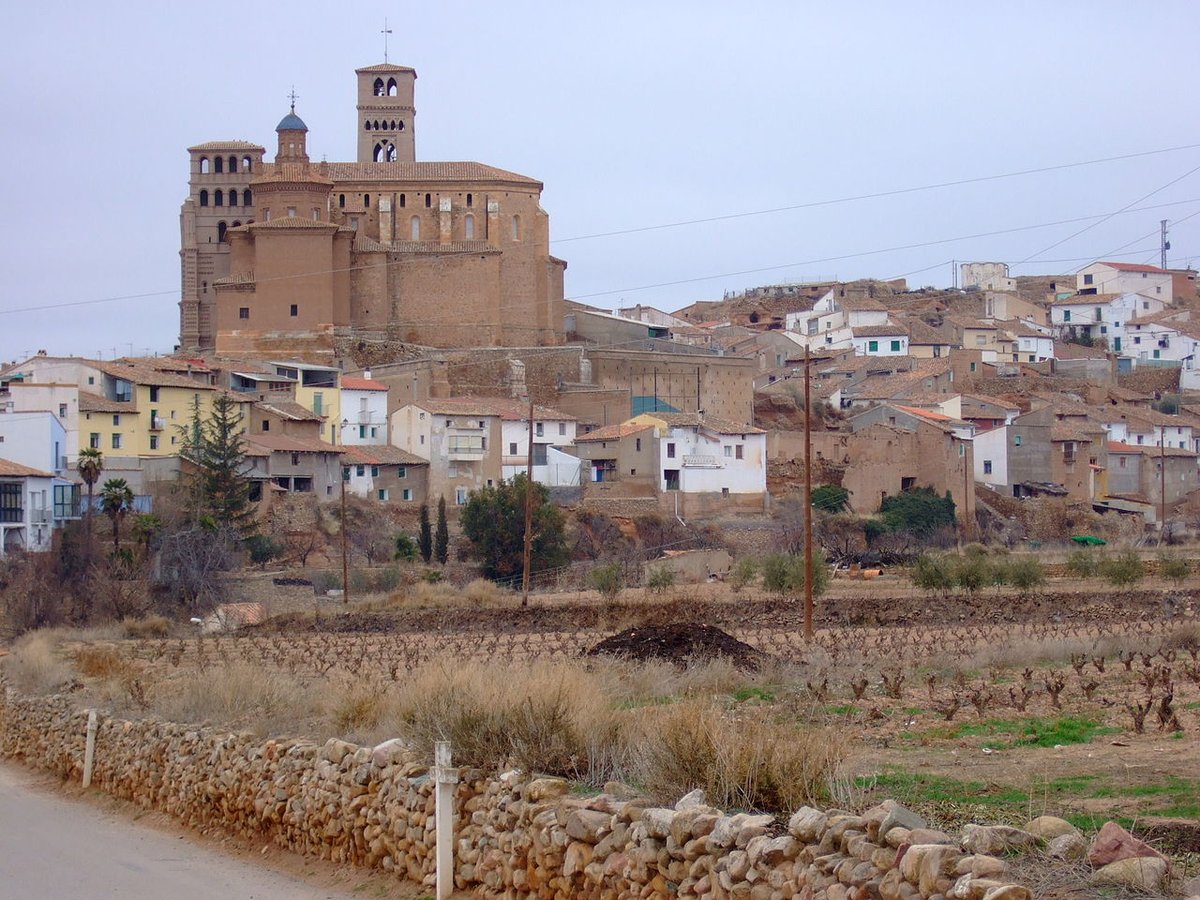
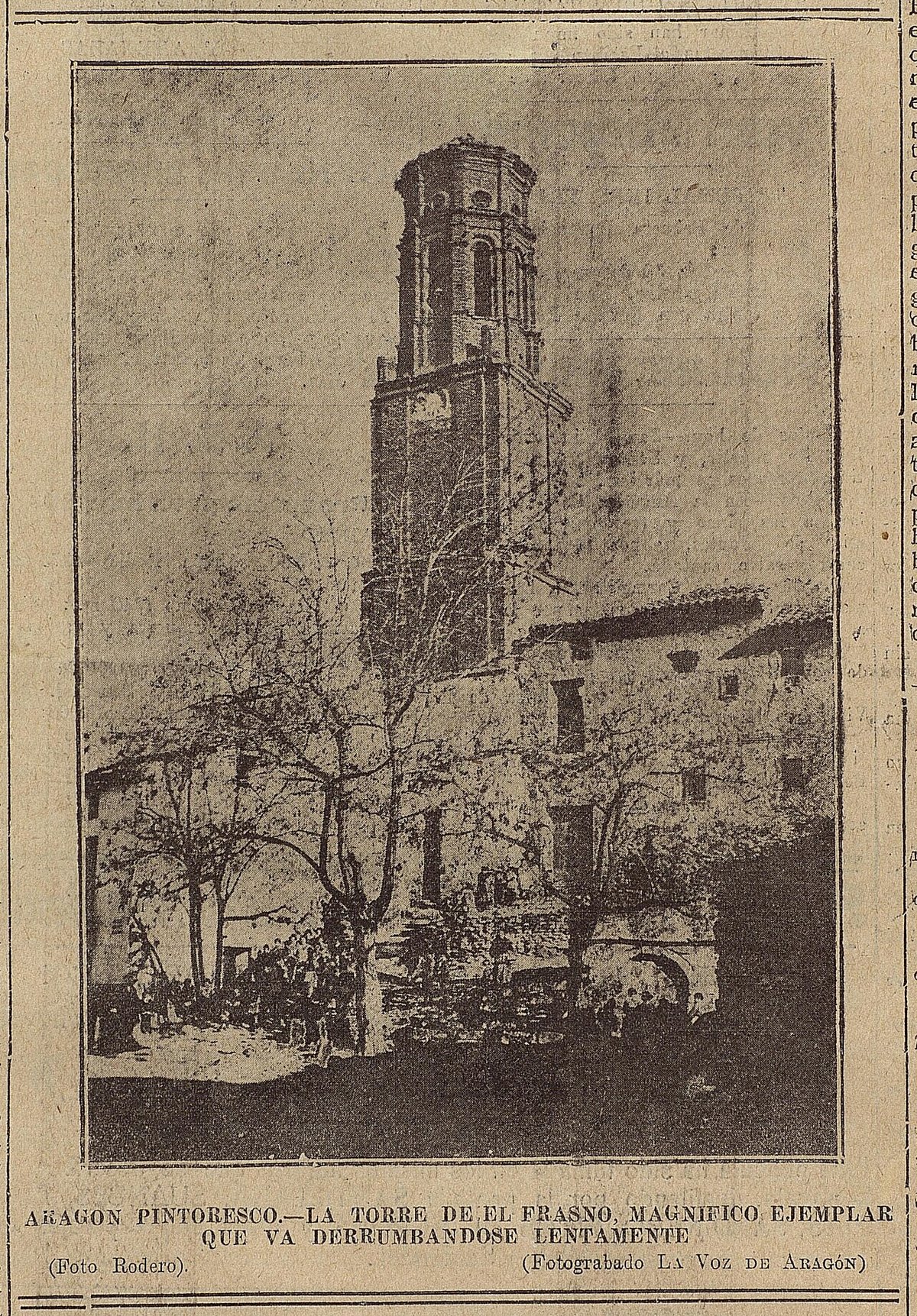
The Iglesia de Santa María appears quickly on any walk through Alhama de Aragón. Its tower can be seen from different points around the town and helps with orientation.
The building brings together different periods. Some sections are older, others have been altered over time. Inside, side chapels and devotional images reflect continuous use rather than any attempt to impress on a grand scale. It feels like a place that has been part of daily life for generations.
Even in summer, the interior tends to stay cool. After time spent in the open streets, that change in temperature is noticeable.
Dry land beyond the town
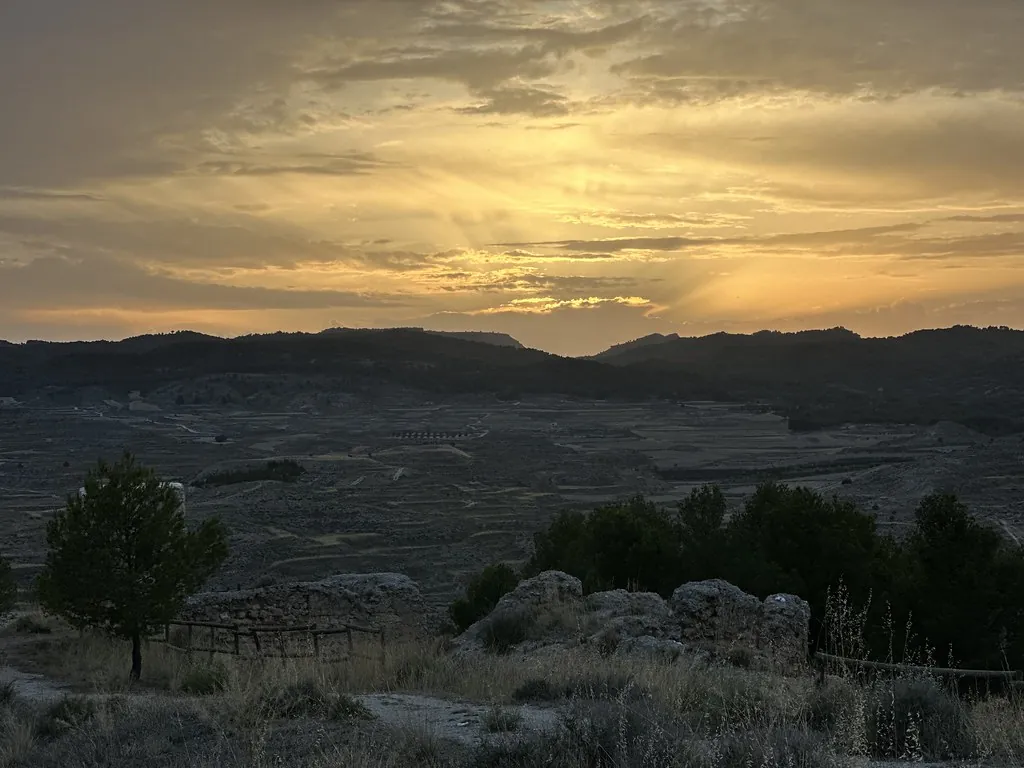
Leaving the built-up area, the landscape shifts without delay. Fields of cereal crops stretch out across gentle rises. Vegetation stays low, and when the ground is dry it crunches underfoot.
Paths around Alhama de Aragón do not involve steep climbs. Walking here means passing small ravines and cultivated plots. In the distance, other villages in the region come into view, often no more than a cluster of rooftops against the pale terrain.
Late afternoon is usually the most comfortable moment to walk. The heat eases, and the wind begins to move through the crops or scrubland, bringing a slight change to the stillness of the day.
Festivals and quieter months
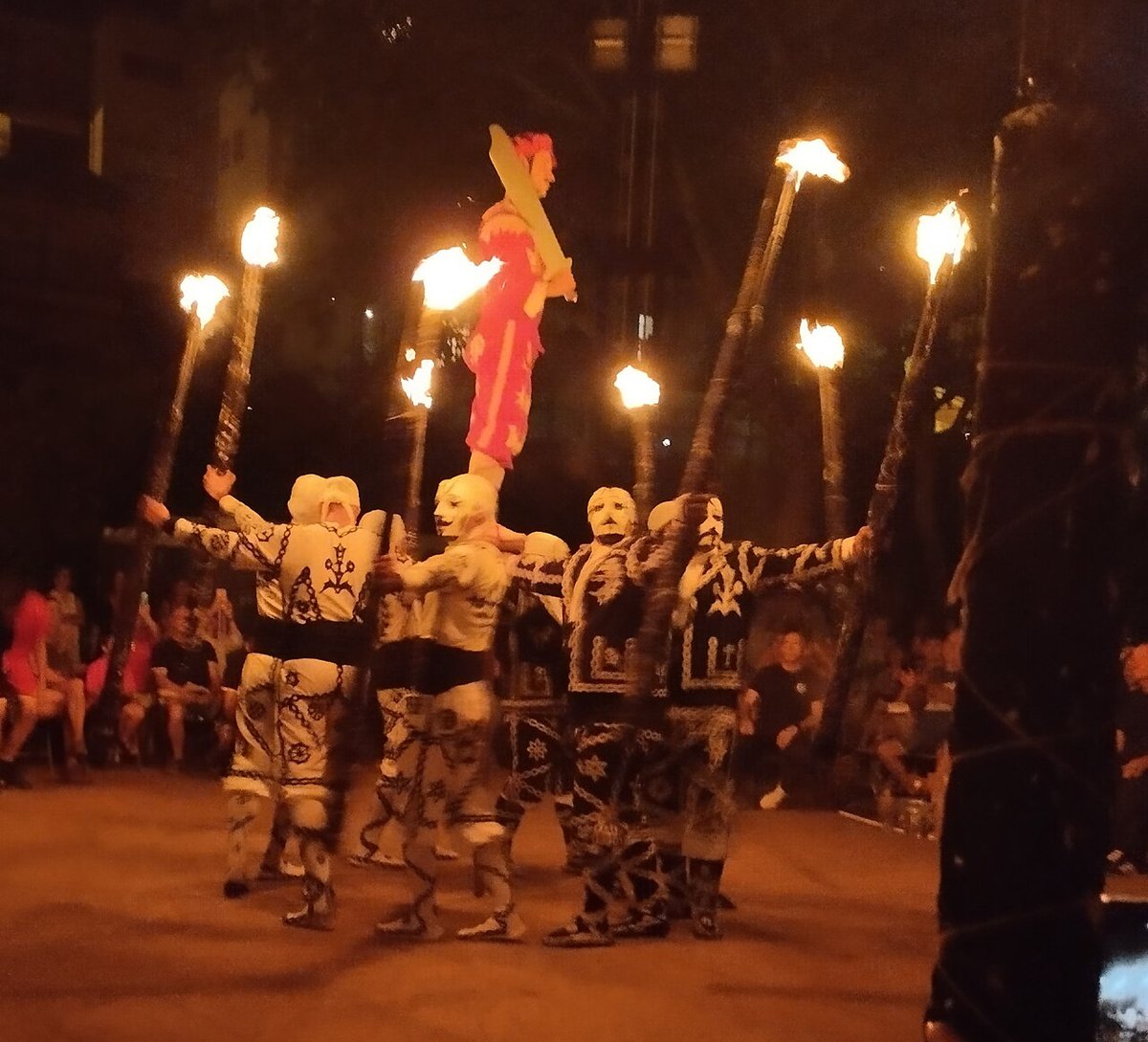
The main local celebrations are the fiestas patronales dedicated to Santa María, usually held in August. During those days, the pace of the town shifts. There is music, religious events, and shared meals outdoors that stretch late into the evening.
At other times of year, the atmosphere is much calmer. Christmas, for instance, is marked in a modest way. A nativity scene may appear in the church, carols can be heard from the street, and little else disturbs the usual quiet.
Anyone looking for stillness will find it more easily outside summer weekends, when visitor numbers tend to rise.
Getting there and practical notes
From Zaragoza, the most direct route is typically along the A‑2 towards the area of Calatayud, followed by a local road to Alhama de Aragón. The journey takes about an hour by car under normal conditions.
The centre has narrow streets and some slopes. On busier days, it makes sense to leave the car in the more open parts of town and continue on foot.
Alhama de Aragón is not about large monuments or long sightseeing routes. Time here is measured differently, by the sound of water and the way light shifts across façades during the day. Life follows a slower rhythm, one that often goes unnoticed elsewhere.