Full Article
about Carenas
Hide article Read full article
A quiet arrival in the Jalón Valley
Tourism in Carenas is easy to grasp. You arrive, park, take a walk, and get a feel for how a small village in the Jalón Valley goes about its day. There are no headline attractions and no queues outside landmarks.
The road in tends to be calm. From Calatayud, the journey takes just over an hour along secondary roads that wind through the area. Summer brings strong heat in the middle of the day, while winter makes the wind more noticeable. Spring and autumn are easier if the plan is to walk.
Parking rarely causes trouble. Spaces appear near the centre without much searching. On public holidays or in August, it might take a little longer to find a spot, but nothing excessive.
The population sits at around 170 residents, and that shows quickly. The streets feel still, and the rhythm is that of a typical agricultural village.
The village at a glance
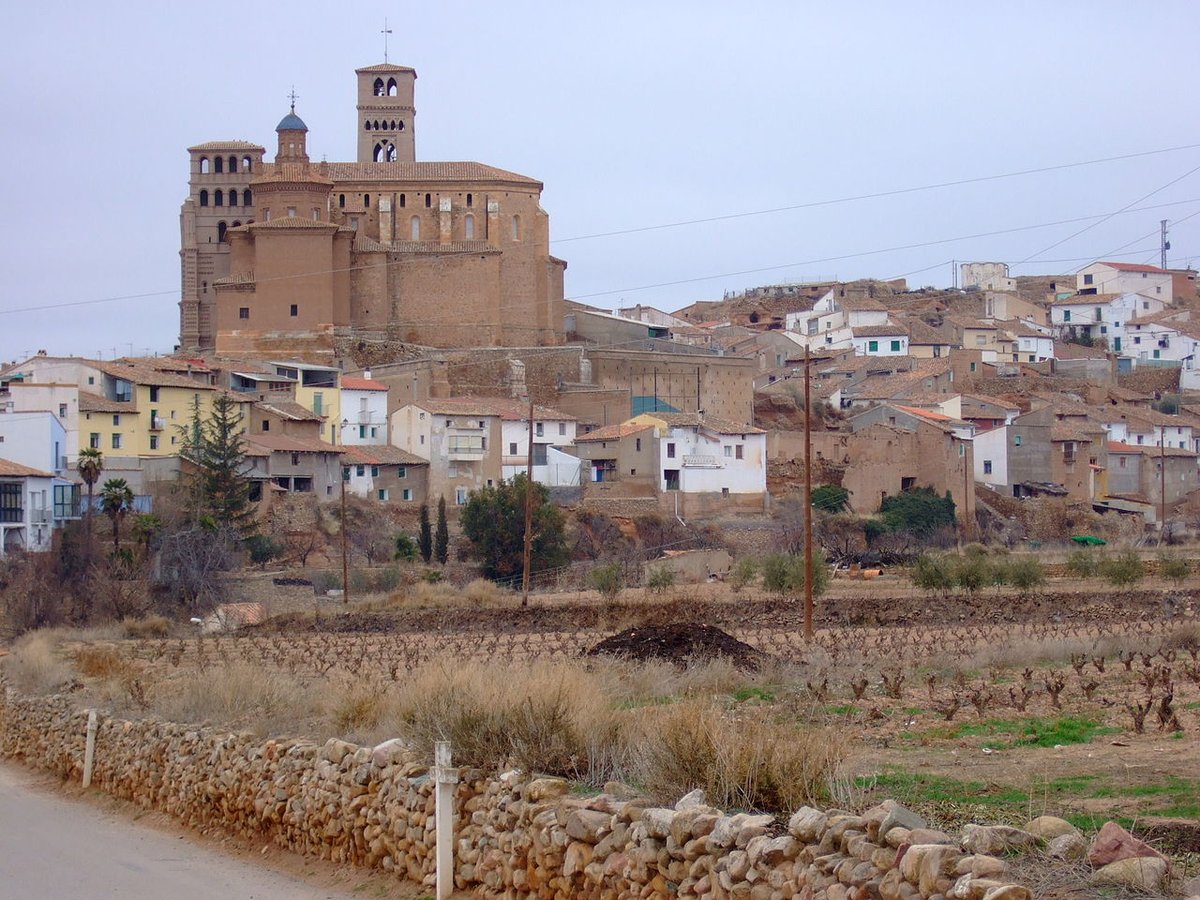
The most visible building is the church of Nuestra Señora del Rosario. Its tower marks the centre as you come in from the road. The structure is simple, built in stone with little decoration.
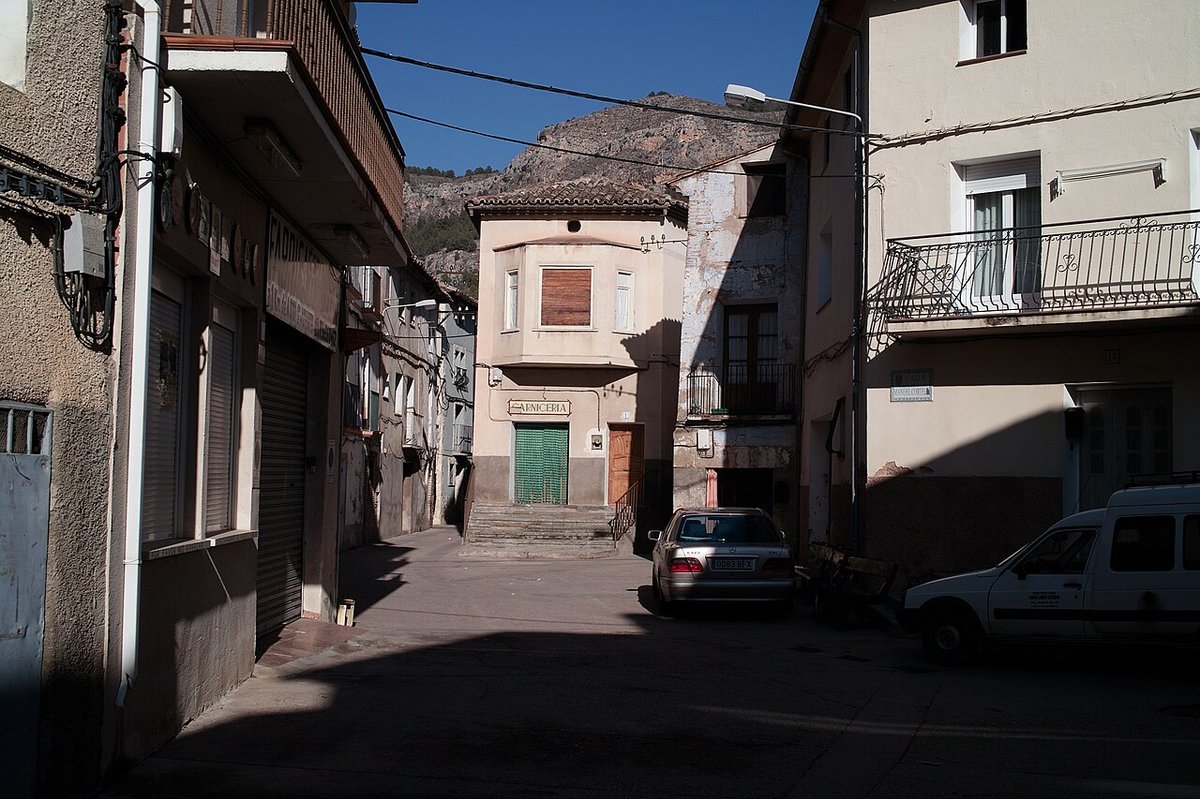
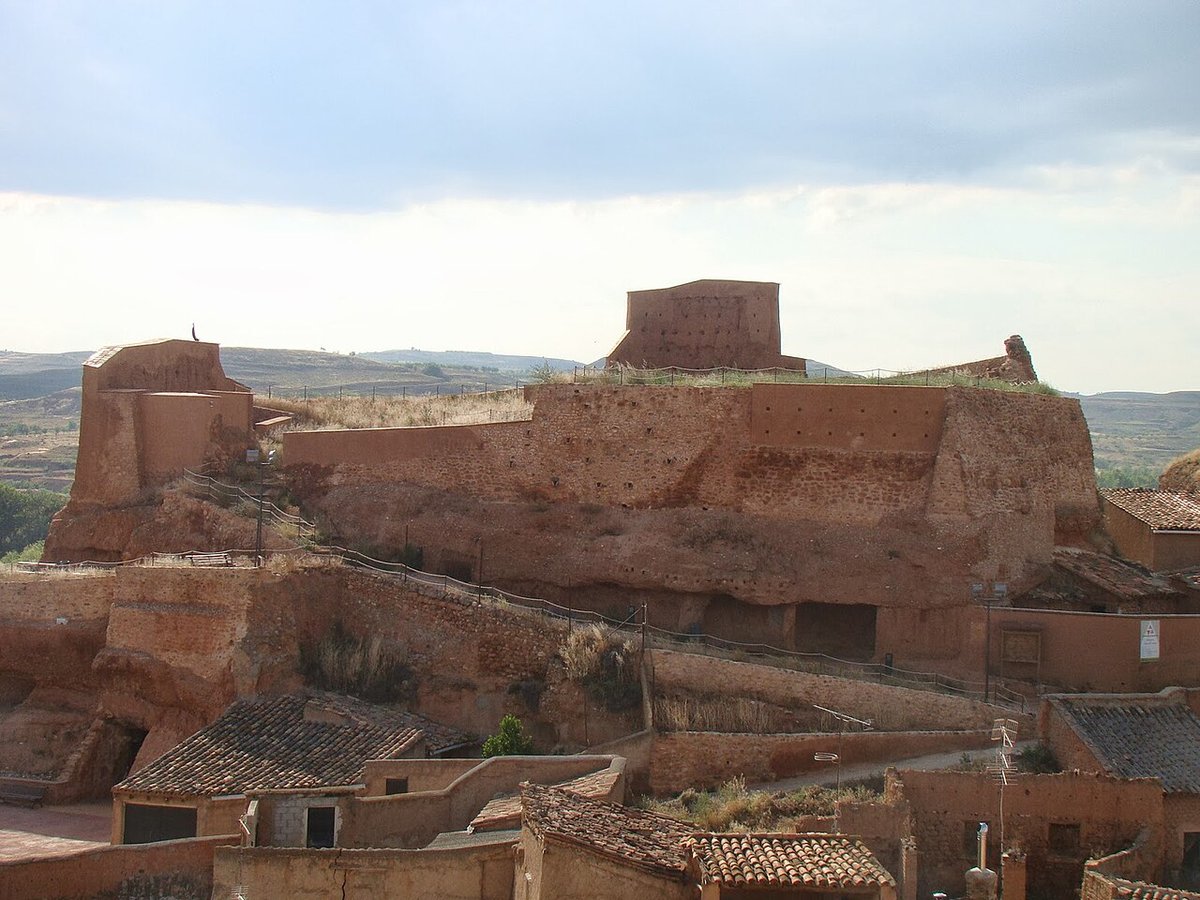
Beyond that, the interest lies in the village itself. Short streets run between houses made of stone or light render, topped with tiled roofs and wooden doors that have been there for years. There are no striking restorations or façades designed for quick photos. This is everyday housing in an Aragonese village.
It does not take long to get your bearings. In ten minutes, the layout becomes clear and familiar.
Tracks and fields beyond the houses
Once you leave the built-up area, rural tracks begin almost immediately. Some connect to nearby villages and have been used for decades to move between fields.
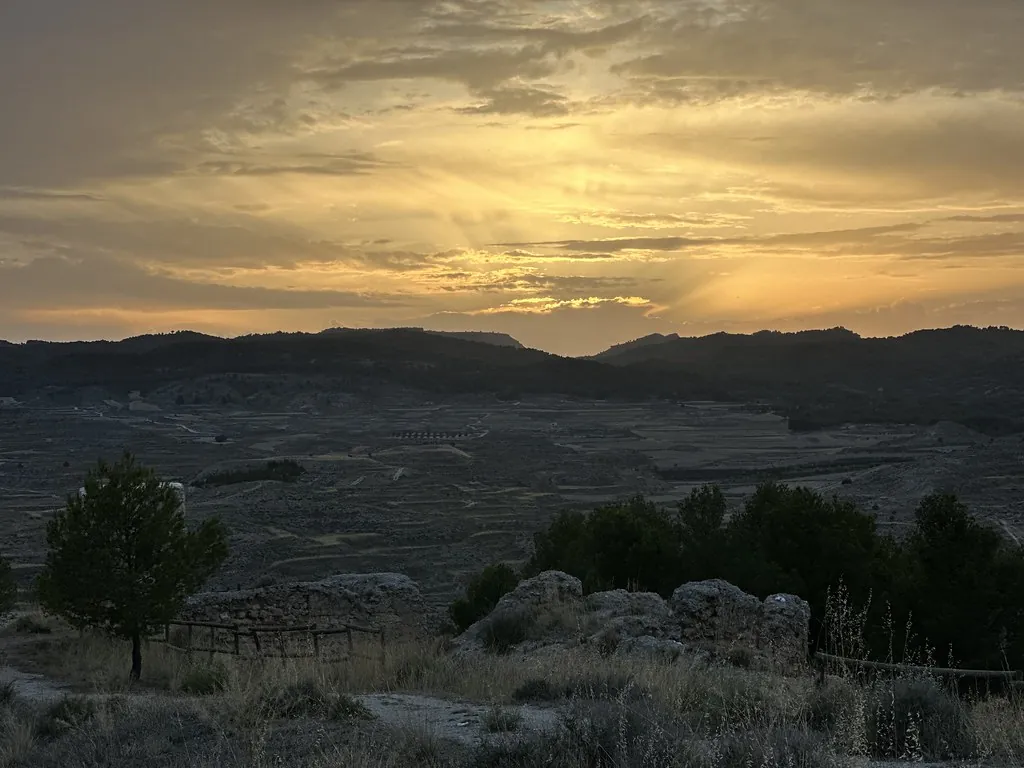
The landscape is typical of this part of Aragón. Plots of cereal crops, vineyards and olive groves appear depending on where you are within the municipality. The terrain opens up views across the valley and along the nearby slopes. It is not dramatic scenery, but it is wide and unobstructed.
After rain, some sections can become muddy. Decent footwear helps if you plan to walk beyond the village itself.
Food and everyday life
Food here follows the pace of the land. Expect pulses, local cured meats, wine from nearby vineyards and filling dishes when the season calls for them.
There is no wide choice or modern approach to cooking. What you find are familiar, home-style recipes: stews, oven-roasted meat, and seasonal vegetables. That is simply how things are done.
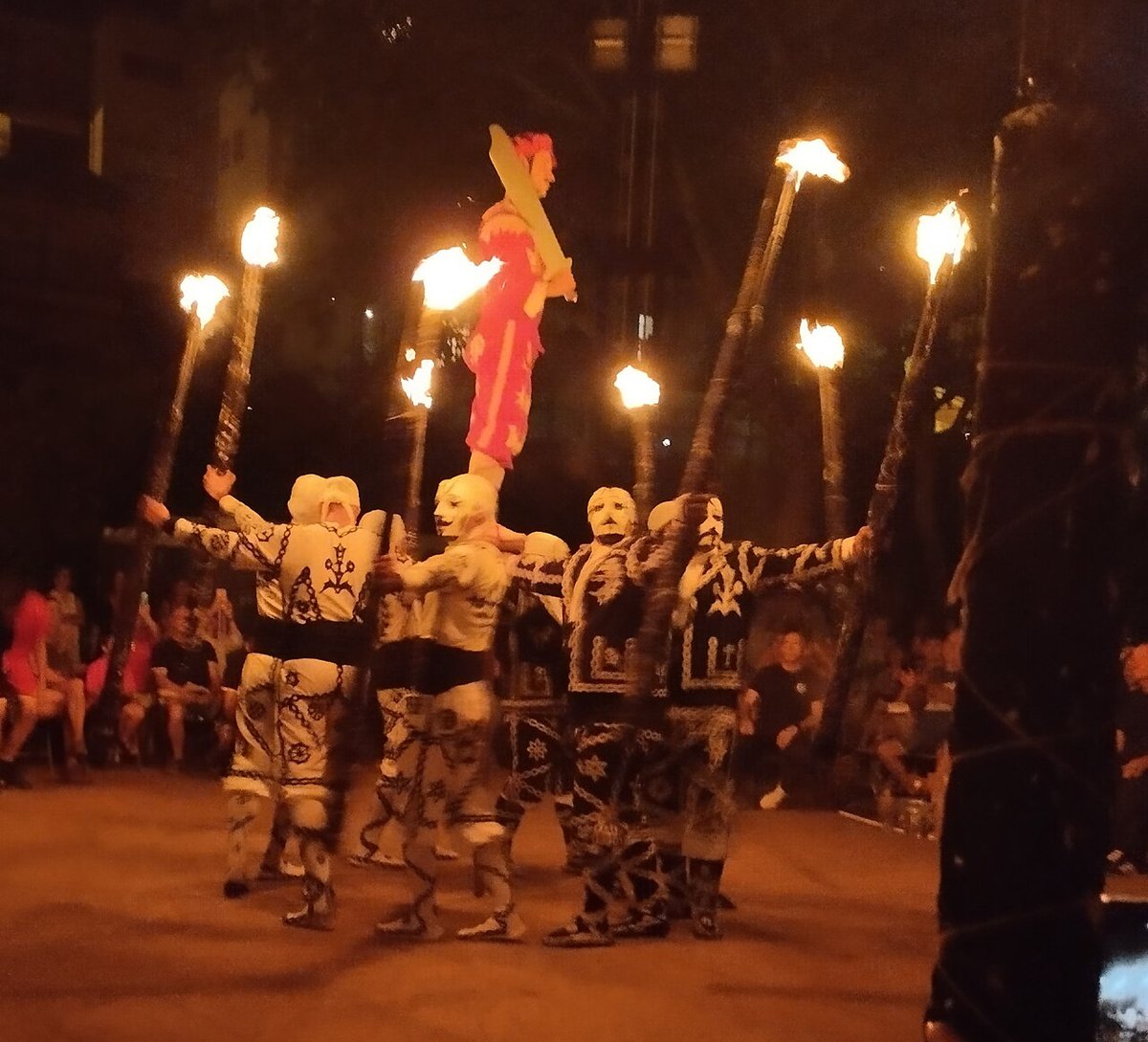
Festivals and celebrations follow the religious and agricultural calendar. In summer, the village becomes a little busier as families who live elsewhere return. For the rest of the year, life moves slowly. Conversations happen in the street, farm work fills the day, and little else competes for attention.
Getting there and what to expect
The usual way in is from Calatayud, along local roads that cross the valley. The route has bends, but driving is straightforward.
It is worth checking road conditions after heavy rain. In this area, some stretches can change quite a bit depending on the weather.
Carenas does not try to impress. It is a small village, and that is all it sets out to be. Anyone looking for major monuments or constant activity will likely find it limited.
If a short walk, a look at everyday life in a Jalón Valley village, and a wander along agricultural tracks sound enough, then it makes sense to stop. Arriving in the morning works well, followed by a walk around the village and a short outing towards the fields. In a couple of hours, you will have seen it all, and can continue through the surrounding region.