Full Article
about Clarés de Ribota
Hide article Read full article
A quiet corner of the Comunidad de Calatayud
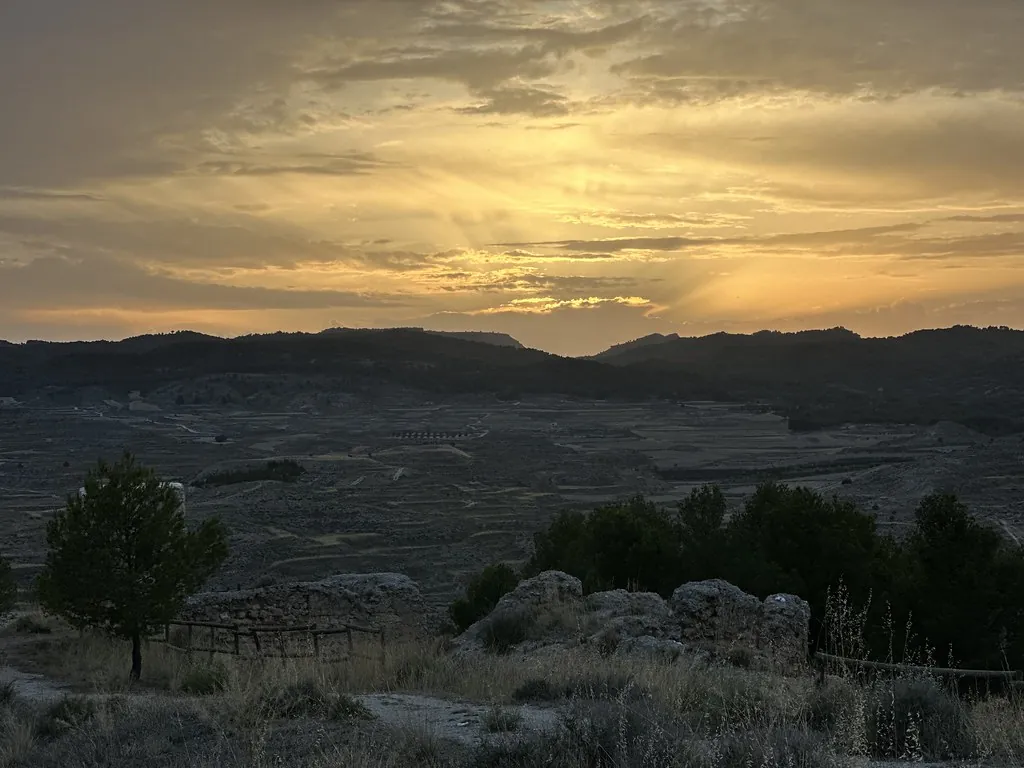
Early in the day, when winter frost still clings to the fields or summer sun has yet to warm the stone, Clarés de Ribota feels almost reduced to essentials: wind moving through holm oaks and the distant sound of a tractor starting up. Tourism here has little to do with landmarks or busy streets. It follows the pace of the countryside in this part of the Comunidad de Calatayud, steady and unhurried.
The village lies about 85 kilometres from Zaragoza, in an area where the Sistema Ibérico begins to fold the cereal landscape into soft undulations. Just over seventy people live here, the official register sits at around 73, and that scale shapes everything. By mid-morning, the streets are often empty, with only the occasional garage door opening or a dog barking somewhere in the distance.
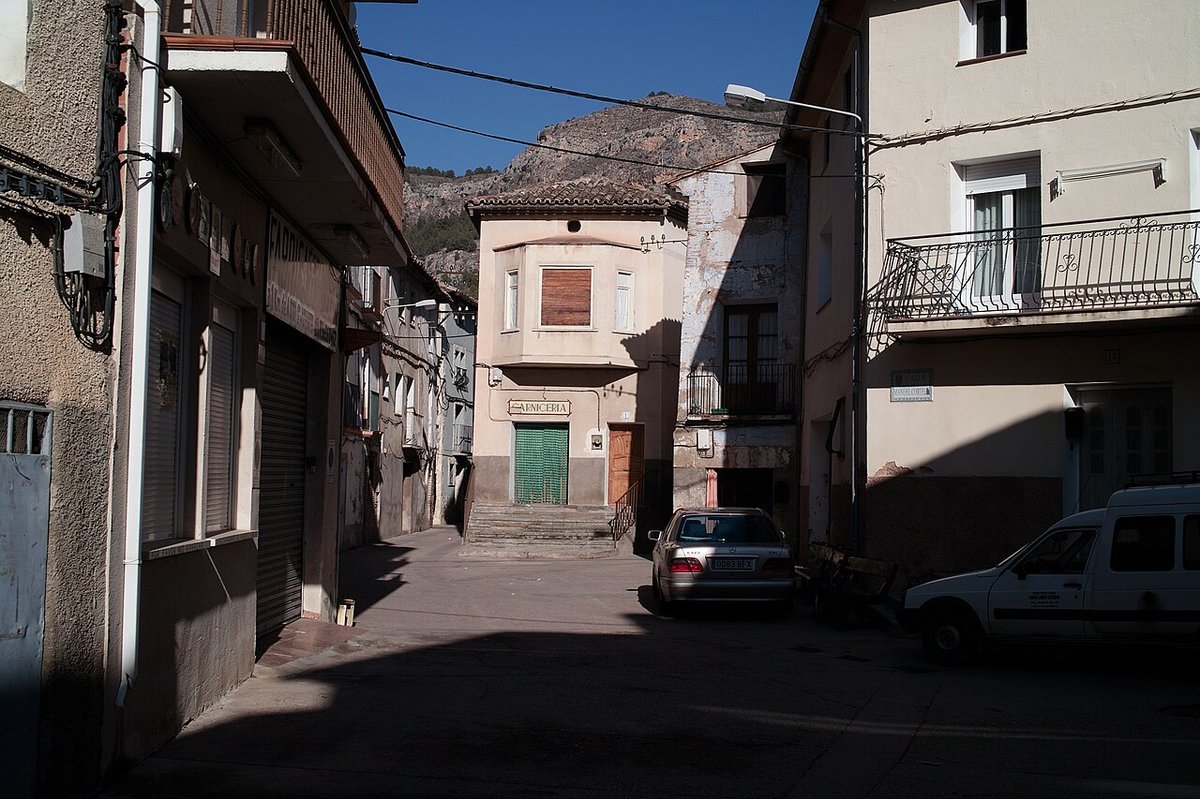
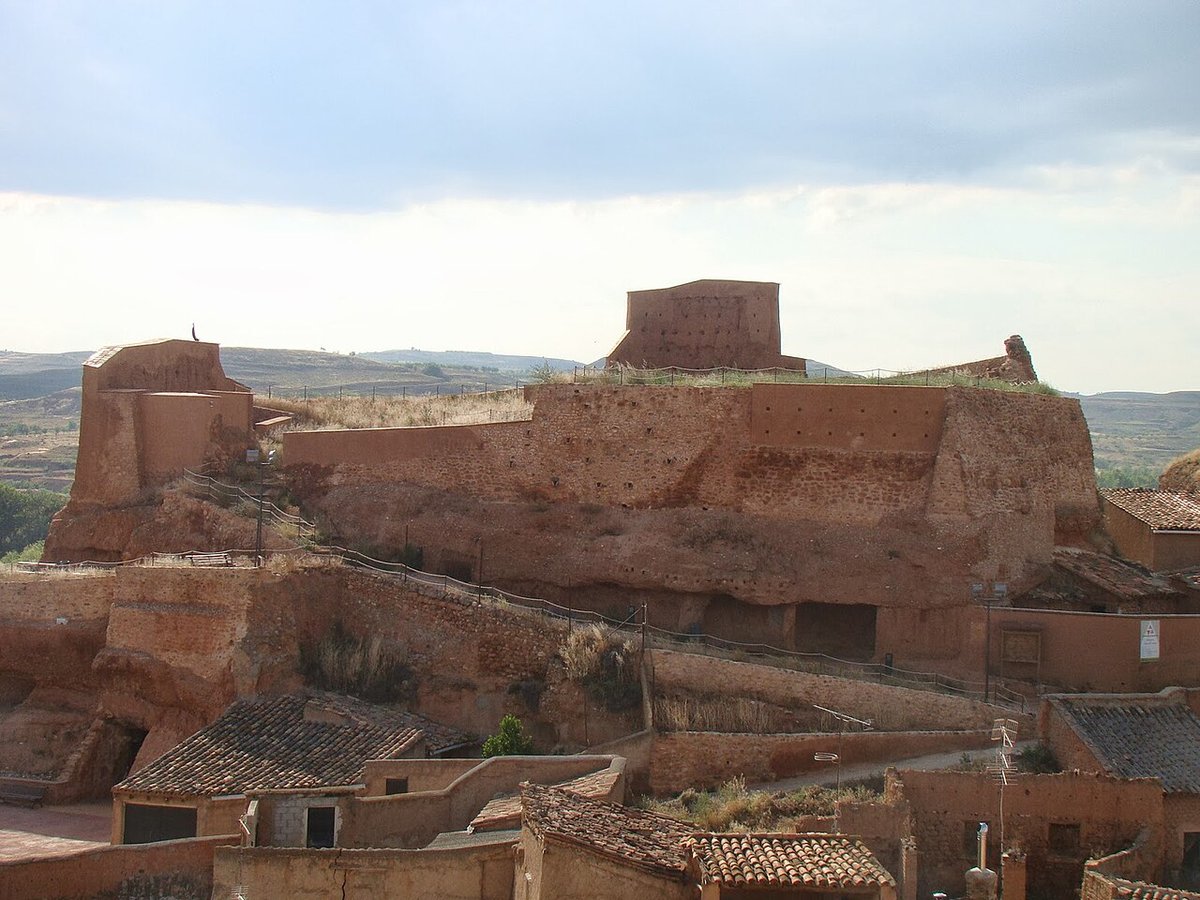
The houses reflect layers of time. Stone and adobe sit alongside more recent alterations. Many still have wide entrances that once led into yards or small wine cellars carved into the rock. Around the village, low openings and small vents hint at these underground bodegas, a familiar feature in settlements across this region.
Short streets and a central church
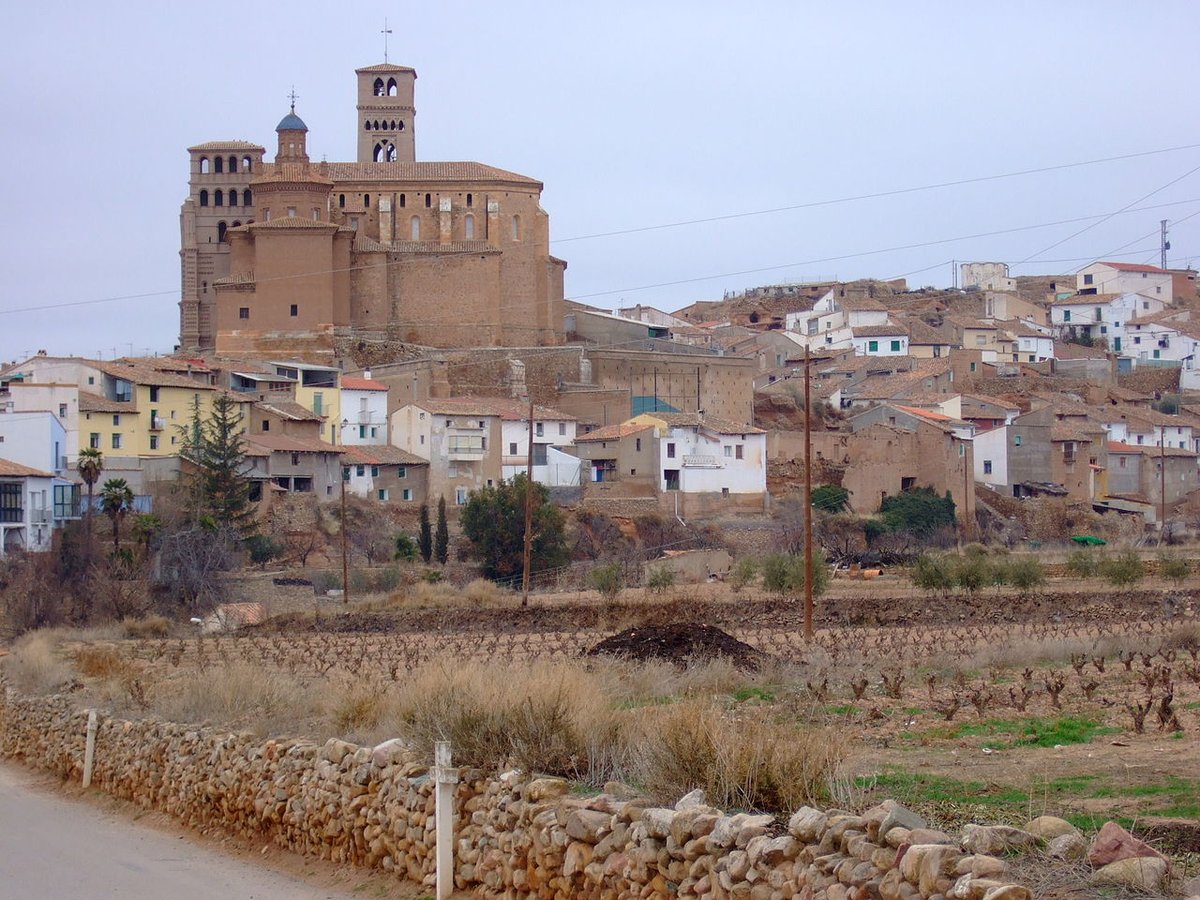
The layout is compact and easy to grasp. Short streets, some gently sloping, tend to end facing open fields. At the centre stands the parish church, a simple building where different construction phases are visible in its fabric: older walls, later additions and repairs carried out over time.
Walking slowly brings out small details. A carved stone crest above a doorway, an old iron grille, the faint smell of firewood in winter. This is not a place for long urban strolls. The village can be crossed in ten or fifteen minutes, more than once. What matters is not distance but attention, pausing rather than pressing on.
Paths through cereal fields and oak patches
Beyond the last houses, agricultural tracks begin almost immediately. Some run alongside fields, others cut through patches of holm oak and quejigo that break up the continuity of the cereal landscape.
The terrain is manageable, with only short inclines. In summer, the sun becomes intense from midday onwards, so early morning or late afternoon makes more sense for walking. The light, in return, is strikingly clear. In spring, green fields seem almost luminous. By July, everything shifts to a dry gold that crunches underfoot.
Wildlife appears quietly if watched for. Kestrels often hover above the fields, and with a bit of luck, kites can be seen gliding higher up. In autumn, nearby pinewoods attract people looking for mushrooms, an activity that requires local knowledge and respect for regulations.
Food rooted in the land
Cooking in this part of Calatayud follows the rhythm of rural life and long winters. Dishes are filling, built around lamb, home-cured sausages prepared by many families, and migas made slowly and carefully. In nearby villages, where there are bars and places to eat, wines from the Calatayud designation of origin are commonly served. These come from vineyards growing in the poor, stony soils typical of the area.
Small celebrations, close-knit gatherings
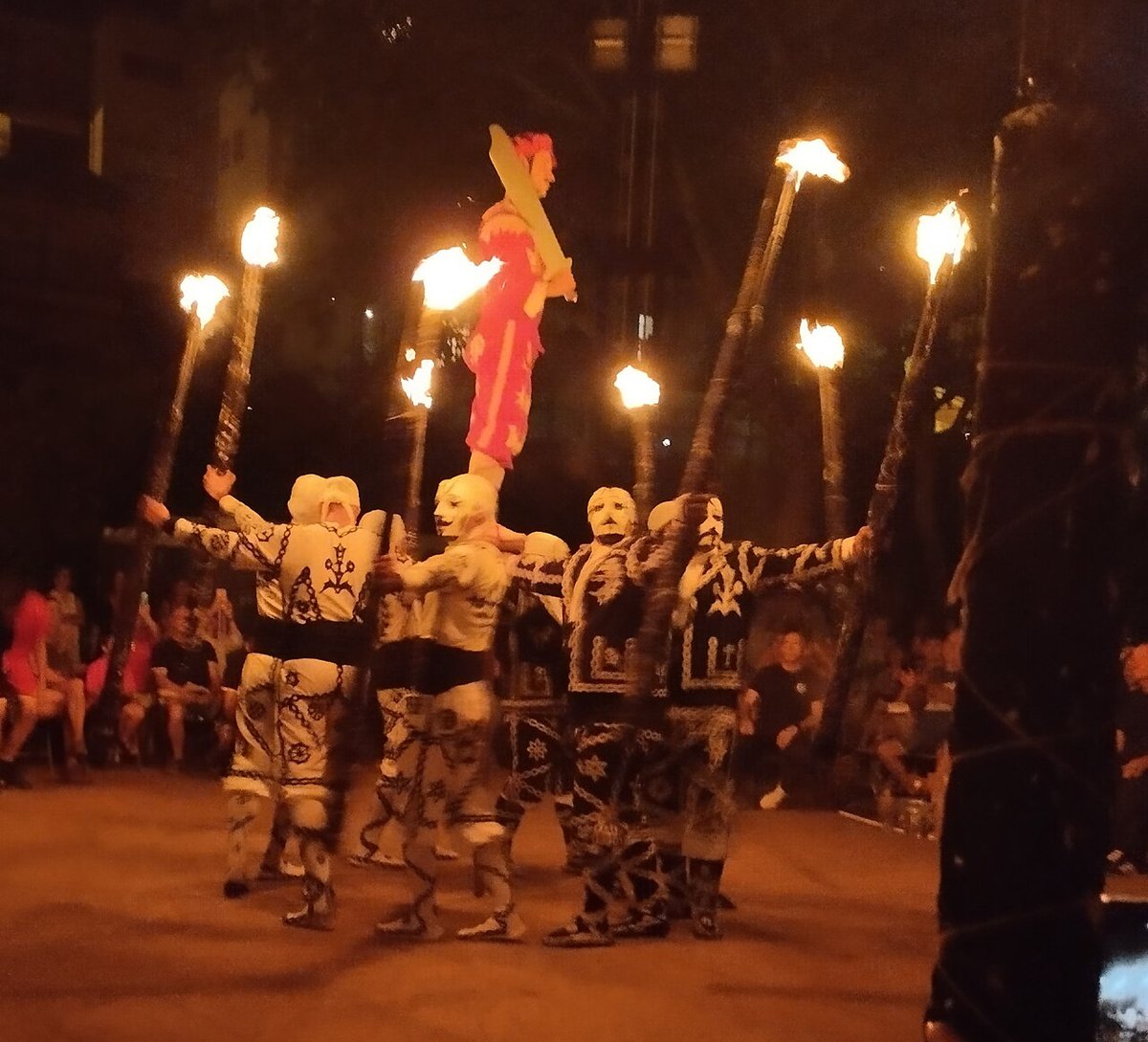
Festivities in Clarés de Ribota are modest in scale. Patron saint celebrations usually take place in summer, when those who have family homes return from elsewhere. For a few days, the atmosphere shifts. There is more conversation in the streets, music in the evenings, and long shared tables set up in the squares.
Other traditions remain tied to the agricultural and religious calendar. Spring brings blessings of the fields, while Holy Week is marked with simple observances. These are small events, shaped by a community where most people know one another.
When to come and what to expect
Spring is often the most rewarding time to explore the surroundings. The cereal stands tall and the air is still cool. Autumn offers clear, quiet days well suited to walking. In summer, heat builds from midday and the village slows almost to a halt until evening.
It is wise to arrive with time to spare and without a tight plan. Clarés de Ribota does not revolve around schedules. Life here unfolds gradually, often beyond the reach of guidebooks, and that is precisely its character.