Full Article
about Codos
Hide article Read full article
A village that presses pause
Some places seem to slow everything down. Codos, in the Calatayud comarca of Aragón, has that effect. It is a small municipality with just over two hundred residents, where daily life still follows the pace of the land.
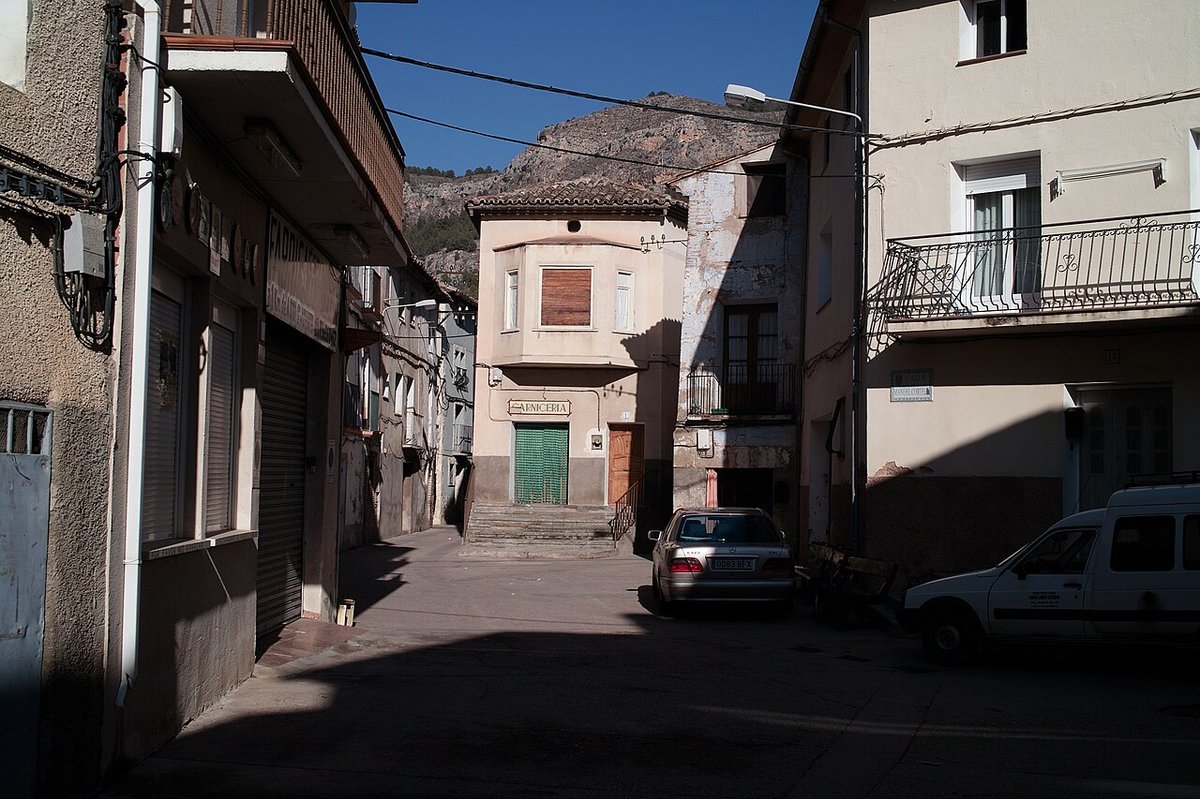
The layout is simple. Narrow streets, some still unpaved, wind between stone houses that cluster together without much concern for symmetry. There are no grand squares or monuments designed to impress. Instead, life shows itself in small, ordinary moments: a door left open, a tractor passing at an unhurried speed, neighbours chatting in the sun.
An unpolished town centre
Nothing in Codos feels staged. The houses are lived-in spaces, with repairs, additions and iron balconies that have been in place for decades. Some wooden eaves still hold firm, the kind that make you wonder how they have lasted so long.
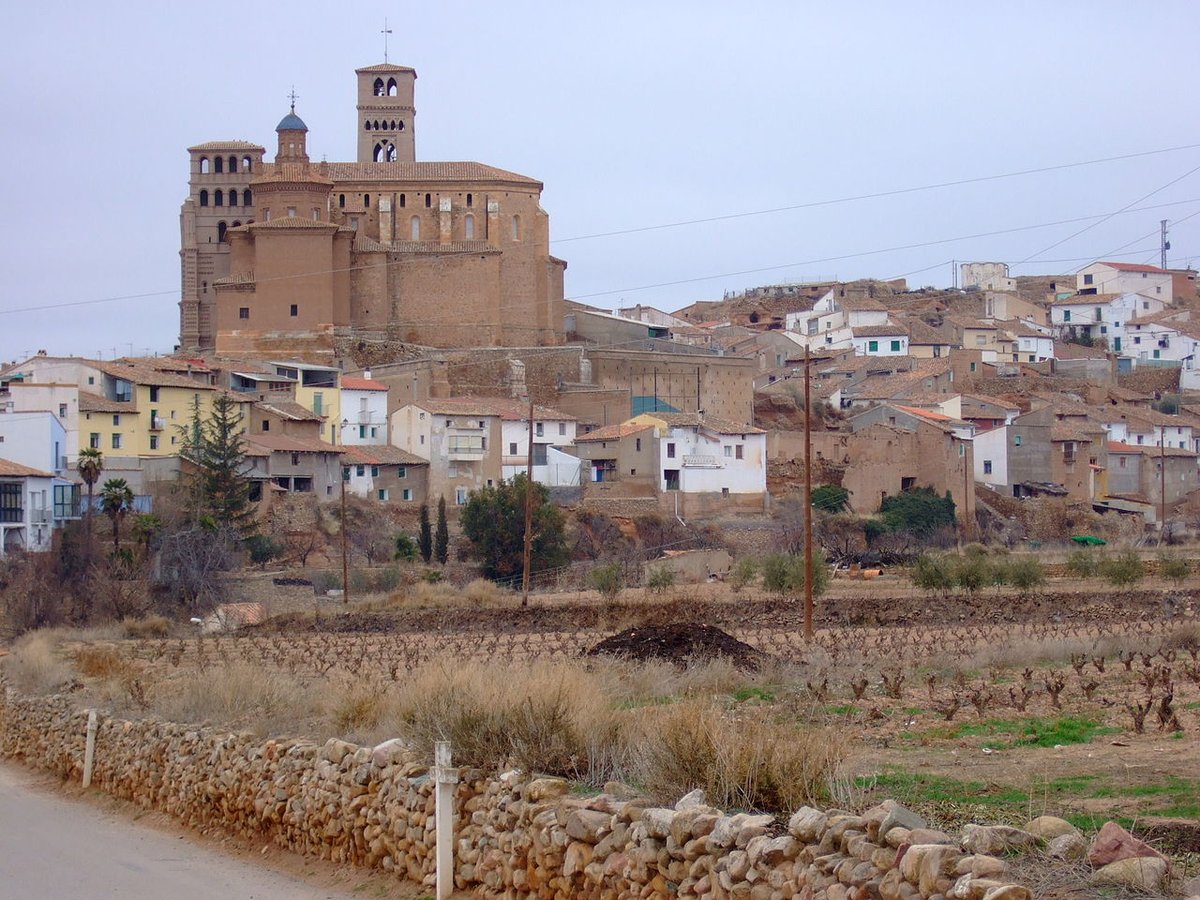
At the centre sits the parish church, dedicated to the Natividad de Nuestra Señora. Its construction is attributed to the 18th century, and elements from that period can still be recognised on the façade. It does not dominate the village, but it fits naturally into the whole, like one more piece in a settled pattern.
Fields that change with the seasons
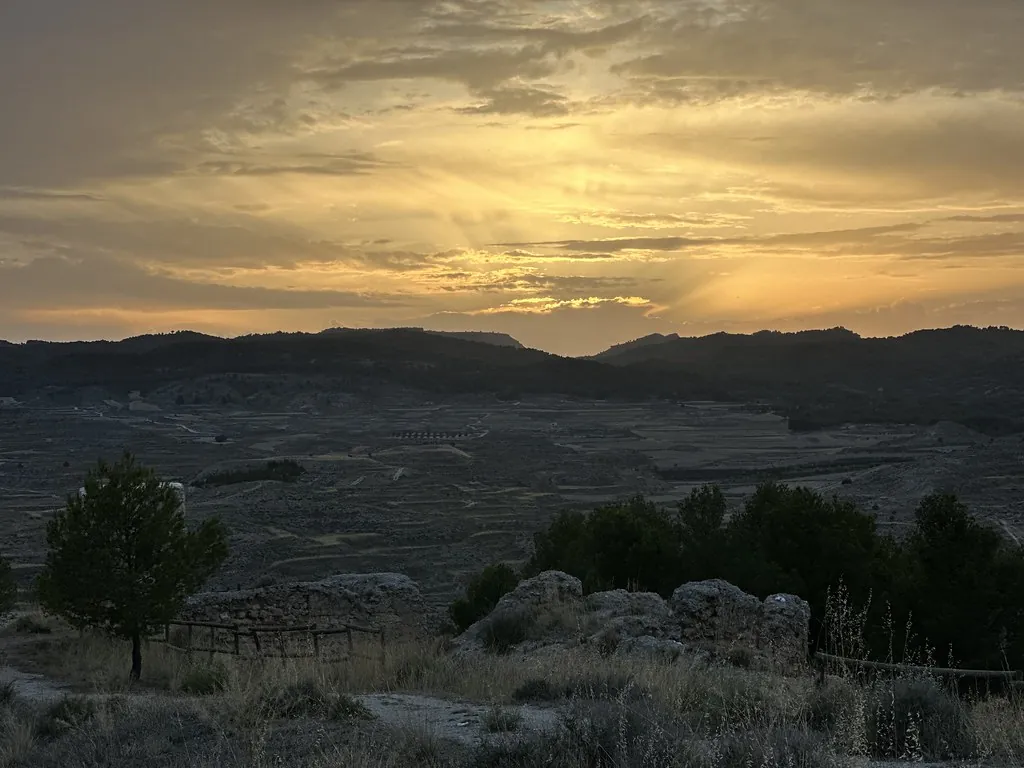
The landscape around Codos is defined by dry farming. Cereal fields stretch out in every direction, shifting colour as the year moves on. Spring brings a brighter green. Summer turns everything golden. After harvest, the tones fade into browns shaped by agricultural work.
Farming continues to set the rhythm here. There have been no major transformations in the surroundings, and that is immediately noticeable to visitors. A short drive is enough to give the impression that the view could have been much the same several decades ago.
Easy paths into the surroundings
Several agricultural tracks lead out from the village into the surrounding countryside. These are not technical routes. They are wide dirt paths, the kind used by cars and tractors, which makes walking along them straightforward.
Along the way, scattered structures appear: corrales for livestock, parideras used during lambing season, and small field huts. Some remain in use, others stand as reminders of past routines, like tools left waiting in a shed.
Those who enjoy watching for movement in open landscapes may spot birds typical of this kind of terrain. There are no large concentrations or particularly rare species mentioned, but with a bit of attention something usually crosses the sky.
Food rooted in tradition
Local cooking in Codos stays close to familiar ground. Lamb appears in different preparations, alongside hearty legume stews and cured meats made at home during the traditional matanza season, when families prepare preserved foods for the year ahead. These are filling dishes, the sort that call for bread on the table.
Olive oil from the area features in much of the cooking. Wine from the nearby Calatayud designation of origin is also common, reflecting its strong presence across this part of Aragón.
A quiet base in the comarca
Codos also works as a base for exploring the wider comarca. Nearby villages each have their own stories, with castles overlooking the landscape, old churches and communities long tied to agriculture. Calatayud itself lies at a relatively short distance and offers a broader range of sights, including Mudéjar heritage and a larger urban setting.
Even so, returning to Codos after spending time around the area brings a noticeable contrast. The absence of constant traffic and background noise stands out. It feels like stepping back into a quieter space, where the pace settles again.
Festivities and returning faces
The main celebrations take place around September, in honour of Nuestra Señora de la Natividad. These days bring processions, gatherings among neighbours and the return of people who have connections to the village.
Summer also sees smaller festivities. There is music, traditional dancing and shared meals. The atmosphere is similar to a large family gathering, where everyone contributes something and the table ends up fuller than expected.
Codos does not aim to put on a show or draw attention to itself. It remains a small village that continues as it always has. Time here is best spent simply walking, looking around and accepting a slower pace for a while.